
Key Takeaway
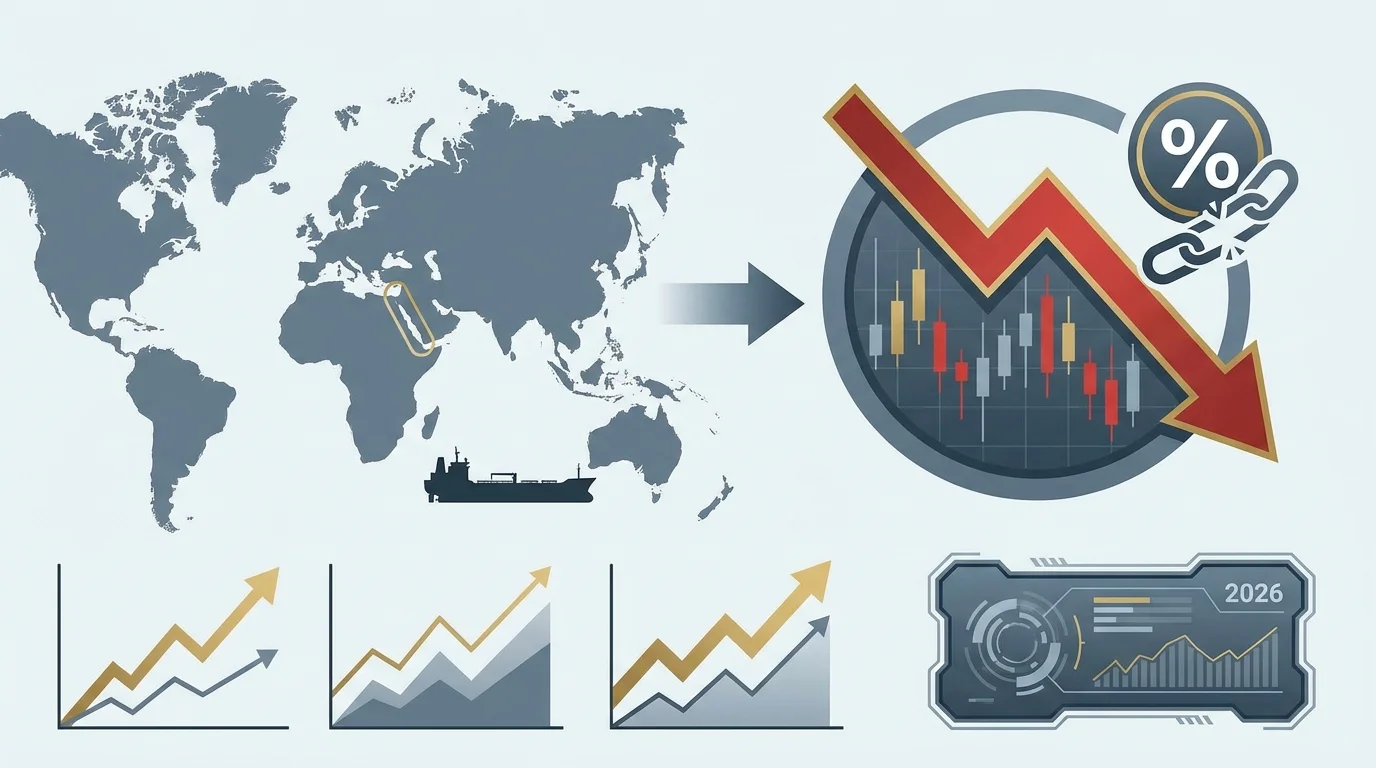
The escalating conflict between the United States and Iran has triggered a dramatic surge in global energy markets, with natural gas prices experiencing some of the most significant volatility as investors confront the reality of potential supply disruptions through the world's most critical energy chokepoint. While oil prices have captured headlines with Brent crude surging toward $82 per barrel, natural gas markets have reacted even more dramatically, with European futures jumping approximately 50% in a single trading session as the conflict's implications for liquefied natural gas (LNG) supplies became apparent.
The strategic importance of the Strait of Hormuz extends far beyond crude oil shipments, as this narrow waterway serves as the primary export route for Qatari LNG that supplies both European and Asian markets. Qatar's state-owned energy company announced production halts following military strikes, immediately removing a significant portion of global LNG supply and forcing buyers into direct competition for limited alternative sources. Analysts at Goldman Sachs project that natural gas prices could roughly double if shipments through the Strait of Hormuz were halted for just one month, illustrating the extreme sensitivity of gas markets to supply disruptions.
For American consumers, the impact is already visible at the pump, with average U.S. retail gasoline prices crossing $3 per gallon for the first time in months. The full effect of higher crude prices typically takes six weeks to flow through to gasoline as oil is processed and delivered, suggesting further increases are likely even if the conflict resolves quickly. However, dealers tend to raise prices rapidly when costs increase while being slow to reduce them when input prices fall, meaning consumers may face elevated fuel costs for an extended period regardless of how the military situation develops.
Want to track energy stocks and commodities in real-time? Try Intellectia.AI's AI-powered stock screener to monitor natural gas producers, LNG exporters, and related investment opportunities.

The Immediate Impact on Global Natural Gas Markets
The outbreak of military operations between the United States and Iran has sent shockwaves through natural gas markets that extend far beyond the immediate region, creating supply concerns that affect energy consumers from Europe to Asia. Understanding these dynamics is essential for both investors seeking opportunities and consumers preparing for higher energy costs.
European Natural Gas Futures Surge
European natural gas futures experienced extraordinary volatility as news of the conflict spread, surging around 50% in price before retreating modestly as traders assessed the situation. This dramatic price action reflects the European market's vulnerability to LNG supply disruptions, as the continent has become increasingly dependent on imported natural gas following the reduction of Russian pipeline flows after the Ukraine conflict.
The European market's sensitivity stems from depleted natural gas stockpiles that left limited buffer capacity to absorb supply shocks. Unlike the oil market, where strategic petroleum reserves provide substantial emergency supplies, European gas storage facilities were already at low levels entering the conflict period. This structural vulnerability amplifies price responses to any disruption in LNG deliveries, as buyers scramble to secure alternative supplies in an already tight market.
Analysts warn that European natural gas prices could break above 60 euros ($70) per megawatt hour if the conflict escalates and Tehran attacks neighboring energy facilities. While this remains below the $100-plus levels experienced during the worst of the Ukraine crisis, such prices would significantly increase energy costs for European households and businesses, potentially pushing economies back toward recession as disposable income is diverted to energy expenses.
Qatar LNG Production Halts
The announcement that Qatar's state-owned energy company would halt liquefied natural gas production sent immediate shockwaves through global markets, as Qatar represents one of the world's largest LNG exporters and a critical supplier to both European and Asian markets. This production stoppage removes millions of tons of annual LNG supply precisely when global demand remains strong, creating a supply-demand imbalance that can only be resolved through significantly higher prices.
Qatar exports LNG via the Strait of Hormuz, the same chokepoint that handles approximately 20% of global petroleum consumption. Traffic through this vital waterway has dwindled since Iranian military warnings advised ships against passage following the initial airstrikes, effectively creating a blockade that prevents normal commercial operations regardless of whether vessels are physically prevented from transiting.
The supply disruption creates what analysts at Wood Mackenzie describe as a "dual supply shock"—not only are current exports through the strait halted, but OPEC+ additional volumes and ultimately most of OPEC's spare capacity become inaccessible while the waterway remains closed. This removes the traditional safety valve that has historically balanced global energy markets during disruptions, leaving buyers with limited options for replacing lost Qatari supplies.
Asian Market Competition Intensifies
Asian buyers, particularly Japan, South Korea, and China, face intensified competition for limited LNG supplies as European purchasers bid aggressively for cargoes that would have otherwise flowed to Qatar. Qatar supplied approximately 6.5% of UK LNG imports over the past year, and the shutdown threatens to push more heavily exposed Asian buyers into direct competition with European markets, driving prices upward across all importing regions.
The competitive dynamics create a zero-sum situation where European purchases of alternative LNG supplies directly reduce availability for Asian buyers, and vice versa. This bidding war dynamic can drive prices substantially higher than would be suggested by the physical supply disruption alone, as buyers prioritize energy security over cost considerations during crisis periods.
Countries with long-term LNG contracts may find their suppliers unable to deliver due to force majeure clauses related to the conflict, forcing them into the volatile spot market at precisely the worst time. This contractual uncertainty adds another layer of risk premium to gas prices as buyers grapple with the possibility that even firm commitments may not be honored during extreme circumstances.
Understanding the Strait of Hormuz and Global Energy Security
The Strait of Hormuz represents the single most critical chokepoint for global energy supplies, with significance that extends far beyond its geographical narrowness. Understanding why this waterway matters so much helps explain why energy markets have reacted so dramatically to the US-Iran conflict.
Geography and Strategic Importance
The Strait of Hormuz connects the Persian Gulf to the Gulf of Oman and the Arabian Sea, forming a narrow passage approximately 21 miles wide at its narrowest point. Despite this relative narrowness, the strait handles approximately 20% of global petroleum consumption and a substantial portion of global LNG trade, making it indispensable to modern industrial economies.
The strait's importance has only grown as global energy demand has increased and alternative transportation routes remain limited. Pipeline capacity across the Arabian Peninsula is insufficient to bypass the strait entirely, and the costs of alternative shipping routes around the southern tip of Africa would add substantial expense and delay to energy deliveries. These logistical realities ensure that any sustained closure of the Strait of Hormuz would have immediate and severe impacts on global energy availability.
Iran's geographic position along the strait's northern coast provides significant leverage, as Iranian military forces could potentially disrupt shipping through missile attacks, naval operations, or mining activities. The Iranian military's warning to ships following the initial US airstrikes demonstrated this capability and immediately reduced commercial traffic regardless of whether physical force was actually employed.
Historical Precedents for Strait Disruptions
The "Tanker War" of the 1980s provides the most relevant historical precedent for Strait of Hormuz disruptions, as Iran and Iraq attacked commercial shipping during their prolonged conflict. During this period, oil prices experienced significant volatility and insurance costs for vessels transiting the strait increased dramatically, though the strait never faced a complete closure.
More recently, tensions between the United States and Iran in 2019-2020 following the assassination of Iranian General Qasem Soleimani raised similar concerns about strait closures, though military operations were contained before sustained disruptions occurred. These episodes demonstrate that markets take the threat seriously even when closures are ultimately avoided, as the potential consequences are too severe to ignore.
The current conflict differs from previous episodes in its direct involvement of the United States in sustained military operations against Iranian targets, potentially increasing both the severity and duration of any strait closure. Previous confrontations involved more limited military actions or threats rather than the ongoing major combat operations currently underway.
Global Strategic Petroleum Reserves
The International Energy Agency coordinates strategic petroleum reserves among member countries that can be released during supply disruptions, providing a buffer against oil price spikes. However, these reserves are finite and would be depleted rapidly during a sustained strait closure, limiting their effectiveness as a long-term solution.
Natural gas presents more complex storage challenges than oil, as LNG requires specialized facilities and cannot be easily stockpiled in the same manner as crude oil. European gas storage facilities were already at low levels entering the current crisis, demonstrating that even substantial storage capacity provides limited protection when supply disruptions coincide with high demand periods.
The effectiveness of strategic reserves depends on the duration of any supply disruption and the ability of alternative suppliers to increase production. In the current situation, OPEC+ spare capacity would be inaccessible due to the strait closure, meaning strategic reserves represent the only immediate supply source beyond current production levels.
Impact on U.S. Gasoline Prices and Consumer Costs
American consumers are already experiencing higher fuel costs as a direct result of the US-Iran conflict, with further increases likely in coming weeks regardless of how the military situation develops. Understanding these price dynamics helps consumers prepare for sustained higher energy expenses.
Pump Price Increases Already Underway
Average U.S. retail gasoline prices crossed $3 per gallon shortly after military operations commenced, representing the first time prices have exceeded this threshold in more than three months. This immediate price response reflects dealers passing through higher wholesale costs rapidly, even though the crude oil that will eventually become this gasoline has not yet completed the refining and distribution process.
The six-week lag between crude price changes and fully reflected gasoline prices means that consumers have not yet experienced the full impact of recent oil price surges. Crude oil purchased at current elevated prices must still be transported to refineries, processed into gasoline, and distributed to retail stations before reaching consumers, creating a substantial delay in price transmission.
Energy economists note that gasoline dealers tend to be "fast to go up and slow to come down" when crude prices change. This asymmetric response means that consumers face higher prices immediately when crude costs rise, but may wait weeks or months for relief when crude prices eventually fall. This pricing behavior effectively captures additional margin for dealers during volatile periods at consumer expense.
Regional Variations in Price Impact
Gasoline price impacts vary substantially across U.S. regions depending on local refinery capacity, transportation infrastructure, and state taxes. West Coast markets typically experience higher prices due to limited pipeline connections to other regions and specialized fuel requirements, while Gulf Coast markets benefit from proximity to major refining centers.
States with higher gasoline taxes, such as California and Illinois, will see larger absolute price increases than low-tax states as percentage increases apply to larger base prices. These tax-related differences can result in price gaps of $1 or more per gallon between the highest and lowest cost states during crisis periods.
Rural areas may experience more severe price impacts due to higher transportation costs and reduced competition among local dealers. Areas dependent on single supply routes or distant from major distribution hubs face particular vulnerability to supply disruptions and price spikes.
Broader Economic Implications
Higher gasoline prices function as a direct tax on consumer spending, reducing disposable income available for other purchases. Economists estimate that sustained $3.50 per gallon gasoline versus $3.00 per gallon reduces consumer spending power by approximately $50 billion annually, representing a significant drag on economic growth.
Transportation-dependent businesses face margin pressure from fuel cost increases that cannot be fully passed through to customers. Airlines, trucking companies, and delivery services all experience higher operating costs that compress profitability unless fuel surcharges can be successfully implemented.
The inflationary impact of higher energy prices complicates Federal Reserve policy calculations, as rising fuel costs contribute to overall price level increases while simultaneously threatening economic growth. This stagflationary dynamic may force the Fed to maintain higher interest rates for longer periods, creating headwinds for rate-sensitive sectors.
Interested in energy sector investment opportunities? Sign up for Intellectia.AI to discover natural gas producers, LNG exporters, and energy infrastructure stocks with AI-powered analysis.

Natural Gas Price Forecasts and Scenarios
Analysts have developed various scenarios for natural gas price development depending on how the US-Iran conflict evolves, with potential outcomes ranging from modest increases to dramatic spikes that could exceed previous crisis levels. Understanding these scenarios helps investors and consumers prepare for different potential futures.
Base Case: Contained Conflict
In a scenario where military operations remain limited and the Strait of Hormuz faces only partial disruptions, natural gas prices may retreat from initial crisis spikes while remaining elevated compared to pre-conflict levels. Analysts suggest that Brent crude oil prices would likely remain $20 per barrel below inflation-adjusted averages from the Iraq War period even with material disruptions to global oil flows.
Under this scenario, European natural gas prices might stabilize in the $45-55 per megawatt hour range, substantially below the $100-plus levels experienced during the worst of the Ukraine crisis but significantly higher than the $30-40 range that prevailed before the current conflict. These prices would increase energy costs for consumers and businesses without triggering the severe economic disruptions associated with more extreme scenarios.
U.S. natural gas prices at Henry Hub might remain relatively contained due to domestic production capacity and limited direct exposure to LNG market disruptions. However, global price increases would eventually flow through to U.S. markets as domestic producers find more profitable export opportunities, creating upward pressure even on geographically isolated markets.
Escalation Scenario: Prolonged Strait Closure
If the conflict escalates and Iran effectively closes the Strait of Hormuz for an extended period, natural gas prices could experience dramatic increases that substantially exceed current levels. Goldman Sachs analysts project that European natural gas prices could roughly double from current levels if LNG shipments through the strait were halted for just one month.
Under this scenario, Brent crude oil prices could surge above $100 per barrel, with corresponding increases in refined product prices including gasoline, diesel, and heating oil. The combination of higher oil and gas prices would create substantial inflationary pressure while simultaneously threatening economic growth through reduced consumer spending power.
The disruption would extend beyond immediate price impacts to affect global energy security as buyers scramble to secure alternative supplies. Countries with limited domestic production and insufficient strategic reserves would face potential energy rationing or blackouts during peak demand periods, creating social and political instability alongside economic challenges.
Resolution Scenario: Swift De-escalation
If diplomatic efforts succeed or military operations achieve rapid objectives that allow resumption of normal shipping operations, energy prices could experience sharp corrections as crisis premiums evaporate. Historical precedents suggest that oil and gas prices often fall rapidly once conflicts resolve, sometimes overshooting to levels below where they stood before the crisis began.
However, the "fast up, slow down" pricing dynamics in gasoline markets mean that consumers may not benefit from rapid crude price declines to the same extent they suffered from initial increases. Dealers who raised prices quickly when costs increased tend to reduce prices more gradually when input costs fall, capturing additional margin at consumer expense.
The psychological impact of the conflict may persist even after physical supply disruptions end, as buyers and sellers adjust to a new risk environment that includes the possibility of future conflicts. This "risk premium" can sustain prices above pre-crisis levels for extended periods even after immediate threats have passed.
Investment Implications: Energy Sector Opportunities and Risks
The natural gas price surge creates both opportunities and risks for investors in energy markets, with different subsectors positioned to benefit or suffer depending on their specific exposures to supply disruptions and price volatility.
Natural Gas Producers and LNG Exporters
Domestic natural gas producers stand to benefit from higher prices, though the impact varies depending on their exposure to international markets versus domestic sales. Producers with firm LNG export contracts or significant spot market exposure will capture the full benefit of global price increases, while those focused on domestic markets may see more modest gains.
LNG export infrastructure owners, including terminal operators and shipping companies, benefit from increased utilization and potentially higher margins during supply disruptions. However, these benefits must be weighed against operational risks if facilities are damaged or shipping routes become too dangerous for normal operations.
Integrated oil and gas majors like ExxonMobil and Chevron possess diversified asset bases that allow them to benefit from higher natural gas prices while maintaining operational flexibility. These companies can shift production toward higher-margin opportunities and leverage their global reach to optimize supply chains during disruptions.
Energy Infrastructure and Utilities
Natural gas utilities face a complex environment where higher wholesale gas costs may be partially offset by regulatory mechanisms that allow cost pass-through to consumers. However, extreme price spikes can trigger regulatory interventions that limit utility margins or force absorption of some cost increases.
Pipeline operators and storage facility owners generally benefit from increased throughput and higher commodity values, though physical disruptions to infrastructure can create operational challenges. Companies with diversified route networks and alternative supply sources are better positioned to maintain operations during regional disruptions.
Renewable energy developers may see increased interest as higher natural gas prices improve the relative economics of wind, solar, and other alternatives. However, the intermittent nature of renewable generation means that natural gas will remain essential for grid stability, limiting the potential for demand destruction even at higher prices.
Consumer-Facing Energy Companies
Gasoline retailers face margin pressure as wholesale costs increase rapidly while competitive dynamics limit their ability to pass through full cost increases immediately. The "rockets and feathers" pricing pattern—rapid increases when costs rise, slow decreases when costs fall—can actually benefit retailer margins during volatile periods, though consumer backlash against high prices may eventually compress volumes.
Transportation companies including airlines, trucking firms, and delivery services experience significant cost pressure from fuel price increases. Those with successful fuel surcharge mechanisms or operational flexibility to reduce consumption may weather the storm better than competitors lacking these advantages.
Chemical manufacturers and other industrial natural gas consumers face margin compression as input costs rise, potentially forcing production cuts or price increases for downstream products. The severity of these impacts depends on the ability to pass through costs and the availability of alternative feedstocks.
Want to identify the best energy sector investments during volatile markets? Explore Intellectia.AI's premium features for AI-powered analysis of energy stocks, commodities, and related investment opportunities.
Preparing for Sustained Higher Energy Costs
Both consumers and investors should prepare for the possibility that elevated natural gas and gasoline prices may persist for an extended period, regardless of how the US-Iran conflict ultimately resolves. Developing appropriate strategies now can reduce the financial impact of sustained higher energy costs.
Consumer Strategies for Managing Higher Energy Bills
Households can take several steps to reduce natural gas and gasoline consumption without dramatically changing lifestyles. Simple measures like adjusting thermostats, improving home insulation, and combining car trips can meaningfully reduce energy consumption and associated costs.
Transportation alternatives including public transit, carpooling, and electric vehicles become more economically attractive as gasoline prices rise. While electric vehicles require upfront investment, the operating cost advantages increase substantially when gasoline exceeds $3.50 per gallon in many regions.
Fixed-price energy contracts, where available, can provide budget certainty during volatile periods. However, consumers should carefully evaluate whether current fixed prices represent good value compared to variable rates, as energy suppliers price in risk premiums during uncertain periods.
Investment Portfolio Adjustments
Investors may consider increasing allocations to energy sectors that benefit from higher commodity prices, including exploration and production companies, LNG infrastructure, and integrated energy majors. These positions can provide portfolio hedges against energy cost inflation while generating income through dividends during volatile periods.
Conversely, reducing exposure to energy-intensive industries including airlines, trucking, and certain manufacturing sectors may be prudent if higher energy costs threaten profit margins. Companies with limited ability to pass through cost increases or high fixed energy requirements face particular challenges during sustained price spikes.
Diversification across geographies and energy sources can reduce portfolio vulnerability to region-specific disruptions. Investments in renewable energy, nuclear power, and alternative fuels may benefit from increased interest as traditional fossil fuel costs rise, though these transitions occur over years rather than months.
Conclusion
The US-Iran conflict has demonstrated the extreme vulnerability of global natural gas markets to supply disruptions, with prices surging dramatically as the implications of potential Strait of Hormuz closures became apparent. European natural gas futures jumped approximately 50% in a single session, while Qatar's production halt removed substantial LNG supply from global markets precisely when demand remains strong.
For consumers, the impact is already visible at gasoline pumps across America, with prices crossing $3 per gallon and further increases likely in coming weeks as higher crude costs flow through to refined products. The asymmetric pricing dynamics of gasoline markets—rapid increases when costs rise, slow decreases when costs fall—suggest that consumers may face elevated fuel expenses for an extended period regardless of how the military situation develops.
Investors face a complex environment where energy sector opportunities coexist with significant risks. Natural gas producers, LNG exporters, and integrated energy majors stand to benefit from higher commodity prices, while energy-intensive industries face margin compression that may threaten profitability. Successful navigation of this environment requires careful analysis of company-specific exposures and the development of scenarios spanning contained conflicts to prolonged disruptions.
The broader lesson is that global energy security remains fragile despite decades of diversification efforts and strategic reserve accumulation. The concentration of critical supply routes through chokepoints like the Strait of Hormuz creates systemic vulnerabilities that can trigger dramatic price spikes when conflicts disrupt normal commercial operations. Whether current elevated prices represent a temporary spike or the new normal will depend on the trajectory of the US-Iran conflict and the durability of any supply disruptions that result.
Ready to navigate volatile energy markets with confidence? Start your free trial with Intellectia.AI today and discover how our AI-powered tools can help you identify energy sector opportunities, track commodity prices, and build resilient portfolios capable of weathering market disruptions.