
Key Takeaway
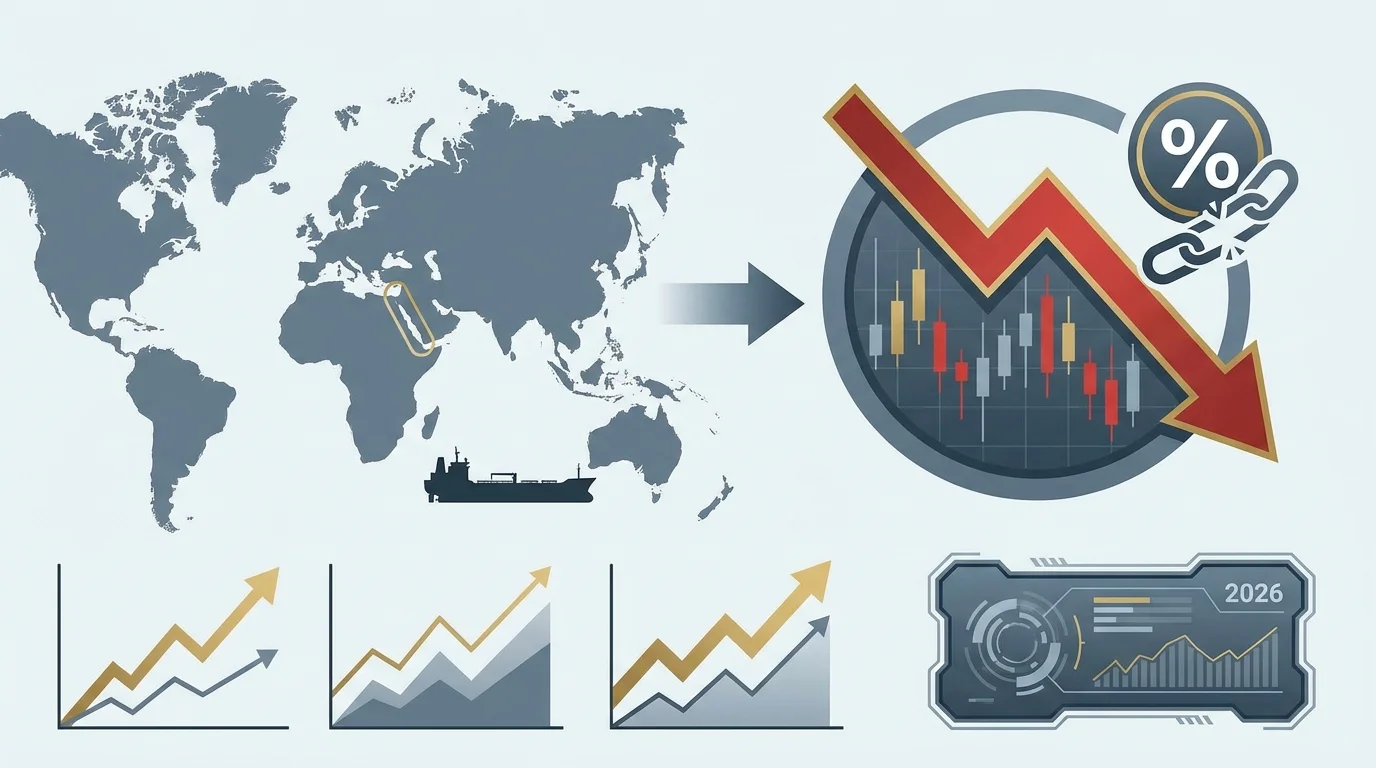
The Dow Jones Industrial Average has officially entered correction territory, falling more than 10% from its February 2026 record highs as escalating tensions in the Middle East trigger a seismic shift in market dynamics. With Brent crude oil surging past $110 per barrel and the Nasdaq Composite joining the Dow in technical correction, investors face a critical decision point that could define portfolio performance for years to come.
This market downturn, driven primarily by the month-long conflict in Iran, has created a tale of two markets. While technology giants have suffered significant drawdowns, energy stocks have emerged as unexpected beneficiaries of the crisis. The divergence presents both risks and opportunities that demand a strategic approach to portfolio positioning.
For investors with cash on the sidelines, this correction may represent one of the most attractive entry points into high-quality AI stocks since the market volatility of 2023. Nvidia, Microsoft, and other leading technology names now trade at meaningful discounts from recent highs, even as their long-term growth trajectories remain intact. Meanwhile, ExxonMobil and Chevron have gained over 35% year-to-date as oil prices spike, offering a compelling hedge against ongoing geopolitical uncertainty.
Understanding the 2026 Market Correction
The mechanics of this correction reveal important insights about market structure and investor psychology. The Dow Jones closed down nearly 800 points on March 27, 2026, confirming what technical analysts had been warning about for weeks. The blue-chip index has now posted five consecutive weeks of losses, its longest weekly losing streak in four years, as measured by the S&P 500's performance.
What makes this correction particularly significant is its catalyst. Unlike the inflation-driven selloffs of 2022 or the pandemic crash of 2020, this decline stems from a specific geopolitical event with tangible economic consequences. The conflict in Iran has disrupted shipping lanes in the Strait of Hormuz, through which approximately 20% of global oil supplies transit. This supply constraint has driven Brent crude from roughly $75 per barrel before the conflict to over $110 currently, creating a stagflationary impulse that threatens corporate margins and consumer spending power.
Federal Reserve policy expectations have shifted dramatically in response. At the beginning of 2026, markets were pricing in multiple rate cuts as inflation appeared tamed. Now, the probability of near-term easing has collapsed as policymakers confront the prospect of energy-driven price increases. This repricing of monetary policy expectations has hit rate-sensitive growth stocks particularly hard, amplifying the technology sector's underperformance.
AI Stocks: Buying the Dip in Quality Names
The technology sector's pain has created compelling opportunities for investors with a long-term horizon. Nvidia, the world's largest company by market capitalization at the start of 2026, has seen its shares decline approximately 20% from recent highs. Yet the fundamental drivers of its business remain as robust as ever.
Goldman Sachs maintains a $250 price target on Nvidia, representing substantial upside from current levels around $170-175. The investment bank's confidence stems from Nvidia's dominant position in AI infrastructure and the company's consistently strong execution. Revenue for the fiscal fourth quarter of 2026 reached $68.1 billion, demonstrating that demand for AI chips continues to outstrip supply despite broader economic concerns.
Looking ahead, capital expenditure projections for 2027 from major cloud providers could serve as a significant catalyst. Once these spending plans become public, the market may recognize that Nvidia's current valuation does not fully reflect its growth trajectory. The stock now trades at a forward price-to-earnings ratio below that of the S&P 500, a remarkable discount for a company growing revenue at over 50% annually.
Microsoft represents another attractive opportunity in the AI space. The software giant's shares have fallen approximately 30% from all-time highs, creating a rare chance to acquire a dominant technology franchise at a reasonable valuation. Microsoft's Azure cloud platform continues to gain market share, and its Copilot AI assistant is being adopted by enterprises at an accelerating pace.
The company's integration of AI capabilities across its Office 365 suite and other productivity tools positions it to capture significant value from the generative AI revolution. Unlike many competitors, Microsoft has demonstrated an ability to monetize AI investments through premium pricing tiers and enhanced service offerings. This revenue visibility, combined with the stock's recent decline, makes Microsoft a compelling addition to portfolios during this correction.
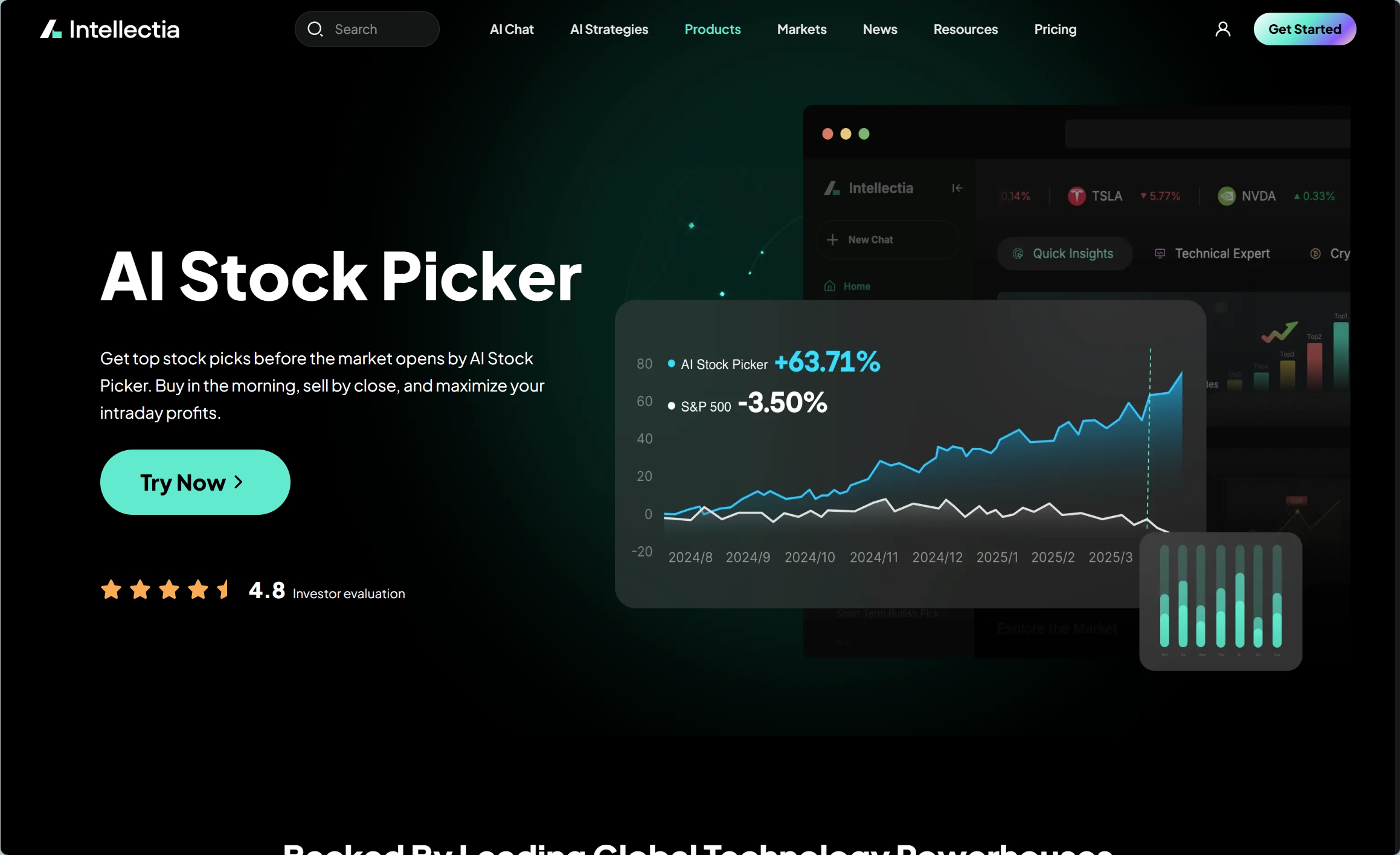
Want to identify the best AI stocks before they rally? Try the AI Stock Picker on Intellectia.ai to get data-driven recommendations on high-growth technology investments. The platform analyzes thousands of data points to surface opportunities that align with your risk tolerance and investment goals.
Energy Stocks Surge on Middle East Conflict
While technology stocks have suffered, energy companies have thrived in the risk-off environment. ExxonMobil and Chevron have both gained more than 35% since the beginning of 2026 as oil prices have surged on supply concerns. This performance represents a dramatic reversal from the energy sector's underperformance in recent years and highlights the value of portfolio diversification during periods of geopolitical stress.
The investment thesis for major oil companies has strengthened considerably with the Iran conflict. Analysts have raised 2026 oil price forecasts by 14% to $73.25 per barrel on average, with potential for sustained higher prices if the conflict persists. For integrated giants like ExxonMobil, every sustained $10 increase in oil prices translates to billions in additional free cash flow.
ExxonMobil's Q1 2026 earnings are expected to receive a significant boost from the current price environment. The company's disciplined capital allocation strategy, developed during years of lower prices, positions it to convert high oil prices into shareholder returns through dividends and share repurchases. With a dividend yield above 3% and a commitment to returning excess cash to investors, ExxonMobil offers income-oriented investors exposure to the energy rally.
Chevron similarly benefits from the oil price surge while maintaining a stronger balance sheet than many peers. The company's acquisition of Hess Corporation has expanded its exposure to high-quality production assets, enhancing its ability to generate free cash flow across commodity price cycles. Chevron's dividend growth track record, spanning more than three decades, provides additional confidence for investors seeking stability during market volatility.
Defensive Strategies for Volatile Markets
Navigating a correction requires more than simply identifying buying opportunities. Investors must also manage risk through appropriate position sizing, diversification, and hedging strategies. The current environment, characterized by elevated volatility and geopolitical uncertainty, demands particular attention to portfolio construction.
The CBOE Volatility Index, commonly known as the VIX or fear gauge, has climbed above 27, indicating significant investor anxiety. While high volatility can be unsettling, it also creates opportunities for disciplined investors. Options strategies, such as selling cash-secured puts on high-quality stocks, can generate income while establishing positions at attractive entry points.
Sector rotation has been a defining feature of this correction. The shift from growth to value, from technology to energy, and from international to domestic exposure reflects investors' preference for tangible cash flows and geopolitical insulation. Portfolios that were heavily weighted toward the Magnificent Seven tech stocks at the beginning of 2026 have likely underperformed, underscoring the importance of maintaining balanced sector exposure.
Consider using the AI Screener on Intellectia.ai to filter stocks based on volatility metrics, valuation multiples, and dividend yield. This tool can help identify defensive positions that may provide stability during continued market turbulence.

The Fed's Dilemma: Inflation vs. Growth
Federal Reserve policymakers face an unenviable challenge as they navigate the economic fallout from the Iran conflict. The central bank had been signaling a gradual easing of monetary policy as inflation moderated toward its 2% target. Now, surging energy prices threaten to reignite price pressures, potentially forcing the Fed to maintain higher interest rates for longer than previously anticipated.
The bond market has repriced rate expectations aggressively. Treasury yields have risen across the curve, with the 10-year note approaching 4.5% and the 2-year yield climbing above 4%. This steepening of the yield curve reflects both inflation concerns and increased term premiums demanded by investors for holding longer-duration securities during uncertain times.
For equity investors, the interest rate environment has significant implications. Higher discount rates reduce the present value of future cash flows, disproportionately affecting growth stocks with earnings concentrated in distant years. This mathematical reality explains much of the technology sector's underperformance and suggests that value-oriented strategies may continue to outperform until rate expectations stabilize.
Fixed income allocations warrant review during this period of rising yields. While bonds have suffered price declines as rates have increased, current yield levels offer the most attractive income opportunities in years. Investors with cash positions may want to consider building bond ladders to lock in elevated yields while maintaining flexibility to reinvest if rates move higher still.
International Implications and Currency Effects
The Iran conflict has reverberated through global markets, creating winners and losers across regions and asset classes. European markets have faced particular pressure due to their geographic proximity to the conflict zone and dependence on Middle Eastern energy supplies. The euro has weakened against the dollar as investors seek the safety of U.S. assets during the crisis.
Currency effects have significant implications for international equity allocations. A strong dollar reduces the returns on foreign investments for U.S.-based investors and creates headwinds for multinational corporations with significant overseas revenue exposure. Companies with primarily domestic revenue streams, such as regional banks and utilities, may outperform their global counterparts until currency markets stabilize.
Emerging markets have experienced mixed performance during the correction. Oil-exporting nations, particularly in Latin America and the Middle East, have benefited from higher commodity prices. Import-dependent economies in Asia have faced pressure from both energy costs and dollar strength. This divergence highlights the importance of selective exposure within international allocations rather than broad index-based approaches.
Long-Term Opportunities in Market Dislocations
History suggests that market corrections, while painful in the moment, create exceptional opportunities for patient investors willing to look beyond short-term volatility. The current environment shares characteristics with previous dislocations that ultimately rewarded disciplined buyers of high-quality assets at discounted prices.
The key to capitalizing on these opportunities lies in maintaining a long-term perspective and avoiding emotionally-driven decisions. Selling into weakness during a correction typically locks in losses and prevents participation in subsequent recoveries. Conversely, systematic buying during downturns, whether through dollar-cost averaging or targeted deployment of cash reserves, has historically generated superior returns over multi-year horizons.
Sector leadership typically rotates following major corrections. The technology stocks that dominated the 2023-2025 bull market may not be the leaders of the next advance. Investors should remain open to opportunities in neglected sectors, including healthcare, consumer staples, and industrials, that may offer better risk-adjusted returns in a changing market environment.
Take your investing to the next level with Intellectia.ai's comprehensive pricing plans designed for serious investors. Access advanced analytics, real-time alerts, and AI-powered insights that help you navigate volatile markets with confidence.
Conclusion
The 2026 stock market correction presents both challenges and opportunities for investors willing to look beyond daily price fluctuations. The Dow Jones' 10% decline and the Nasdaq's technical correction reflect legitimate concerns about geopolitical risk, energy prices, and monetary policy uncertainty. Yet these same conditions have created attractive entry points into high-quality companies with durable competitive advantages.
For long-term investors, the current environment offers a chance to acquire shares of leading AI companies like Nvidia and Microsoft at valuations not seen in months. Simultaneously, energy stocks such as ExxonMobil and Chevron provide exposure to the oil price surge while offering dividend income and inflation protection. The key is maintaining balance, managing risk appropriately, and avoiding the temptation to make emotionally-driven decisions during volatile periods.
Success in this market requires discipline, diversification, and a willingness to look beyond the headlines. By focusing on fundamentals, maintaining adequate cash reserves, and systematically deploying capital during weakness, investors can position themselves to benefit from the eventual recovery while protecting against further downside.
Ready to make smarter investment decisions during this market correction? Sign up for Intellectia.ai today and access powerful AI-driven tools that help you identify opportunities, analyze stocks, and build a resilient portfolio designed to thrive in any market environment.