
Key Takeaway
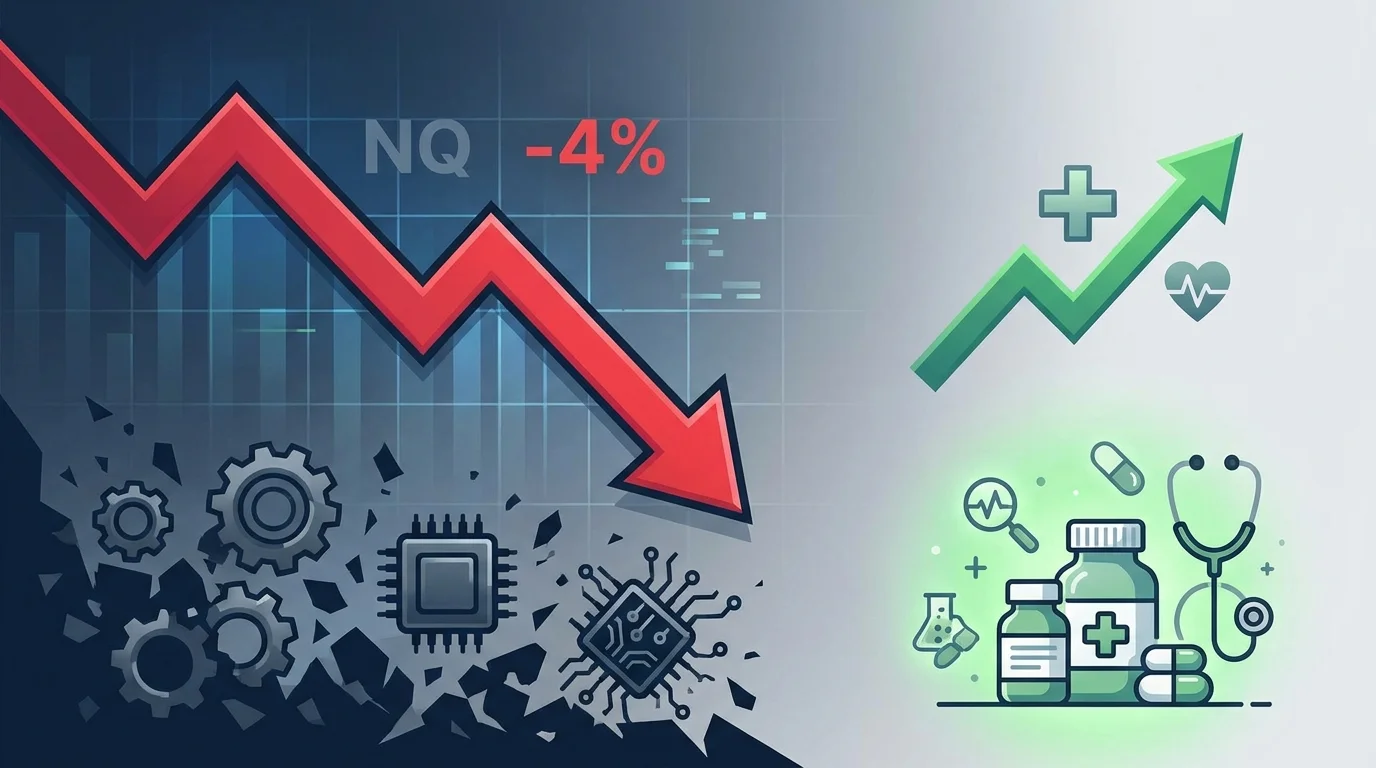
The Nasdaq Composite suffered its worst single-day decline since April 2025, plummeting 4% on June 5, 2026, as a surprisingly strong U.S. jobs report shattered expectations of Federal Reserve interest rate cuts this year. The selloff, which also dragged the S&P 500 down 0.7% and snapped a nine-week winning streak for U.S. equities, reflects a dramatic recalibration of monetary policy expectations that has sent shockwaves through the technology sector and beyond.
According to the CME FedWatch Tool, market participants now see approximately a 50% probability of a Federal Reserve rate hike at the October meeting, up dramatically from just 34% before the jobs data release. Some interest rate futures markets are even pricing in expectations for a quarter-percentage-point rate increase by December 2026, marking a stunning reversal from the multiple rate cuts investors had anticipated at the start of the year.
The tech-heavy Nasdaq's decline was exacerbated by disappointing guidance from semiconductor giant Broadcom, which failed to raise its AI chip revenue forecast despite reporting 143% year-over-year growth in that segment. The combination of macroeconomic headwinds and sector-specific disappointments created a perfect storm that erased hundreds of billions in market value from America's most innovative companies.
Understanding the Jobs Report Impact
The U.S. Labor Department's May employment report revealed that American employers added approximately 172,000 jobs during the month, marking the third consecutive month of robust job growth and significantly exceeding economist expectations. This sustained strength in the labor market, while positive for workers and the broader economy, has complicated the Federal Reserve's inflation-fighting mission and reduced the likelihood of monetary policy easing.
Federal Reserve Chair Jerome Powell has consistently emphasized that the central bank remains data-dependent, and this latest employment data suggests the economy retains more momentum than previously believed. With unemployment holding near historic lows and wage growth showing resilience, the Fed may feel compelled to maintain restrictive monetary policy for longer than markets had anticipated—or potentially resume rate increases if inflation shows signs of reaccelerating.
Treasury yields surged in response to the shifting rate outlook, with the benchmark 10-year yield climbing to its highest level in months. Higher yields make fixed-income investments more attractive relative to equities, particularly for high-growth technology stocks whose valuations depend heavily on distant future cash flows. This dynamic helps explain why the Nasdaq, home to many of the market's most expensive growth names, experienced disproportionate selling pressure.
Broadcom's AI Disappointment Ripples Through Chip Sector
Semiconductor stocks were at the epicenter of the tech selloff, with Broadcom shares plunging more than 14% after the company reported quarterly results that failed to meet sky-high expectations for its artificial intelligence chip business. Despite posting impressive 143% year-over-year growth in AI semiconductor revenue, CEO Hock Tan's decision not to raise the company's 2026 AI revenue guidance triggered a wave of selling that spread throughout the chip sector.
Broadcom's guidance for $16 billion in AI chip revenue for 2026 fell short of analyst estimates calling for approximately $17.2 billion, representing a meaningful miss in a market that had come to expect continuous upward revisions from AI beneficiaries. The disappointment was particularly acute given that hyperscale customers like Google and Meta continue to invest heavily in AI infrastructure, suggesting that either competition is intensifying or deployment timelines are extending.
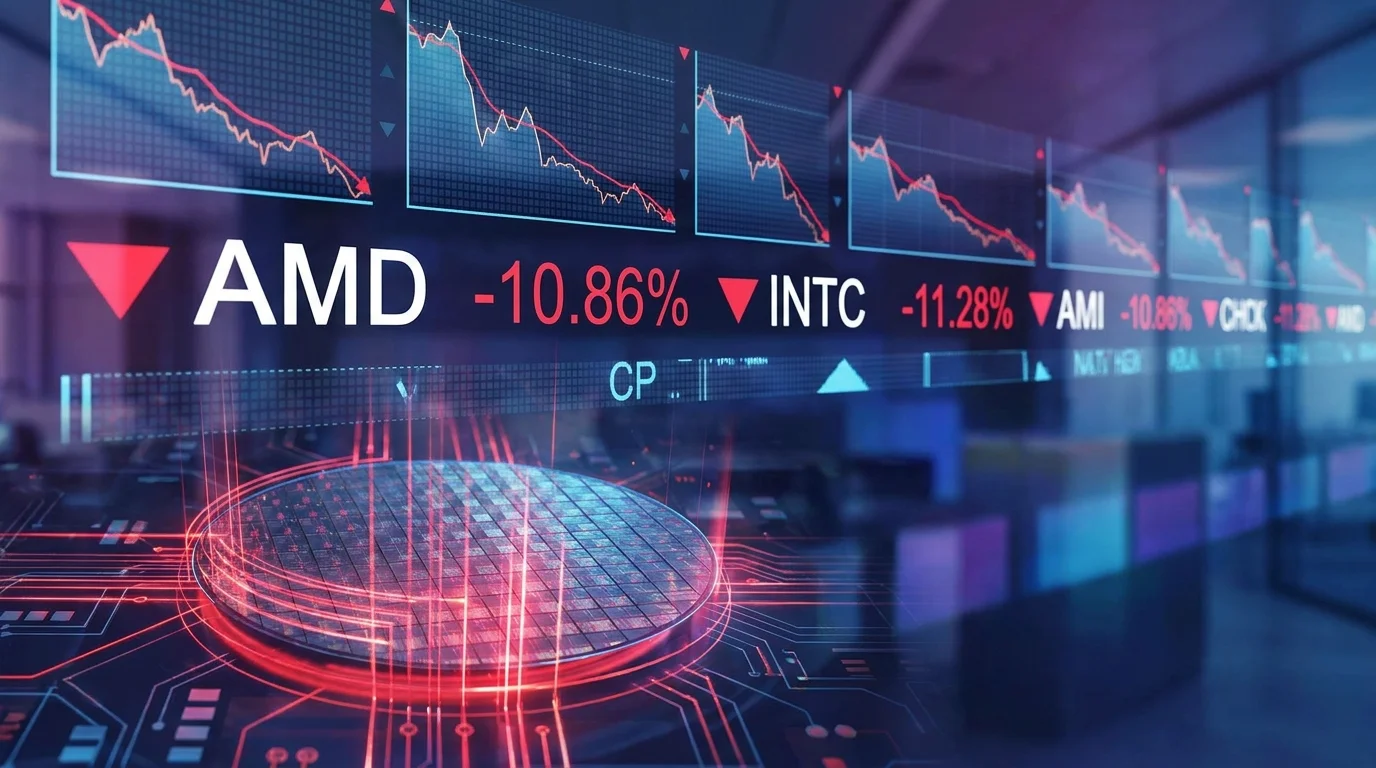
The damage wasn't confined to Broadcom alone. Shares of Advanced Micro Devices, Intel, and Micron Technology all declined as investors reassessed valuations across the semiconductor space. After a remarkable nine-week rally that had seen chip stocks deliver some of the market's strongest performance, the sector faced a long-overdue reality check as traders confronted the possibility that AI revenue growth, while still robust, may not meet the most optimistic projections.
Analysts at multiple Wall Street firms have begun recalibrating their semiconductor forecasts, with some reducing price targets while maintaining longer-term optimism about AI-driven demand. The fundamental thesis for chip stocks remains intact—AI represents a transformative technology that will require massive computational resources—but near-term expectations may have gotten ahead of fundamentals, creating vulnerability to any signs of disappointment.
Looking for opportunities in the semiconductor space? Our AI-powered stock screener can help you identify chip stocks with strong fundamentals trading at attractive valuations after the recent selloff.

Healthcare Emerges as Safe Haven
While technology stocks crumbled under the weight of rising rate expectations, the healthcare sector emerged as a surprising bright spot in an otherwise gloomy trading session. UnitedHealth Group led the charge, with shares surging more than 5% after Bank of America analysts upgraded the insurance giant to a "buy" rating and raised their price target to $450 from $420.
The upgrade reflected growing optimism about improving medical cost trends that had previously weighed on managed care stocks. UnitedHealth's strong showing provided a tailwind for the entire healthcare sector, lifting shares of competitors including Humana and CVS Health while helping push the Dow Jones Industrial Average to a fresh all-time high despite the broader market weakness.
Multiple Wall Street firms followed Bank of America's lead in raising their UnitedHealth price targets, with JPMorgan increasing their target to $466 and Mizuho boosting theirs to $460. Analysts cited favorable second-quarter earnings positioning and expectations that medical cost pressures, which had plagued the industry earlier this year, are beginning to normalize.
The rotation into healthcare illustrates the defensive characteristics that investors seek during periods of macroeconomic uncertainty. Unlike technology companies whose valuations depend heavily on long-duration cash flows, healthcare insurers generate more predictable earnings streams that are less sensitive to interest rate fluctuations. As the Fed's policy path becomes more uncertain, this stability becomes increasingly attractive to risk-averse investors.
Bond Market Signals Growing Rate Hike Anxiety
Fixed-income markets delivered a clear message about shifting monetary policy expectations, with Treasury yields climbing sharply across the curve as traders digested the implications of sustained labor market strength. The yield on the 10-year Treasury note rose to its highest level in months, while shorter-dated yields increased even more dramatically as investors repriced the near-term policy outlook.
The yield curve, which had been steepening on expectations of Fed easing, flattened somewhat as traders adjusted their forecasts. This dynamic reflects growing conviction that the central bank may need to raise rates further to ensure inflation returns sustainably to its 2% target, rather than cutting rates to support economic growth as had been widely anticipated.
Corporate bond spreads widened modestly as credit markets absorbed the equity volatility, though issuance calendars remain active as companies seek to lock in financing before potential rate increases materialize. High-yield bonds underperformed investment-grade issues, consistent with a risk-off sentiment that favors quality over speculative positions.
For income-focused investors, the prospect of higher rates presents both challenges and opportunities. Existing bond holdings face mark-to-market losses as yields rise, but reinvestment rates improve for those with shorter-duration portfolios or significant cash positions. Active management becomes increasingly important in this environment, as security selection and duration positioning can meaningfully impact returns.
Global Market Reaction and Currency Impacts
The market turbulence wasn't confined to U.S. shores, with European and Asian equity indices declining as the prospect of higher U.S. interest rates reverberated through global financial markets. The dollar strengthened against most major currencies as interest rate differentials widened in America's favor, creating additional headwinds for multinational companies that generate significant overseas revenue.
The Japanese yen fell to its lowest level against the dollar in decades, briefly touching above 160 yen per dollar despite record intervention by the Bank of Japan earlier in the year. This persistent weakness reflects the divergent monetary policy paths of the Federal Reserve and Bank of Japan, with the latter maintaining negative interest rates while the former considers additional tightening.
Emerging market currencies and assets faced particular pressure as the combination of a stronger dollar and higher U.S. yields made dollar-denominated debt more expensive to service and reduced the relative attractiveness of developing market investments. Countries with significant external financing needs or current account deficits saw their assets sell off more sharply than those with stronger fundamental positions.
Commodity markets delivered mixed signals, with oil prices retreating from recent highs despite ongoing geopolitical tensions and production restraint by OPEC+ members. Gold, typically a beneficiary of safe-haven flows, declined as rising real yields increased the opportunity cost of holding non-yielding assets. Bitcoin dropped below $60,000, continuing its recent correlation with risk assets rather than serving as a hedge against market volatility.
What Investors Should Watch Next
With Federal Reserve policy expectations in flux, several key data releases and events will likely drive market direction in the coming weeks. The Consumer Price Index report due later this month takes on heightened importance as the Fed evaluates whether inflation is truly contained or merely experiencing a temporary lull. Core CPI running above 3% would likely cement expectations for rate increases, while a meaningful deceleration could revive hopes for eventual easing.
Federal Reserve officials have numerous speaking engagements scheduled before the next policy meeting, and markets will parse every statement for clues about the committee's evolving thinking. Chair Powell's testimony before Congress typically attracts significant attention, as do the individual speeches of regional bank presidents who may offer diverse perspectives on the appropriate policy path.
Corporate earnings season begins in earnest next month, and guidance from major companies will provide crucial insight into how businesses are navigating the current economic environment. Technology companies in particular face high expectations following the AI investment boom, and any signs of slowing demand or margin pressure could extend the sector's recent underperformance.
International developments also warrant close attention, including the European Central Bank's policy deliberations and ongoing geopolitical tensions that could impact energy markets and global supply chains. The interaction between monetary policy, economic growth, and corporate profitability remains complex, creating both risks and opportunities for agile investors.
Ready to navigate these volatile markets with confidence? Our AI-powered stock picker analyzes thousands of data points to identify the best opportunities in any market environment.

Sector Rotation Strategies for Rising Rate Environment
The dramatic divergence between technology and healthcare performance highlights the importance of sector rotation in the current market environment. As interest rate expectations shift, investors may need to reconsider portfolio positioning to emphasize sectors that historically perform well during periods of Fed tightening or elevated rate volatility.
Financial stocks, particularly banks and insurance companies, typically benefit from higher interest rates through improved net interest margins and better investment returns on fixed-income portfolios. The recent selloff in tech stocks coincided with relative strength in financials, suggesting the market may be anticipating a more favorable operating environment for lenders if the Fed resumes rate increases.
Consumer staples and utilities, while not immune to market volatility, offer defensive characteristics that can help buffer portfolios during risk-off periods. These sectors tend to generate stable cash flows regardless of economic conditions, making them attractive when investors grow concerned about recession risks or market drawdowns.
Energy companies continue to generate substantial free cash flow at current commodity prices, and many have adopted more disciplined capital allocation policies that prioritize shareholder returns over growth investments. While oil prices have retreated from recent highs, the sector's valuation multiples remain attractive relative to historical averages and other market segments.
For investors seeking exposure to technology's long-term growth potential while managing near-term volatility, focusing on profitable companies with reasonable valuations may prove more rewarding than chasing the most speculative names. The AI revolution remains in its early stages, but not every company will capture value from this transformation, and stock selection will likely matter more than sector allocation in the years ahead.
Conclusion
The June 2026 market selloff serves as a powerful reminder that even the strongest bull markets experience periodic corrections, and that macroeconomic fundamentals ultimately drive long-term investment returns. While the technology sector's 4% decline in a single session was painful for shareholders, it also creates potential opportunities for patient investors willing to look beyond the near-term volatility.
The Federal Reserve's path forward remains uncertain, with markets now pricing in meaningful odds of rate hikes rather than the cuts that seemed inevitable just weeks ago. This uncertainty will likely keep volatility elevated in the coming months, particularly for interest-rate-sensitive sectors like technology and real estate. However, periods of market stress have historically provided excellent entry points for long-term investors with properly diversified portfolios.
Rather than attempting to time the market's short-term movements, investors should focus on building resilient portfolios that can weather various economic scenarios while maintaining exposure to the secular growth trends that will drive returns over the next decade. This means maintaining appropriate diversification across sectors and asset classes, emphasizing quality companies with strong balance sheets, and resisting the urge to make emotional decisions during periods of market turbulence.
The AI revolution, demographic shifts in healthcare demand, and the ongoing energy transition represent multi-year investment themes that will create winners and losers regardless of near-term interest rate fluctuations. By focusing on these structural trends while managing risk through thoughtful portfolio construction, investors can navigate the current volatility while positioning for long-term success.
Ready to take control of your investment strategy? Sign up for Intellectia.AI today and access professional-grade AI tools that help you identify opportunities, manage risk, and build wealth in any market environment. Our platform combines cutting-edge artificial intelligence with institutional-quality data to deliver insights that were once available only to Wall Street's largest firms.
Get Started with Intellectia.AI and join thousands of investors who are already using AI to gain an edge in today's complex markets. Your future self will thank you.