

Key Takeaway
The 2026 Iran war has triggered the most severe oil supply disruption in modern history, with Brent crude surging from $70 to over $97 per barrel and U.S. West Texas Intermediate climbing nearly 50% above pre-war levels. The closure of the Strait of Hormuz has eliminated roughly 20% of global petroleum exports, creating a structural supply deficit that analysts expect to persist through 2026 and into 2027. For investors, this represents both a significant portfolio risk and a rare opportunity to capitalize on elevated energy prices through strategic positioning in quality oil and gas stocks.
The market reaction has been swift and severe. The Dow Jones Industrial Average plunged over 900 points on June 10th as investors grappled with renewed inflation fears and the prospect of prolonged military conflict. Technology stocks, which had driven much of the market's gains in recent years, have been particularly hard hit as traders rotate into defensive sectors. Meanwhile, energy stocks have emerged as the clear winners, with integrated supermajors like ExxonMobil and Chevron posting double-digit gains while the broader market struggles.
What makes this oil shock different from previous supply disruptions is its duration and structural nature. Unlike temporary outages caused by hurricanes or short-lived geopolitical flare-ups, the Strait of Hormuz closure has persisted for over 100 days, forcing a fundamental repricing of oil risk premiums. Analysts now forecast Brent crude to hold in the $90-$100 range even if the strait reopens, as the market prices in permanent changes to Middle East supply security and the elevated cost of alternative shipping routes.
Understanding the 2026 Strait of Hormuz Crisis
The current crisis represents the culmination of years of escalating tensions between Iran, the United States, and Israel. What began as a regional conflict has now disrupted global energy markets in ways that will reshape investment strategies for years to come. Understanding the mechanics of this disruption is essential for investors seeking to navigate the new market reality.
The World's Most Critical Oil Chokepoint
The Strait of Hormuz handles approximately 21 million barrels of oil equivalent per day, representing roughly one-fifth of global petroleum consumption. When Iran closed the strait in response to U.S. military strikes, it eliminated the primary export route for Persian Gulf producers including Saudi Arabia, Kuwait, Iraq, and the United Arab Emirates. The immediate impact was a supply shock of unprecedented magnitude, far exceeding the disruptions seen during the 1973 oil embargo or the 1990 Gulf War.
The closure has forced producers to seek alternative export routes, but these options are limited and expensive. Saudi Arabia has redirected some shipments through the Red Sea via the East-West Pipeline, while the UAE has utilized the Abu Dhabi Crude Oil Pipeline to bypass the strait entirely. However, these alternatives combined can handle only a fraction of the normal Hormuz volumes, leaving millions of barrels per day stranded in storage or shut in at the wellhead.
Global Economic Ripple Effects
The oil price surge has transmitted quickly throughout the global economy, driving inflation to three-year highs and forcing central banks to reconsider their monetary policy trajectories. The Federal Reserve, which had been signaling potential rate cuts earlier in the year, now faces the prospect of persistent inflation driven by energy costs. Transportation, manufacturing, and agricultural sectors have all felt the impact of higher fuel costs, with many companies warning of compressed margins and potential price increases for consumers.
China has emerged as an unexpected stabilizing force, releasing strategic petroleum reserves and increasing purchases of discounted Russian crude to cushion the global market. However, analysts caution that Chinese storage capacity is not infinite, and the country's ability to absorb supply disruptions has its limits. When Chinese buffering reaches its ceiling, oil prices could spike dramatically higher as the full extent of the supply deficit becomes apparent.
Top Energy Stocks to Buy in 2026
While the oil shock has created headwinds for the broader market, it has presented a tailwind for energy companies with production exposure, refining capacity, and strong balance sheets. Quality energy stocks offer investors a hedge against inflation while providing attractive dividend yields and potential capital appreciation as the sector rerates higher.
ExxonMobil: The Integrated Supermajor
ExxonMobil stands out as the premier large-cap energy investment for the current environment. The company's acquisition of Pioneer Natural Resources in 2024 has transformed it into the largest producer in the Permian Basin, providing low-cost production exposure that generates massive cash flow at current oil prices. With breakeven costs in the $40s per barrel, Exxon is minting money with crude trading near $100.
The company's integrated business model provides additional advantages during periods of supply disruption. Exxon's refining and chemicals segments benefit from wide crack spreads and elevated product prices, while its upstream operations capture the full value of rising crude prices. This diversification has helped the stock outperform, with shares gaining significantly even as the broader market has declined.
Management has maintained capital discipline despite the windfall, resisting the temptation to chase growth at the expense of returns. Instead, Exxon has prioritized debt reduction, share buybacks, and dividend growth. The company's quarterly dividend, already one of the highest in the S&P 500, appears secure and poised for continued increases as free cash flow expands. For income-focused investors seeking inflation protection, Exxon offers a compelling combination of yield and growth potential.
Chevron: Dividend Aristocrat with Growth Optionality
Chevron has emerged as another standout performer in the 2026 energy rally, with shares up over 22% year-to-date even as technology stocks have faltered. The company's strength lies in its low-cost production base, conservative balance sheet, and disciplined approach to capital allocation. Like Exxon, Chevron has benefited enormously from its acquisition of Hess, which provided premium offshore Guyana assets that generate exceptional returns at current prices.
What distinguishes Chevron is its reputation as one of the safest dividend stocks in the energy sector. The company has maintained or increased its dividend for over three decades, including through the brutal 2014-2016 oil price collapse and the pandemic-driven demand destruction of 2020. This track record provides income investors with confidence that their distributions will continue regardless of short-term commodity price volatility.
Chevron's financial position is rock-solid, with one of the lowest debt-to-capital ratios among the supermajors. This balance sheet strength provides optionality to pursue additional acquisitions, accelerate share repurchases, or weather an extended period of lower prices should the Hormuz crisis resolve. For investors seeking energy exposure with lower risk, Chevron represents an excellent core holding.
ConocoPhillips: Pure-Play Production Powerhouse
ConocoPhillips offers investors pure-play exposure to rising oil prices through its massive resource base in Alaska, the Permian Basin, and the Eagle Ford shale. The company's acquisition of Marathon Oil in 2024 significantly expanded its Lower 48 footprint, providing a inventory of low-cost drilling locations that generate substantial free cash flow at current prices.
Unlike the integrated supermajors, ConocoPhillips focuses exclusively on exploration and production, making it a more direct levered play on commodity prices. This focus has advantages in the current environment, as the company captures the full upside of rising oil prices without the complexity of refining operations that can experience margin compression during certain market conditions.
Management has been aggressive in returning capital to shareholders, with the company consistently returning more than 50% of operating cash flow through dividends and buybacks. At current strip prices, ConocoPhillips is generating free cash flow yields in excess of 10%, providing substantial capacity to increase returns or accelerate debt reduction. For investors with a higher risk tolerance seeking maximum torque to oil prices, ConocoPhillips is a compelling option.
Energy Sector Outlook and Price Forecasts
The outlook for energy markets remains constructive despite significant uncertainty around the duration of the Hormuz closure and the trajectory of peace negotiations. Professional analysts have steadily raised their price forecasts throughout the crisis, with current consensus estimates calling for Brent crude to average $90.44 per barrel in 2026 and WTI to average $84.63.
Structural Supply Deficits Persist
Even in an optimistic scenario where the Strait of Hormuz reopens in the coming months, the oil market faces structural supply constraints that will support prices for years to come. Years of underinvestment in exploration and production during the 2015-2021 period have left the industry with limited spare capacity to meet growing demand. OPEC has struggled to increase production despite political pressure, with many member countries operating at maximum capacity already.
The Iran war has accelerated the recognition that supply security cannot be taken for granted. Importing nations are accelerating strategic petroleum reserve builds, while consuming companies are pursuing longer-term supply contracts at elevated prices. This shift toward inventory building and supply security represents a structural increase in demand that will persist regardless of the Hormuz situation.
Refining Margins and Downstream Opportunities
The supply disruption has created exceptional opportunities in the refining sector, where crack spreads have widened dramatically due to product shortages. Refiners with access to domestic crude feedstocks, such as Valero Energy and Marathon Petroleum, are capturing historically high margins by processing cheap domestic oil and selling refined products at premiums reflecting global scarcity.
The refining boom has created an unusual dynamic where downstream companies are outperforming upstream producers on a percentage basis. This trend may persist as long as product inventories remain tight, providing a potential opportunity for investors who have focused exclusively on oil producers. Diversified exposure across the energy value chain may provide superior risk-adjusted returns in the current environment.

Want to find the best energy stocks for your portfolio? Our AI-powered stock screener analyzes thousands of data points to identify companies with the strongest fundamentals, lowest costs, and best positioning for rising commodity prices. Start screening for free and discover hidden opportunities in the energy sector before the broader market catches on.
Portfolio Strategies for the Oil Shock Environment
Navigating the current market environment requires a thoughtful approach to asset allocation and sector positioning. The energy rally has already generated significant gains, but the structural nature of the supply disruption suggests that the sector may continue outperforming even from current levels.
Rebalancing into Energy
Investors who have maintained underweight positions in energy should consider rebalancing to at least market weight, if not a modest overweight. The sector currently represents approximately 4% of the S&P 500, down from over 15% in the early 2000s. A modest overweight to 7-10% would still leave portfolios underexposed relative to historical norms while providing meaningful inflation protection.
The rebalancing approach should emphasize quality over speculation. While small-cap exploration companies may offer greater torque to oil prices, they also carry higher risk of financial distress if prices decline or the Hormuz crisis resolves more quickly than expected. Large-cap integrated companies with strong balance sheets and diversified operations provide a more prudent core holding for most investors.
Dividend Growth and Income Strategies
The energy sector has transformed from a growth story to an income play, with many companies now offering dividend yields in excess of 3-4%. For income-focused investors, the combination of attractive current yields and potential dividend growth provides a compelling alternative to traditional fixed income investments that have been hammered by rising interest rates.
Dividend growth investors should focus on companies with track records of maintaining distributions through commodity cycles. Chevron and ExxonMobil have both demonstrated this resilience, while midstream companies like Enterprise Products Partners offer even higher yields with contracted cash flows that provide additional stability. Building a diversified basket of energy income stocks can generate substantial cash flow while providing inflation protection.
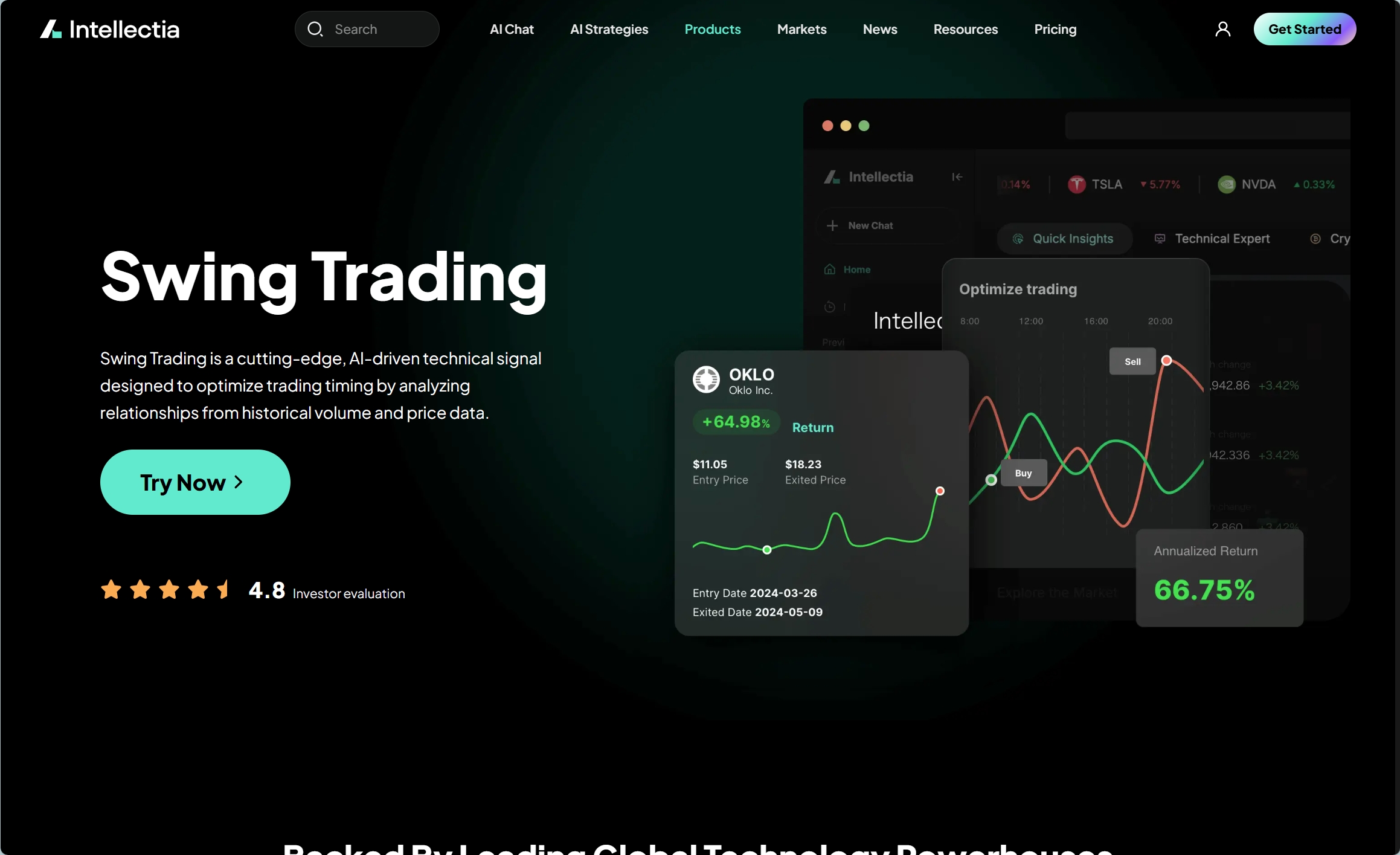
Looking to capitalize on energy sector volatility? Our swing trading tools help identify optimal entry and exit points for energy stocks, using technical analysis and momentum indicators to time your trades. Whether you're looking to add to existing positions or trade the range in oil prices, our platform provides the insights you need to trade with confidence.
Risks and Considerations
While the energy sector offers compelling opportunities, investors must remain cognizant of the risks inherent in commodity markets and geopolitical investing. The Iran war could resolve more quickly than expected, or global economic weakness could depress oil demand even as supply remains constrained.
Geopolitical Resolution Risk
The most significant near-term risk to energy investors is a negotiated settlement to the Iran conflict that results in the Strait of Hormuz reopening. While analysts expect prices to remain elevated even in this scenario, a sudden influx of Iranian crude and the elimination of supply risk premiums could trigger a sharp correction in oil prices and energy stocks.
Investors should size their positions appropriately for this risk, avoiding excessive concentration in the sector and maintaining diversified exposure across asset classes. While energy stocks offer attractive risk-reward at current prices, the sector should not dominate a well-constructed portfolio.
Demand Destruction Concerns
Sustained oil prices above $100 per barrel have historically triggered demand destruction as consumers reduce driving, airlines cut routes, and industrial users seek alternatives. While the current economic expansion has remained resilient despite higher prices, there is a level at which demand destruction becomes unavoidable.
The rise of electric vehicles and renewable energy has also made the demand picture more uncertain than in previous oil shocks. While the transition away from fossil fuels will take decades, each year brings additional alternatives that reduce oil intensity in the global economy. Long-term energy investors must balance the near-term supply disruption opportunity against these structural demand headwinds.
Conclusion
The 2026 Iran oil shock has created a generational opportunity for investors willing to look past the headlines and position themselves for a prolonged period of elevated energy prices. With the Strait of Hormuz closure persisting for over 100 days and Brent crude holding above $97 per barrel, the market has repriced oil risk in ways that will benefit quality energy companies for years to come.
ExxonMobil and Chevron stand out as the premier large-cap investments for this environment, offering low-cost production exposure, fortress balance sheets, and growing dividend streams that provide inflation protection. For investors seeking higher torque to commodity prices, ConocoPhillips offers pure-play production exposure with exceptional cash flow generation at current prices.
The key to success in this environment is maintaining a long-term perspective and avoiding the temptation to trade around short-term volatility. The structural supply deficits created by years of underinvestment and the current Hormuz closure will not resolve quickly, providing a supportive backdrop for energy investments even if geopolitical tensions eventually ease.
Ready to build your energy portfolio? Sign up for Intellectia today and get access to our AI-powered stock analysis tools, real-time market data, and expert research on the best opportunities in the energy sector. Whether you're looking for dividend-paying blue chips or high-growth exploration plays, our platform provides the insights you need to invest with confidence in the 2026 oil shock environment.

Don't let the oil shock catch your portfolio off guard. Our AI Stock Picker analyzes thousands of stocks to identify the best energy investments for the current market environment. From integrated supermajors to nimble independents, we rank every company by financial strength, valuation, and momentum to help you make smarter investment decisions. Start your free trial today and discover why thousands of investors trust Intellectia for their most important financial decisions.