
Key Takeaway
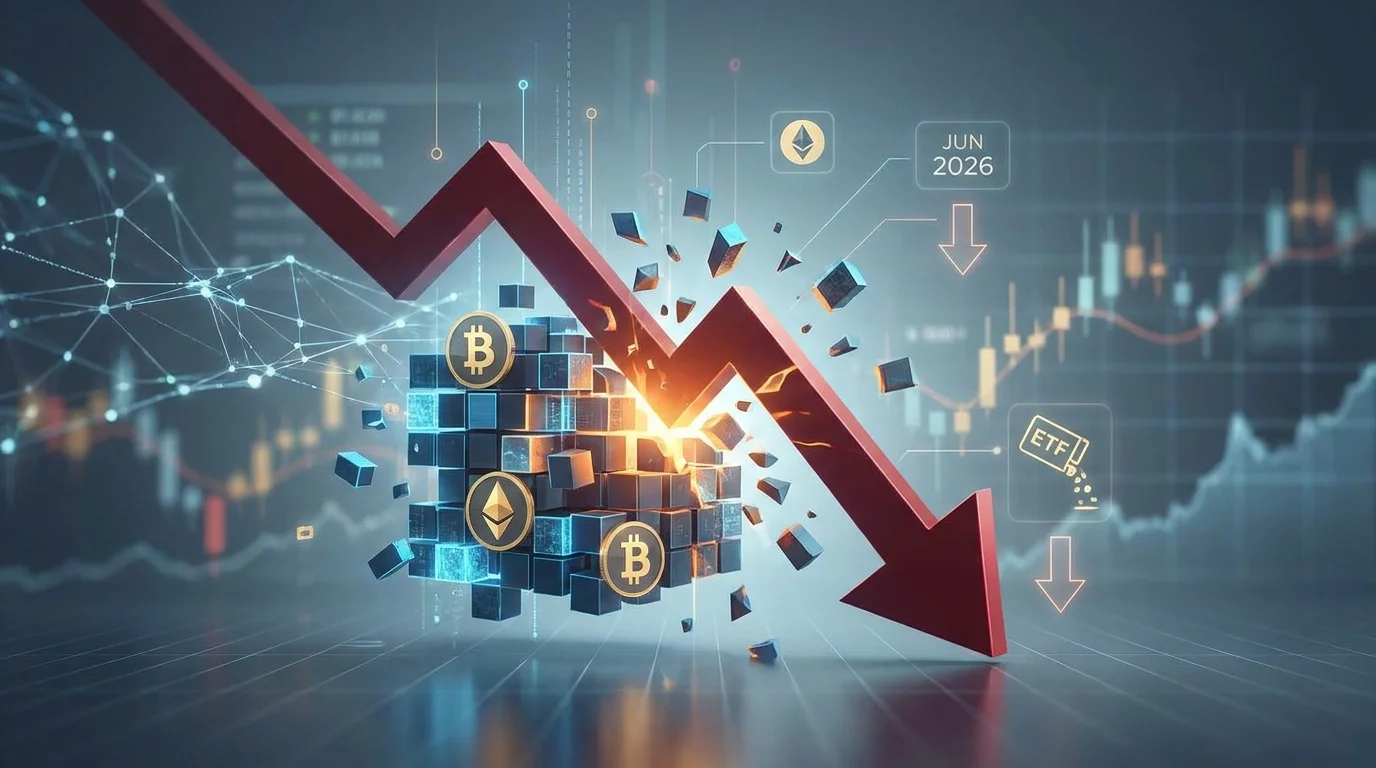
Financial markets experienced dramatic volatility this week as conflicting signals from the White House created a whipsaw effect across asset classes. President Trump's announcement that the U.S. would postpone strikes on Iranian energy infrastructure triggered a sharp relief rally in equities while sending oil prices tumbling over 13% in a single trading session. The S&P 500 climbed 1.1% as Brent crude fell from elevated levels above $110 to around $101 per barrel, demonstrating how sensitive global markets remain to geopolitical developments in the Middle East.
Despite the apparent de-escalation, significant uncertainty persists as Iranian officials have publicly disputed Trump's claims of "productive conversations" between the two nations. This disconnect between diplomatic rhetoric and ground realities creates a challenging environment for investors attempting to price in geopolitical risk. The rapid price movements underscore a fundamental truth: in an interconnected global economy, military conflicts thousands of miles away can instantly reshape portfolio valuations across every asset class.
Against this volatile backdrop, major financial institutions are recalibrating their market outlooks. Barclays made a bold statement on Tuesday by raising its year-end S&P 500 target to 7,650 from 7,400, representing more than 16% upside potential from current levels. This upgrade came despite acknowledging heightened macro fragility from the Iran conflict, persistent inflation concerns, and the Federal Reserve's increasingly hawkish stance signaling just one rate cut for 2026.

Stay ahead of market-moving events with real-time alerts and AI-powered analysis. Our platform helps you track geopolitical developments and their impact on your portfolio before the broader market reacts.
The Iran Conflict: From Escalation to Uncertain De-escalation
Weekend Threats Shake Global Markets
The crisis began over the weekend when President Trump issued an ultimatum threatening to strike Iranian power plants unless Tehran opened the Strait of Hormuz, through which approximately 20% of global oil shipments pass. This aggressive posture immediately rattled energy markets, with crude oil prices spiking above $110 per barrel as traders priced in potential supply disruptions from one of the world's most critical maritime chokepoints. The threat carried particular weight given Iran's history of mining the strait during previous conflicts and the limited alternative routes for Gulf oil exports.
The initial market reaction was severe and widespread. Energy stocks surged while airline shares and transportation companies faced immediate pressure from the prospect of sustained higher fuel costs. Treasury yields climbed as investors reduced their exposure to risk assets, and safe-haven flows pushed gold prices higher. The VIX volatility index spiked, reflecting the market's anxiety about potential military action that could escalate into a broader regional conflict with implications far beyond energy markets.
The 7:05 AM Tweet That Changed Everything
Monday morning brought a dramatic reversal that exemplifies the challenges of trading in an era of policy-by-social-media. At precisely 7:05 AM Eastern Time, President Trump posted on Truth Social announcing that he had ordered a halt on strikes against Iranian energy infrastructure following what he characterized as "productive" and "constructive" discussions about ending the conflict. The post claimed that both sides were interested in reaching a negotiated settlement, fundamentally shifting the market narrative from impending military action to potential diplomatic resolution.
The market response was instantaneous and violent. Oil prices plunged over 13% within minutes of the announcement, with Brent crude retreating to around $101 per barrel. Treasury yields tumbled as the flight-to-safety trade unwound, and stock futures rocketed higher. By the opening bell, major indexes were positioned for significant gains as traders repositioned for a reduced geopolitical risk premium. The S&P 500 opened sharply higher and maintained those gains throughout the session, closing up 1.1% on the day.
The speed and magnitude of these moves highlight how algorithmic trading systems and high-frequency market participants can amplify price swings when unexpected news hits the wires. For individual investors, these flash movements serve as a reminder of the importance of maintaining long-term perspective rather than reacting to intraday volatility driven by social media posts.
Iran's Denial and Lingering Uncertainty
Complicating the bullish narrative, Iranian officials swiftly disputed Trump's claims of ongoing talks. The FARS news agency, which has close ties to Iran's Revolutionary Guard, reported that there had been no direct or indirect contact between Tehran and Washington. This contradiction between American and Iranian official statements left markets in a state of uncertainty, with the relief rally partially holding despite the conflicting reports.
The disconnect raises critical questions about the actual state of diplomatic relations and whether Trump's announcement represents genuine progress toward de-escalation or a tactical maneuver designed to manage market expectations. Historical precedents suggest caution: similar conflicting narratives have emerged during previous periods of U.S.-Iran tensions, often resulting in continued volatility as investors struggle to determine which version of events more accurately reflects reality.
For market participants, the key takeaway is that geopolitical risk premiums may have compressed too quickly given the unresolved nature of the underlying conflict. While the immediate threat of strikes on energy infrastructure appears diminished, the broader tensions between the U.S. and Iran remain acute. Any subsequent escalation could reignite the volatility seen over the weekend, making risk management essential for portfolios with significant exposure to energy prices or Middle Eastern assets.
Oil Market Dynamics: Supply Risks and Price Volatility
The Strait of Hormuz as a Market Flashpoint
The Strait of Hormuz represents one of the most significant geopolitical chokepoints in global energy markets. Approximately 21 million barrels of oil pass through this narrow waterway daily, representing roughly 20% of global petroleum consumption. Any disruption to this flow would have immediate and severe implications for global energy prices, making the strait a persistent source of market anxiety whenever tensions escalate in the Persian Gulf region.
Iran's strategic position along the strait gives it unique leverage in any confrontation with Western powers. The country's missile capabilities and naval forces could potentially threaten shipping lanes, while its history of using asymmetric tactics—including mines and small boat attacks—creates uncertainty about the form any disruption might take. This combination of high stakes and unpredictable execution means that even threats of action can move markets significantly, as investors price in tail risks that could disrupt global supply chains.
Beyond the immediate supply implications, Hormuz-related risks carry broader economic consequences. Sustained higher oil prices act as a tax on consumption, reducing disposable income in importing nations and potentially slowing global growth. Central banks face difficult trade-offs between addressing inflationary pressures from energy costs and supporting economic activity, complicating monetary policy decisions at a time when many economies are already navigating fragile recoveries.
Price Action and Market Structure
The oil market's response to the Iran developments revealed important characteristics about current supply and demand dynamics. The sharp price decline following Trump's announcement suggests that much of the weekend's risk premium was driven by speculative positioning rather than fundamental supply disruptions. With no actual barrels removed from the market, the rapid retreat indicates that traders had built in significant hedges against military action that were quickly unwound.
Brent crude's fall to approximately $101 per barrel still leaves prices elevated compared to early 2026 levels, reflecting ongoing concerns about tight global supply and the potential for renewed escalation. The market structure remains in backwardation, with near-term contracts trading at premiums to longer-dated futures, indicating that traders expect supply constraints to persist even as immediate geopolitical fears subside.
Energy sector equities tell a related but distinct story. While oil prices retreated, energy stocks maintained much of their weekend gains, suggesting that investors see the de-escalation as reducing downside risks for producers without completely eliminating the upside from still-elevated commodity prices. This resilience reflects the fundamental improvement in energy company balance sheets over recent years and the sector's enhanced ability to generate returns across a range of oil price environments.
Long-Term Supply Implications
Beyond the immediate price action, the Iran crisis highlights persistent challenges in global energy security. Years of underinvestment in exploration and production capacity have left the market with limited spare capacity to absorb disruptions, making prices more sensitive to geopolitical shocks than during periods of surplus. OPEC+ production cuts have further tightened supply, while demand continues to grow, particularly in emerging markets.
The episode serves as a reminder that the energy transition, while underway, remains incomplete. Oil continues to play a critical role in global transportation, petrochemicals, and heating, meaning that supply disruptions carry significant economic consequences. Investors with long time horizons must weigh the secular shift toward renewable energy against the reality that hydrocarbons will remain economically important for years to come, with geopolitical risks persisting throughout the transition period.
Navigate volatile energy markets with confidence. Our AI-powered tools identify optimal entry and exit points for energy sector trades, helping you capitalize on geopolitical volatility while managing downside risk.
Wall Street's Bullish Bet: Barclays Raises S&P 500 Target
A Contrarian Call Amid Geopolitical Turmoil
In a striking display of optimism, Barclays strategist Venu Krishna upgraded the firm's year-end S&P 500 target to 7,650 on Tuesday, just hours after markets digested the Iran de-escalation news. The new forecast represents a 3.4% increase from their previous target of 7,400 and implies substantial upside from Monday's closing levels. Perhaps more remarkably, this bullish revision came despite Barclays explicitly acknowledging that the macro backdrop has become "more fragile" due to Middle East tensions and inflation concerns.
The upgrade rests on stronger earnings expectations that Krishna believes will outweigh rising macro risks. Corporate America has demonstrated remarkable resilience through multiple challenges over the past several years, and Barclays sees this trend continuing even as geopolitical uncertainties mount. The strategist's confidence suggests a view that company fundamentals—driven by productivity gains, operational efficiency, and technological innovation—can deliver earnings growth sufficient to support higher valuations despite external headwinds.
This bullish stance represents a contrarian position at a time when many investors are fretting about elevated valuations, geopolitical risks, and the prospect of persistently higher interest rates. By explicitly choosing to focus on earnings momentum rather than macro fears, Barclays is making a statement about the primacy of corporate fundamentals in driving long-term equity returns. For investors, this framework suggests that stock selection based on company-specific factors may be more important than top-down macro positioning in the current environment.
The Math Behind the 7,650 Target
Barclays' upgraded target implies more than 16% upside from Monday's closing prices, a bold call at a time when the S&P 500 has already experienced significant volatility in 2026. The forecast assumes that current earnings estimates are too conservative and that companies will beat expectations throughout the year, driving multiple expansion as investors gain confidence in the sustainability of profit growth.
However, the firm also provided a bear-case scenario with a target of 5,900, highlighting the wide distribution of potential outcomes. This dual-target approach acknowledges that while the base case is bullish, significant downside risks remain. A protracted conflict in the Middle East, persistent inflation forcing the Federal Reserve into more aggressive tightening, or a hard landing in the global economy could all push markets toward the lower bound of Barclays' forecast range.
The spread between bull and bear cases—approximately 1,750 S&P 500 points—reflects genuine uncertainty about the path ahead. Investors must weigh the probability of each scenario and position their portfolios accordingly. For those inclined toward Barclays' optimistic view, the current market dip may represent a buying opportunity. For more cautious investors, the wide range of outcomes suggests maintaining defensive positioning until greater clarity emerges on geopolitical and monetary policy fronts.
Risks to the Bullish Thesis
While Barclays' upgrade captured headlines, the firm's report also detailed significant risks that could derail their optimistic forecast. Chief among these is the escalating conflict in the Middle East, which Barclays notes has already contributed to market volatility and could further pressure equities if it intensifies. The potential for oil price spikes affecting consumer spending and corporate margins remains a live concern, particularly given the Fed's focus on inflation.
Private credit markets represent another area of vulnerability highlighted by Barclays. The rapid growth of private lending over the past several years has created potential systemic risks that could materialize if economic conditions deteriorate. A wave of defaults or refinancing difficulties in this opaque corner of the financial system could trigger broader risk-off sentiment and equity market declines.
Finally, the path of Federal Reserve policy remains highly uncertain. While markets have priced in limited rate cuts for 2026, upside surprises in inflation or downside surprises in economic growth could force the Fed into more hawkish or dovish stances than currently anticipated. Either scenario could pressure equity valuations, underscoring the importance of the central bank's communications for market performance in the months ahead.
Federal Reserve Policy: Navigating Uncertain Waters
The Hawkish Pivot
The Federal Reserve's recent communications have significantly recalibrated market expectations for monetary policy in 2026. Following their latest policy meeting, Fed officials signaled just one interest rate cut for the year, down from earlier expectations of two or more reductions. This hawkish shift reflects persistent concerns about inflation, which has proven more stubborn than policymakers anticipated, and a desire to avoid repeating the premature easing that characterized previous policy cycles.
The reduced expectation for rate cuts has important implications for equity valuations. Lower discount rates support higher price-to-earnings multiples, so a more restrictive path for monetary policy compresses the valuation multiple investors are willing to pay for future earnings. This dynamic has contributed to recent market volatility as participants adjust their models to reflect a higher-for-longer interest rate environment.
For growth stocks and technology companies with cash flows weighted toward the distant future, the impact is particularly pronounced. These businesses are most sensitive to changes in discount rates, explaining why the Nasdaq has experienced more dramatic swings than value-oriented indexes during recent volatility. Investors must now weigh whether expected earnings growth justifies current valuations in a higher rate environment, or whether multiples need to compress further to align with historical norms.
Inflation Dynamics and Policy Constraints
The Fed's cautious stance stems from inflation data that has remained persistently above the central bank's 2% target. While headline inflation has declined from peak levels achieved in 2022, core measures—which exclude volatile food and energy prices—have proven sticky. The energy price volatility triggered by the Iran conflict adds another layer of complexity, as oil price spikes could reignite inflationary pressures even as the Fed attempts to guide price growth lower.
This creates a challenging policy dilemma. If the Iran conflict escalates and drives oil prices sustainably higher, the Fed may face pressure to maintain or even increase restrictive policy to prevent energy inflation from feeding into broader price pressures. Conversely, if geopolitical risks abate and energy prices retreat, the central bank may gain confidence that inflation is on a sustainable path lower, creating room for the rate cuts markets desire.
For investors, the key insight is that Fed policy is data-dependent and subject to significant revision based on evolving economic conditions. Rather than assuming a fixed path for interest rates, portfolio construction should account for multiple scenarios, including the possibility of no cuts, more aggressive cuts, or even renewed tightening if inflation reaccelerates. This uncertainty underscores the value of diversification and active management in the current environment.
Implications for Investor Portfolios
Asset Allocation Considerations
The combination of geopolitical volatility, Fed uncertainty, and divergent Wall Street forecasts creates a challenging environment for asset allocation. Traditional diversification strategies have faced headwinds as correlations between stocks and bonds have increased during periods of market stress, reducing the hedging benefits typically provided by fixed income allocations.
In this context, investors should consider whether their current allocations reflect their risk tolerance and investment horizon. Those with shorter time horizons or lower risk tolerance may wish to increase cash positions or add hedges to protect against potential drawdowns. Longer-term investors might view current volatility as an opportunity to add to equity positions at more attractive valuations, particularly if they align with Barclays' bullish outlook.

Make smarter allocation decisions with AI-driven insights. Our platform analyzes thousands of data points to identify optimal portfolio weights based on your risk profile and market conditions.
Sector Positioning
The Iran conflict highlights the importance of thoughtful sector positioning within equity allocations. Energy stocks have demonstrated resilience during the crisis, benefiting from higher oil prices while maintaining gains even as crude retreated. This suggests that energy sector fundamentals have improved sufficiently to support valuations across a range of commodity price scenarios.
Conversely, sectors with high exposure to consumer discretionary spending or interest rate sensitivity may face headwinds if elevated oil prices persist and the Fed maintains restrictive policy. Investors should evaluate whether their sector allocations appropriately balance growth potential with defensive characteristics, and whether they have sufficient exposure to beneficiaries of current macro trends.
International diversification also warrants attention. The U.S. market has outperformed many global peers in recent years, but valuations have become stretched relative to other developed and emerging markets. A stronger dollar, driven by safe-haven flows during geopolitical crises, can pressure international returns for U.S.-based investors. Careful consideration of currency exposure and regional allocation can help mitigate these risks while maintaining diversification benefits.
Risk Management Essentials
The volatility experienced during the Iran crisis serves as a reminder of the importance of robust risk management practices. Position sizing, stop-loss orders, and portfolio hedges can help limit drawdowns during periods of market stress. However, these tools must be applied thoughtfully to avoid whipsaw losses from normal market fluctuations.
Investors should also review their liquidity needs and ensure they have sufficient cash reserves to avoid forced asset sales during market downturns. The ability to hold positions through volatility is a significant advantage for long-term investors, but it requires planning and discipline to maintain appropriate liquidity buffers.
Finally, tax considerations should inform portfolio decisions. Tax-loss harvesting opportunities may emerge during volatile periods, while the location of assets across taxable and tax-advantaged accounts can significantly impact after-tax returns. Working with qualified professionals to optimize these dimensions of portfolio management can enhance long-term outcomes.
Conclusion
The Iran conflict has delivered a stark reminder of how quickly geopolitical developments can reshape market narratives and asset prices. The whipsaw from weekend escalation fears to Monday's relief rally demonstrates the challenges of trading headline-driven volatility, while the conflicting statements from U.S. and Iranian officials underscore the uncertainty that persists even after apparent de-escalation.
Barclays' decision to raise their S&P 500 target to 7,650 amid this turmoil reflects a fundamental belief in the resilience of corporate earnings and the ability of markets to navigate geopolitical challenges. Whether this optimism proves justified will depend on the actual path of events in the Middle East, the trajectory of Federal Reserve policy, and the broader health of the global economy.
For investors, the key takeaway is the importance of maintaining perspective during volatile periods. Short-term price movements driven by geopolitical headlines can create opportunities for disciplined long-term investors while posing risks for those who react emotionally to market swings. A focus on fundamentals, appropriate diversification, and sound risk management practices remains the most reliable approach to navigating uncertain markets.
As the situation evolves, staying informed through reliable sources and maintaining flexibility in portfolio positioning will be essential. The Iran conflict may resolve peacefully or escalate further—no one can predict with certainty. What investors can control is their preparation for multiple scenarios and their commitment to disciplined execution of their long-term financial plans.
Ready to navigate volatile markets with confidence? Join thousands of investors using our AI-powered platform to identify opportunities, manage risk, and build wealth over time. Sign up today and get your first month free.