

Key Takeaway
The Federal Reserve's June 2026 meeting delivered what markets had anticipated but investors hoped to avoid: a hawkish pause that signals interest rates will remain elevated well into 2027. With the federal funds rate held steady at 3.50%-3.75% for the fourth consecutive meeting, Fed Chair Kevin Warsh's first policy decision sends a clear message that the central bank remains committed to its inflation-fighting mandate despite growing economic uncertainty.
The implications for investors are significant. Markets are now pricing in just one 25-basis-point rate hike by October 2026, with no further movement expected through 2027. This represents a dramatic shift from earlier expectations of multiple cuts, fundamentally altering the investment landscape for equities, bonds, and growth stocks that had been counting on cheaper capital to fuel expansion.
For traders seeking to navigate this higher-for-longer interest rate environment, Alphio AI's agentic trading feature offers automated portfolio management tools that can adapt to shifting monetary policy conditions in real-time.
The Fed's Hawkish Stance: What Changed in June
The Federal Reserve's June 16-17 meeting marked a pivotal moment in monetary policy, not merely for the decision itself but for the subtle yet significant shifts in the central bank's forward guidance. The unanimous 12-0 vote to hold rates steady masked deeper tensions within the FOMC about the appropriate path forward.
Inflation Remains the Primary Concern
Core PCE inflation, the Fed's preferred metric, increased to 3.10% in early 2026, up from 3.0% in December 2025. This upward trajectory, though modest, reinforced the Committee's assessment that inflation remains "somewhat elevated" relative to the 2% target. The persistence of price pressures across multiple sectors has complicated the Fed's calculus, particularly as supply shocks continue to drive increases in energy and other critical inputs.
The FOMC statement explicitly acknowledged these challenges, noting that "inflation remains elevated relative to the Committee's 2 percent goal, in part reflecting supply shocks that have driven price increases in certain sectors, including energy." This language represents a more hawkish tone than previous communications and signals that the Fed is prepared to maintain restrictive policy for an extended period.
The Dot Plot Reveals Higher Expectations
Perhaps the most consequential development from the June meeting was the updated Summary of Economic Projections, commonly known as the "dot plot." Fed officials raised their year-end 2026 rate projections to between 3.6% and 4.1%, up significantly from their previous estimate of 3.25% to 3.75%.
This upward revision reflects a fundamental reassessment of the inflation outlook and the economy's resilience. While officials still expect rates to drift down slightly in 2027 and 2028, they are now predicting a much slower, more cautious descent than previously anticipated. The "longer run" neutral rate remains anchored at 3.0%, reinforcing the collective belief that the era of ultra-low rates that defined the post-2008 period is definitively behind us.
Market Reaction: Stocks, Bonds, and the Dollar
Financial markets responded to the Fed's hawkish messaging with characteristic volatility. The S&P 500, which had been trading near all-time highs, experienced immediate pressure as investors recalibrated their expectations for corporate earnings growth and valuation multiples.
Equity Market Impact
Growth stocks, particularly in the technology sector, faced the most significant headwinds. Companies that had benefited from low borrowing costs to fund expansion and innovation suddenly face a much more challenging capital environment. The S&P 500, trading around 7,350, has shown resilience but remains vulnerable to further downside if earnings expectations begin to deteriorate.
Analyst forecasts for the index through year-end 2026 suggest a trading range between 8,196 and 8,530, with an average forecast near 8,363. This implies potential upside of approximately 12-14% from current levels, though much depends on whether corporate earnings can maintain their growth trajectory in a higher-rate environment.
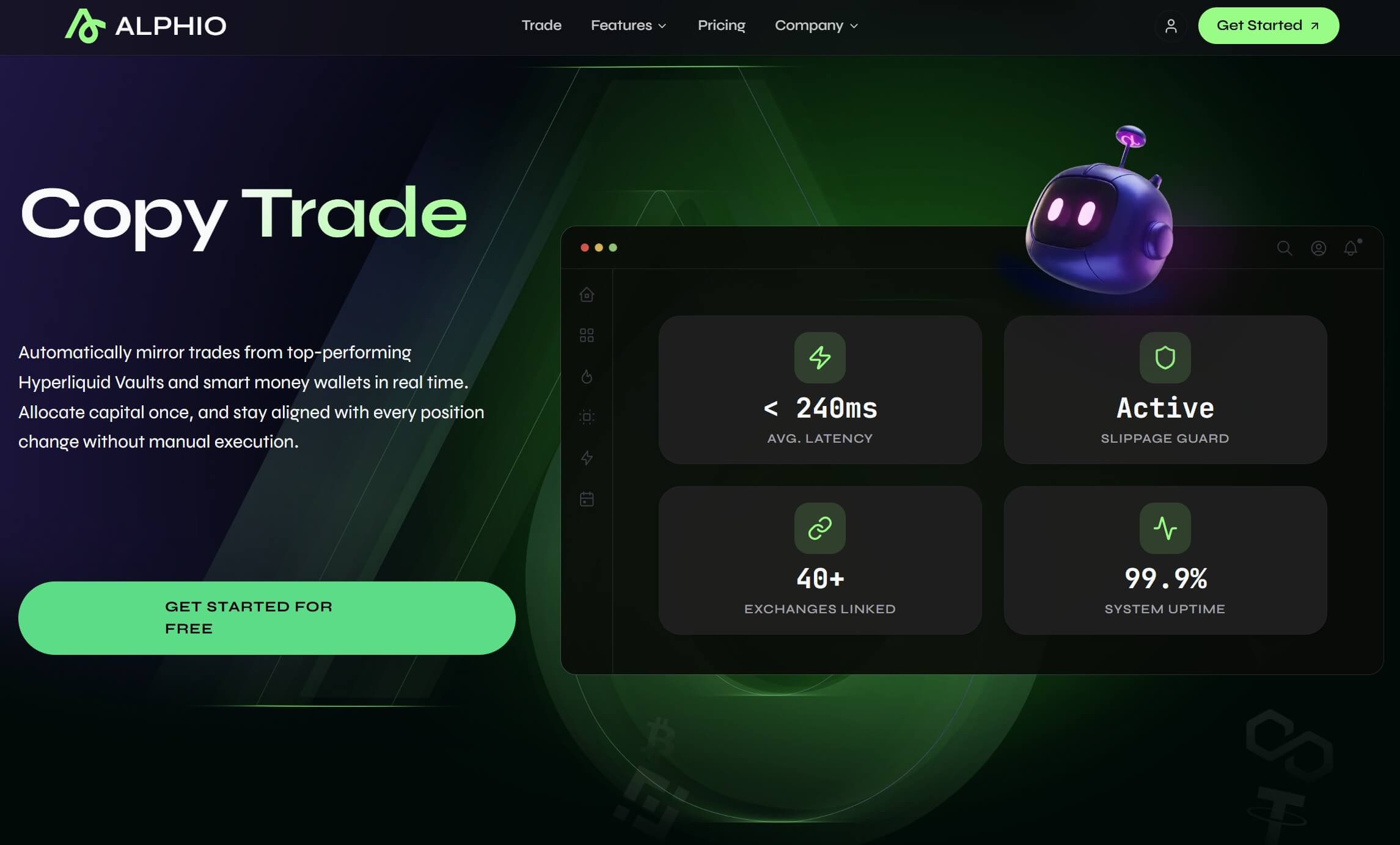
For investors looking to identify opportunities in this complex market, Alphio's copy trading platform allows you to mirror the strategies of successful traders who have navigated similar interest rate cycles.

Bond Market Dynamics
The bond market's reaction was equally telling. The 10-year Treasury yield, which had been drifting lower in anticipation of rate cuts, reversed course as traders absorbed the Fed's higher-for-longer messaging. This repricing has significant implications for mortgage rates, corporate borrowing costs, and the relative attractiveness of fixed-income investments versus equities.
Currency and International Effects
The dollar strengthened against major currencies as the interest rate differential between the U.S. and other developed economies widened. This dynamic creates headwinds for multinational corporations with significant overseas revenue and adds complexity to the investment calculus for international investors.
Sector Winners and Losers in a Higher Rate Environment
The Fed's decision to maintain elevated rates creates clear winners and losers across the economic landscape. Understanding these dynamics is crucial for portfolio positioning in the second half of 2026.
Winners: Financials, Energy, and Defensive Sectors
Banks and financial institutions stand to benefit from wider net interest margins, which boost profitability as the spread between what they pay on deposits and earn on loans expands. The financial sector is projected to see earnings growth of 10-12% in 2026, driven by both net interest income and a rebound in investment banking activity.
Energy companies, particularly those with significant domestic operations, benefit from supply-driven price increases that the Fed explicitly cited as contributing to inflationary pressures. While this creates policy challenges for the central bank, it translates into strong cash flows and earnings for energy producers.
Defensive sectors including utilities, consumer staples, and healthcare offer relative stability in an uncertain rate environment. Healthcare earnings growth of 8-10% is expected from pharmaceutical and biotech companies, providing a haven for risk-averse investors.
Losers: Growth Stocks and Interest-Sensitive Sectors
Growth stocks face the most challenging environment. Companies valued on future earnings potential rather than current profitability suffer disproportionately when discount rates rise. The technology sector, despite leading earnings growth at 18-22%, has seen valuation multiples compress as investors demand higher returns to compensate for increased risk.
NVIDIA and the AI Trade: A Case Study
NVIDIA Corporation (NASDAQ: NVDA) exemplifies the complex dynamics facing growth stocks in the current environment. As the dominant player in AI infrastructure, NVIDIA has delivered exceptional earnings growth driven by insatiable demand for its data center chips. Yet the stock has experienced significant volatility as investors weigh its growth prospects against the headwinds of higher interest rates.
Current Valuation and Analyst Views
As of June 2026, NVDA trades around $210, with 59 analysts maintaining a consensus "Strong Buy" rating. The mean price target of $298 implies upside potential of approximately 41.6%, reflecting continued confidence in the company's fundamental outlook despite near-term macroeconomic challenges.
The bull case for NVIDIA remains compelling. Base case forecasts project a 12-month price target of $302.66, representing 43.7% upside from current levels. In a bullish scenario, the stock could reach $435.86, driven by continued AI adoption and market share expansion.
However, the bear case cannot be ignored. A broader market downturn or correction in AI valuations could see NVDA retreat to support levels around $169. This wide range of potential outcomes reflects the uncertainty surrounding both the company's growth trajectory and the broader macroeconomic environment.
The AI Infrastructure Build-Out Continues
Despite rate headwinds, the fundamental demand drivers for NVIDIA remain robust. Cloud providers, enterprises, and governments continue to invest heavily in AI infrastructure, creating a multi-year growth runway for the company's data center products. The question is not whether demand will persist, but whether current valuations adequately reflect the risks and opportunities.
For traders seeking exposure to NVIDIA and other AI leaders, Alphio's conversational trading interface enables seamless execution of complex strategies through natural language commands.
The Path Forward: What to Expect Through Year-End
With the Fed's next meeting scheduled for July 28-29 and the next dot plot release on September 16, investors face a period of continued uncertainty. Several key factors will determine the trajectory of markets and monetary policy through the remainder of 2026.
Inflation Trajectory
The most critical variable is the path of inflation. If core PCE continues to drift higher or remains sticky above 3%, the Fed may be forced to reconsider its pause and potentially resume rate hikes. Conversely, a meaningful deceleration in price pressures could open the door to the rate cuts that markets had originally anticipated.
Labor Market Dynamics
The Fed's dual mandate requires balancing price stability with maximum employment. Current unemployment rates between 4.3% and 4.5% suggest a labor market that remains relatively tight but not overheated. Any significant deterioration in employment conditions could prompt a more dovish pivot, while continued strength gives the Fed latitude to maintain its hawkish stance.
Geopolitical and Supply Factors
The FOMC statement explicitly cited "elevated uncertainty that owes, in part, to the conflict in the Middle East" as a factor affecting the economic outlook. Geopolitical developments, energy price shocks, and supply chain disruptions all represent potential catalysts that could force the Fed to adjust its policy trajectory.
Investment Strategies for the Higher-for-Longer Era
Navigating the current environment requires a recalibration of investment strategies that had become accustomed to a decade of ultra-low rates. Several approaches offer potential for success in the new paradigm.
Focus on Quality and Cash Flow
Companies with strong balance sheets, consistent cash flows, and pricing power are best positioned to weather higher borrowing costs. These businesses can fund operations and growth internally without relying on external capital, giving them a significant advantage over more leveraged competitors.
Sector Rotation Opportunities
The dispersion of performance across sectors creates opportunities for active managers. Financials, energy, and select healthcare names offer attractive risk-reward profiles, while overvalued growth stocks may continue to face pressure. The key is identifying quality companies trading at reasonable valuations within favored sectors.
Duration Management in Fixed Income
Bond investors should carefully manage duration exposure in a rising rate environment. Shorter-duration instruments offer protection against further rate increases while still providing attractive yields. The opportunity cost of holding cash has diminished significantly with money market funds offering returns above 5%.
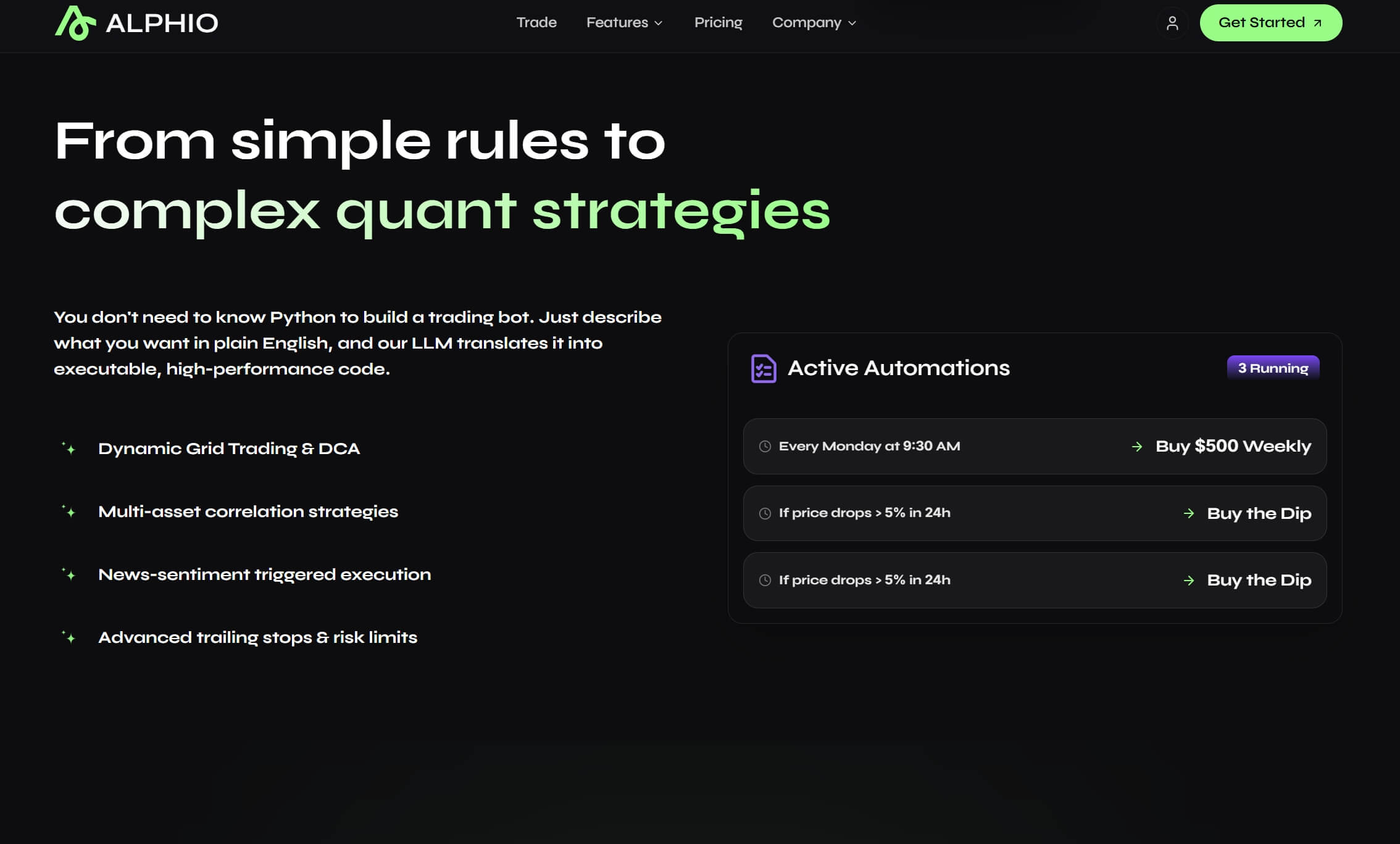
For investors looking to automate their response to changing market conditions, Alphio's automation features enable the creation of conditional workflows that execute trades based on predefined criteria.

Conclusion
The Federal Reserve's June 2026 decision represents a watershed moment in monetary policy, marking the definitive end of expectations for a rapid return to low interest rates. The hawkish pause signals that the central bank remains committed to its inflation-fighting mandate, even at the cost of slower economic growth and financial market volatility.
For investors, the implications are clear: the era of easy money is over, and success in this environment requires a more discriminating approach to security selection, sector allocation, and risk management. Quality companies with strong fundamentals, consistent cash flows, and reasonable valuations are likely to outperform speculative growth names that had thrived in the low-rate environment.
The path forward will be determined by the trajectory of inflation, labor market dynamics, and geopolitical developments. With just one rate hike priced in for the remainder of 2026 and no further movement expected through 2027, markets have time to adjust to the new reality. The question is whether corporate earnings can maintain their growth trajectory in a higher-rate environment, or whether valuation compression and margin pressure will lead to a more challenging period for equity returns.
Traders and investors who adapt their strategies to this higher-for-longer paradigm will be best positioned to navigate the opportunities and risks that lie ahead. Whether through active stock selection, sector rotation, or automated trading strategies, the key is recognizing that the rules of the game have changed—and positioning portfolios accordingly.
Ready to take control of your trading strategy in this evolving market environment? Explore Alphio AI's comprehensive trading platform to automate your portfolio management and stay ahead of market trends.