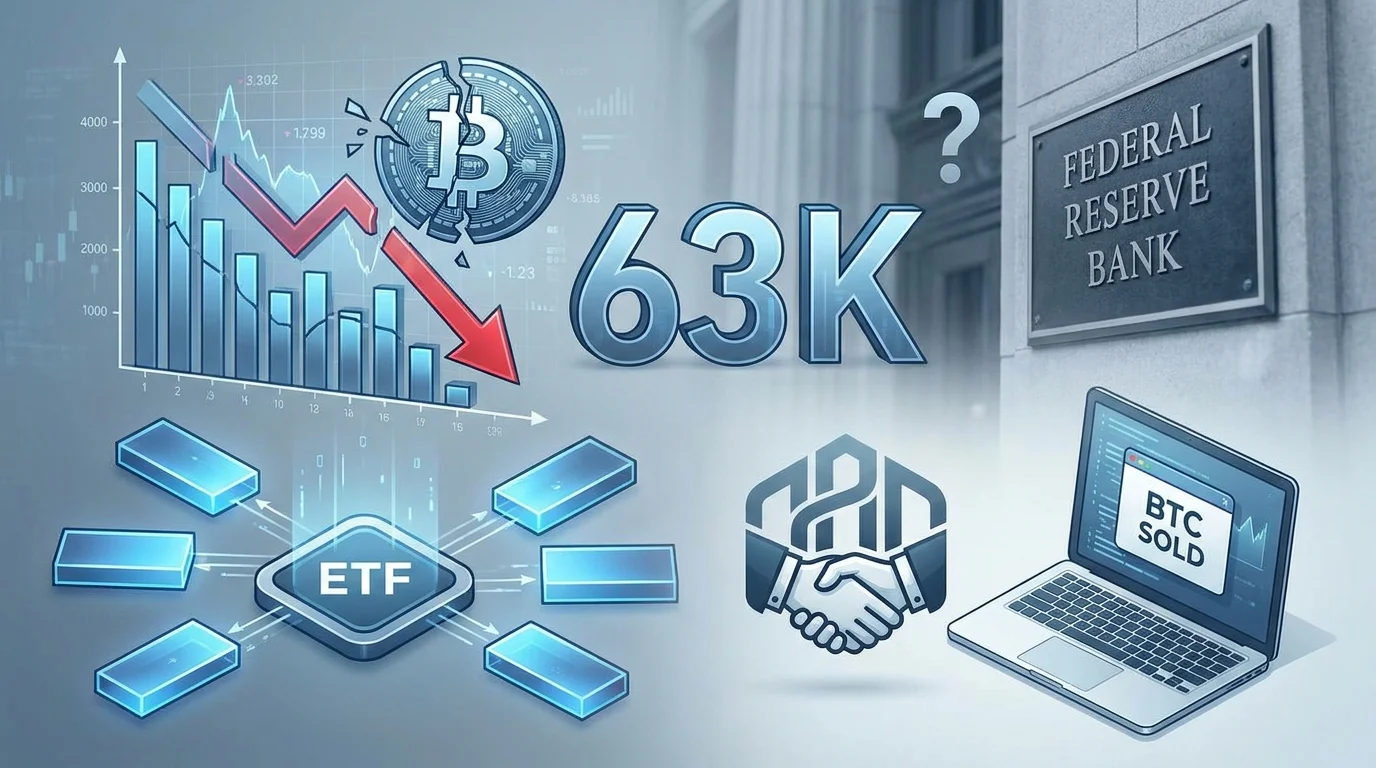

Key Takeaway
Wall Street's most influential investment bank has dramatically revised its Federal Reserve outlook, pushing expected rate cuts from September 2026 to December 2026, with a second cut now projected for March 2027 rather than December of this year. Goldman Sachs cited the escalating conflict in Iran and its devastating impact on global energy markets as the primary catalyst for this shift. The revision signals a profound change in how institutional investors are pricing monetary policy risk, with implications stretching across equity markets, bond yields, and commodity prices.
The Federal Reserve currently maintains the federal funds rate in a 3.5% to 3.75% target range, a level that has remained unchanged for three consecutive meetings as policymakers navigate an increasingly complex economic landscape. What began as a widely anticipated series of rate reductions throughout 2026 has transformed into a prolonged holding pattern, with some analysts now speculating that rate hikes may actually be more probable than cuts given the inflationary pressures emanating from the Middle East. The Cleveland Fed's inflation nowcasting models suggest that the oil shock could erase recent progress on price stability, potentially pushing core CPI readings back toward uncomfortable territory for central bankers.
For investors, this recalibration demands a fundamental reassessment of portfolio positioning. The prospect of higher-for-longer interest rates challenges growth stock valuations that had been priced for monetary easing, while simultaneously creating opportunities in energy, financials, and other sectors that benefit from elevated rate environments. Understanding the interplay between geopolitical risk, energy markets, and central bank policy has become essential for navigating the remainder of 2026.
Ready to stay ahead of Fed policy shifts? Intellectia.ai's AI-powered market analysis helps you identify opportunities in changing rate environments.

The Goldman Sachs Forecast Revision: What Changed
Goldman Sachs' economics team, led by chief economist Jan Hatzius, delivered a stark revision to their Federal Reserve outlook that sent ripples through financial markets. The bank had previously anticipated rate cuts beginning in September 2026, with a follow-up reduction in December that would bring the federal funds rate toward the 3% threshold. That timeline has now been abandoned in favor of a much more hawkish trajectory.
The new forecast anticipates the first 25-basis-point cut arriving in December 2026, with the second reduction delayed until March 2027. This effectively pushes the full monetary easing cycle into next year, leaving borrowing costs at restrictive levels for at least seven additional months beyond previous expectations. The magnitude of this revision reflects the seriousness of inflation risks that have materialized since the Iran conflict escalated.
Goldman is not alone in this reassessment. Bank of America Global Research issued a similar revision, pushing back their rate cut expectations while citing elevated inflation stemming from high energy prices and unexpected resilience in labor market conditions. The convergence of these views from two of Wall Street's most influential research departments suggests that institutional consensus is rapidly coalescing around a higher-for-longer narrative that few had anticipated at the beginning of the year.
The reasoning behind these revisions centers on the fundamental constraint that central bankers face when inflation is driven by supply shocks rather than demand excess. Traditional monetary policy tools are poorly suited to address energy price spikes caused by geopolitical conflict. Rate cuts designed to stimulate economic activity would likely exacerbate inflationary pressures without addressing the underlying supply constraints, potentially creating the stagflationary conditions that policymakers most fear.
Iran Conflict and the Energy Price Shock
The economic fallout from the Iran war has manifested most visibly in energy markets, where crude oil prices have surged in response to supply disruptions and heightened risk premiums. The conflict has introduced genuine uncertainty about the security of Persian Gulf shipping lanes, through which approximately one-fifth of global oil consumption flows. This geographic chokepoint represents a vulnerability that markets had largely discounted prior to the current escalation.
Energy analysts estimate that the oil shock has added between $15 and $25 per barrel to crude prices compared to pre-conflict levels. This translates directly into higher gasoline prices for American consumers, increased transportation costs for businesses, and upward pressure on the entire spectrum of goods and services that depend on petroleum derivatives. The consumer price index, which had shown promising moderation with a 2.4% annual increase in January, now faces headwinds that threaten to reverse those gains.
The Federal Reserve's May inflation forecast acknowledged these pressures explicitly, with policymakers warning that prolonged conflict could fuel inflation and hurt global growth simultaneously. This dual threat of rising prices and slowing economic activity places the central bank in an unenviable position. Rate cuts designed to support growth would risk accelerating inflation, while rate hikes to combat inflation could deepen any economic downturn that materializes.
Historical parallels to the 1970s oil crises loom large in policymakers' thinking. During that era, supply-driven inflation proved remarkably persistent, requiring multiple rounds of aggressive monetary tightening that ultimately triggered recessions. Modern central bankers are determined to avoid repeating those mistakes, which explains their cautious approach despite mounting evidence that economic growth is slowing under the weight of elevated borrowing costs.
Take control of your energy sector investments with Intellectia.ai's AI stock picker, designed to identify opportunities in volatile commodity markets.
Market Implications: From Rate Cuts to Potential Hikes
Perhaps the most striking development in market pricing has been the rapid shift in expectations regarding the direction of monetary policy. Futures markets, which had assigned near-certainty to multiple rate cuts throughout 2026, now show meaningful probability attached to rate increases instead. This represents a fundamental repricing of the monetary policy outlook that has cascading effects across asset classes.
The 10-year Treasury yield has climbed sharply in response to the shifting landscape, reflecting both higher inflation expectations and reduced demand for safe-haven assets that would benefit from rate cuts. Higher yields pressure growth stock valuations, particularly in the technology sector where distant cash flows are discounted more heavily when interest rates rise. The AI data center build-out, which had been partially predicated on cheap financing costs, faces a less favorable funding environment if rates remain elevated.
Equity market sectors are diverging sharply based on their sensitivity to interest rate levels. Financial stocks, particularly large money-center banks, benefit from wider net interest margins when rates stay higher for longer. Energy companies enjoy windfall profits from elevated crude prices while also benefiting from the inflationary environment that forces central bankers to maintain restrictive policy. Defensive sectors like utilities and consumer staples face headwinds from both higher discount rates and stretched consumer budgets.
Currency markets have responded with dollar strength as international capital flows toward US assets offering attractive yields. This dynamic creates additional complications for emerging markets with dollar-denominated debt and complicates the inflation picture for economies that import commodities priced in dollars. The feedback loop between dollar strength, commodity prices, and global growth represents yet another channel through which the Iran conflict transmits economic stress.
The Fed's Dilemma: Navigating Unprecedented Uncertainty
Federal Reserve officials have adopted an increasingly cautious tone in their public communications, acknowledging the heightened uncertainty that the Iran conflict has introduced into the economic outlook. The minutes from recent Federal Open Market Committee meetings reveal a committee divided between those prioritizing inflation control and those concerned about overtightening into a slowing economy.
Fed Chair Jerome Powell has emphasized that the central bank remains data-dependent, with each policy meeting evaluated based on the most recent information regarding inflation, employment, and financial conditions. This framework provides flexibility but also creates volatility as markets attempt to anticipate how incoming data will influence policy decisions. The challenge lies in distinguishing between temporary inflation spikes driven by energy prices and more persistent inflationary pressures that would require decisive action.
The labor market has shown surprising resilience despite elevated borrowing costs, with job creation continuing at a pace that exceeds demographic requirements for labor force growth. This strength provides the Fed with latitude to maintain restrictive policy without immediate concern about triggering a recession. However, lagged effects of previous rate hikes may still materialize, creating the risk that policymakers overtighten based on backward-looking data that no longer reflects current conditions.
Regional Fed bank presidents have offered varying perspectives on the appropriate policy path, with some hawks arguing that the inflationary risks from energy prices warrant preemptive tightening, while doves emphasize the importance of not overreacting to supply-driven price increases. This dispersion of views reflects genuine uncertainty about how the economy will evolve in coming months and the limited historical precedent for simultaneously managing geopolitical shocks and domestic price stability.
Track Fed policy changes in real-time with Intellectia.ai's premium market alerts and never miss a trading opportunity.
CPI Data and the Week Ahead: Critical Catalysts
This week brings several high-impact economic releases that will significantly influence Federal Reserve deliberations and market pricing. Tuesday's consumer price index report represents the most closely watched data point, with particular attention focused on core CPI excluding food and energy components. Persistently high core inflation would reinforce expectations for extended policy restraint, while moderation could revive hopes for earlier rate cuts.
Wednesday's producer price index offers an alternative perspective on inflationary pressures at the wholesale level, often serving as a leading indicator for changes in consumer prices. Transportation and energy components within PPI have shown particular volatility in recent months, reflecting the pass-through of higher oil prices through supply chains. Manufacturing surveys suggest that input cost pressures remain elevated, though pricing power varies significantly across industries.
Thursday's retail sales data will illuminate how consumers are responding to the combination of higher gasoline prices and elevated borrowing costs. The spending mix between discretionary and essential categories offers insights into household financial stress and the sustainability of consumer-driven economic growth. Any significant deterioration in retail activity could shift the debate toward growth concerns, potentially opening the door to earlier policy easing despite inflationary pressures.
Market positioning heading into these releases reflects substantial uncertainty, with option markets pricing elevated volatility for rate-sensitive assets. The reaction function to different data scenarios has become increasingly asymmetric, with hawkish surprises likely to trigger larger moves than dovish outcomes given the current consensus positioning. Active managers have reduced risk exposure ahead of these catalysts, creating potential for sharp reversals if outcomes deviate meaningfully from expectations.
Investment Strategies for a Higher-for-Longer Environment
Adapting portfolio positioning to reflect the new reality of extended restrictive monetary policy requires careful attention to asset allocation and security selection. The growth stock dominance that characterized the post-pandemic recovery faces meaningful headwinds when discount rates remain elevated, favoring a rotation toward value-oriented investments with nearer-term cash flows.
Financial sector exposure offers a direct play on higher interest rates, with money-center banks capturing wider spreads between deposit costs and lending rates. JPMorgan Chase and similar institutions have demonstrated operational resilience through multiple rate cycles and possess the scale to navigate regulatory complexity while returning substantial capital to shareholders. Insurance companies benefit from higher yields on their investment portfolios, improving their ability to offer competitive products while maintaining profitability.
Energy sector investments provide exposure to the commodity price strength that is driving inflation higher while also offering compelling valuations relative to broader equity markets. Integrated oil majors combine upstream production exposure with downstream refining and marketing operations that can capture margins throughout the value chain. The sector's improved capital discipline and shareholder return policies contrast favorably with previous cycles characterized by excessive investment and dilutive acquisitions.
Fixed income portfolios require careful duration management given the potential for further yield increases if inflation proves persistent. Floating-rate securities and shorter-maturity bonds offer protection against rising rates while still providing attractive current income. Credit quality remains paramount, as higher borrowing costs may stress more leveraged borrowers and potentially trigger a wave of defaults in vulnerable sectors.
Start building your higher-rate portfolio today with Intellectia.ai's comprehensive analysis tools and get AI-powered insights for every market condition.
Conclusion
The Federal Reserve's path toward monetary easing has become considerably more complicated than anticipated at the beginning of 2026. Goldman Sachs' revised forecast, pushing expected rate cuts from September to December 2026, reflects the profound impact that the Iran conflict has had on global energy markets and inflation expectations. Bank of America's similar revision suggests that institutional consensus is rapidly aligning around a higher-for-longer policy trajectory that will test asset valuations across multiple sectors.
For investors, this environment demands adaptability and discipline. The growth stock valuations that prospered in a low-rate world face meaningful headwinds, while sectors benefiting from elevated rates and commodity prices offer relative strength. Treasury yields have repriced dramatically, creating both risks for duration-sensitive assets and opportunities for income-oriented investors willing to navigate volatility.
The coming weeks bring critical data releases that will either validate or challenge the hawkish repricing that has occurred in financial markets. CPI and retail sales reports will provide concrete evidence of how the economy is responding to the combination of restrictive monetary policy and energy price shocks. Fed officials remain committed to their data-dependent framework, meaning that policy expectations can shift quickly as new information emerges.
Ultimately, successful navigation of this environment requires staying informed and maintaining flexibility in portfolio positioning. The tools and insights available through modern financial technology enable investors to monitor developments in real-time and adjust strategies as conditions evolve. Whether the Federal Reserve ultimately cuts rates in December as Goldman Sachs now expects, or maintains restrictive policy even longer, preparation and vigilance remain the keys to investment success.
Ready to navigate changing Fed policy with confidence? Sign up for Intellectia.ai today and access AI-powered tools that help you stay ahead of market trends and identify winning investments in any interest rate environment.