
Key Takeaway
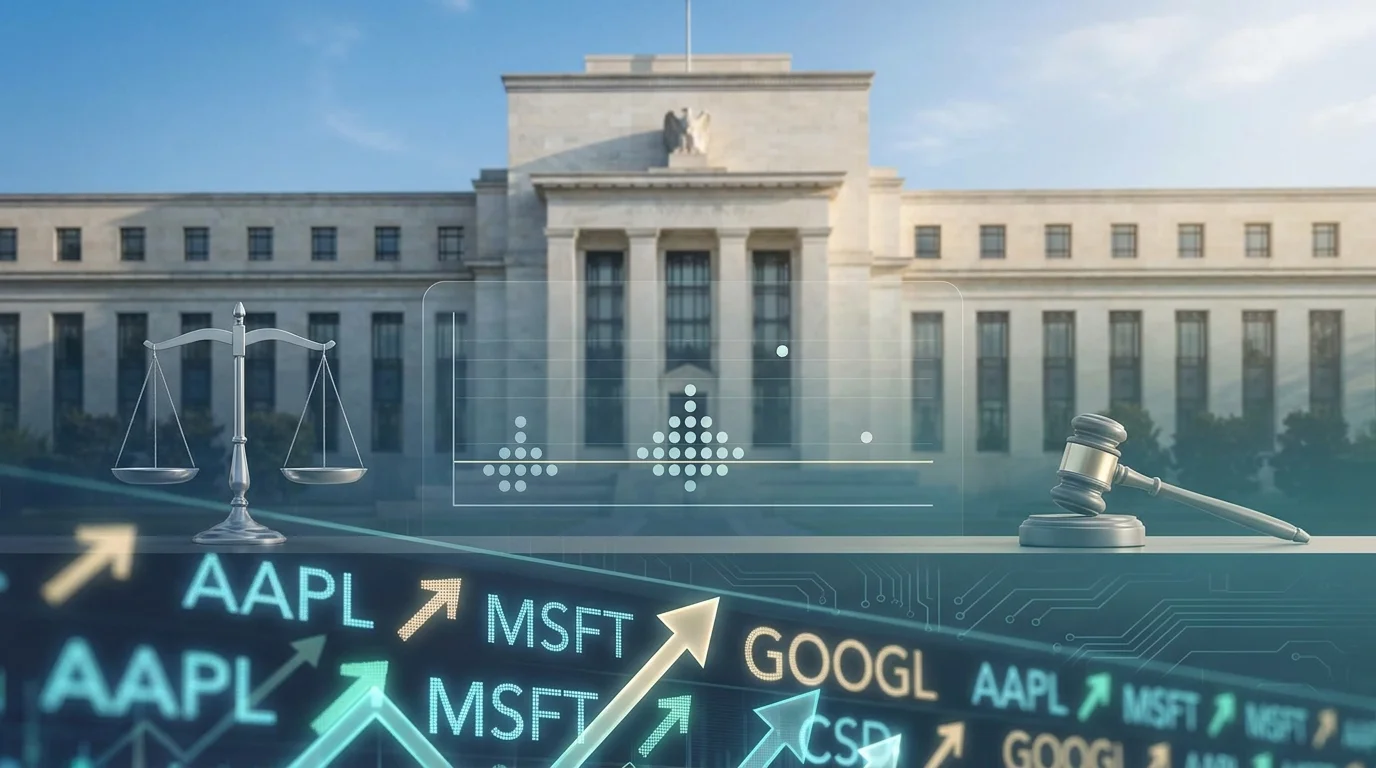
The Dow Jones Industrial Average suffered its worst weekly decline since April 2026, shedding 3% as a toxic combination of surging oil prices and disappointing employment data sent shockwaves through financial markets. The S&P 500 fell 2% for the week—its worst performance of the year—while the Nasdaq declined 1.6%, pushing major US equity indexes into negative territory for 2026.
Oil prices spiked above $90 per barrel for the first time in months as the US-Iran conflict intensified, raising concerns about inflation and potential supply disruptions. Simultaneously, the monthly jobs report revealed weaker-than-expected hiring, suggesting the labor market may be cooling faster than anticipated. This dual threat of stagflation—rising prices combined with slowing growth—has investors questioning the Federal Reserve's ability to navigate a soft landing.
For investors, this environment demands careful portfolio positioning. Defensive sectors including utilities, consumer staples, and healthcare have historically outperformed during periods of economic uncertainty. Treasury bonds may benefit from flight-to-safety flows, though inflation concerns complicate fixed-income allocations. Gold has already responded to geopolitical tensions, approaching $2,900 per ounce as investors seek safe-haven assets.
The critical question facing markets: Is this a temporary correction within an ongoing bull market, or the beginning of a more sustained downturn? Historical patterns suggest that markets typically recover from geopolitical shocks within 6-12 months, but the combination of high valuations, persistent inflation, and tightening monetary policy creates unique challenges that may extend volatility.
Ready to navigate volatile markets? Try Intellectia.AI's AI-powered portfolio analyzer to identify defensive positions and optimize your asset allocation for uncertain times.

The Perfect Storm: Oil, Jobs, and Geopolitics
Markets rarely face single challenges in isolation. The current downturn represents a convergence of multiple negative factors that compound each other's impact, creating a particularly treacherous environment for investors.
Oil Spikes Above $90: The Iran Factor
Crude oil prices surged past $90 per barrel as the conflict between the United States, Israel, and Iran intensified. This price level represents a psychological threshold that significantly impacts both consumer psychology and corporate profit margins. The spike follows weeks of escalating tensions that have already disrupted shipping routes and raised concerns about potential blockades of critical chokepoints like the Strait of Hormuz.
Energy costs function as a tax on economic activity. Higher oil prices increase transportation costs, manufacturing expenses, and heating bills—expenses that ripple through the entire economy. Airlines face immediate margin compression as jet fuel represents 20-30% of operating costs. Shipping companies confront higher bunker fuel expenses that squeeze profitability. Energy-intensive manufacturers including chemical companies and steel producers see input costs rise rapidly.
The Federal Reserve faces an increasingly difficult policy dilemma. Raising interest rates to combat inflation risks slowing an economy already facing headwinds from high energy costs. Maintaining accommodative policy risks allowing inflation to become entrenched. This policy uncertainty adds another layer of volatility to market pricing.
The Jobs Report Surprise
The monthly employment report revealed weaker-than-expected hiring, suggesting the labor market may be losing momentum faster than economists anticipated. While the unemployment rate remains relatively low, the pace of job creation has decelerated significantly from the robust levels seen in 2025.
This cooling labor market creates concerns on multiple fronts. Consumer spending—which drives approximately two-thirds of US economic activity—depends on steady employment income. If job growth continues slowing, household spending may contract, triggering a negative feedback loop that pressures corporate earnings.
Simultaneously, wage growth remains elevated despite slowing job creation, creating the dreaded stagflationary combination of rising costs and slowing growth. The Federal Reserve's preferred inflation measure, core PCE, has remained stubbornly above the 2% target, and the latest employment data suggests inflationary pressures may persist even as economic momentum fades.
The New York Times noted that the S&P 500 fell into negative territory for 2026 this week, reflecting investor concerns that the economy may be heading toward a hard landing rather than the soft landing policymakers have been forecasting.
Market Damage Assessment
The weekly declines across major indexes represent more than just routine volatility—they signal a potential shift in market sentiment that could presage further downside.
The Dow's 3% Weekly Decline
The Dow Jones Industrial Average's 3% weekly drop marks its worst performance since April 2026. On Friday alone, the index fell 453 points (0.95%), briefly dropping nearly 950 points after the opening bell before recovering somewhat. This intraday volatility reflects the market's struggle to price competing narratives about economic growth, inflation, and Federal Reserve policy.
The Dow's decline into negative territory for 2026 erases months of gains accumulated during the post-election rally. For investors who entered positions near all-time highs, this correction creates unrealized losses and psychological pressure that may trigger additional selling if support levels fail to hold.
Notably, the Dow's decline has been broad-based rather than concentrated in specific sectors. Goldman Sachs (-3.68%), American Express (-3.61%), and Caterpillar (-2.81%) led the financial and industrial sectors lower, suggesting the selling pressure reflects macroeconomic concerns rather than company-specific issues.
S&P 500 and Nasdaq Under Pressure
The S&P 500's 2% weekly decline represents its worst week of 2026, pushing the index 1.5% lower for the year. The technology-heavy Nasdaq fell 1.6% as growth stocks faced particular pressure from rising discount rates and concerns about future earnings.
Technology stocks, which led the 2025 rally, have become vulnerable as interest rate expectations shift. Higher rates reduce the present value of future earnings—a mathematical reality that disproportionately impacts growth companies trading on distant profit projections. The Nasdaq's relative underperformance reflects this valuation reset.
Looking for defensive sector opportunities? Sign up for Intellectia.AI to analyze sector rotations and identify stocks positioned for volatile economic environments.
International Spillover Effects
US market volatility has not remained contained domestically. Asian markets experienced sharp declines as investors reassessed global growth prospects. European equities faced similar pressure as energy import dependence creates particular vulnerability to Middle East supply disruptions.
The dollar's strength during the risk-off episode has created additional challenges for emerging markets, which face higher borrowing costs and capital outflows as investors seek safety in US assets. This global risk-off dynamic can trigger self-reinforcing selling pressure as algorithmic trading systems and cross-asset correlations amplify initial moves.
Investment Strategies for the Current Environment
Navigating the current market requires balancing defensive positioning against the risk of missing recovery gains when conditions eventually improve. Consider these strategic approaches.
Defensive Sector Rotation
Historical analysis demonstrates that certain sectors consistently outperform during periods of economic uncertainty. Utilities provide essential services with regulated returns that remain stable regardless of economic conditions. Consumer staples companies sell products—food, beverages, household goods—that consumers continue purchasing even during recessions. Healthcare offers exposure to non-discretionary medical spending that cannot be deferred.
The trade-off for this defensive positioning involves lower growth potential during economic expansions. Investors rotating to defensive sectors accept the possibility of underperforming if markets quickly recover while gaining downside protection if the downturn extends.
Individual stock selection within defensive sectors should emphasize companies with strong balance sheets, consistent dividend histories, and pricing power that enables margin maintenance even as input costs rise. Avoid highly leveraged companies or those facing secular decline in their core businesses.
Fixed Income and Safe Haven Assets
Treasury bonds have historically benefited from flight-to-safety flows during periods of market stress. However, the current environment presents unique challenges—inflation concerns may limit Treasury price appreciation even as equities decline, creating the potential for both asset classes to underperform simultaneously.
Treasury Inflation-Protected Securities (TIPS) offer explicit inflation protection, though real yields remain relatively low. I-Bonds provide inflation-adjusted returns for individual investors, though purchase limits restrict portfolio allocation.
Gold has responded to geopolitical tensions by approaching $2,900 per ounce, reflecting its traditional role as a store of value during uncertain times. Historical analysis shows gold typically outperforms during the initial months of geopolitical crises, though prices may stabilize or decline as conditions normalize.
Dollar-Cost Averaging and Cash Management
Attempting to time market bottoms during volatile periods often results in missed opportunities or panic selling at market lows. Disciplined dollar-cost averaging—investing fixed amounts at regular intervals regardless of market conditions—removes emotion from investment decisions.
Maintaining elevated cash reserves provides both psychological comfort and tactical flexibility. Investors with cash on hand can deploy capital opportunistically when valuations become attractive, while those fully invested face the uncomfortable choice between holding depreciating assets or crystallizing losses.
Want professional guidance on portfolio positioning? Explore Intellectia.AI's premium features for comprehensive risk management tools and sector analysis.
The Road Ahead: Key Factors to Watch
Market direction in coming weeks will likely depend on several critical variables that could either extend the current downturn or catalyze recovery.
Geopolitical Developments
The US-Iran conflict remains the primary wild card for markets. A diplomatic resolution could trigger rapid reversals of oil price gains and risk premiums, potentially catalyzing a sharp equity rally. Conversely, escalation that threatens shipping through the Strait of Hormuz—a passage for 20% of global oil supplies—could drive prices significantly higher and trigger recessionary conditions.
Investors should monitor headlines for signs of de-escalation or further conflict. Markets typically price worst-case scenarios during uncertainty; any reduction in perceived risk can drive rapid recoveries as risk premiums compress.
Federal Reserve Policy Signals
The Federal Reserve faces increasingly difficult policy choices. Recent comments from Fed officials suggest growing concern about inflation persistence, but the combination of high energy costs and slowing employment growth complicates the policy response.
Markets will scrutinize the next Federal Open Market Committee (FOMC) meeting for signals about the pace and extent of future rate adjustments. Any indication that the Fed may maintain higher rates for longer than previously anticipated could pressure growth stocks and leveraged businesses.
Corporate Earnings Season
The upcoming earnings season will provide crucial data about how companies are navigating the current environment. Management commentary about margin pressures, demand trends, and capital expenditure plans will shape investor assessments of fair value.
Companies with pricing power, strong balance sheets, and resilient business models may outperform even in challenging conditions. Conversely, highly leveraged businesses or those dependent on discretionary consumer spending face particular risk if economic conditions deteriorate further.
Conclusion
The Dow's worst week since April 2026 reflects genuine concerns about the economic outlook, not merely technical selling or algorithmic trading. The combination of surging oil prices, weak employment data, and ongoing geopolitical tensions creates challenges that extend beyond routine market volatility.
For investors, the appropriate response involves neither panic selling nor blind optimism. Defensive positioning through sector rotation, safe-haven asset allocation, and elevated cash reserves provides protection against further downside while maintaining optionality for eventual recovery. Historical analysis consistently demonstrates that disciplined investors who maintain strategic allocations through downturns ultimately outperform those who attempt to time market fluctuations.
The current environment will eventually resolve—whether through diplomatic breakthroughs, economic adaptation, or simply the passage of time. When it does, the investment opportunities created by current dislocations may prove substantial for those positioned to capitalize. Until then, focus on risk management, maintain perspective, and resist the urge to make emotional decisions during periods of maximum uncertainty.
Ready to build a resilient portfolio for uncertain times? Start your free trial with Intellectia.AI today and discover how AI-powered tools can help you navigate market volatility, identify defensive opportunities, and protect your wealth through challenging market conditions.