
Key Takeaway
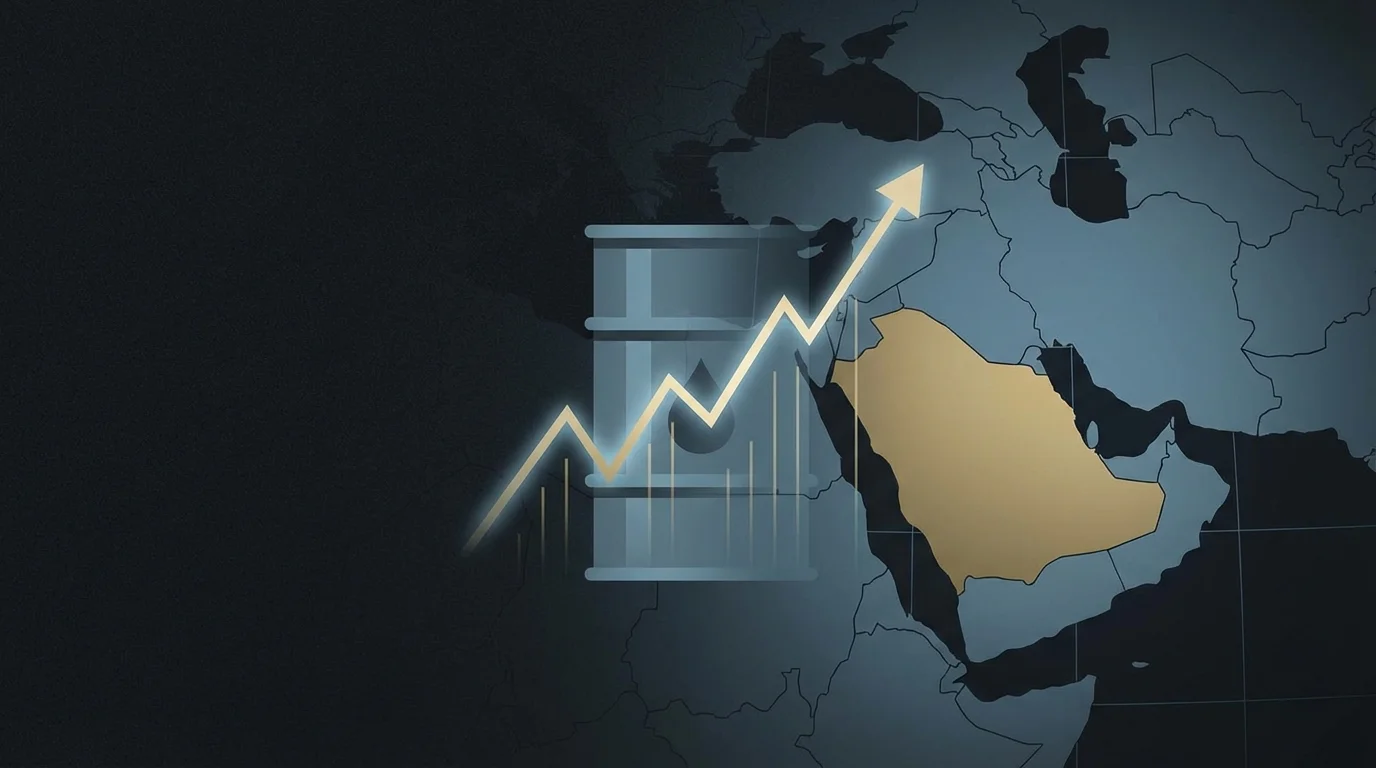
Brent crude oil prices have surged to crisis levels above 10 per barrel, driven by the escalating 2026 Iran war and the unprecedented closure of the Strait of Hormuz. This represents one of the most significant energy supply disruptions since the 1970s oil crisis, with Goldman Sachs now forecasting Brent to average 10 in March and April 2026—a staggering 62% jump from 2025's annual average. The International Energy Agency has described the situation as the "greatest global energy security challenge in history," as Iran's closure of this critical maritime chokepoint disrupts approximately 20% of global oil supplies and substantial liquefied natural gas volumes.
For investors, this crisis presents both significant risks and opportunities. Energy majors like ExxonMobil (XOM) and Chevron (CVX) are positioned to benefit from sustained higher oil prices, with energy ETFs already posting gains of 34% to 113% in 2026. However, the broader economic implications include potential inflationary pressures, reduced consumer spending power, and heightened volatility across equity markets. With oil executives warning that the Strait of Hormuz needs to be reopened by mid-April to prevent significantly worse supply disruptions, the next few weeks will be decisive for energy markets and the global economy.
Looking to identify the best energy stocks for this environment? Intellectia's AI Stock Picker analyzes thousands of data points to uncover high-conviction opportunities in the energy sector and beyond. Our AI-driven approach helps you stay ahead of market trends before they fully materialize.

Understanding the Brent Crude Oil Price Surge
The rapid escalation in Brent crude oil prices has caught many market participants off guard, with the global benchmark climbing from approximately 0 per barrel at the beginning of March 2026 to well above 10 in a matter of weeks. This represents not merely a short-term spike but potentially a sustained repricing of global energy markets as geopolitical risk premiums have expanded dramatically. The velocity of this price movement underscores how quickly supply shocks can translate into market volatility when they involve critical infrastructure and major producing regions.
The factors driving this surge extend beyond simple supply disruption. Market psychology has shifted as traders price in the possibility of a prolonged conflict with no clear resolution pathway. The uncertainty surrounding diplomatic efforts, combined with the very real threat of further escalation, has created a risk premium that could persist even if immediate hostilities de-escalate. This repricing reflects a fundamental reassessment of Middle East geopolitical risk that had been largely discounted in energy markets prior to the current crisis.
The 2026 Iran War and Its Economic Impact
The economic ramifications of the 2026 Iran war extend far beyond the immediate shock to oil prices. The conflict has triggered a complex web of supply chain disruptions, trade route modifications, and strategic reserve releases that are reshaping how energy flows around the globe. Major economies have been forced to accelerate alternative sourcing strategies while simultaneously managing the inflationary consequences of higher energy costs across their industrial and consumer bases.
For oil-importing nations, the timing of this crisis presents particular challenges. Many economies were already navigating the delicate balance between controlling inflation and supporting growth when the energy shock hit. The additional pressure from 10+ oil threatens to complicate central bank decision-making, with the Federal Reserve and other major monetary authorities now facing the prospect of stagflationary pressures that could persist through much of 2026. The economic drag on global growth will compound if the war persists beyond the current quarter, according to energy experts and economists monitoring the situation.
Strait of Hormuz Crisis: The World's Energy Chokepoint
The Strait of Hormuz represents the single most critical maritime passage for global energy supplies, with approximately one-fifth of the world's oil shipments transiting through this narrow waterway. Iran's closure of the strait marks an unprecedented disruption to global energy infrastructure, described by analysts as the largest supply disruption in the history of the global oil market. The strategic importance of this passage cannot be overstated—it serves as the primary export route for oil from Saudi Arabia, Kuwait, Iraq, the UAE, and Qatar.
The challenges of securing shipping through Hormuz differ fundamentally from previous maritime security issues like the Red Sea disruptions. Western powers were unable to fully secure shipping in the Red Sea, and Hormuz presents even greater difficulties due to its geography and the military capabilities of Iran. Oil executives and analysts warn that the strait needs to be reopened by mid-April or oil-supply disruptions will get significantly worse, potentially pushing prices even higher and creating genuine shortages in global markets.
Global Supply Disruption: 20% of Oil at Risk
The closure of the Strait of Hormuz has removed approximately 20% of global oil supplies from accessible markets, a disruption of historic proportions. This supply deficit cannot be quickly remedied through alternative routes or increased production from other regions. While strategic petroleum reserves have been tapped to soften the immediate impact, the finite nature of these reserves means that a prolonged closure would eventually exhaust buffer stocks and force genuine demand destruction through much higher prices.
The impact extends beyond crude oil to include significant volumes of liquefied natural gas, affecting global energy markets broadly. Stopgap measures including demand reduction, alternative sourcing, and reserve releases have helped shield households and companies from the most acute disruptions so far. However, economists warn that the drag on global economic growth will compound if the conflict persists, with potential spillover effects into aluminum, fertilizer, and other commodity markets that rely on energy-intensive production processes.
Oil Price Forecast 2026: What Analysts Are Predicting
Goldman Sachs has dramatically revised its oil price outlook, now expecting Brent crude to average 10 per barrel in March and April 2026, up from a previous forecast of 8. This revision reflects the firm's assessment that supply disruptions will persist longer than initially anticipated and that market tightness will extend through the second quarter. The forecast implies a 62% increase from the 2025 annual average, representing a substantial windfall for oil producers and a significant headwind for consumers and energy-intensive industries.
Other major research houses have similarly raised their price targets, with Macquarie Group analysts increasing their oil price outlook for Fiscal 2026, with West Texas Intermediate averaging about 3 per barrel, up from previous estimates of 8. The range of forecasts now spans from 00 to 25 per barrel for Brent crude, depending on assumptions about conflict duration and the effectiveness of alternative supply arrangements. The consensus view suggests that even a relatively swift resolution would likely leave prices elevated above 0 per barrel through the remainder of 2026.
Energy Stocks to Watch: XOM, CVX, OXY Analysis
The surge in oil prices has created a favorable operating environment for integrated oil majors and independent producers alike. ExxonMobil (XOM) and Chevron (CVX) stand out as particularly well-positioned beneficiaries, given their scale, diversified operations, and strong balance sheets. These companies have demonstrated through multiple commodity cycles their ability to generate substantial free cash flow even at lower oil prices, suggesting exceptional profitability at current levels. ExxonMobil expects to generate 45 billion in surplus cash during the coming period at 5 oil, underscoring the massive cash generation potential with prices now above 10.
Occidental Petroleum (OXY) represents a more leveraged play on oil prices, with its acquisition-heavy strategy and focus on the Permian Basin offering significant upside sensitivity to crude prices. While OXY carries more balance sheet risk than the supermajors, Warren Buffett's continued accumulation of the stock suggests confidence in management's ability to navigate the current environment and generate substantial returns for shareholders. For long-term investors seeking exposure to sustained higher oil prices, the combination of supermajors for stability and select independents for upside may offer an attractive risk-adjusted approach.
Energy Sector Investing: Opportunities and Risks
The current energy market environment presents investors with a complex risk-reward calculus. On the opportunity side, energy companies are generating cash flows that haven't been seen in years, with many trading at attractive valuations relative to their earnings potential. The energy sector has outperformed the broader market significantly in 2026, with energy ETFs posting gains ranging from 34% to 113%. This outperformance reflects both the direct benefit of higher commodity prices and the sector's role as an inflation hedge during a period of heightened economic uncertainty.
However, risks abound for energy sector investors. The primary concern is the inherent uncertainty around conflict duration—if the Strait of Hormuz reopens and Iranian supply returns to market, oil prices could correct sharply lower. Additionally, sustained high energy prices could accelerate the global transition away from fossil fuels, potentially reducing long-term demand. Political risk also looms large, with windfall profit taxes on energy companies being discussed in several jurisdictions as policymakers respond to public concern over rising energy costs.
Want to identify the most attractive energy investments for your portfolio? Intellectia's AI Screener helps you filter through thousands of stocks to find those matching your specific criteria, whether you are looking for value, growth, or dividend yield in the energy sector.

How to Position Your Portfolio for High Oil Prices
Positioning for a sustained period of elevated oil prices requires careful consideration of both direct and indirect exposure to energy markets. Direct exposure through oil majors and E&P companies offers the most leveraged play on commodity prices but comes with significant volatility and event risk. Investors should consider position sizing carefully, ensuring that energy allocations enhance rather than dominate portfolio risk profiles. Diversification within the energy sector—combining integrated majors, refiners, midstream operators, and select service companies—can help mitigate company-specific risks while maintaining commodity exposure.
Indirect exposure through energy-consuming sectors requires defensive positioning. Airlines, shipping companies, and chemical manufacturers face margin pressure from higher input costs and may underperform in a high-oil-price environment. Conversely, renewable energy companies and nuclear power operators may benefit from accelerated adoption as alternatives to expensive fossil fuels. Commodity currencies from oil-producing nations like Norway and Canada may also appreciate, offering foreign exchange exposure to the energy theme for internationally diversified investors.
Conclusion
The surge in Brent crude oil prices above 10 per barrel represents a fundamental shift in global energy markets driven by the 2026 Iran war and the unprecedented closure of the Strait of Hormuz. With Goldman Sachs forecasting prices to average 10 through April and potentially remain elevated throughout 2026, investors need to carefully consider how this energy shock impacts their portfolios and the broader economic environment. The disruption of 20% of global oil supplies creates both significant opportunities for energy sector investors and substantial risks for energy consumers and the global economy.
For those looking to capitalize on this environment, energy majors like ExxonMobil and Chevron offer relatively defensive exposure to higher oil prices, while more aggressive investors might consider leveraged plays through independent producers. However, the uncertainty surrounding conflict duration means that position sizing and risk management remain critical. As oil executives warn that the Strait of Hormuz must reopen by mid-April to prevent significantly worse disruptions, the next few weeks will be decisive for energy markets and the trajectory of global economic growth.
Ready to make smarter investment decisions in this volatile market environment? Sign up for Intellectia today and get access to AI-powered stock analysis, real-time market insights, and personalized portfolio recommendations. Our platform helps you stay ahead of market trends and identify the best opportunities in any market condition. For serious investors looking to upgrade their research capabilities, explore our premium pricing plans to unlock the full power of AI-driven investment analysis.