

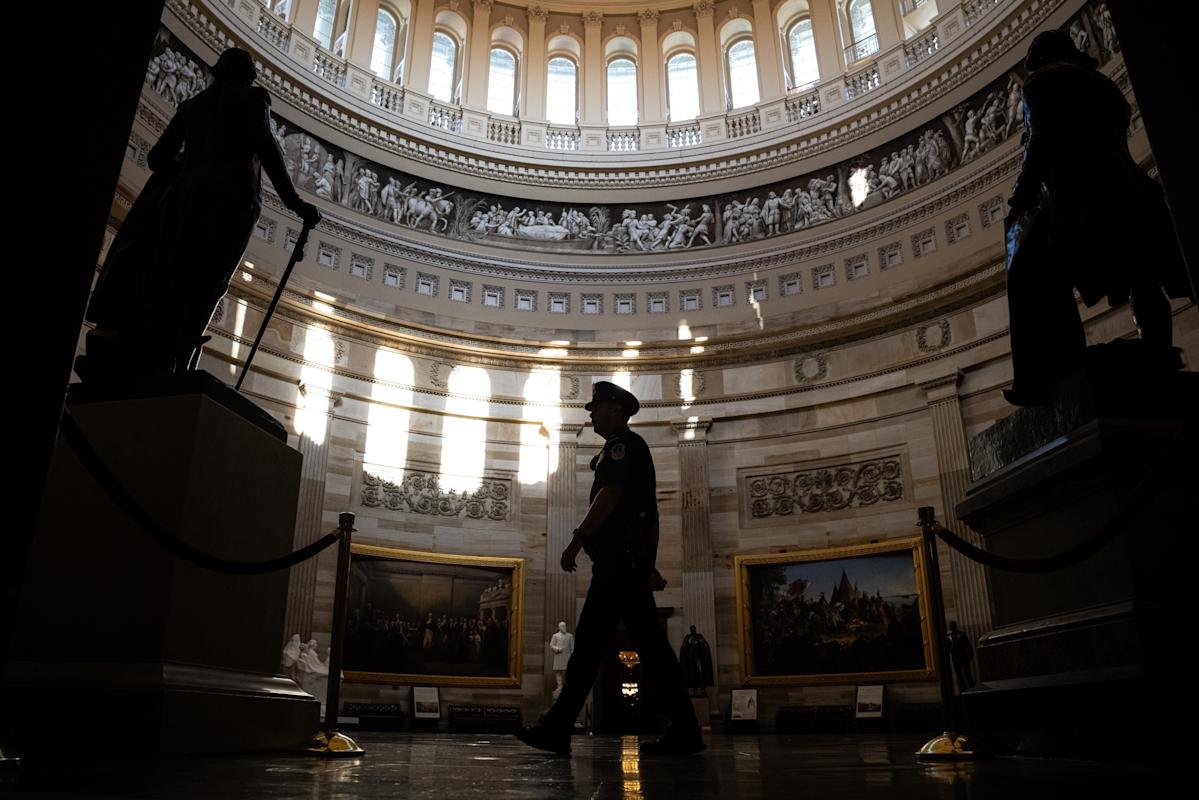
Longest Government Shutdown Ends as Trump Signs Bill
Shutdown Ends and Government Resumes Operations
President Trump signed a spending bill to end the 43-day government shutdown, marking the conclusion of the longest federal closure in U.S. history. This resolution allows federal employees to return to work, with operations resuming across affected agencies. The Office of Management and Budget has instructed furloughed employees to report back immediately, and payroll systems are now being updated to process backpay for the weeks missed. While initial backpay disbursements are expected to begin shortly, some workers may face delays as agencies work through administrative backlogs. The shutdown caused significant disruptions in public services, but the government is now preparing to fully restore normal operations.
Economic and Social Impacts of the Shutdown
The Congressional Budget Office estimates that the shutdown reduced GDP growth by 1.5 percentage points in Q4 2025, with a permanent economic loss of approximately $11 billion. Key sectors, including air travel and food assistance, were severely impacted. Airlines faced thousands of flight cancellations, which disrupted holiday travel and dented earnings for major carriers like Delta Air Lines. Additionally, nearly 42 million low-income Americans relying on the Supplemental Nutrition Assistance Program (SNAP) experienced delayed benefits, exacerbating food insecurity. The shutdown also delayed critical economic data releases, such as the Consumer Price Index and jobs reports, creating a data gap that complicates economic forecasting. While operations are resuming, the broader economic repercussions may linger for months.
Unresolved Policy Issues and Future Challenges
The temporary funding bill only secures government operations through January 30, leaving the door open for another potential shutdown if unresolved policy disputes persist. Key issues, such as the renewal of healthcare subsidies under the Affordable Care Act, remain contentious. Senate Democrats secured a commitment for a future vote on these subsidies, but there is no guarantee of passage in the House. Additionally, the shutdown revealed vulnerabilities in federal systems and long-term challenges, such as staffing shortages in critical sectors like air traffic control. Policymakers face mounting pressure to address these issues before the next funding deadline to avoid further economic and social disruptions.
 Sources

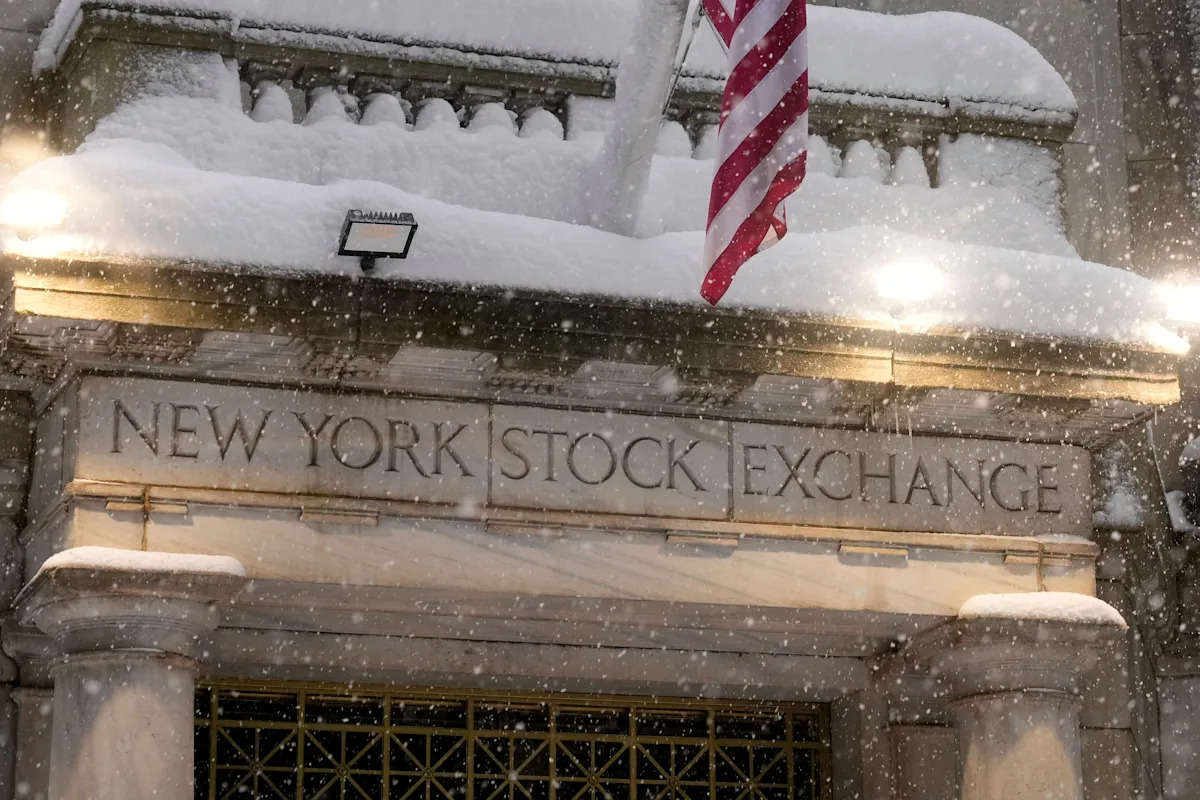


- Record Government Shutdown Ends Trump Signs Spending Bill
 yahoo
yahoo - Shutdown’s End Kick Long Process Rebooting Governmentyahoo
- Government shutdown latest: longest stoppage historyyahoo
About the author

People Also Watch

CARE
Carter Bankshares Inc

BSX
Boston Scientific Corp

WPC
W.p. Carey Inc

ENVB
Enveric Biosciences Inc

JXN
Jackson Financial Inc

LGCY
Legacy Education Inc

BMBL
Bumble Inc

SKK
SKK Holdings Ltd

APM
Aptorum Group Ltd