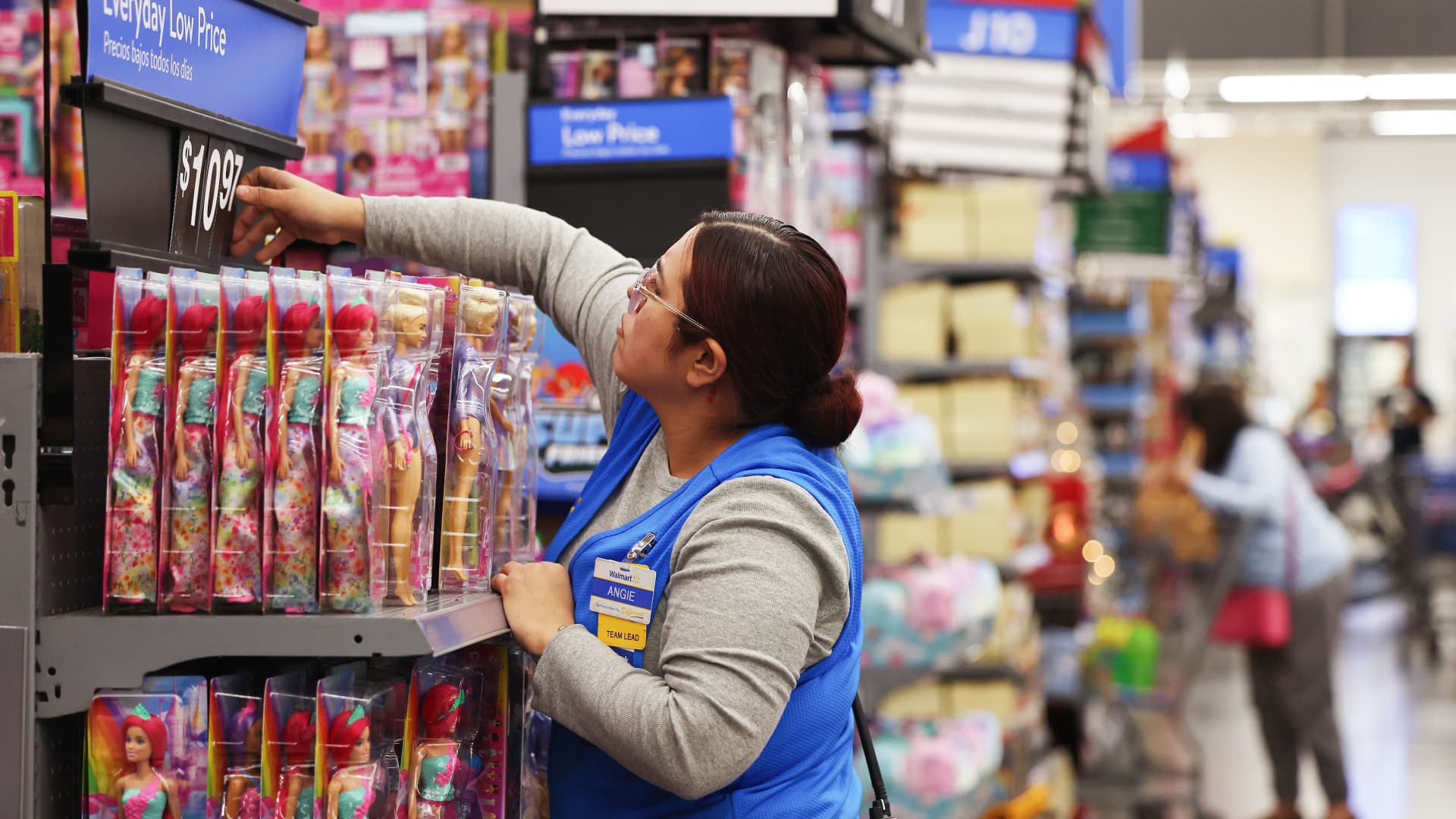
Verizon Reports Strong Q1 2026 Earnings with Record Adjusted EBITDA
Written by Emily J. Thompson, Senior Investment Analyst
Updated: Apr 27 2026
0mins
Source: Newsfilter
- Strong Financial Performance: In Q1 2026, Verizon reported total operating revenue of $34.4 billion, a 2.9% year-over-year increase, driven by disciplined promotional spending that enhanced overall profitability and demonstrated confidence in market recovery.
- Adjusted EPS Growth: Adjusted earnings per share (EPS) rose to $1.28, reflecting a 7.6% year-over-year increase and marking the best quarterly growth rate since 2021, showcasing effective strategies in customer acquisition and retention.
- Robust Cash Flow: Operating cash flow reached $8.0 billion in Q1, up 2.6% year-over-year, providing strong guidance for free cash flow, which is expected to exceed $21.5 billion in 2026, representing a growth of approximately 7%.
- Return to Market Leadership: Verizon achieved 55,000 postpaid phone net additions in Q1, the first positive growth in this segment since 2013, indicating significant improvements in customer economics and operational efficiency, further solidifying its market leadership position.
Trade with 70% Backtested Accuracy
Stop guessing "Should I Buy VZ?" and start using high-conviction signals backed by rigorous historical data.
Sign up today to access powerful investing tools and make smarter, data-driven decisions.
Analyst Views on VZ
Wall Street analysts forecast VZ stock price to rise
14 Analyst Rating
4 Buy
10 Hold
0 Sell
Moderate Buy
Current: 44.100

Low
43.00
Averages
46.42
High
51.00
Current: 44.100
Low
43.00
Averages
46.42
High
51.00
About VZ
Verizon Communications Inc. is a holding company. The Company, through its subsidiaries, provides communications, technology, information and streaming products and services to consumers, businesses and government entities. Its Consumer segment provides wireless and wireline communications services. It also provides fixed wireless access (FWA) broadband through its 5G or 4G Long-Term Evolution (LTE) networks portfolio. The Company's Business segment provides wireless and wireline communications services and products, including FWA broadband, data, video and advanced communication services, corporate networking solutions, security and managed network services, local and long-distance voice services and network access to deliver various Internet of Things (IoT) services and products. It provides these products and services to businesses, public sector customers and wireless and wireline carriers across the U.S. and a subset of these products and services to customers around the world.
About the author

Emily J. Thompson
Emily J. Thompson, a Chartered Financial Analyst (CFA) with 12 years in investment research, graduated with honors from the Wharton School. Specializing in industrial and technology stocks, she provides in-depth analysis for Intellectia’s earnings and market brief reports.

BT and Verizon to Merge International Operations into Joint Venture

- Joint Venture Formation: BT Group and Verizon have agreed to merge their international enterprise operations into a 50:50 joint venture, aimed at transforming global connectivity, expected to serve over 3,000 customers across more than 180 countries, generating approximately $4 billion in annual revenue.
- Equal Voting Rights: Both BT and Verizon will hold equal voting rights in the new joint venture, with Verizon agreeing to pay BT an equalization payment of $625 million to ensure fairness in their partnership.
- Leadership Appointment: Martijn Blanken has been appointed as the CEO-designate of the new joint venture, contingent upon the completion of the transaction, while Clive Selley will continue to lead BT International as CEO, ensuring continuity in BT International's ongoing transformation.
- Transaction Completion Timeline: The transaction is expected to complete in 2027, marking a significant step in the integration of BT and Verizon in the global market, aimed at enhancing both companies' competitiveness and service capabilities internationally.
See More
Verizon's Dow Removal: Implications for Investors
- Reason for Dow Removal: Verizon was removed from the Dow Jones Industrial Average primarily due to its stock price being below $50, contributing only 0.5% to the index, making room for Alphabet and reflecting a greater focus on AI and tech opportunities.
- Market Reaction: Verizon's stock has declined by approximately 8% over the past month, as investors may have sold in anticipation of its removal, suggesting potential continued downward pressure and impacting market confidence in the near term.
- Dividend Appeal: Despite the stock's decline, Verizon's dividend yield has risen to 6.4%, nearly six times the S&P 500's average yield of 1.1%, making it attractive to income-seeking investors.
- Strong Fundamentals: Despite facing short-term challenges, Verizon's stock remains up about 8% year-to-date, and its solid fundamentals and modest valuation (around 11 times earnings) continue to make it an appealing option for dividend investors.
See More

Verizon Removed from Dow Jones Index: Implications and Outlook
- Dow Jones Change: Verizon's removal from the Dow Jones Industrial Average, despite its strong fundamentals, could lead to fund outflows and downward pressure on its stock price, reflecting market concerns about its future performance.
- Market Reaction: Verizon's stock has declined by approximately 8% in the month leading up to its removal, indicating that investors may have sold in anticipation of this change, suggesting potential further downward pressure in the near term.
- Dividend Appeal: Despite facing challenges, Verizon's dividend yield stands at 6.4%, significantly higher than the S&P 500's 1.1%, making it attractive for income-seeking investors and potentially encouraging long-term buying interest.
- Industry Context: The Dow Jones index includes only 30 stocks, and Verizon's removal does not imply poor business health, as similar situations have occurred with competitors like AT&T, indicating a growing market preference for tech stocks.
See More

Alphabet Joins Dow Jones, Boosting Market Focus

- Dow Jones Change: Alphabet joined the Dow Jones Industrial Average on June 29, replacing Verizon Communications, which enhances market focus on advertising, cloud computing, and AI, solidifying its position in the tech sector.
- Strong Advertising Business: Alphabet's advertising revenue from Google Search, YouTube, and the Google Network, along with a 63% revenue growth in its cloud computing segment in Q1, demonstrates its competitiveness in a rapidly growing market.
- Insufficient Dividend Yield: Despite strong stock performance, Alphabet's dividend yield stands at only 0.3%, and due to substantial investments in AI infrastructure, it is unlikely to significantly increase payouts in the near term, potentially affecting its appeal to income investors.
- Competitor Performance: Companies like Cisco, Coca-Cola, and Amgen are performing well in the Dow, achieving revenue growth of 12%, 12%, and 6% respectively, and all offer higher dividend yields, attracting investors seeking stable returns.
See More

Cisco Systems Reports Strong Growth Driven by AI Platform
- Cisco's Revenue Growth: Cisco Systems reported a revenue of $15.8 billion for Q3 of fiscal 2026, marking a 12% increase year-over-year, with net income rising 35% to $3.4 billion and earnings per share up 37% to $0.85, reflecting strong demand and customer trust in the AI era.
- Coca-Cola Volume Growth: Coca-Cola achieved $12.5 billion in revenue for Q1, a 12% increase from the previous year, with North America volume up 4%, indicating robust consumer demand across all marketing segments for its diverse beverage portfolio.
- Amgen's Drug Potential: Amgen's anti-obesity drug MariTide shows promise after successful phase 2 trials, potentially offering a monthly dosing schedule compared to weekly for competitors, with Q1 revenue at $8.6 billion, up 6%, highlighting its competitive edge in the market.
- Strong Dividend Performance: Cisco's dividend yield stands at 1.5%, while Coca-Cola's is at 2.6%, both exceeding their respective industry averages, showcasing their commitment to shareholder returns, with Cisco increasing dividends for 14 consecutive years and Coca-Cola for 65 years.
See More

Nike's Uncertain Future in the Dow Jones

- Dow Jones Changes: With Alphabet replacing Verizon, Nike has become the lowest-priced stock in the Dow Jones Industrial Average, currently priced at approximately $41.46 with a market cap of $61 billion, indicating its minimal impact on the index and potential risk of removal.
- Lackluster Shareholder Returns: Nike's total return in the Dow has only been 39.6%, and despite raising its dividend for 24 consecutive years with a current yield of 4%, its stock price has hovered near a 12-year low, reflecting long-term challenges the company faces.
- Slow Turnaround Progress: Nike overestimated pandemic-driven consumer demand during its transition to a direct-to-consumer model, leading to slower growth than anticipated; CEO Hill indicated that the benefits of restructuring may not be realized until spring 2027, putting pressure on investor confidence.
- Potential Replacement Analysis: Should Nike be removed from the Dow, Meta Platforms emerges as a likely candidate for replacement due to its overlap in advertising and recent initiation of dividend payments, highlighting Nike's increasingly precarious position within the index.
See More
BT and Verizon to Merge International Operations into Joint Venture
- Joint Venture Formation: BT Group and Verizon have agreed to merge their international enterprise operations into a 50:50 joint venture, aimed at transforming global connectivity, expected to serve over 3,000 customers across more than 180 countries, generating approximately $4 billion in annual revenue.
- Equal Voting Rights: Both BT and Verizon will hold equal voting rights in the new joint venture, with Verizon agreeing to pay BT an equalization payment of $625 million to ensure fairness in their partnership.
- Leadership Appointment: Martijn Blanken has been appointed as the CEO-designate of the new joint venture, contingent upon the completion of the transaction, while Clive Selley will continue to lead BT International as CEO, ensuring continuity in BT International's ongoing transformation.
- Transaction Completion Timeline: The transaction is expected to complete in 2027, marking a significant step in the integration of BT and Verizon in the global market, aimed at enhancing both companies' competitiveness and service capabilities internationally.
See More
Verizon's Dow Removal: Implications for Investors
- Reason for Dow Removal: Verizon was removed from the Dow Jones Industrial Average primarily due to its stock price being below $50, contributing only 0.5% to the index, making room for Alphabet and reflecting a greater focus on AI and tech opportunities.
- Market Reaction: Verizon's stock has declined by approximately 8% over the past month, as investors may have sold in anticipation of its removal, suggesting potential continued downward pressure and impacting market confidence in the near term.
- Dividend Appeal: Despite the stock's decline, Verizon's dividend yield has risen to 6.4%, nearly six times the S&P 500's average yield of 1.1%, making it attractive to income-seeking investors.
- Strong Fundamentals: Despite facing short-term challenges, Verizon's stock remains up about 8% year-to-date, and its solid fundamentals and modest valuation (around 11 times earnings) continue to make it an appealing option for dividend investors.
See More
Verizon Removed from Dow Jones Index: Implications and Outlook
- Dow Jones Change: Verizon's removal from the Dow Jones Industrial Average, despite its strong fundamentals, could lead to fund outflows and downward pressure on its stock price, reflecting market concerns about its future performance.
- Market Reaction: Verizon's stock has declined by approximately 8% in the month leading up to its removal, indicating that investors may have sold in anticipation of this change, suggesting potential further downward pressure in the near term.
- Dividend Appeal: Despite facing challenges, Verizon's dividend yield stands at 6.4%, significantly higher than the S&P 500's 1.1%, making it attractive for income-seeking investors and potentially encouraging long-term buying interest.
- Industry Context: The Dow Jones index includes only 30 stocks, and Verizon's removal does not imply poor business health, as similar situations have occurred with competitors like AT&T, indicating a growing market preference for tech stocks.
See More
Alphabet Joins Dow Jones, Boosting Market Focus
- Dow Jones Change: Alphabet joined the Dow Jones Industrial Average on June 29, replacing Verizon Communications, which enhances market focus on advertising, cloud computing, and AI, solidifying its position in the tech sector.
- Strong Advertising Business: Alphabet's advertising revenue from Google Search, YouTube, and the Google Network, along with a 63% revenue growth in its cloud computing segment in Q1, demonstrates its competitiveness in a rapidly growing market.
- Insufficient Dividend Yield: Despite strong stock performance, Alphabet's dividend yield stands at only 0.3%, and due to substantial investments in AI infrastructure, it is unlikely to significantly increase payouts in the near term, potentially affecting its appeal to income investors.
- Competitor Performance: Companies like Cisco, Coca-Cola, and Amgen are performing well in the Dow, achieving revenue growth of 12%, 12%, and 6% respectively, and all offer higher dividend yields, attracting investors seeking stable returns.
See More
Cisco Systems Reports Strong Growth Driven by AI Platform
- Cisco's Revenue Growth: Cisco Systems reported a revenue of $15.8 billion for Q3 of fiscal 2026, marking a 12% increase year-over-year, with net income rising 35% to $3.4 billion and earnings per share up 37% to $0.85, reflecting strong demand and customer trust in the AI era.
- Coca-Cola Volume Growth: Coca-Cola achieved $12.5 billion in revenue for Q1, a 12% increase from the previous year, with North America volume up 4%, indicating robust consumer demand across all marketing segments for its diverse beverage portfolio.
- Amgen's Drug Potential: Amgen's anti-obesity drug MariTide shows promise after successful phase 2 trials, potentially offering a monthly dosing schedule compared to weekly for competitors, with Q1 revenue at $8.6 billion, up 6%, highlighting its competitive edge in the market.
- Strong Dividend Performance: Cisco's dividend yield stands at 1.5%, while Coca-Cola's is at 2.6%, both exceeding their respective industry averages, showcasing their commitment to shareholder returns, with Cisco increasing dividends for 14 consecutive years and Coca-Cola for 65 years.
See More
Nike's Uncertain Future in the Dow Jones
- Dow Jones Changes: With Alphabet replacing Verizon, Nike has become the lowest-priced stock in the Dow Jones Industrial Average, currently priced at approximately $41.46 with a market cap of $61 billion, indicating its minimal impact on the index and potential risk of removal.
- Lackluster Shareholder Returns: Nike's total return in the Dow has only been 39.6%, and despite raising its dividend for 24 consecutive years with a current yield of 4%, its stock price has hovered near a 12-year low, reflecting long-term challenges the company faces.
- Slow Turnaround Progress: Nike overestimated pandemic-driven consumer demand during its transition to a direct-to-consumer model, leading to slower growth than anticipated; CEO Hill indicated that the benefits of restructuring may not be realized until spring 2027, putting pressure on investor confidence.
- Potential Replacement Analysis: Should Nike be removed from the Dow, Meta Platforms emerges as a likely candidate for replacement due to its overlap in advertising and recent initiation of dividend payments, highlighting Nike's increasingly precarious position within the index.
See More