VC Founder Claims AI Isn't in a Bubble: Here's Why He Believes It's Different from the Dotcom Era
Market Sentiment on AI: Investors are debating whether the current enthusiasm for artificial intelligence represents a market bubble, with differing opinions from notable figures like Ray Dalio and Jerome Powell, while venture capitalist Magnus Grimeland argues that the market is not overheating.
Rapid Adoption of AI: Grimeland highlights the swift integration of AI into businesses, contrasting it with the slower transition to cloud computing, and notes that AI is a priority for leaders across various sectors.
Real Revenues Behind Growth: Unlike the dotcom bubble, Grimeland points out that many AI companies are generating substantial revenues, citing OpenAI's $10 billion annual recurring revenue and Lovable's rapid growth.
Opportunities for Smaller Companies: Despite the dominance of large firms in the AI sector, Grimeland believes there are significant opportunities for smaller startups to thrive, especially those with strong founding teams and positive growth indicators.
Trade with 70% Backtested Accuracy
Analyst Views on GOOG

About GOOG
About the author


Waymo Unveils 6th Generation Autonomous Driving Technology

- Technological Breakthrough: Waymo launches its 6th generation autonomous driving technology, leveraging nearly 200 million miles of fully autonomous data to enhance performance in complex road conditions, marking an acceleration in large-scale deployment and strengthening the company's competitive edge in the autonomous driving sector.
- Enhanced Perception Capabilities: The new system utilizes advanced lidar, radar, and external audio receivers to surpass human vision and hearing, capable of extracting critical details in bright lights and shadows, thereby improving safety and reliability.
- Cost Efficiency Optimization: The 6th generation Waymo Driver employs a 17-megapixel imaging technology that reduces the number of required cameras while maintaining obstruction-free operation in adverse weather conditions like snow and rain, thus lowering operational costs.
- Production Scale Expansion: Waymo is undergoing a significant transformation at its autonomous vehicle factory in Phoenix, aiming to produce tens of thousands of autonomous vehicles annually, demonstrating the company's ambition and potential in the autonomous driving market.
2026 Sees Surge in AI Infrastructure Investment


- Capital Expenditure Plans: The four major hyperscalers are set to invest approximately $650 billion in capital expenditures in 2026, with a significant portion allocated to AI infrastructure, reflecting strong confidence in future financial outcomes.
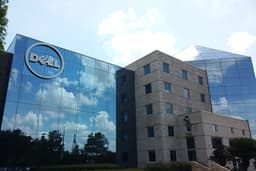
- Surge in Dell Demand: Dell Technologies reported all-time high orders for AI servers in its fiscal Q3 2026, with a backlog of $18.4 billion, indicating a rapid increase in market demand for its AI products.
- Google's Spending Details: Alphabet plans to allocate at least $175 billion in capital expenditures in 2026, with about 60% directed towards servers, creating a substantial tailwind for the entire server market, particularly benefiting companies like Dell indirectly.
- Investment Value Analysis: Dell's stock trades at less than 11 times its forward earnings, indicating a reasonable valuation; combined with stable business performance and high demand, it presents a low-risk investment opportunity, especially amid surging AI server demand.

Analysis of Microsoft's Poor Stock Performance

- Investor Insight: Prominent investor Chamath Palihapitiya highlights that since late November 2022, Microsoft has had the worst stock performance among tech giants, indicating limited returns on its investment in OpenAI, which may lower market expectations and negatively impact stock price.
- Volatility Analysis: Volatility skew data shows that for the March 20 expiration, put options have significantly higher implied volatility than call options, indicating a heightened focus on downside risk, which could lead to increased demand for hedging against Microsoft stock.
- Trading Parameters: According to the Black-Scholes model, Microsoft stock is expected to trade within a range of $402 to $423 over the next 36 days with a 68% probability, suggesting a conservative market outlook where a strong catalyst is needed to drive significant price movement.
- Hedging Strategy: Investors might consider a 410/415 bull call spread, which could yield a maximum profit of 117% if Microsoft stock exceeds $415 at expiration, indicating potential profit opportunities despite the prevailing market risks.

Freight Brokers Fall to AI Disruption: Which Other Stocks Remain Secure?


- Freight Brokers and AI: Freight brokers, once seen as beneficiaries of artificial intelligence, are now facing challenges from software companies leveraging AI technology.
- Shift in Perception: The shift in perception highlights the evolving landscape of the freight industry as AI continues to advance and disrupt traditional roles.
- Impact on the Industry: This change suggests that freight brokers may need to adapt to remain competitive in an increasingly automated environment.
- Future Considerations: The situation raises questions about the long-term implications of AI on various sectors within the logistics and transportation industries.

Reasons Tech Stocks Might Underperform as Market Rally Expands Beyond AI


- AI Fears Impacting Stocks: Concerns about artificial intelligence are affecting tech-related stocks, indicating a shift in market sentiment.
- Sector's Future Uncertain: While the tech sector may still have potential, it appears it will need to share attention with other emerging trends.

IonQ's Quantum Computing Market Prospects


- Technological Advantage: IonQ's focus on trapped ion systems utilizes tiny lasers to trap ions in vacuum chambers, addressing the size and power consumption issues of traditional quantum computers, enabling operation at room temperature and enhancing market competitiveness.
- Low Error Rates: IonQ's trapped ion qubits exhibit consistency and predictability, achieving gate fidelity levels of up to 99.99%, significantly surpassing industry peers, which enhances computational accuracy and builds customer trust.
- Market Growth Potential: According to Fortune Business Insights, the quantum computing market is projected to grow at a CAGR of 34.8% from 2025 to 2032, positioning IonQ to capitalize on this growth with its innovative technology and product offerings.
- Revenue Expectations: Analysts expect IonQ's annual revenue to nearly triple from 2025 to 2028, reaching $317 million, and although its stock is currently valued at 38 times its projected 2027 sales, there remains substantial room for growth as the market expands.
Waymo Unveils 6th Generation Autonomous Driving Technology
- Technological Breakthrough: Waymo launches its 6th generation autonomous driving technology, leveraging nearly 200 million miles of fully autonomous data to enhance performance in complex road conditions, marking an acceleration in large-scale deployment and strengthening the company's competitive edge in the autonomous driving sector.
- Enhanced Perception Capabilities: The new system utilizes advanced lidar, radar, and external audio receivers to surpass human vision and hearing, capable of extracting critical details in bright lights and shadows, thereby improving safety and reliability.
- Cost Efficiency Optimization: The 6th generation Waymo Driver employs a 17-megapixel imaging technology that reduces the number of required cameras while maintaining obstruction-free operation in adverse weather conditions like snow and rain, thus lowering operational costs.
- Production Scale Expansion: Waymo is undergoing a significant transformation at its autonomous vehicle factory in Phoenix, aiming to produce tens of thousands of autonomous vehicles annually, demonstrating the company's ambition and potential in the autonomous driving market.
2026 Sees Surge in AI Infrastructure Investment
- Capital Expenditure Plans: The four major hyperscalers are set to invest approximately $650 billion in capital expenditures in 2026, with a significant portion allocated to AI infrastructure, reflecting strong confidence in future financial outcomes.
- Surge in Dell Demand: Dell Technologies reported all-time high orders for AI servers in its fiscal Q3 2026, with a backlog of $18.4 billion, indicating a rapid increase in market demand for its AI products.
- Google's Spending Details: Alphabet plans to allocate at least $175 billion in capital expenditures in 2026, with about 60% directed towards servers, creating a substantial tailwind for the entire server market, particularly benefiting companies like Dell indirectly.
- Investment Value Analysis: Dell's stock trades at less than 11 times its forward earnings, indicating a reasonable valuation; combined with stable business performance and high demand, it presents a low-risk investment opportunity, especially amid surging AI server demand.
Analysis of Microsoft's Poor Stock Performance
- Investor Insight: Prominent investor Chamath Palihapitiya highlights that since late November 2022, Microsoft has had the worst stock performance among tech giants, indicating limited returns on its investment in OpenAI, which may lower market expectations and negatively impact stock price.
- Volatility Analysis: Volatility skew data shows that for the March 20 expiration, put options have significantly higher implied volatility than call options, indicating a heightened focus on downside risk, which could lead to increased demand for hedging against Microsoft stock.
- Trading Parameters: According to the Black-Scholes model, Microsoft stock is expected to trade within a range of $402 to $423 over the next 36 days with a 68% probability, suggesting a conservative market outlook where a strong catalyst is needed to drive significant price movement.
- Hedging Strategy: Investors might consider a 410/415 bull call spread, which could yield a maximum profit of 117% if Microsoft stock exceeds $415 at expiration, indicating potential profit opportunities despite the prevailing market risks.
Freight Brokers Fall to AI Disruption: Which Other Stocks Remain Secure?
- Freight Brokers and AI: Freight brokers, once seen as beneficiaries of artificial intelligence, are now facing challenges from software companies leveraging AI technology.
- Shift in Perception: The shift in perception highlights the evolving landscape of the freight industry as AI continues to advance and disrupt traditional roles.
- Impact on the Industry: This change suggests that freight brokers may need to adapt to remain competitive in an increasingly automated environment.
- Future Considerations: The situation raises questions about the long-term implications of AI on various sectors within the logistics and transportation industries.
Reasons Tech Stocks Might Underperform as Market Rally Expands Beyond AI
- AI Fears Impacting Stocks: Concerns about artificial intelligence are affecting tech-related stocks, indicating a shift in market sentiment.
- Sector's Future Uncertain: While the tech sector may still have potential, it appears it will need to share attention with other emerging trends.
IonQ's Quantum Computing Market Prospects
- Technological Advantage: IonQ's focus on trapped ion systems utilizes tiny lasers to trap ions in vacuum chambers, addressing the size and power consumption issues of traditional quantum computers, enabling operation at room temperature and enhancing market competitiveness.
- Low Error Rates: IonQ's trapped ion qubits exhibit consistency and predictability, achieving gate fidelity levels of up to 99.99%, significantly surpassing industry peers, which enhances computational accuracy and builds customer trust.
- Market Growth Potential: According to Fortune Business Insights, the quantum computing market is projected to grow at a CAGR of 34.8% from 2025 to 2032, positioning IonQ to capitalize on this growth with its innovative technology and product offerings.
- Revenue Expectations: Analysts expect IonQ's annual revenue to nearly triple from 2025 to 2028, reaching $317 million, and although its stock is currently valued at 38 times its projected 2027 sales, there remains substantial room for growth as the market expands.