Valuation Analysis and Risks of SpaceX IPO
Written by Emily J. Thompson, Senior Investment Analyst
Updated: 1 hour ago
0mins
Source: CNBC
- Valuation Analysis: NYU finance professor Aswath Damodaran believes SpaceX's target price of $135 implies a valuation of $1.77 trillion, yet he assesses its true value between $1.25 trillion and $1.35 trillion, indicating a potential overvaluation in the market.
- Business Diversity: SpaceX operates in three primary sectors: space launches, Starlink connectivity, and artificial intelligence (xAI), where the space and connectivity segments show strong unit economics, but the AI sector faces intense competition and high capital expenditures, potentially impacting overall profitability.
- Investment Risks: Damodaran emphasizes that investing in SpaceX at this valuation represents a significant bet on AI and Elon Musk, acknowledging that while market perceptions can shift, the current investment risks remain substantial.
- Market Dynamics: With SpaceX set to debut on Nasdaq on June 12, Damodaran references historical volatility in similar companies like Facebook and Uber post-IPO, suggesting that investors should approach this opportunity with caution due to inherent uncertainties.
Trade with 70% Backtested Accuracy
Stop guessing "Should I Buy UBER?" and start using high-conviction signals backed by rigorous historical data.
Sign up today to access powerful investing tools and make smarter, data-driven decisions.
Analyst Views on UBER
Wall Street analysts forecast UBER stock price to rise
32 Analyst Rating
28 Buy
3 Hold
1 Sell
Strong Buy
Current: 72.210

Low
72.00
Averages
107.10
High
150.00
Current: 72.210
Low
72.00
Averages
107.10
High
150.00
About UBER
Uber Technologies, Inc. operates a technology platform that uses network and technology to power movement from point A to point B. It develops and operates technology applications supporting a variety of offerings on its platform (platform(s)). Its segments include Mobility, Delivery and Freight. Mobility products connect consumers with drivers who provide rides in a variety of vehicles, such as cars, auto rickshaws, motorbikes, minibuses, or taxis. Delivery offerings allow consumers to search for and discover local restaurants, order a meal, and either pick-up at the restaurant or have the meal delivered. In certain markets, the Delivery segment provides offerings for grocery, alcohol, and convenience store delivery as well as select other goods. The Freight segment connects carriers with shippers on its platform, and gives carriers upfront, pricing and the ability to book a shipment. The Freight segment also includes transportation management and other logistics service offerings.
About the author

Emily J. Thompson
Emily J. Thompson, a Chartered Financial Analyst (CFA) with 12 years in investment research, graduated with honors from the Wharton School. Specializing in industrial and technology stocks, she provides in-depth analysis for Intellectia’s earnings and market brief reports.

Valuation Analysis and Risks of SpaceX IPO


- Valuation Analysis: NYU finance professor Aswath Damodaran believes SpaceX's target price of $135 implies a valuation of $1.77 trillion, yet he assesses its true value between $1.25 trillion and $1.35 trillion, indicating a potential overvaluation in the market.
- Business Diversity: SpaceX operates in three primary sectors: space launches, Starlink connectivity, and artificial intelligence (xAI), where the space and connectivity segments show strong unit economics, but the AI sector faces intense competition and high capital expenditures, potentially impacting overall profitability.
- Investment Risks: Damodaran emphasizes that investing in SpaceX at this valuation represents a significant bet on AI and Elon Musk, acknowledging that while market perceptions can shift, the current investment risks remain substantial.
- Market Dynamics: With SpaceX set to debut on Nasdaq on June 12, Damodaran references historical volatility in similar companies like Facebook and Uber post-IPO, suggesting that investors should approach this opportunity with caution due to inherent uncertainties.
See More
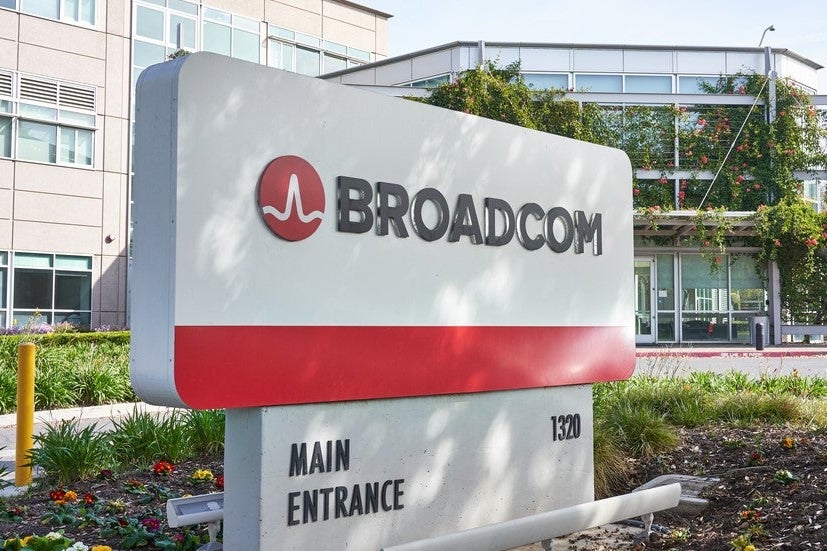
Broadcom's AI Semiconductor Revenue Soars 143% Amidst Market Concerns


- Significant Revenue Growth: Broadcom reported total revenue of $22.2 billion for its fiscal Q2 2026, marking a 48% year-over-year increase, with AI semiconductor revenue reaching $10.8 billion, reflecting a remarkable 143% growth, indicating strong market demand and business expansion potential.
- Market Reaction Disappointment: Despite the robust performance, Broadcom's forward guidance fell short of Wall Street expectations, resulting in a 20% decline in stock price from its all-time high last Friday, highlighting investor concerns about future growth prospects.
- AI Hardware Demand Outlook: CEO Hock Tan maintained a revenue guidance of $100 billion for fiscal 2027, yet the market is skeptical about whether peak AI hardware demand has been reached, which could significantly impact future investment returns.
- Increased Valuation Pressure: With a price-to-sales ratio of 24.9, well above the 10-year average of 10.1, the market is pricing in high expectations for future revenue growth, but this elevated valuation makes the stock highly sensitive to any signs of demand slowdown.
See More

SpaceX's Historic IPO Set for June 12, Valuation at $1.77 Trillion

- Massive IPO: SpaceX is set to launch its IPO on June 12 at a price of $135 per share, aiming to sell 555.6 million shares for a total of $75 billion, leading to a valuation of $1.77 trillion, reflecting strong market confidence in its growth prospects.
- Rocket Launch Leader: Last year, SpaceX completed 165 orbital launches, making it the leader in the industry, with 85% of missions utilizing reusable boosters, significantly reducing launch costs and expected to further increase launch frequency and decrease expenses in the future.
- AI Business Attracts Investment: Despite a net loss of $4.9 billion last year due to heavy investments in its AI division, SpaceX's revenue soared to $18 billion, indicating its potential in high-growth markets and attracting significant investor interest.
- Starlink Profitability: SpaceX's satellite internet service, Starlink, generated over $7.1 billion in adjusted EBITDA last year, serving as the company's primary revenue source and is expected to continue improving overall financial performance in the near future.
See More

Broadcom Earnings Trigger Semiconductor Sell-Off
- Strong Earnings Performance: Broadcom reported total revenue of $22.2 billion for Q2 2026, marking a 48% year-over-year increase, with AI semiconductor revenue reaching $10.8 billion, reflecting a robust demand and growth potential in the sector.
- Guidance Falls Short: Despite strong quarterly results, Broadcom's guidance for Q3 AI revenue at $16 billion was below Wall Street's expectation of $16.36 billion, leading to a 20% stock decline and raising concerns about peak AI hardware demand.
- Intensifying Market Competition: Broadcom supplies custom AI accelerators to companies like Alphabet and Meta, helping them reduce reliance on Nvidia, but rising AI costs have led to customer concerns about spending, which could impact future demand.
- High Valuation Risks: Even after a 20% drop, Broadcom's price-to-sales ratio remains at 24.9, significantly above its 10-year average of 10.1, indicating that the market is pricing in high future revenue growth, prompting investors to approach current buying opportunities with caution.
See More

SpaceX IPO Expected to Reach $1.7 Trillion Valuation
- Massive IPO: SpaceX is set to launch its initial public offering on June 12, pricing shares at $135 and aiming to sell 555.6 million shares, raising $75 billion and achieving a valuation of $1.77 trillion, marking it as one of the largest IPOs in history and generating significant investor interest.
- Diverse Operations: Operating in rocket launches, satellite internet services, and artificial intelligence, SpaceX completed 165 orbital launches last year, totaling around 650, with 85% of missions utilizing reusable boosters, significantly reducing launch costs and enhancing competitive positioning in the market.
- Financial Performance: Despite reporting a net loss of $4.9 billion last year, SpaceX's revenue soared to $18 billion, with its Starlink satellite internet service contributing over $7.1 billion in adjusted EBITDA, indicating strong potential for profitability in high-growth markets.
- Investor Sentiment: While the company's high spending and current losses may deter some investors, its ambitious goals, such as operating data centers in space and colonizing Mars, continue to attract attention, prompting investors to weigh risks against potential rewards.
See More
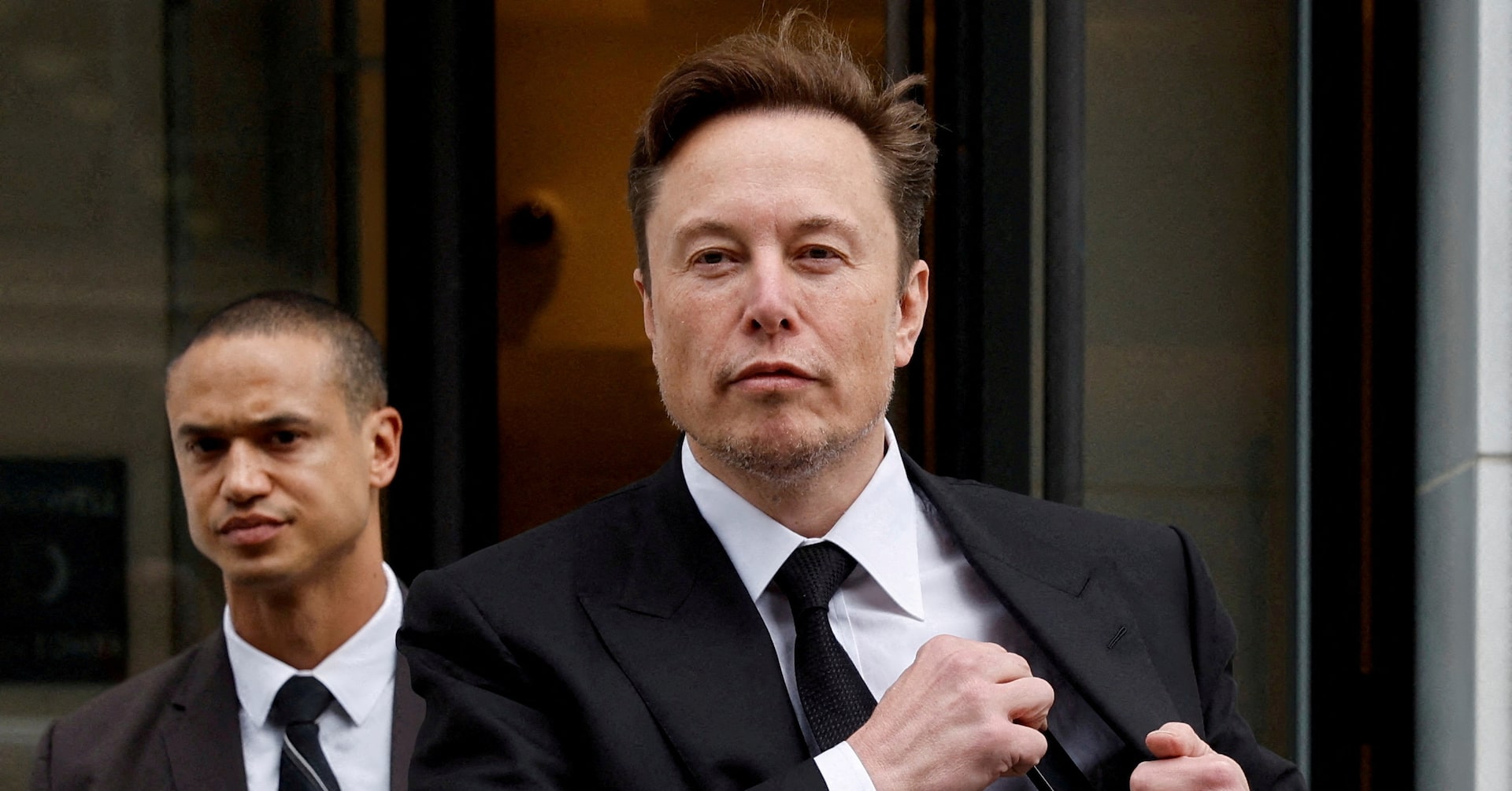
Tesla Advances in Autonomous Driving but Trails Waymo

- Autonomous Driving Progress: Tesla has expanded its driverless robotaxi operations in Texas, estimated to be operating a fleet of about 30 to 50 vehicles, marking a significant advancement from earlier testing phases to conducting rides without safety drivers, although the gap with Waymo remains substantial.
- Market Competition Landscape: Waymo operates thousands of autonomous vehicles across several major U.S. cities and has established commercial services generating meaningful ride volumes, showcasing its significant first-mover advantage, while Tesla still has work to do to catch up in this area.
- Strategic Differentiation: Tesla's reliance on cameras and artificial intelligence, rather than the expensive sensor suites and detailed mapping systems used by some competitors, could lower costs and allow for faster scaling if the technology proves reliable.
- Future Expansion Plans: Tesla plans to launch robotaxi services in Phoenix, Miami, Orlando, Tampa, and Las Vegas, and has begun pilot production of its purpose-built Cybercab, providing a potential catalyst for future growth.
See More
Valuation Analysis and Risks of SpaceX IPO
- Valuation Analysis: NYU finance professor Aswath Damodaran believes SpaceX's target price of $135 implies a valuation of $1.77 trillion, yet he assesses its true value between $1.25 trillion and $1.35 trillion, indicating a potential overvaluation in the market.
- Business Diversity: SpaceX operates in three primary sectors: space launches, Starlink connectivity, and artificial intelligence (xAI), where the space and connectivity segments show strong unit economics, but the AI sector faces intense competition and high capital expenditures, potentially impacting overall profitability.
- Investment Risks: Damodaran emphasizes that investing in SpaceX at this valuation represents a significant bet on AI and Elon Musk, acknowledging that while market perceptions can shift, the current investment risks remain substantial.
- Market Dynamics: With SpaceX set to debut on Nasdaq on June 12, Damodaran references historical volatility in similar companies like Facebook and Uber post-IPO, suggesting that investors should approach this opportunity with caution due to inherent uncertainties.
See More
Broadcom's AI Semiconductor Revenue Soars 143% Amidst Market Concerns
- Significant Revenue Growth: Broadcom reported total revenue of $22.2 billion for its fiscal Q2 2026, marking a 48% year-over-year increase, with AI semiconductor revenue reaching $10.8 billion, reflecting a remarkable 143% growth, indicating strong market demand and business expansion potential.
- Market Reaction Disappointment: Despite the robust performance, Broadcom's forward guidance fell short of Wall Street expectations, resulting in a 20% decline in stock price from its all-time high last Friday, highlighting investor concerns about future growth prospects.
- AI Hardware Demand Outlook: CEO Hock Tan maintained a revenue guidance of $100 billion for fiscal 2027, yet the market is skeptical about whether peak AI hardware demand has been reached, which could significantly impact future investment returns.
- Increased Valuation Pressure: With a price-to-sales ratio of 24.9, well above the 10-year average of 10.1, the market is pricing in high expectations for future revenue growth, but this elevated valuation makes the stock highly sensitive to any signs of demand slowdown.
See More
SpaceX's Historic IPO Set for June 12, Valuation at $1.77 Trillion
- Massive IPO: SpaceX is set to launch its IPO on June 12 at a price of $135 per share, aiming to sell 555.6 million shares for a total of $75 billion, leading to a valuation of $1.77 trillion, reflecting strong market confidence in its growth prospects.
- Rocket Launch Leader: Last year, SpaceX completed 165 orbital launches, making it the leader in the industry, with 85% of missions utilizing reusable boosters, significantly reducing launch costs and expected to further increase launch frequency and decrease expenses in the future.
- AI Business Attracts Investment: Despite a net loss of $4.9 billion last year due to heavy investments in its AI division, SpaceX's revenue soared to $18 billion, indicating its potential in high-growth markets and attracting significant investor interest.
- Starlink Profitability: SpaceX's satellite internet service, Starlink, generated over $7.1 billion in adjusted EBITDA last year, serving as the company's primary revenue source and is expected to continue improving overall financial performance in the near future.
See More
Broadcom Earnings Trigger Semiconductor Sell-Off
- Strong Earnings Performance: Broadcom reported total revenue of $22.2 billion for Q2 2026, marking a 48% year-over-year increase, with AI semiconductor revenue reaching $10.8 billion, reflecting a robust demand and growth potential in the sector.
- Guidance Falls Short: Despite strong quarterly results, Broadcom's guidance for Q3 AI revenue at $16 billion was below Wall Street's expectation of $16.36 billion, leading to a 20% stock decline and raising concerns about peak AI hardware demand.
- Intensifying Market Competition: Broadcom supplies custom AI accelerators to companies like Alphabet and Meta, helping them reduce reliance on Nvidia, but rising AI costs have led to customer concerns about spending, which could impact future demand.
- High Valuation Risks: Even after a 20% drop, Broadcom's price-to-sales ratio remains at 24.9, significantly above its 10-year average of 10.1, indicating that the market is pricing in high future revenue growth, prompting investors to approach current buying opportunities with caution.
See More
SpaceX IPO Expected to Reach $1.7 Trillion Valuation
- Massive IPO: SpaceX is set to launch its initial public offering on June 12, pricing shares at $135 and aiming to sell 555.6 million shares, raising $75 billion and achieving a valuation of $1.77 trillion, marking it as one of the largest IPOs in history and generating significant investor interest.
- Diverse Operations: Operating in rocket launches, satellite internet services, and artificial intelligence, SpaceX completed 165 orbital launches last year, totaling around 650, with 85% of missions utilizing reusable boosters, significantly reducing launch costs and enhancing competitive positioning in the market.
- Financial Performance: Despite reporting a net loss of $4.9 billion last year, SpaceX's revenue soared to $18 billion, with its Starlink satellite internet service contributing over $7.1 billion in adjusted EBITDA, indicating strong potential for profitability in high-growth markets.
- Investor Sentiment: While the company's high spending and current losses may deter some investors, its ambitious goals, such as operating data centers in space and colonizing Mars, continue to attract attention, prompting investors to weigh risks against potential rewards.
See More
Tesla Advances in Autonomous Driving but Trails Waymo
- Autonomous Driving Progress: Tesla has expanded its driverless robotaxi operations in Texas, estimated to be operating a fleet of about 30 to 50 vehicles, marking a significant advancement from earlier testing phases to conducting rides without safety drivers, although the gap with Waymo remains substantial.
- Market Competition Landscape: Waymo operates thousands of autonomous vehicles across several major U.S. cities and has established commercial services generating meaningful ride volumes, showcasing its significant first-mover advantage, while Tesla still has work to do to catch up in this area.
- Strategic Differentiation: Tesla's reliance on cameras and artificial intelligence, rather than the expensive sensor suites and detailed mapping systems used by some competitors, could lower costs and allow for faster scaling if the technology proves reliable.
- Future Expansion Plans: Tesla plans to launch robotaxi services in Phoenix, Miami, Orlando, Tampa, and Las Vegas, and has begun pilot production of its purpose-built Cybercab, providing a potential catalyst for future growth.
See More