Valid Systems Launches Data Integration on Snowflake AI Data Cloud
Valid Systems announced the launch of a data integration on the Snowflake AI Data Cloud, that enables financial institutions to deploy AI and machine learning models directly within the Snowflake cloud environment for instantaneous decision making and deposit fraud mitigation. "What makes our approach truly differentiated is the depth of intelligence behind every decision," said Mike Ring, Chief Technology Officer of Valid Systems. "We pair every transaction with a rich set of behavioral features, so our models see the full picture, not just the transaction in isolation. Snowflake provides the horsepower for us to process that volume of data in real time, allowing us to bring sophisticated risk intelligence to financial institutions of all sizes."
Trade with 70% Backtested Accuracy
Analyst Views on SNOW

About SNOW
About the author

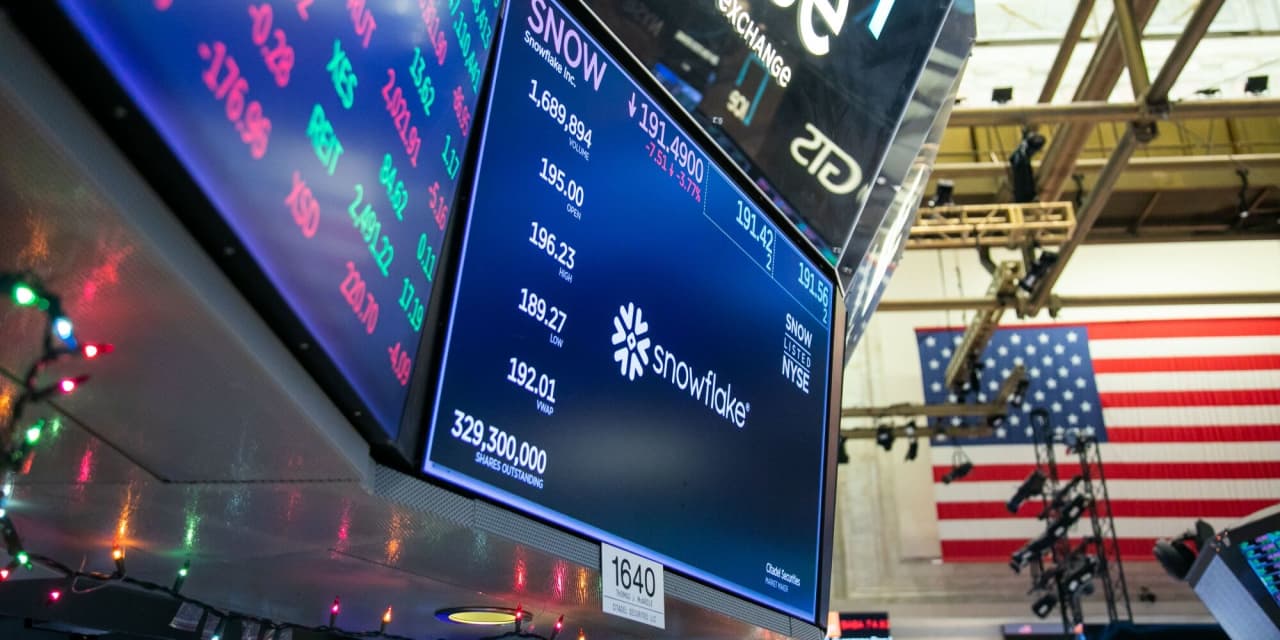
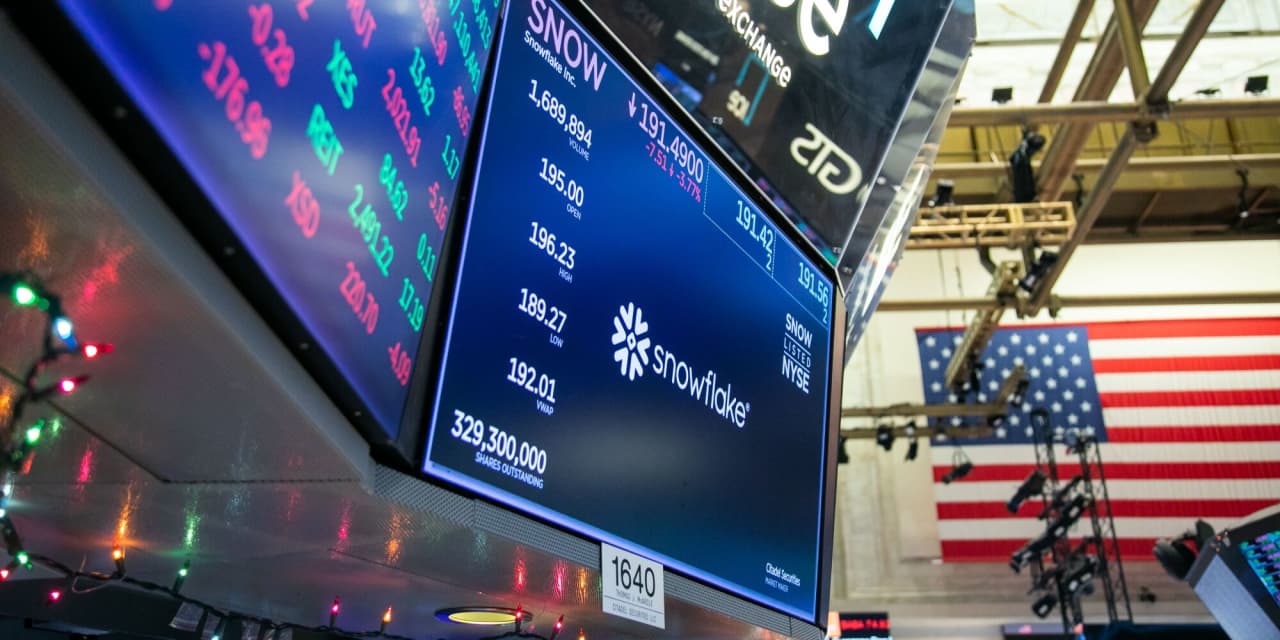
Snowflake Growth Reaccelerates Amid AI Demand

- Growth Reacceleration: Snowflake has moved beyond the panic phase as demand for governed enterprise data surges due to artificial intelligence, indicating a strong recovery potential in the market.
- Guidance Increase: The company has raised its future performance guidance, reflecting management's increased confidence in business prospects, which may attract more investor interest.
- Valuation Risks: Despite the optimistic outlook, the current valuation is high, and if competition intensifies or growth momentum slows, it could put pressure on stock prices, necessitating caution from investors.
- Market Comparison: Unlike successful cases like Nvidia, Snowflake is not included in the analyst-recommended best stocks list, indicating a cautious market sentiment regarding its future performance.

Snowflake Growth Reaccelerates Amid AI Demand
- Growth Reacceleration: Snowflake has moved beyond the panic phase, showing strong signs of market recovery as growth reaccelerates, indicating enhanced competitiveness in the data management sector.
- Guidance Increase: The company's upward revision of future performance guidance reflects management's optimistic outlook on market demand, particularly with the significant increase in enterprise data governance driven by artificial intelligence.
- Market Opportunities: With the rise of artificial intelligence, Snowflake has identified new market opportunities that not only provide new demand sources for its products but also have the potential to drive revenue growth in the future.
- Valuation Risks: Despite the positive outlook, the current valuation levels leave the company exposed to significant downside risks if competition intensifies or growth momentum slows, necessitating cautious assessment from investors regarding potential market volatility.

Apple Faces Price Hike Challenges Amid Market Turmoil


- Significant Stock Drop: Apple (AAPL) experienced its largest single-day stock decline in over a year following the announcement of price increases on nearly all products, raising concerns about its pricing strategy and potential impacts on future sales and market share.
- Intensified Competition Impact: The shortage of memory chips has driven prices up, highlighted by Micron's strong performance, suggesting that Apple's pricing strategy may weaken its profitability in a fiercely competitive market, especially with AI demand driving costs higher.
- Market Sentiment Decline: A global tech stock sell-off has led to widespread declines in Asian markets, with South Korea's Kospi index plummeting over 8% in early trading, reflecting investor pessimism about the future performance of tech stocks, which could adversely affect Apple's stock performance.
- IPO Delay Rumors: OpenAI is considering delaying its IPO plans, which could impact its valuation; the CEO has stated a reluctance to lower the target valuation, and this news may have a ripple effect on market confidence in Apple, particularly among AI-related investors.
JTEK Stock Price Analysis and ETF Dynamics

- Price Fluctuation Analysis: JTEK's 52-week low is $75.255 and high is $111.32, with the last trade at $105.20, indicating price volatility near the high point that may influence investor buying decisions.
- Technical Analysis Tool: Comparing the current stock price to the 200-day moving average can provide valuable insights for investors, aiding in market trend assessment and potential buying opportunities.
- ETF Trading Mechanism: Exchange-traded funds (ETFs) trade like stocks, where investors buy and sell 'units' that can be created or destroyed based on demand, impacting liquidity and market performance.
- Inflows and Outflows Monitoring: Weekly monitoring of changes in ETF shares outstanding focuses on those experiencing notable inflows (new units created) or outflows (old units destroyed), assessing their impact on underlying assets and market sentiment.

SpaceX Stock Plummets Post-IPO Amid Historical Trends


- Stock Decline: SpaceX's stock has dropped 23% from its post-IPO high of $202, currently trading at $156, indicating market concerns over its high valuation that may lead to decreased investor confidence.
- Historical Trends: Among the 15 largest IPOs since 2006, the average stock price has fallen 50% within the first year, suggesting that SpaceX's shares could decline further to $67.50 in the coming months, reflecting pessimistic market expectations for its future performance.
- Overvaluation: With a market value of $2 trillion and $19.3 billion in revenue over the past four quarters, SpaceX's price-to-sales ratio stands at 104, nearly double that of Palantir, the highest-valued stock in the S&P 500, indicating that such high valuations are unsustainable.
- Investment Strategy Advice: Historical data shows that investors typically underperform in large IPOs, suggesting that investors should wait for a more attractive buying opportunity rather than rushing in at high prices.

SpaceX Achieves Record IPO, Faces Significant Stock Volatility

- Record IPO Achievement: SpaceX made its market debut on June 12, raising a staggering $75 billion and achieving a market capitalization of nearly $1.8 trillion, marking the largest IPO in history and reflecting strong market confidence in its growth prospects.
- Significant Stock Volatility: Despite a 19% increase on its first trading day to $135, the stock has since fallen 23% to $156 as of June 23, indicating investor concerns about its long-term performance, particularly given the historical trend of large IPOs experiencing substantial declines.
- Future Performance Predictions: Historical data suggests that SpaceX's stock could drop by 50% within the next year, potentially reaching $67.50, and it is expected to trade 33% below its IPO price by year-end, highlighting the need for investors to approach short-term investment opportunities with caution.
- High Valuation Risks: With a market cap of $2 trillion and revenue of only $19.3 billion over the past four quarters, SpaceX's price-to-sales ratio stands at an exorbitant 104, nearly double that of the highest-valued company in the S&P 500, indicating that such a high valuation may be unsustainable in changing market conditions.
Snowflake Growth Reaccelerates Amid AI Demand
- Growth Reacceleration: Snowflake has moved beyond the panic phase as demand for governed enterprise data surges due to artificial intelligence, indicating a strong recovery potential in the market.
- Guidance Increase: The company has raised its future performance guidance, reflecting management's increased confidence in business prospects, which may attract more investor interest.
- Valuation Risks: Despite the optimistic outlook, the current valuation is high, and if competition intensifies or growth momentum slows, it could put pressure on stock prices, necessitating caution from investors.
- Market Comparison: Unlike successful cases like Nvidia, Snowflake is not included in the analyst-recommended best stocks list, indicating a cautious market sentiment regarding its future performance.
Snowflake Growth Reaccelerates Amid AI Demand
- Growth Reacceleration: Snowflake has moved beyond the panic phase, showing strong signs of market recovery as growth reaccelerates, indicating enhanced competitiveness in the data management sector.
- Guidance Increase: The company's upward revision of future performance guidance reflects management's optimistic outlook on market demand, particularly with the significant increase in enterprise data governance driven by artificial intelligence.
- Market Opportunities: With the rise of artificial intelligence, Snowflake has identified new market opportunities that not only provide new demand sources for its products but also have the potential to drive revenue growth in the future.
- Valuation Risks: Despite the positive outlook, the current valuation levels leave the company exposed to significant downside risks if competition intensifies or growth momentum slows, necessitating cautious assessment from investors regarding potential market volatility.
Apple Faces Price Hike Challenges Amid Market Turmoil
- Significant Stock Drop: Apple (AAPL) experienced its largest single-day stock decline in over a year following the announcement of price increases on nearly all products, raising concerns about its pricing strategy and potential impacts on future sales and market share.
- Intensified Competition Impact: The shortage of memory chips has driven prices up, highlighted by Micron's strong performance, suggesting that Apple's pricing strategy may weaken its profitability in a fiercely competitive market, especially with AI demand driving costs higher.
- Market Sentiment Decline: A global tech stock sell-off has led to widespread declines in Asian markets, with South Korea's Kospi index plummeting over 8% in early trading, reflecting investor pessimism about the future performance of tech stocks, which could adversely affect Apple's stock performance.
- IPO Delay Rumors: OpenAI is considering delaying its IPO plans, which could impact its valuation; the CEO has stated a reluctance to lower the target valuation, and this news may have a ripple effect on market confidence in Apple, particularly among AI-related investors.
JTEK Stock Price Analysis and ETF Dynamics
- Price Fluctuation Analysis: JTEK's 52-week low is $75.255 and high is $111.32, with the last trade at $105.20, indicating price volatility near the high point that may influence investor buying decisions.
- Technical Analysis Tool: Comparing the current stock price to the 200-day moving average can provide valuable insights for investors, aiding in market trend assessment and potential buying opportunities.
- ETF Trading Mechanism: Exchange-traded funds (ETFs) trade like stocks, where investors buy and sell 'units' that can be created or destroyed based on demand, impacting liquidity and market performance.
- Inflows and Outflows Monitoring: Weekly monitoring of changes in ETF shares outstanding focuses on those experiencing notable inflows (new units created) or outflows (old units destroyed), assessing their impact on underlying assets and market sentiment.
SpaceX Stock Plummets Post-IPO Amid Historical Trends
- Stock Decline: SpaceX's stock has dropped 23% from its post-IPO high of $202, currently trading at $156, indicating market concerns over its high valuation that may lead to decreased investor confidence.
- Historical Trends: Among the 15 largest IPOs since 2006, the average stock price has fallen 50% within the first year, suggesting that SpaceX's shares could decline further to $67.50 in the coming months, reflecting pessimistic market expectations for its future performance.
- Overvaluation: With a market value of $2 trillion and $19.3 billion in revenue over the past four quarters, SpaceX's price-to-sales ratio stands at 104, nearly double that of Palantir, the highest-valued stock in the S&P 500, indicating that such high valuations are unsustainable.
- Investment Strategy Advice: Historical data shows that investors typically underperform in large IPOs, suggesting that investors should wait for a more attractive buying opportunity rather than rushing in at high prices.
SpaceX Achieves Record IPO, Faces Significant Stock Volatility
- Record IPO Achievement: SpaceX made its market debut on June 12, raising a staggering $75 billion and achieving a market capitalization of nearly $1.8 trillion, marking the largest IPO in history and reflecting strong market confidence in its growth prospects.
- Significant Stock Volatility: Despite a 19% increase on its first trading day to $135, the stock has since fallen 23% to $156 as of June 23, indicating investor concerns about its long-term performance, particularly given the historical trend of large IPOs experiencing substantial declines.
- Future Performance Predictions: Historical data suggests that SpaceX's stock could drop by 50% within the next year, potentially reaching $67.50, and it is expected to trade 33% below its IPO price by year-end, highlighting the need for investors to approach short-term investment opportunities with caution.
- High Valuation Risks: With a market cap of $2 trillion and revenue of only $19.3 billion over the past four quarters, SpaceX's price-to-sales ratio stands at an exorbitant 104, nearly double that of the highest-valued company in the S&P 500, indicating that such a high valuation may be unsustainable in changing market conditions.