U.S. House Committee Urges Two U.S. Banks to Withdraw From CATL’s Listing
Written by Emily J. Thompson, Senior Investment Analyst
Updated: Apr 18 2025
0mins


Should l Buy TSLA?
Source: WSJ
Congressional Concerns: A U.S. congressional committee has urged Bank of America and JPMorgan Chase to withdraw from underwriting the initial public offering of Chinese battery giant Contemporary Amperex Technology, citing significant concerns over regulatory and reputational risks.
Regulatory Risks Highlighted: Rep. John Moolenaar emphasized that the banks' involvement in CATL's IPO could expose them to serious financial and regulatory challenges.
Trade with 70% Backtested Accuracy
Stop guessing "Should I Buy TSLA?" and start using high-conviction signals backed by rigorous historical data.
Sign up today to access powerful investing tools and make smarter, data-driven decisions.
Analyst Views on TSLA
Wall Street analysts forecast TSLA stock price to fall
30 Analyst Rating
12 Buy
11 Hold
7 Sell
Hold
Current: 428.270

Low
25.28
Averages
401.93
High
600.00
Current: 428.270
Low
25.28
Averages
401.93
High
600.00
About TSLA
Tesla, Inc. designs, develops, manufactures, sells and leases high-performance fully electric vehicles and energy generation and storage systems, and offers services related to its products. Its segments include automotive, and energy generation and storage. The automotive segment includes the design, development, manufacturing, sales and leasing of high-performance fully electric vehicles, and sales of automotive regulatory credits. It also includes sales of used vehicles, non-warranty maintenance services and collisions, part sales, paid supercharging, insurance services revenue and retail merchandise sales. The energy generation and storage segment include the design, manufacture, installation, sales and leasing of solar energy generation and energy storage products and related services and sales of solar energy systems incentives. Its consumer vehicles include the Model 3, Y, S, X and Cybertruck. Its lithium-ion battery energy storage products include Powerwall and Megapack.
About the author

Emily J. Thompson
Emily J. Thompson, a Chartered Financial Analyst (CFA) with 12 years in investment research, graduated with honors from the Wharton School. Specializing in industrial and technology stocks, she provides in-depth analysis for Intellectia’s earnings and market brief reports.
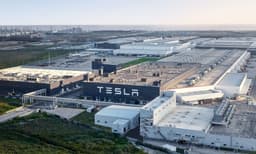
Tesla's Q4 2024 Earnings Analysis Reveals Surprising Profitability

- Steady Sales Performance: Tesla delivered 418,227 vehicles in Q4 2024, reflecting only a 15.6% year-over-year decline, significantly better than competitors' 88.6% drops, indicating strong customer demand despite a 3% overall revenue decrease.
- Margin Improvement: Tesla's gross margin increased from 15.4% in Q3 to 17.9% in Q4, despite launching lower-priced Model 3 and Model Y versions, showcasing successful cost management and product optimization that may enhance future profitability.
- Capital Expenditure Plans: Tesla anticipates capital expenditures exceeding $20 billion in 2026, a substantial increase from $8.5 billion in 2025, aimed at starting production at new factories and advancing technology development, reflecting the company's ambitious growth strategy.
- Market Competition Pressure: While Tesla experienced sales growth in the Asia-Pacific region, the company warned of potential margin compression across all business segments, indicating the need for continuous innovation to maintain its market leadership amid intense competition.
See More

Musk's Merger with AI Reshapes ARK Fund Investments
- Merger Scale: Musk's SpaceX and xAI have merged to form a new entity valued at $1.25 trillion, making SpaceX the largest single holding in the ARK fund at 11.23%, while xAI stands at 6.31%, together representing a significant 17.54% of the portfolio, enhancing the fund's market position.
- Market Impact: This merger breaks the global M&A record, with SpaceX acquiring xAI for approximately $1 trillion and xAI valued at around $250 billion, surpassing Vodafone's $203 billion acquisition of Mannesmann in 2000, marking Musk's strategic integration in space and AI.
- Portfolio Dominance: The combined entity dominates the ARK fund, significantly exceeding other holdings like Figure AI (4.24%) and Databricks (3.55%), providing investors with a stronger concentrated investment opportunity in the AI and aerospace sectors.
- Future IPO Outlook: SpaceX is reportedly preparing for a potential IPO later this year that could see its valuation exceed $1.5 trillion, and this merger consolidates high-conviction exposure for ARK investors, further solidifying its leadership in emerging markets.
See More

U.S. Stocks Plunge as Tech Sector Weighs Down Market


- Tech Sector Retreat: U.S. stocks experienced a significant decline on Thursday, with the S&P 500 down 1.57%, the Dow Jones down 1.34%, and the Nasdaq 100 down 2.04%, primarily driven by a sell-off in the Magnificent Seven tech stocks, indicating concerns over the profitability outlook in the tech sector.
- Cisco Systems Warning: Cisco Systems saw its stock plummet over 12% after forecasting that rising memory chip prices would erode profitability, raising investor concerns about future performance and potentially diminishing market confidence.
- Weak Economic Data: Initial jobless claims in the U.S. fell by 5,000 to 227,000, below the expected 223,000, while January existing home sales dropped 8.4% month-over-month to 3.91 million, marking a 16-month low, which reflects signs of economic slowdown that could impact market sentiment.
- Positive Earnings Season: Despite the overall market downturn, over 76% of S&P 500 companies that reported earnings exceeded expectations, with Q4 earnings projected to grow by 8.4%, indicating strong corporate profitability that may provide support for the market.
See More
Trump Announces Major Environmental Policy Change Impacting EV Market

- Market Reaction: Following the Trump administration's revocation of the greenhouse gas endangerment finding, shares of pure-play EV manufacturers like Tesla (TSLA), Rivian (RIVN), and Lucid (LCID) fell by as much as 5%, while traditional automakers such as General Motors (GM), Ford (F), and Stellantis (STLA) saw their stocks rise, with STLA increasing by 4% at its peak.
- Economic Impact: The EPA stated that the new final rule will save Americans over $1.3 trillion, primarily by reducing the costs of new vehicles and EV equipment purchases, potentially stimulating growth in the traditional automotive market.
- Policy Background: Trump claimed that the revoked scientific finding lacked factual and legal basis, asserting that it “severely damaged the American auto industry” and criticized existing EV promotion laws as “mandates,” which could lead to significant price increases for consumers.
- Consumer Impact: The EPA alleged that the repeal of the finding would result in average cost savings of over $2,400 per vehicle, although this could negatively affect EV sales, especially after the federal tax credit of $7,500 was eliminated last year.
See More

Trump's Reversal of EPA Finding Impacts Auto Industry

- Policy Reversal: The EPA's decision to reverse its finding on greenhouse gas harms may boost sales of gas-guzzling vehicles but poses a significant threat to the electric vehicle market, particularly after the removal of federal tax credits, which led to a dramatic drop in EV sales in October.
- Market Reaction: According to Cox Automotive, EVs peaked at 10.3% of the new vehicle market in September, just before federal incentives ended, but sales plummeted afterward, indicating a direct impact of policy changes on consumer demand for electric vehicles.
- Industry Opposition: Automakers like Tesla oppose the EPA's decision, arguing that reversing the endangerment finding undermines the regulatory framework that supports investments in EVs, potentially harming consumer choice and economic benefits while affecting the integrated North American automotive sector.
- Future Outlook: Despite policy challenges, the market potential for EVs remains strong, as battery prices decline and the number of models increases, with experts suggesting that the commercial viability of EVs will continue to grow, albeit at a slower pace due to current regulatory headwinds.
See More
EPA Reverses Greenhouse Gas Regulation Decision

- EPA Decision Reversal: The EPA's decision to no longer regulate greenhouse gases, based on its interpretation of the Clean Air Act, could pose significant challenges for the U.S. electric vehicle market, especially as global competition in EVs intensifies.
- Decline in EV Sales: Following the removal of federal tax credits, EV sales plummeted in October, dropping from 10.3% market share in September, highlighting a disconnect between consumer demand and policy support that may hinder future market growth.
- Automaker Responses: Ford has expressed support for a unified national standard, arguing that current emissions regulations do not align with consumer choices, reflecting the automotive industry's divisions over environmental policies, particularly between EVs and traditional vehicles.
- Tesla's Position: Tesla opposes the EPA's reconsideration of the endangerment finding, asserting that this regulatory framework has provided stability for its investments in product development, warning that abandoning fuel-efficiency goals could negatively impact consumer choice and economic benefits.
See More
Tesla's Q4 2024 Earnings Analysis Reveals Surprising Profitability
- Steady Sales Performance: Tesla delivered 418,227 vehicles in Q4 2024, reflecting only a 15.6% year-over-year decline, significantly better than competitors' 88.6% drops, indicating strong customer demand despite a 3% overall revenue decrease.
- Margin Improvement: Tesla's gross margin increased from 15.4% in Q3 to 17.9% in Q4, despite launching lower-priced Model 3 and Model Y versions, showcasing successful cost management and product optimization that may enhance future profitability.
- Capital Expenditure Plans: Tesla anticipates capital expenditures exceeding $20 billion in 2026, a substantial increase from $8.5 billion in 2025, aimed at starting production at new factories and advancing technology development, reflecting the company's ambitious growth strategy.
- Market Competition Pressure: While Tesla experienced sales growth in the Asia-Pacific region, the company warned of potential margin compression across all business segments, indicating the need for continuous innovation to maintain its market leadership amid intense competition.
See More
Musk's Merger with AI Reshapes ARK Fund Investments
- Merger Scale: Musk's SpaceX and xAI have merged to form a new entity valued at $1.25 trillion, making SpaceX the largest single holding in the ARK fund at 11.23%, while xAI stands at 6.31%, together representing a significant 17.54% of the portfolio, enhancing the fund's market position.
- Market Impact: This merger breaks the global M&A record, with SpaceX acquiring xAI for approximately $1 trillion and xAI valued at around $250 billion, surpassing Vodafone's $203 billion acquisition of Mannesmann in 2000, marking Musk's strategic integration in space and AI.
- Portfolio Dominance: The combined entity dominates the ARK fund, significantly exceeding other holdings like Figure AI (4.24%) and Databricks (3.55%), providing investors with a stronger concentrated investment opportunity in the AI and aerospace sectors.
- Future IPO Outlook: SpaceX is reportedly preparing for a potential IPO later this year that could see its valuation exceed $1.5 trillion, and this merger consolidates high-conviction exposure for ARK investors, further solidifying its leadership in emerging markets.
See More
U.S. Stocks Plunge as Tech Sector Weighs Down Market
- Tech Sector Retreat: U.S. stocks experienced a significant decline on Thursday, with the S&P 500 down 1.57%, the Dow Jones down 1.34%, and the Nasdaq 100 down 2.04%, primarily driven by a sell-off in the Magnificent Seven tech stocks, indicating concerns over the profitability outlook in the tech sector.
- Cisco Systems Warning: Cisco Systems saw its stock plummet over 12% after forecasting that rising memory chip prices would erode profitability, raising investor concerns about future performance and potentially diminishing market confidence.
- Weak Economic Data: Initial jobless claims in the U.S. fell by 5,000 to 227,000, below the expected 223,000, while January existing home sales dropped 8.4% month-over-month to 3.91 million, marking a 16-month low, which reflects signs of economic slowdown that could impact market sentiment.
- Positive Earnings Season: Despite the overall market downturn, over 76% of S&P 500 companies that reported earnings exceeded expectations, with Q4 earnings projected to grow by 8.4%, indicating strong corporate profitability that may provide support for the market.
See More
Trump Announces Major Environmental Policy Change Impacting EV Market
- Market Reaction: Following the Trump administration's revocation of the greenhouse gas endangerment finding, shares of pure-play EV manufacturers like Tesla (TSLA), Rivian (RIVN), and Lucid (LCID) fell by as much as 5%, while traditional automakers such as General Motors (GM), Ford (F), and Stellantis (STLA) saw their stocks rise, with STLA increasing by 4% at its peak.
- Economic Impact: The EPA stated that the new final rule will save Americans over $1.3 trillion, primarily by reducing the costs of new vehicles and EV equipment purchases, potentially stimulating growth in the traditional automotive market.
- Policy Background: Trump claimed that the revoked scientific finding lacked factual and legal basis, asserting that it “severely damaged the American auto industry” and criticized existing EV promotion laws as “mandates,” which could lead to significant price increases for consumers.
- Consumer Impact: The EPA alleged that the repeal of the finding would result in average cost savings of over $2,400 per vehicle, although this could negatively affect EV sales, especially after the federal tax credit of $7,500 was eliminated last year.
See More
Trump's Reversal of EPA Finding Impacts Auto Industry
- Policy Reversal: The EPA's decision to reverse its finding on greenhouse gas harms may boost sales of gas-guzzling vehicles but poses a significant threat to the electric vehicle market, particularly after the removal of federal tax credits, which led to a dramatic drop in EV sales in October.
- Market Reaction: According to Cox Automotive, EVs peaked at 10.3% of the new vehicle market in September, just before federal incentives ended, but sales plummeted afterward, indicating a direct impact of policy changes on consumer demand for electric vehicles.
- Industry Opposition: Automakers like Tesla oppose the EPA's decision, arguing that reversing the endangerment finding undermines the regulatory framework that supports investments in EVs, potentially harming consumer choice and economic benefits while affecting the integrated North American automotive sector.
- Future Outlook: Despite policy challenges, the market potential for EVs remains strong, as battery prices decline and the number of models increases, with experts suggesting that the commercial viability of EVs will continue to grow, albeit at a slower pace due to current regulatory headwinds.
See More
EPA Reverses Greenhouse Gas Regulation Decision
- EPA Decision Reversal: The EPA's decision to no longer regulate greenhouse gases, based on its interpretation of the Clean Air Act, could pose significant challenges for the U.S. electric vehicle market, especially as global competition in EVs intensifies.
- Decline in EV Sales: Following the removal of federal tax credits, EV sales plummeted in October, dropping from 10.3% market share in September, highlighting a disconnect between consumer demand and policy support that may hinder future market growth.
- Automaker Responses: Ford has expressed support for a unified national standard, arguing that current emissions regulations do not align with consumer choices, reflecting the automotive industry's divisions over environmental policies, particularly between EVs and traditional vehicles.
- Tesla's Position: Tesla opposes the EPA's reconsideration of the endangerment finding, asserting that this regulatory framework has provided stability for its investments in product development, warning that abandoning fuel-efficiency goals could negatively impact consumer choice and economic benefits.
See More