US Delays Adding Chinese Firms to Trade Blacklist Amid Tensions
Written by Emily J. Thompson, Senior Investment Analyst
Updated: 1 hour ago
0mins
Source: Newsfilter
- Blacklist Delay: The U.S. has refrained from adding over 100 companies, including Chinese AI startup DeepSeek and memory chipmaker CXMT, to its trade blacklist, indicating a desire to avoid escalating tensions with China amid ongoing rivalry.
- National Security Risks: DeepSeek has been accused of supporting Chinese military and intelligence operations while attempting to illegally access advanced U.S. chips through Southeast Asian shell companies, highlighting U.S. vigilance over technology exports.
- Stagnation of Entity List Updates: The U.S. has not updated its Entity List since October, marking the longest hiatus in over a decade, which may allow American technology to reach adversaries, thereby compromising national security.
- Policy and Enforcement Tools: The Commerce Department stated it employs various policy and enforcement tools to combat bad actors, yet the absence of new listings raises questions about its effectiveness, particularly in addressing technological threats from China.
Trade with 70% Backtested Accuracy
Stop guessing "Should I Buy NVDA?" and start using high-conviction signals backed by rigorous historical data.
Sign up today to access powerful investing tools and make smarter, data-driven decisions.
Analyst Views on NVDA
Wall Street analysts forecast NVDA stock price to rise
41 Analyst Rating
39 Buy
1 Hold
1 Sell
Strong Buy
Current: 212.450

Low
200.00
Averages
264.97
High
352.00
Current: 212.450
Low
200.00
Averages
264.97
High
352.00
About NVDA
NVIDIA Corporation is an artificial intelligence (AI) infrastructure company. The Company is engaged in accelerated computing to help solve the challenging computational problems. Its segments include Compute & Networking and Graphics. The Compute & Networking segment includes its Data Center accelerated computing and networking platforms and AI solutions and software, and automotive platforms and autonomous and electric vehicle solutions, including software. The Graphics segment includes GeForce GPUs for gaming and personal computers (PCs), and Quadro/NVIDIA RTX GPUs for enterprise workstation graphics. Its technology stack includes the foundational NVIDIA CUDA development platform that runs on all NVIDIA GPUs, as well as hundreds of domain-specific software libraries, frameworks, algorithms, software development kits (SDKs), and application programming interfaces (APIs). Its platforms address four markets, which include Data Center, Gaming, Professional Visualization, and Automotive.
About the author

Emily J. Thompson
Emily J. Thompson, a Chartered Financial Analyst (CFA) with 12 years in investment research, graduated with honors from the Wharton School. Specializing in industrial and technology stocks, she provides in-depth analysis for Intellectia’s earnings and market brief reports.

DGP Outperforms UGL in Five-Year Returns

- Return Comparison: DGP's five-year return of 242.93% significantly outpaces UGL's 200.29%, indicating DGP's structural advantage as an ETN, despite its direct credit risk tied to Deutsche Bank.
- Structural Differences: As an ETN issued by Deutsche Bank, DGP tracks an index calculation rather than holding physical futures, thus avoiding investor-level rolling costs, while UGL must roll futures contracts, which affects its performance due to contango or backwardation.
- Tax Implications: UGL holders receive a Schedule K-1 tax form, adding annual complexity, while DGP offers a 1099 form, simplifying tax handling and appealing to a broader investor base.
- Liquidity Considerations: UGL boasts larger asset size and tighter spreads, whereas DGP's smaller footprint can lead to wider bid-ask spreads during volatility, and the ETN carries closure or early redemption risks that UGL does not face.
See More

Nvidia Surpasses $5 Trillion Market Cap Amid AI Revolution
- Market Leadership: Nvidia has reached a market cap of approximately $5 trillion, making it the largest public company globally, with a share price of $205, reflecting strong market performance and investor confidence despite stock splits.
- Future Growth Potential: Wall Street analysts have set a 12-month price target for Nvidia as high as $743, indicating a potential tripling of the current stock price, which would value the company at over $15 trillion, showcasing strong market expectations for its AI chip platform, Vera Rubin.
- Product Launch Catalyst: The Vera Rubin chip platform is set to begin production and shipping in the coming months, combining six chips to create an AI supercomputer, marking a significant shift for Nvidia as the AI industry transitions from training to inference, potentially driving new growth.
- Sales Growth Outlook: Nvidia anticipates total orders from Vera Rubin and its flagship architecture, Grace Blackwell, to reach $1 trillion by 2027, which, when compared to the $253.5 billion in sales over the past 12 months, indicates substantial revenue growth ahead for the company.
See More

Analysts Bullish on Nvidia's Growth Potential
- Bullish Market Expectations: Wall Street analysts have set a 12-month price target for Nvidia as high as $743, which, despite the current share price of $205, implies a market cap exceeding $15 trillion, reflecting strong confidence in the future of the AI industry.
- Product-Driven Growth: Nvidia's next-generation AI chip platform, Vera Rubin, is set to enter full production and begin shipping in the coming months, significantly enhancing the company's market share and driving revenue growth at a critical time when the AI sector shifts from training to inference.
- Massive Order Potential: Nvidia anticipates total orders from Vera Rubin and its current flagship architecture, Grace Blackwell, to reach $1 trillion by 2027, indicating tremendous revenue growth potential, with total sales of $253.5 billion over the past 12 months.
- Strong Investor Confidence: A CNN Business survey shows that 94% of 69 Wall Street analysts rate Nvidia as a buy; while the stock may struggle to reach $700 in the short term, the company's future growth prospects continue to attract investor interest.
See More

US Delays Adding Chinese Firms to Trade Blacklist Amid Tensions
- Blacklist Delay: The U.S. has refrained from adding over 100 companies, including Chinese AI startup DeepSeek and memory chipmaker CXMT, to its trade blacklist, indicating a desire to avoid escalating tensions with China amid ongoing rivalry.
- National Security Risks: DeepSeek has been accused of supporting Chinese military and intelligence operations while attempting to illegally access advanced U.S. chips through Southeast Asian shell companies, highlighting U.S. vigilance over technology exports.
- Stagnation of Entity List Updates: The U.S. has not updated its Entity List since October, marking the longest hiatus in over a decade, which may allow American technology to reach adversaries, thereby compromising national security.
- Policy and Enforcement Tools: The Commerce Department stated it employs various policy and enforcement tools to combat bad actors, yet the absence of new listings raises questions about its effectiveness, particularly in addressing technological threats from China.
See More

Memory Chip Market Surge: Which is the Better Buy, Micron or Sandisk?

- Sandisk's Revenue Surge: In Q3 2026, Sandisk reported a 251% year-over-year revenue increase to $5.95 billion, with non-GAAP EPS soaring from $6.20 to $23.41, reflecting robust demand in the data center market.
- Diverse Supply Agreements: Sandisk has secured five multi-year supply agreements that cover over a third of its fiscal 2027 output, backed by more than $11 billion in enforceable financial guarantees, enhancing its market position.
- Micron's Strong Growth: Micron's revenue reached $23.86 billion in Q2 2026, nearly tripling from the previous year, with adjusted EPS at $12.20 and a record gross margin of 75%, showcasing its strong performance in the memory market.
- Optimistic Future Outlook: Micron anticipates Q3 2026 revenue of approximately $33.5 billion, exceeding any full-year revenue through fiscal 2024, while planning to invest over $25 billion in new plants and equipment, demonstrating confidence in future growth.
See More
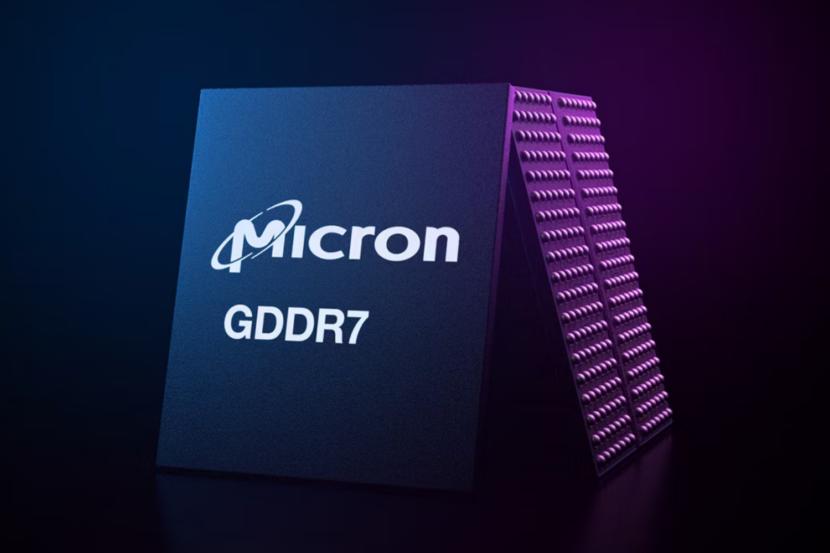
AI-Driven Chip Price Surge Boosts Stocks
- Surge in Storage Demand: Driven by rapid AI advancements, chip prices for Sandisk and Micron soared in 2026, with Sandisk's stock climbing over 700% and Micron tripling, reflecting strong market demand for storage and memory.
- Sandisk Contract Lock-In: Sandisk secured five multiyear supply agreements worth over $11 billion, ensuring more than a third of its fiscal 2027 output, a strategy that will provide stable revenue streams and mitigate market volatility risks.
- Micron Financial Performance: In its fiscal Q2 2026, Micron reported revenue of $23.86 billion, nearly tripling year-over-year, with adjusted earnings per share at $12.20, showcasing its robust profitability in the DRAM and high-bandwidth memory markets.
- Future Outlook: Micron anticipates revenue of about $33.5 billion in fiscal Q3 2026, exceeding any full-year revenue through fiscal 2024, although it expects to spend over $25 billion on new plants and equipment, indicating ambitious expansion plans.
See More
DGP Outperforms UGL in Five-Year Returns
- Return Comparison: DGP's five-year return of 242.93% significantly outpaces UGL's 200.29%, indicating DGP's structural advantage as an ETN, despite its direct credit risk tied to Deutsche Bank.
- Structural Differences: As an ETN issued by Deutsche Bank, DGP tracks an index calculation rather than holding physical futures, thus avoiding investor-level rolling costs, while UGL must roll futures contracts, which affects its performance due to contango or backwardation.
- Tax Implications: UGL holders receive a Schedule K-1 tax form, adding annual complexity, while DGP offers a 1099 form, simplifying tax handling and appealing to a broader investor base.
- Liquidity Considerations: UGL boasts larger asset size and tighter spreads, whereas DGP's smaller footprint can lead to wider bid-ask spreads during volatility, and the ETN carries closure or early redemption risks that UGL does not face.
See More
Nvidia Surpasses $5 Trillion Market Cap Amid AI Revolution
- Market Leadership: Nvidia has reached a market cap of approximately $5 trillion, making it the largest public company globally, with a share price of $205, reflecting strong market performance and investor confidence despite stock splits.
- Future Growth Potential: Wall Street analysts have set a 12-month price target for Nvidia as high as $743, indicating a potential tripling of the current stock price, which would value the company at over $15 trillion, showcasing strong market expectations for its AI chip platform, Vera Rubin.
- Product Launch Catalyst: The Vera Rubin chip platform is set to begin production and shipping in the coming months, combining six chips to create an AI supercomputer, marking a significant shift for Nvidia as the AI industry transitions from training to inference, potentially driving new growth.
- Sales Growth Outlook: Nvidia anticipates total orders from Vera Rubin and its flagship architecture, Grace Blackwell, to reach $1 trillion by 2027, which, when compared to the $253.5 billion in sales over the past 12 months, indicates substantial revenue growth ahead for the company.
See More
Analysts Bullish on Nvidia's Growth Potential
- Bullish Market Expectations: Wall Street analysts have set a 12-month price target for Nvidia as high as $743, which, despite the current share price of $205, implies a market cap exceeding $15 trillion, reflecting strong confidence in the future of the AI industry.
- Product-Driven Growth: Nvidia's next-generation AI chip platform, Vera Rubin, is set to enter full production and begin shipping in the coming months, significantly enhancing the company's market share and driving revenue growth at a critical time when the AI sector shifts from training to inference.
- Massive Order Potential: Nvidia anticipates total orders from Vera Rubin and its current flagship architecture, Grace Blackwell, to reach $1 trillion by 2027, indicating tremendous revenue growth potential, with total sales of $253.5 billion over the past 12 months.
- Strong Investor Confidence: A CNN Business survey shows that 94% of 69 Wall Street analysts rate Nvidia as a buy; while the stock may struggle to reach $700 in the short term, the company's future growth prospects continue to attract investor interest.
See More
US Delays Adding Chinese Firms to Trade Blacklist Amid Tensions
- Blacklist Delay: The U.S. has refrained from adding over 100 companies, including Chinese AI startup DeepSeek and memory chipmaker CXMT, to its trade blacklist, indicating a desire to avoid escalating tensions with China amid ongoing rivalry.
- National Security Risks: DeepSeek has been accused of supporting Chinese military and intelligence operations while attempting to illegally access advanced U.S. chips through Southeast Asian shell companies, highlighting U.S. vigilance over technology exports.
- Stagnation of Entity List Updates: The U.S. has not updated its Entity List since October, marking the longest hiatus in over a decade, which may allow American technology to reach adversaries, thereby compromising national security.
- Policy and Enforcement Tools: The Commerce Department stated it employs various policy and enforcement tools to combat bad actors, yet the absence of new listings raises questions about its effectiveness, particularly in addressing technological threats from China.
See More
Memory Chip Market Surge: Which is the Better Buy, Micron or Sandisk?
- Sandisk's Revenue Surge: In Q3 2026, Sandisk reported a 251% year-over-year revenue increase to $5.95 billion, with non-GAAP EPS soaring from $6.20 to $23.41, reflecting robust demand in the data center market.
- Diverse Supply Agreements: Sandisk has secured five multi-year supply agreements that cover over a third of its fiscal 2027 output, backed by more than $11 billion in enforceable financial guarantees, enhancing its market position.
- Micron's Strong Growth: Micron's revenue reached $23.86 billion in Q2 2026, nearly tripling from the previous year, with adjusted EPS at $12.20 and a record gross margin of 75%, showcasing its strong performance in the memory market.
- Optimistic Future Outlook: Micron anticipates Q3 2026 revenue of approximately $33.5 billion, exceeding any full-year revenue through fiscal 2024, while planning to invest over $25 billion in new plants and equipment, demonstrating confidence in future growth.
See More
AI-Driven Chip Price Surge Boosts Stocks
- Surge in Storage Demand: Driven by rapid AI advancements, chip prices for Sandisk and Micron soared in 2026, with Sandisk's stock climbing over 700% and Micron tripling, reflecting strong market demand for storage and memory.
- Sandisk Contract Lock-In: Sandisk secured five multiyear supply agreements worth over $11 billion, ensuring more than a third of its fiscal 2027 output, a strategy that will provide stable revenue streams and mitigate market volatility risks.
- Micron Financial Performance: In its fiscal Q2 2026, Micron reported revenue of $23.86 billion, nearly tripling year-over-year, with adjusted earnings per share at $12.20, showcasing its robust profitability in the DRAM and high-bandwidth memory markets.
- Future Outlook: Micron anticipates revenue of about $33.5 billion in fiscal Q3 2026, exceeding any full-year revenue through fiscal 2024, although it expects to spend over $25 billion on new plants and equipment, indicating ambitious expansion plans.
See More