UnitedHealth Group Stock Continues to Decline
Written by Emily J. Thompson, Senior Investment Analyst
Updated: Feb 04 2026
0mins
Source: Fool
- Stock Price Decline: As of the end of January 2026, UnitedHealth Group's stock has fallen 13%, following a 35% drop in 2025, indicating a significant sell-off by investors and a pessimistic outlook on its future.
- Weak Earnings Report: The company reported adjusted earnings per share of $2.11 for the fourth quarter, slightly beating the $2.10 expectation, but total revenue of $113.2 billion fell short of the $113.82 billion forecast, highlighting growth challenges.
- Medicare Policy Impact: The Trump administration's proposal to keep Medicare Advantage rates flat in 2027, with an expected increase of only 0.09% compared to the anticipated 4%, poses significant pressure on UnitedHealth and other health insurers.
- Bleak Future Outlook: UnitedHealth forecasts revenue of approximately $439 billion for 2026, representing a 2% year-over-year decline, and with rising medical costs and utilization rates, revenue growth appears difficult in the short term, necessitating investor patience.
Trade with 70% Backtested Accuracy
Stop guessing "Should I Buy UNH?" and start using high-conviction signals backed by rigorous historical data.
Sign up today to access powerful investing tools and make smarter, data-driven decisions.
Analyst Views on UNH
Wall Street analysts forecast UNH stock price to rise
19 Analyst Rating
16 Buy
3 Hold
0 Sell
Strong Buy
Current: 376.860

Low
330.00
Averages
397.82
High
444.00
Current: 376.860
Low
330.00
Averages
397.82
High
444.00
About UNH
UnitedHealth Group Incorporated is a healthcare and well-being company. Its segments include Optum Health, Optum Insight, Optum Rx, and UnitedHealthcare, which includes UnitedHealthcare Employer & Individual, UnitedHealthcare Medicare & Retirement and UnitedHealthcare Community & State. Optum Health provides comprehensive and patient-centered care, addressing the physical, mental, and social well-being. Optum Health delivers primary, specialty and surgical care and helps patients and providers navigate and address complex, chronic and behavioral health needs. Optum Insight connects the healthcare system with services, analytics and platforms that make clinical, administrative and financial processes simpler and more efficient for all participants in the healthcare system. Optum Rx offers a range of pharmacy care services through retail pharmacies, through home delivery, specialty and community health pharmacies and the provision of in-home and community-based infusion services.
About the author

Emily J. Thompson
Emily J. Thompson, a Chartered Financial Analyst (CFA) with 12 years in investment research, graduated with honors from the Wharton School. Specializing in industrial and technology stocks, she provides in-depth analysis for Intellectia’s earnings and market brief reports.

Billionaires Reduce UnitedHealth Stock Holdings Amid Analyst Optimism


- Billionaire Sell-Off: Billionaires Chase Coleman and David Tepper reduced their stakes in UnitedHealth Group by 17% and 55% respectively in Q1 2026 according to 13F filings, despite analysts maintaining a bullish outlook, indicating a disconnect between market sentiment and investor actions.
- Rising Medical Costs: UnitedHealth faces challenges with rising medical costs that are squeezing profit margins, alongside increased uncertainty regarding Medicare Advantage rates, which may have influenced the billionaires' decision to sell, reflecting concerns about the company's future profitability.
- Analyst Optimism: Despite the sell-off, 22 out of 28 analysts surveyed by S&P Global rated UnitedHealth Group as a
See More

Billionaires Reduce Holdings in UnitedHealth Group Amid Mixed Sentiment
- Billionaire Sell-Off: Billionaires Chase Coleman and David Tepper reduced their stakes in UnitedHealth Group by approximately 17% and 55% respectively in Q1 2026, indicating a cautious stance despite analysts' overall bullish outlook on the stock.
- Cost Pressure Challenges: UnitedHealth faces rising medical costs that are squeezing profit margins, coupled with increased uncertainty regarding Medicare Advantage rates, which could impact future profitability.
- Analyst Optimism: Despite the sell-off, 22 out of 28 analysts still rated UnitedHealth Group as a 'buy' or 'strong buy', reflecting confidence in the company's improving business fundamentals and stock rebound.
- Strong Financial Performance: UnitedHealth's Q1 2026 earnings report exceeded analyst expectations, with a 90 basis point decline in the medical cost ratio to 83.9%, indicating positive progress in managing medical costs.
See More
Analysis of Berkshire Hathaway's Q1 Performance Under Greg Abel


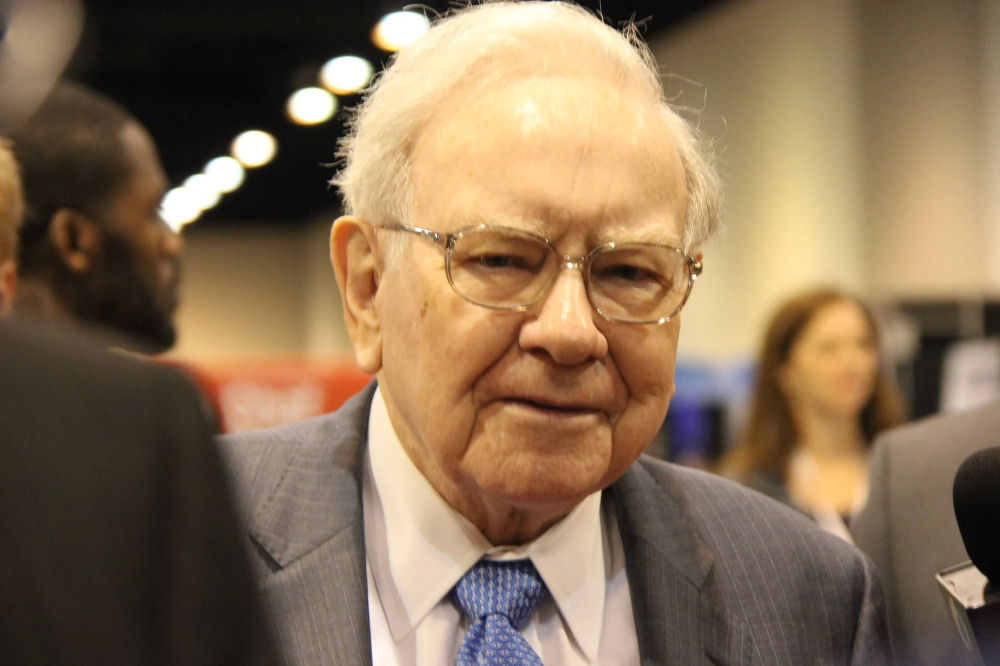
- Small Position Cleanup: In Q1, Abel eliminated 16 small positions, including Visa and Amazon, none of which accounted for more than 1% of Berkshire's total portfolio, aiming to enhance focus and efficiency in the investment strategy to improve long-term performance.
- Decisive Exit from Losers: Berkshire sold off underperforming stocks like Pool Corp. and Domino's Pizza in Q1, which may have locked in losses, but Abel believes that timely exits are necessary to prevent dragging down overall investment performance amid uncertainty.
- Investment in Special Situations: Abel initiated new stakes in Delta Air Lines and Macy's during Q1, both facing systemic challenges, indicating a strategic willingness to invest in potentially undervalued companies that could yield returns in the future despite current difficulties.
- Increased Cash Reserves: As of the end of March, Berkshire's cash reserves reached $397 billion, suggesting that Abel may be waiting for more attractive investment opportunities while potentially shifting towards wholly-owned cash-generating businesses to reduce reliance on volatile stocks.
See More

Greg Abel's Strategic Shift at Berkshire Hathaway
- Portfolio Adjustment: New CEO Greg Abel reduced investments in long-held positions like Visa and Mastercard in Q1, indicating a shift away from smaller stakes, which may enhance the overall quality and return potential of the portfolio.
- Increased Cash Reserves: As of the end of March, Berkshire Hathaway's cash reserves reached a record $397 billion, reflecting the company's strategy to wait for more attractive investment opportunities in an overvalued stock market.
- New Investment Direction: Abel initiated new stakes in Delta Air Lines and Macy's during Q1, signaling a willingness to take on higher risks for potential returns despite the systemic challenges these companies face, which may alter the company's investment style.
- Long-Term Strategic Thinking: Abel's decisions suggest that Berkshire may gradually reduce reliance on volatile stocks and shift towards more controllable cash-generating businesses, potentially providing shareholders with more stable returns.
See More
Tech Rally Lifts S&P 500 to Record Highs

- Tech Stock Performance: The S&P 500 reached new highs due to a tech rally, although Snowflake and Salesforce underperformed investor expectations, with gains of 2.6% and losses of 10% over the past three months, indicating a divergence in market sentiment towards tech stocks.
- Analyst Expectations: The majority of the 46 analysts covering Snowflake maintain buy or overweight ratings with a target price of $231.38, while 40 analysts for Salesforce share a similar outlook with a target of $254.43, suggesting ongoing confidence in both companies' future performance.
- Airline Stock Recovery: Airline stocks have performed well over the past month, with Delta Air Lines up about 16% and American Airlines up 22%, reflecting optimistic market sentiment ahead of the summer travel season, despite overall stock prices remaining below January highs.
- Impact of FedEx Spin-off: The upcoming listing of FedEx Freight marks increased Wall Street interest in less-than-truckload companies, with FedEx shares surging 45% over the past six months, indicating market recognition of its growth potential.
See More

US Stocks Close Higher: S&P 500 Hits All-Time High

- Market Performance: The S&P 500 rose by 0.61% and the Nasdaq 100 increased by 1.76%, reaching all-time highs, indicating strong demand for tech stocks amid falling oil prices and progress in US-Iran peace talks.
- Oil Price Volatility: WTI crude oil prices fell to a 2.5-week low as US-Iran negotiations aimed at reopening the Strait of Hormuz progressed, although military actions by US Central Command pressured market sentiment, leading to declines in energy stocks.
- Economic Data Impact: The Chicago Fed National Activity Index rose to a 13-month high of 0.14, surpassing expectations, while a slight decline in the consumer confidence index reflects the complexities of economic recovery, potentially influencing future market trends.
- Earnings Reports: As of Tuesday, 83% of the 475 S&P 500 companies reported earnings above expectations, with Q1 earnings projected to grow by 12% year-on-year, although excluding the tech sector, the increase is only 3%, highlighting disparities across industries.
See More
Billionaires Reduce UnitedHealth Stock Holdings Amid Analyst Optimism
- Billionaire Sell-Off: Billionaires Chase Coleman and David Tepper reduced their stakes in UnitedHealth Group by 17% and 55% respectively in Q1 2026 according to 13F filings, despite analysts maintaining a bullish outlook, indicating a disconnect between market sentiment and investor actions.
- Rising Medical Costs: UnitedHealth faces challenges with rising medical costs that are squeezing profit margins, alongside increased uncertainty regarding Medicare Advantage rates, which may have influenced the billionaires' decision to sell, reflecting concerns about the company's future profitability.
- Analyst Optimism: Despite the sell-off, 22 out of 28 analysts surveyed by S&P Global rated UnitedHealth Group as a
See More
Billionaires Reduce Holdings in UnitedHealth Group Amid Mixed Sentiment
- Billionaire Sell-Off: Billionaires Chase Coleman and David Tepper reduced their stakes in UnitedHealth Group by approximately 17% and 55% respectively in Q1 2026, indicating a cautious stance despite analysts' overall bullish outlook on the stock.
- Cost Pressure Challenges: UnitedHealth faces rising medical costs that are squeezing profit margins, coupled with increased uncertainty regarding Medicare Advantage rates, which could impact future profitability.
- Analyst Optimism: Despite the sell-off, 22 out of 28 analysts still rated UnitedHealth Group as a 'buy' or 'strong buy', reflecting confidence in the company's improving business fundamentals and stock rebound.
- Strong Financial Performance: UnitedHealth's Q1 2026 earnings report exceeded analyst expectations, with a 90 basis point decline in the medical cost ratio to 83.9%, indicating positive progress in managing medical costs.
See More
Analysis of Berkshire Hathaway's Q1 Performance Under Greg Abel
- Small Position Cleanup: In Q1, Abel eliminated 16 small positions, including Visa and Amazon, none of which accounted for more than 1% of Berkshire's total portfolio, aiming to enhance focus and efficiency in the investment strategy to improve long-term performance.
- Decisive Exit from Losers: Berkshire sold off underperforming stocks like Pool Corp. and Domino's Pizza in Q1, which may have locked in losses, but Abel believes that timely exits are necessary to prevent dragging down overall investment performance amid uncertainty.
- Investment in Special Situations: Abel initiated new stakes in Delta Air Lines and Macy's during Q1, both facing systemic challenges, indicating a strategic willingness to invest in potentially undervalued companies that could yield returns in the future despite current difficulties.
- Increased Cash Reserves: As of the end of March, Berkshire's cash reserves reached $397 billion, suggesting that Abel may be waiting for more attractive investment opportunities while potentially shifting towards wholly-owned cash-generating businesses to reduce reliance on volatile stocks.
See More
Greg Abel's Strategic Shift at Berkshire Hathaway
- Portfolio Adjustment: New CEO Greg Abel reduced investments in long-held positions like Visa and Mastercard in Q1, indicating a shift away from smaller stakes, which may enhance the overall quality and return potential of the portfolio.
- Increased Cash Reserves: As of the end of March, Berkshire Hathaway's cash reserves reached a record $397 billion, reflecting the company's strategy to wait for more attractive investment opportunities in an overvalued stock market.
- New Investment Direction: Abel initiated new stakes in Delta Air Lines and Macy's during Q1, signaling a willingness to take on higher risks for potential returns despite the systemic challenges these companies face, which may alter the company's investment style.
- Long-Term Strategic Thinking: Abel's decisions suggest that Berkshire may gradually reduce reliance on volatile stocks and shift towards more controllable cash-generating businesses, potentially providing shareholders with more stable returns.
See More
Tech Rally Lifts S&P 500 to Record Highs
- Tech Stock Performance: The S&P 500 reached new highs due to a tech rally, although Snowflake and Salesforce underperformed investor expectations, with gains of 2.6% and losses of 10% over the past three months, indicating a divergence in market sentiment towards tech stocks.
- Analyst Expectations: The majority of the 46 analysts covering Snowflake maintain buy or overweight ratings with a target price of $231.38, while 40 analysts for Salesforce share a similar outlook with a target of $254.43, suggesting ongoing confidence in both companies' future performance.
- Airline Stock Recovery: Airline stocks have performed well over the past month, with Delta Air Lines up about 16% and American Airlines up 22%, reflecting optimistic market sentiment ahead of the summer travel season, despite overall stock prices remaining below January highs.
- Impact of FedEx Spin-off: The upcoming listing of FedEx Freight marks increased Wall Street interest in less-than-truckload companies, with FedEx shares surging 45% over the past six months, indicating market recognition of its growth potential.
See More
US Stocks Close Higher: S&P 500 Hits All-Time High
- Market Performance: The S&P 500 rose by 0.61% and the Nasdaq 100 increased by 1.76%, reaching all-time highs, indicating strong demand for tech stocks amid falling oil prices and progress in US-Iran peace talks.
- Oil Price Volatility: WTI crude oil prices fell to a 2.5-week low as US-Iran negotiations aimed at reopening the Strait of Hormuz progressed, although military actions by US Central Command pressured market sentiment, leading to declines in energy stocks.
- Economic Data Impact: The Chicago Fed National Activity Index rose to a 13-month high of 0.14, surpassing expectations, while a slight decline in the consumer confidence index reflects the complexities of economic recovery, potentially influencing future market trends.
- Earnings Reports: As of Tuesday, 83% of the 475 S&P 500 companies reported earnings above expectations, with Q1 earnings projected to grow by 12% year-on-year, although excluding the tech sector, the increase is only 3%, highlighting disparities across industries.
See More