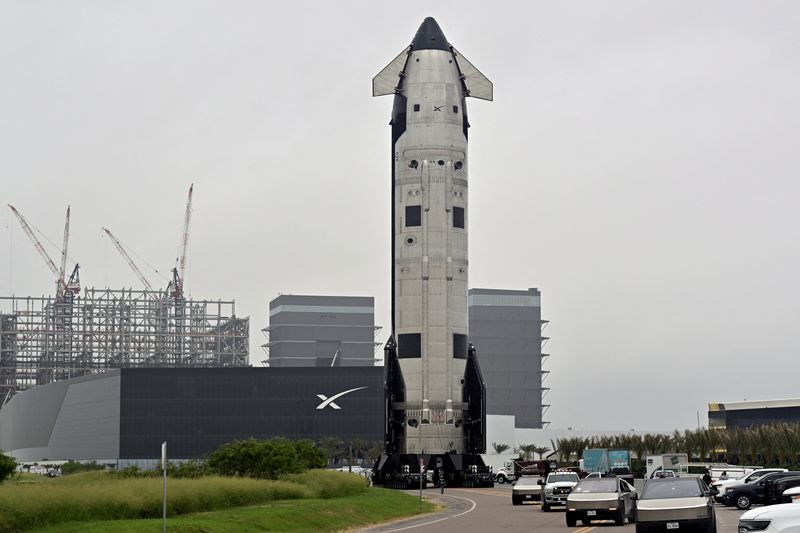
Uber's Potential in the Robotaxi Market
Written by Emily J. Thompson, Senior Investment Analyst
Updated: 49 minutes ago
0mins

Source: NASDAQ.COM
- Massive Market Potential: According to Precedence Research, the global robotaxi market is expected to soar from $4.4 billion in 2025 to $188.9 billion by 2034, indicating significant growth opportunities for Uber in this emerging sector.
- Vehicle Procurement Strategy: Uber plans to purchase 10,000 robotaxi vehicles from Rivian and an additional 40,000 by 2030, along with a deal to acquire at least 35,000 vehicles from Lucid, demonstrating its proactive positioning in the competitive landscape.
- Data and Branding Advantage: Uber leverages its vast ride data to support autonomous vehicle manufacturers in training for navigation in high-traffic environments, while its app provides an instant customer base for robotaxi services, enhancing market entry ease.
- Competition and Challenges: Despite Uber's potential in the robotaxi market, its stock price has fallen about 20% over the past 12 months, reflecting challenges amid increasing competition and regulatory hurdles, necessitating careful risk assessment by investors.
Trade with 70% Backtested Accuracy
Stop guessing "Should I Buy UBER?" and start using high-conviction signals backed by rigorous historical data.
Sign up today to access powerful investing tools and make smarter, data-driven decisions.
Analyst Views on UBER
Wall Street analysts forecast UBER stock price to rise
32 Analyst Rating
28 Buy
3 Hold
1 Sell
Strong Buy
Current: 73.610

Low
72.00
Averages
107.10
High
150.00
Current: 73.610
Low
72.00
Averages
107.10
High
150.00
About UBER
Uber Technologies, Inc. operates a technology platform that uses network and technology to power movement from point A to point B. It develops and operates technology applications supporting a variety of offerings on its platform (platform(s)). Its segments include Mobility, Delivery and Freight. Mobility products connect consumers with drivers who provide rides in a variety of vehicles, such as cars, auto rickshaws, motorbikes, minibuses, or taxis. Delivery offerings allow consumers to search for and discover local restaurants, order a meal, and either pick-up at the restaurant or have the meal delivered. In certain markets, the Delivery segment provides offerings for grocery, alcohol, and convenience store delivery as well as select other goods. The Freight segment connects carriers with shippers on its platform, and gives carriers upfront, pricing and the ability to book a shipment. The Freight segment also includes transportation management and other logistics service offerings.
About the author

Emily J. Thompson
Emily J. Thompson, a Chartered Financial Analyst (CFA) with 12 years in investment research, graduated with honors from the Wharton School. Specializing in industrial and technology stocks, she provides in-depth analysis for Intellectia’s earnings and market brief reports.

Uber Technologies' Future Outlook Beyond the Magnificent Seven

- Market Opportunity: Uber's revenue surged from $6.5 billion in 2016 to over $52 billion by 2025, with a projected net income exceeding $10 billion, indicating strong growth potential in the competitive ride-hailing market.
- Robotaxi Strategy: Uber plans to purchase 10,000 robotaxis from Rivian and 35,000 from Lucid by 2030, with robotaxis expected to account for 8% of the U.S. rideshare market, creating new revenue streams for the company.
- Data and Branding Advantage: Uber leverages its vast ride data to support autonomous vehicle manufacturers in navigating high-traffic environments, while its app provides an instant customer base for robotaxi services, enhancing market competitiveness.
- Diversified Investments: In addition to robotaxis, Uber is collaborating with Joby Aviation on air taxis and investing in Lime, an electric scooter and bike company planning an IPO, showcasing its diversified strategy in the future mobility sector.
See More
Uber Considers Full Takeover of Delivery Hero
- Stake Increase: Uber announced this week that it has raised its stake in Delivery Hero to approximately 19.5%, including 5.6% in options, indicating its ongoing interest in the company, although it stated it does not intend to increase its stake to 30% or more.
- Market Reaction: Uber's shares fell 1.7%, while Delivery Hero's ADRs surged 10%, reflecting differing market interpretations of Uber's acquisition intentions, which could impact investor confidence and sentiment towards Uber.
- Investor Engagement: Uber is engaging with other investors in Delivery Hero to explore potential deal opportunities, suggesting that Uber is seeking to expand its influence in the food delivery market and may achieve business consolidation through acquisition.
- Market Valuation: Delivery Hero's stock has risen nearly 50% in Frankfurt trading this year, giving it a market cap of €10.2 billion (approximately $11.8 billion), while Uber's market value stands at $150 billion, indicating a valuation disparity that may affect Uber's acquisition strategy and negotiation power.
See More

Uber's Potential in the Robotaxi Market

- Massive Market Potential: According to Precedence Research, the global robotaxi market is expected to soar from $4.4 billion in 2025 to $188.9 billion by 2034, indicating significant growth opportunities for Uber in this emerging sector.
- Vehicle Procurement Strategy: Uber plans to purchase 10,000 robotaxi vehicles from Rivian and an additional 40,000 by 2030, along with a deal to acquire at least 35,000 vehicles from Lucid, demonstrating its proactive positioning in the competitive landscape.
- Data and Branding Advantage: Uber leverages its vast ride data to support autonomous vehicle manufacturers in training for navigation in high-traffic environments, while its app provides an instant customer base for robotaxi services, enhancing market entry ease.
- Competition and Challenges: Despite Uber's potential in the robotaxi market, its stock price has fallen about 20% over the past 12 months, reflecting challenges amid increasing competition and regulatory hurdles, necessitating careful risk assessment by investors.
See More

Uber's Strategic Positioning in the Robotaxi Market
- Significant Revenue Growth: Uber's revenue surged from $6.5 billion in 2016 to over $52 billion by 2025, with net income projected to exceed $10 billion, indicating strong growth potential in the market.
- Robotaxi Market Outlook: According to Goldman Sachs, the number of robotaxis in the U.S. is expected to reach 35,000 by 2030, accounting for 8% of the rideshare market, with the global market valued at $4.4 billion in 2025 and projected to skyrocket to $188.9 billion by 2034.
- Strategic Partnerships: Uber plans to purchase up to 50,000 robotaxi vehicles from Rivian and Lucid Group, leveraging its data and branding to support autonomous vehicle manufacturers, thereby positioning itself advantageously in the competitive landscape.
- Diversified Investment Opportunities: Beyond robotaxis, Uber is collaborating with Joby Aviation on air taxis and investing in electric scooter and bike company Lime, showcasing its diversified strategy in the future mobility sector.
See More

U.S. Stocks Rise as Hopes for Iran Peace Deal Increase

- Strong U.S. Market Performance: The S&P 500 rose by 0.4%, the Dow Jones increased by 0.6%, and the Nasdaq gained 0.2%, marking the longest weekly gain streak since 2023, indicating increased investor confidence in risk assets amid hopes for a U.S.-Iran peace deal.
- Active ETF Market: The SPDR S&P 500 ETF and Invesco QQQ Trust both rose by 0.4%, while the Dow Jones Industrial Average ETF increased by 0.7%, reflecting optimistic sentiment towards major indices, particularly ahead of the upcoming three-day weekend.
- Oil Prices Edge Up: International Brent crude futures added 0.9% to close at $103.54 per barrel, while West Texas Intermediate crude rose about 0.3%, reflecting market hopes for a resolution to the Iran conflict, although still below earlier peaks this week.
- New Fed Chair Sworn In: Kevin Warsh was officially sworn in as the 17th Chair of the Federal Reserve, with market expectations regarding his policy direction likely to influence future monetary policy and economic trends, especially in the context of the current economic recovery.
See More
Uber Explores Increasing Stake in Delivery Hero

- Stake Increase Plans: Uber is consulting with advisors to explore ways to further increase its stake in Delivery Hero, currently at 19.5%, while stating it has no intention of raising it to 30% or more at this time, indicating a cautious approach to market opportunities.
- Regulatory Approval Risks: Should Uber exceed certain ownership limits in Delivery Hero, it may require regulatory approvals, which could complicate its plans and introduce uncertainty into the potential deal, affecting its strategic execution.
- Market Competition Strategy: Uber's plans to increase its stake aim to compete with U.S. rival DoorDash in global markets, as Delivery Hero operates in over 60 countries with multiple sub-brands, making it an ideal fit for Uber's international expansion and potentially reshaping the competitive landscape.
- Investor Sentiment Shift: On Stocktwits, retail sentiment towards Uber has turned ‘neutral’ with many users referencing the Bloomberg report, suggesting that Uber may be quietly deepening its involvement with Delivery Hero, which could serve as a significant catalyst for the stock price.
See More
Uber Technologies' Future Outlook Beyond the Magnificent Seven
- Market Opportunity: Uber's revenue surged from $6.5 billion in 2016 to over $52 billion by 2025, with a projected net income exceeding $10 billion, indicating strong growth potential in the competitive ride-hailing market.
- Robotaxi Strategy: Uber plans to purchase 10,000 robotaxis from Rivian and 35,000 from Lucid by 2030, with robotaxis expected to account for 8% of the U.S. rideshare market, creating new revenue streams for the company.
- Data and Branding Advantage: Uber leverages its vast ride data to support autonomous vehicle manufacturers in navigating high-traffic environments, while its app provides an instant customer base for robotaxi services, enhancing market competitiveness.
- Diversified Investments: In addition to robotaxis, Uber is collaborating with Joby Aviation on air taxis and investing in Lime, an electric scooter and bike company planning an IPO, showcasing its diversified strategy in the future mobility sector.
See More
Uber Considers Full Takeover of Delivery Hero
- Stake Increase: Uber announced this week that it has raised its stake in Delivery Hero to approximately 19.5%, including 5.6% in options, indicating its ongoing interest in the company, although it stated it does not intend to increase its stake to 30% or more.
- Market Reaction: Uber's shares fell 1.7%, while Delivery Hero's ADRs surged 10%, reflecting differing market interpretations of Uber's acquisition intentions, which could impact investor confidence and sentiment towards Uber.
- Investor Engagement: Uber is engaging with other investors in Delivery Hero to explore potential deal opportunities, suggesting that Uber is seeking to expand its influence in the food delivery market and may achieve business consolidation through acquisition.
- Market Valuation: Delivery Hero's stock has risen nearly 50% in Frankfurt trading this year, giving it a market cap of €10.2 billion (approximately $11.8 billion), while Uber's market value stands at $150 billion, indicating a valuation disparity that may affect Uber's acquisition strategy and negotiation power.
See More
Uber's Potential in the Robotaxi Market
- Massive Market Potential: According to Precedence Research, the global robotaxi market is expected to soar from $4.4 billion in 2025 to $188.9 billion by 2034, indicating significant growth opportunities for Uber in this emerging sector.
- Vehicle Procurement Strategy: Uber plans to purchase 10,000 robotaxi vehicles from Rivian and an additional 40,000 by 2030, along with a deal to acquire at least 35,000 vehicles from Lucid, demonstrating its proactive positioning in the competitive landscape.
- Data and Branding Advantage: Uber leverages its vast ride data to support autonomous vehicle manufacturers in training for navigation in high-traffic environments, while its app provides an instant customer base for robotaxi services, enhancing market entry ease.
- Competition and Challenges: Despite Uber's potential in the robotaxi market, its stock price has fallen about 20% over the past 12 months, reflecting challenges amid increasing competition and regulatory hurdles, necessitating careful risk assessment by investors.
See More
Uber's Strategic Positioning in the Robotaxi Market
- Significant Revenue Growth: Uber's revenue surged from $6.5 billion in 2016 to over $52 billion by 2025, with net income projected to exceed $10 billion, indicating strong growth potential in the market.
- Robotaxi Market Outlook: According to Goldman Sachs, the number of robotaxis in the U.S. is expected to reach 35,000 by 2030, accounting for 8% of the rideshare market, with the global market valued at $4.4 billion in 2025 and projected to skyrocket to $188.9 billion by 2034.
- Strategic Partnerships: Uber plans to purchase up to 50,000 robotaxi vehicles from Rivian and Lucid Group, leveraging its data and branding to support autonomous vehicle manufacturers, thereby positioning itself advantageously in the competitive landscape.
- Diversified Investment Opportunities: Beyond robotaxis, Uber is collaborating with Joby Aviation on air taxis and investing in electric scooter and bike company Lime, showcasing its diversified strategy in the future mobility sector.
See More
U.S. Stocks Rise as Hopes for Iran Peace Deal Increase
- Strong U.S. Market Performance: The S&P 500 rose by 0.4%, the Dow Jones increased by 0.6%, and the Nasdaq gained 0.2%, marking the longest weekly gain streak since 2023, indicating increased investor confidence in risk assets amid hopes for a U.S.-Iran peace deal.
- Active ETF Market: The SPDR S&P 500 ETF and Invesco QQQ Trust both rose by 0.4%, while the Dow Jones Industrial Average ETF increased by 0.7%, reflecting optimistic sentiment towards major indices, particularly ahead of the upcoming three-day weekend.
- Oil Prices Edge Up: International Brent crude futures added 0.9% to close at $103.54 per barrel, while West Texas Intermediate crude rose about 0.3%, reflecting market hopes for a resolution to the Iran conflict, although still below earlier peaks this week.
- New Fed Chair Sworn In: Kevin Warsh was officially sworn in as the 17th Chair of the Federal Reserve, with market expectations regarding his policy direction likely to influence future monetary policy and economic trends, especially in the context of the current economic recovery.
See More
Uber Explores Increasing Stake in Delivery Hero
- Stake Increase Plans: Uber is consulting with advisors to explore ways to further increase its stake in Delivery Hero, currently at 19.5%, while stating it has no intention of raising it to 30% or more at this time, indicating a cautious approach to market opportunities.
- Regulatory Approval Risks: Should Uber exceed certain ownership limits in Delivery Hero, it may require regulatory approvals, which could complicate its plans and introduce uncertainty into the potential deal, affecting its strategic execution.
- Market Competition Strategy: Uber's plans to increase its stake aim to compete with U.S. rival DoorDash in global markets, as Delivery Hero operates in over 60 countries with multiple sub-brands, making it an ideal fit for Uber's international expansion and potentially reshaping the competitive landscape.
- Investor Sentiment Shift: On Stocktwits, retail sentiment towards Uber has turned ‘neutral’ with many users referencing the Bloomberg report, suggesting that Uber may be quietly deepening its involvement with Delivery Hero, which could serve as a significant catalyst for the stock price.
See More