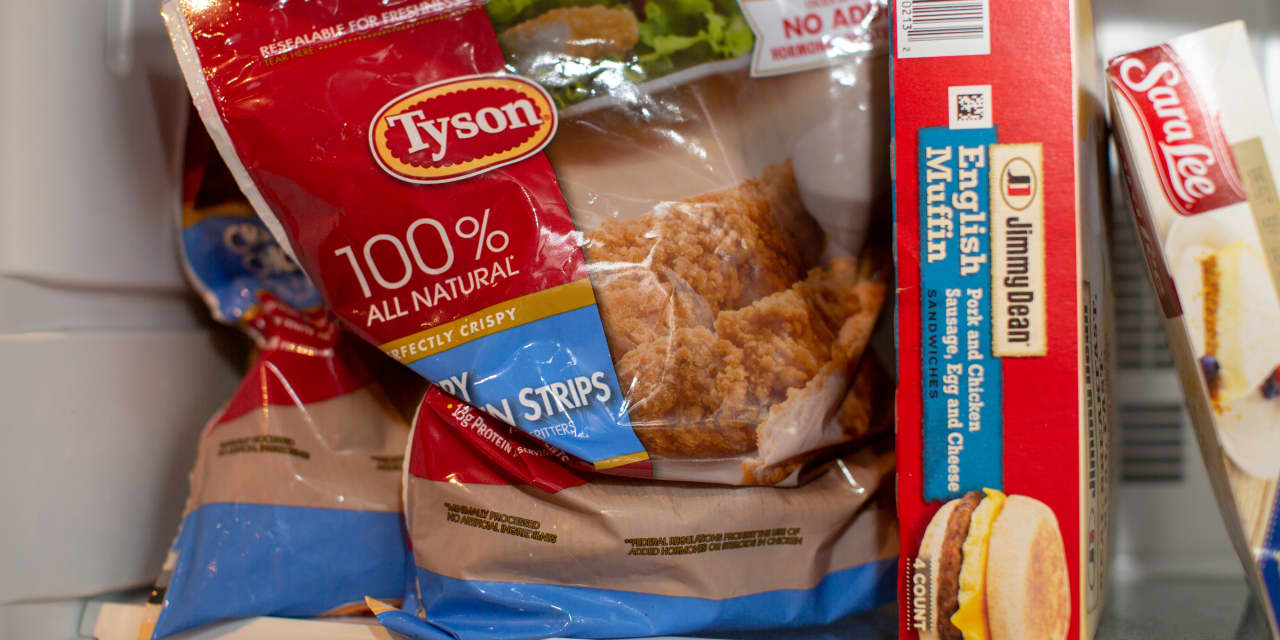
Tyson Foods Upgraded to Overweight by Piper Sandler
Written by Emily J. Thompson, Senior Investment Analyst
Updated: Apr 06 2026
0mins
Should l Buy TSN?
Source: seekingalpha
- Rating Upgrade: Piper Sandler upgraded Tyson Foods from Neutral to Overweight, with analysts citing competitive disruptions in the beef and chicken sectors as potential catalysts for Tyson's near-term earnings, indicating strong market confidence in its future performance.
- Market Share Gains: Tyson Foods is expected to benefit from the JBS strike and Koch Foods facility fire, with analysts noting that these events will help enhance its market share, further solidifying its position in the protein market.
- Price Target Increase: Jefferies raised its price target on Tyson Foods from $61 to $75 based on a 15X earnings multiple, although this multiple is noted to be below the approximately 16.5X five-year high, reflecting optimistic expectations for its future profitability.
- Stock Performance: On Monday, Tyson Foods shares rose by 0.9% to $65.20, within the 52-week range of $50.56 to $66.41, reflecting investor recognition of its growth potential.
Trade with 70% Backtested Accuracy
Stop guessing "Should I Buy TSN?" and start using high-conviction signals backed by rigorous historical data.
Sign up today to access powerful investing tools and make smarter, data-driven decisions.
Analyst Views on TSN
Wall Street analysts forecast TSN stock price to fall
6 Analyst Rating
2 Buy
4 Hold
0 Sell
Moderate Buy
Current: 66.890

Low
58.00
Averages
65.20
High
75.00
Current: 66.890
Low
58.00
Averages
65.20
High
75.00
About TSN
Tyson Foods, Inc. is a food company. The Company has a portfolio of products and brands, including Tyson, Jimmy Dean, Hillshire Farm, Ball Park, Wright, State Fair, Aidells and ibp. Its segments include Beef, Pork, Chicken, and Prepared Foods. The Beef segment includes operations related to processing live-fed cattle and fabricating dressed beef carcasses into primal and sub-primal meat cuts and case-ready products. The Pork segment includes operations related to processing live market hogs and fabricating pork carcasses into primal and sub-primal cuts and case-ready products. The Chicken segment includes its domestic operations related to raising and processing live chickens into, and purchasing raw materials for fresh, frozen and value-added chicken products and sales of specialty products. The Prepared Foods segment includes operations related to manufacturing and marketing frozen and refrigerated food products and logistics operations to move products through the supply chain.
About the author

Emily J. Thompson
Emily J. Thompson, a Chartered Financial Analyst (CFA) with 12 years in investment research, graduated with honors from the Wharton School. Specializing in industrial and technology stocks, she provides in-depth analysis for Intellectia’s earnings and market brief reports.
China Renews Export Licenses for U.S. Beef Processing Plants

- Export License Renewal: Chinese customs data shows that export licenses for hundreds of U.S. beef processing plants have been renewed, including those owned by Tyson Foods and Cargill, indicating an improvement in trade relations following a meeting between the leaders of the two countries in Beijing.
- Reduction in Registered Facilities: Over the past year, more than 400 U.S. beef processing plants lost their export eligibility, as permissions granted between March 2020 and April 2021 lapsed, resulting in a reduction of approximately 65% in registered facilities.
- Significant Export Decline: Due to the expiration of registrations for most U.S. beef plants on March 16, beef exports to China plummeted by 48% in volume and 69% in value last year, reflecting a dramatic contraction in market demand.
- Historical Export Peak: U.S. beef exports to China peaked at $1.7 billion in 2022; however, the expiration of registrations has led to a sharp decline in market demand, posing significant challenges for the industry.
See More
China Halts U.S. Beef Export Clearances Amid License Confusion
- Export License Suspension: Chinese customs have halted clearances for hundreds of U.S. beef plants just hours after their export licenses were renewed, highlighting the fragility and uncertainty in U.S.-China trade relations.
- Market Access Negotiations: President Trump met with Chinese President Xi Jinping in Beijing to discuss expanding market access for U.S. businesses, although beef exports still face significant tariff barriers.
- Tariff Impact: Even if export licenses are restored, U.S. beef faces tariffs as high as 77% in China, including a 12% most-favored-nation tariff and an additional 55% levy if imports exceed quota levels, severely impacting market competitiveness.
- Industry Reaction: U.S. beef producers are optimistic about the Chinese market, but industry insiders note that China does not lack beef, suggesting that the suspension of export licenses may serve as a bargaining chip for China, further exacerbating market uncertainty.
See More
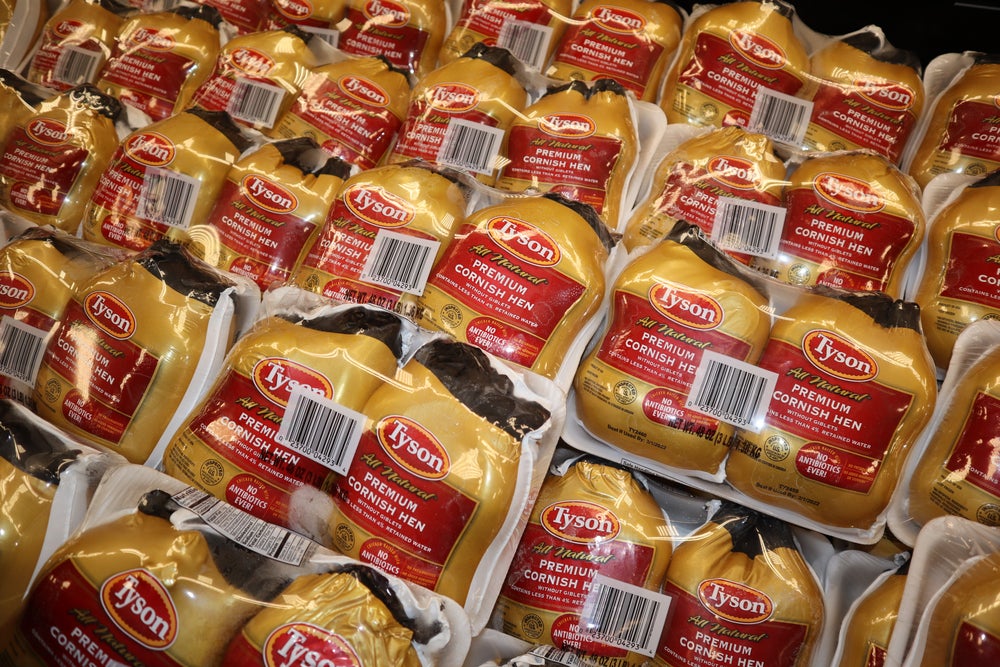
U.S. Beef Prices Surge Amid Tight Supply and Herd Rebuilding Challenges
- Beef Price Surge: U.S. beef prices have reached record highs, increasing over 16% compared to last year, making beef a symbol of inflation for American consumers, particularly as the summer grilling season approaches.
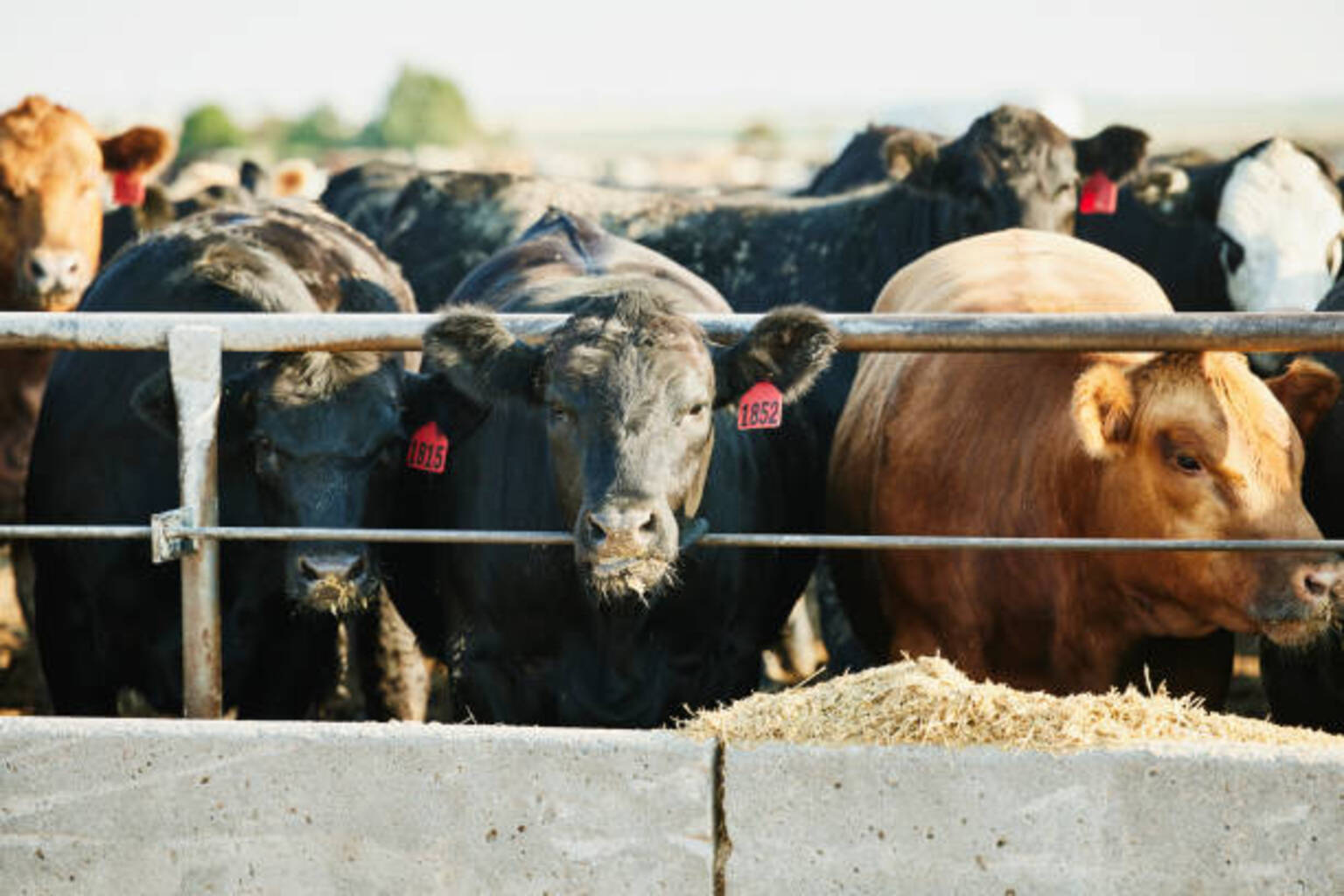
- Slow Herd Rebuilding: Despite efforts by U.S. cattle producers to rebuild the diminished herd, retention of young female cows, known as heifers, has been spotty, leading to challenges in increasing beef production, with tight supplies expected to persist through 2027.
- Slaughter and Layoffs: Tyson Foods has closed a major beef plant in Nebraska and reduced operations in Texas, laying off thousands of workers, as soaring cattle costs have outpaced gains from higher beef prices, highlighting the industry's financial strain.
- Trump's Import Plan: President Trump's consideration of reducing tariffs on beef imports could temporarily boost supplies, but the American Farm Bureau Federation warns it may discourage producers from rebuilding the U.S. herd, impacting long-term supply stability.
See More
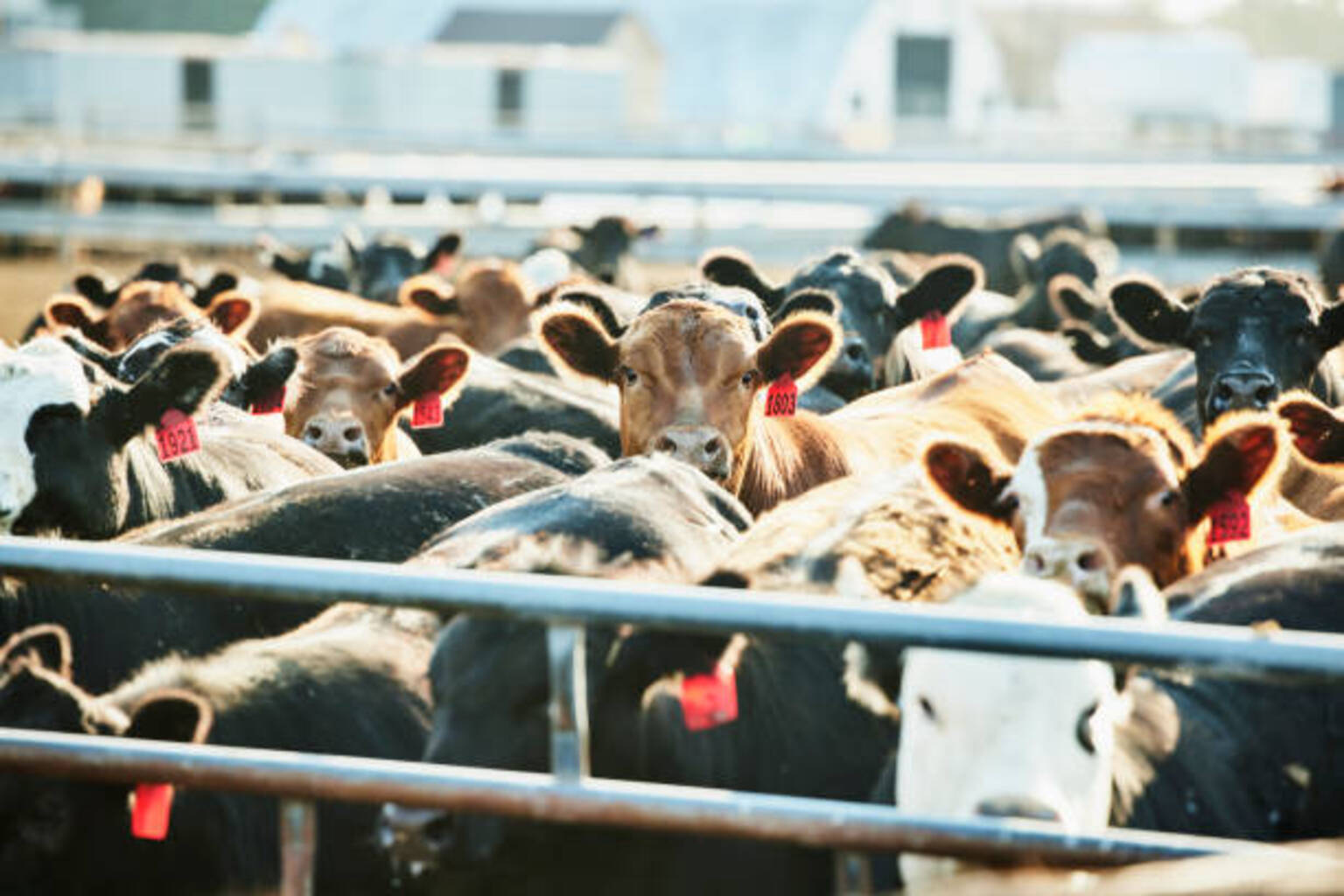
Trump Administration Delays Beef Tariff Easing Plan Amid High Prices
- Tariff Easing Delay: The Trump administration has postponed its plan to ease tariffs on beef imports, originally set for executive orders on Monday to tackle high beef prices, indicating policy uncertainty and its impact on the beef market.
- Quota Suspension Impact: The first order would have suspended the annual tariff-rate quota for beef-exporting countries, potentially allowing an influx of cheap imports that could further harm the U.S. cattle industry, especially as cattle numbers have dropped to the lowest level in 75 years.
- Rancher Opposition: Cattle ranchers have strongly opposed the plan to suspend the tariff-rate quota, arguing it will delay the expansion of the U.S. cattle herd, and they need government assurance to reestablish meaningful quotas in the next 2-3 years to protect their investments.
- Persistently High Beef Prices: Despite challenges in the cattle industry, beef prices remain high, with the average price of ground beef reaching an all-time high in March, reflecting the profound impact of ongoing drought conditions on U.S. cattle production.
See More
Tyson Foods to Participate in BMO Global Farm Conference
- Conference Participation: Tyson Foods will participate in the 21st Annual BMO Global Farm to Market Conference on May 13, 2026, in New York City, where CEO Donnie King and CFO Curt Calaway will engage in a fireside chat starting at approximately 8:00 a.m. Eastern Time, showcasing the company's leadership in the food industry.
- Live Webcast: The fireside chat will be available via live webcast, with investors able to access the webcast link and replay information through the company's investor relations website, enhancing interaction and transparency with stakeholders.
- Company Background: Founded in 1935, Tyson Foods has grown into a world-class leader in protein foods, with iconic brands such as Tyson®, Jimmy Dean®, and others, dedicated to providing safe, high-quality food to families worldwide, reflecting its mission of “We Feed the World Like Family™.”
- Employee Scale: As of September 27, 2025, Tyson Foods employed approximately 133,000 team members and is a member of the S&P 500 and Russell 1000 indices, indicating its significant influence and market position within the industry.
See More
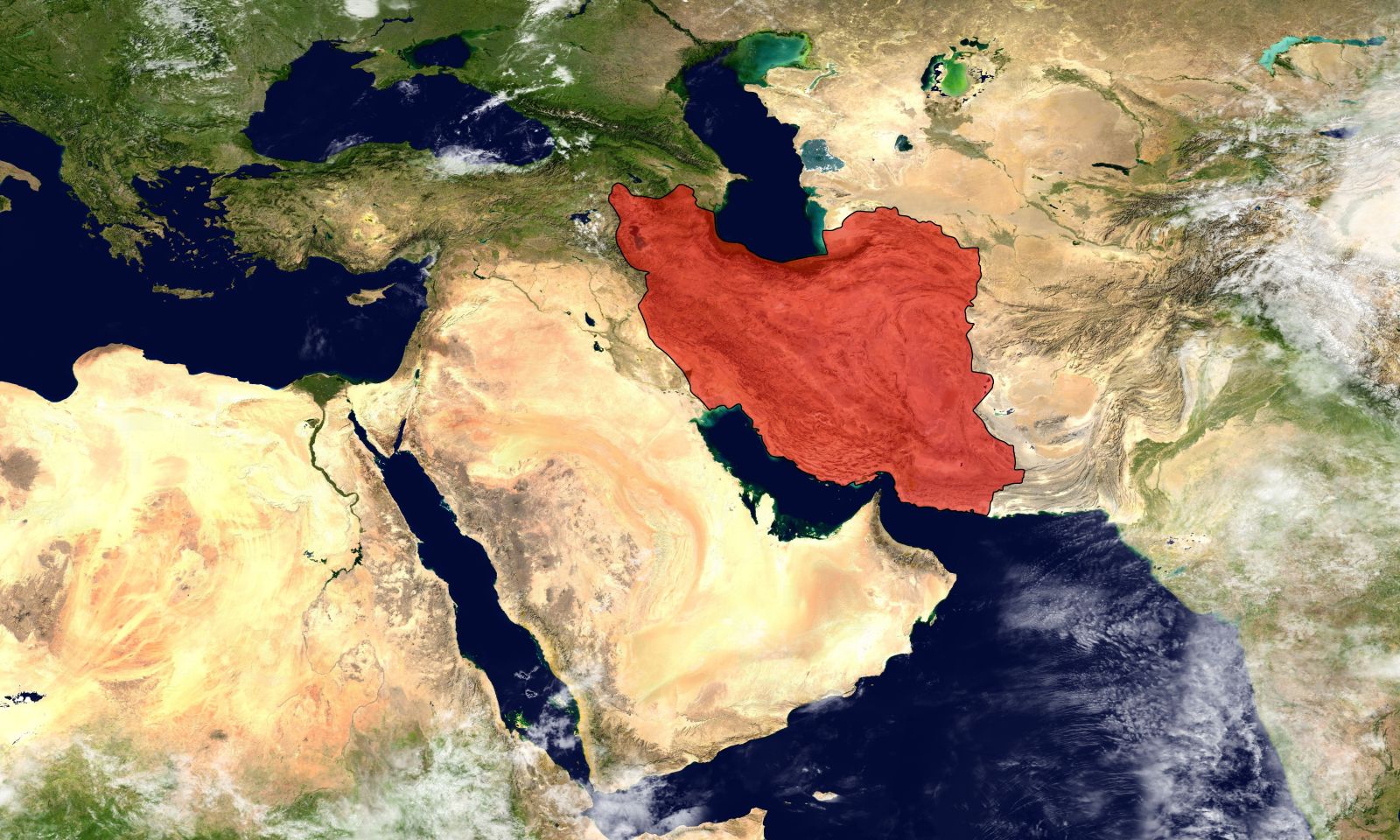
Middle East Tensions Weigh on Stock Market Performance


- Market Decline: The S&P 500 index fell by 0.41%, the Dow Jones Industrial Average dropped by 1.13%, and the Nasdaq 100 index decreased by 0.21%, reflecting investor concerns over escalating tensions in the Middle East, which dampened market sentiment.
- Oil Price Surge: WTI crude oil prices surged over 4% following exchanges of fire between the US and Iran in the Strait of Hormuz, raising inflation expectations and pushing bond yields higher, with the 10-year T-note yield reaching a five-week high of 4.46%.
- Strong Economic Data: US March factory orders rose by 1.5% month-over-month, exceeding expectations of 0.6%, marking the largest increase in four months, indicating economic resilience that could provide support to the stock market.
- Earnings Optimism: As of Monday, 82% of the 322 S&P 500 companies that reported Q1 earnings exceeded estimates, with projected earnings growth of 12% year-over-year for Q1, although excluding the technology sector, the growth is only 3%, highlighting performance disparities across sectors.
See More
China Renews Export Licenses for U.S. Beef Processing Plants
- Export License Renewal: Chinese customs data shows that export licenses for hundreds of U.S. beef processing plants have been renewed, including those owned by Tyson Foods and Cargill, indicating an improvement in trade relations following a meeting between the leaders of the two countries in Beijing.
- Reduction in Registered Facilities: Over the past year, more than 400 U.S. beef processing plants lost their export eligibility, as permissions granted between March 2020 and April 2021 lapsed, resulting in a reduction of approximately 65% in registered facilities.
- Significant Export Decline: Due to the expiration of registrations for most U.S. beef plants on March 16, beef exports to China plummeted by 48% in volume and 69% in value last year, reflecting a dramatic contraction in market demand.
- Historical Export Peak: U.S. beef exports to China peaked at $1.7 billion in 2022; however, the expiration of registrations has led to a sharp decline in market demand, posing significant challenges for the industry.
See More
China Halts U.S. Beef Export Clearances Amid License Confusion
- Export License Suspension: Chinese customs have halted clearances for hundreds of U.S. beef plants just hours after their export licenses were renewed, highlighting the fragility and uncertainty in U.S.-China trade relations.
- Market Access Negotiations: President Trump met with Chinese President Xi Jinping in Beijing to discuss expanding market access for U.S. businesses, although beef exports still face significant tariff barriers.
- Tariff Impact: Even if export licenses are restored, U.S. beef faces tariffs as high as 77% in China, including a 12% most-favored-nation tariff and an additional 55% levy if imports exceed quota levels, severely impacting market competitiveness.
- Industry Reaction: U.S. beef producers are optimistic about the Chinese market, but industry insiders note that China does not lack beef, suggesting that the suspension of export licenses may serve as a bargaining chip for China, further exacerbating market uncertainty.
See More
U.S. Beef Prices Surge Amid Tight Supply and Herd Rebuilding Challenges
- Beef Price Surge: U.S. beef prices have reached record highs, increasing over 16% compared to last year, making beef a symbol of inflation for American consumers, particularly as the summer grilling season approaches.
- Slow Herd Rebuilding: Despite efforts by U.S. cattle producers to rebuild the diminished herd, retention of young female cows, known as heifers, has been spotty, leading to challenges in increasing beef production, with tight supplies expected to persist through 2027.
- Slaughter and Layoffs: Tyson Foods has closed a major beef plant in Nebraska and reduced operations in Texas, laying off thousands of workers, as soaring cattle costs have outpaced gains from higher beef prices, highlighting the industry's financial strain.
- Trump's Import Plan: President Trump's consideration of reducing tariffs on beef imports could temporarily boost supplies, but the American Farm Bureau Federation warns it may discourage producers from rebuilding the U.S. herd, impacting long-term supply stability.
See More
Trump Administration Delays Beef Tariff Easing Plan Amid High Prices
- Tariff Easing Delay: The Trump administration has postponed its plan to ease tariffs on beef imports, originally set for executive orders on Monday to tackle high beef prices, indicating policy uncertainty and its impact on the beef market.
- Quota Suspension Impact: The first order would have suspended the annual tariff-rate quota for beef-exporting countries, potentially allowing an influx of cheap imports that could further harm the U.S. cattle industry, especially as cattle numbers have dropped to the lowest level in 75 years.
- Rancher Opposition: Cattle ranchers have strongly opposed the plan to suspend the tariff-rate quota, arguing it will delay the expansion of the U.S. cattle herd, and they need government assurance to reestablish meaningful quotas in the next 2-3 years to protect their investments.
- Persistently High Beef Prices: Despite challenges in the cattle industry, beef prices remain high, with the average price of ground beef reaching an all-time high in March, reflecting the profound impact of ongoing drought conditions on U.S. cattle production.
See More
Tyson Foods to Participate in BMO Global Farm Conference
- Conference Participation: Tyson Foods will participate in the 21st Annual BMO Global Farm to Market Conference on May 13, 2026, in New York City, where CEO Donnie King and CFO Curt Calaway will engage in a fireside chat starting at approximately 8:00 a.m. Eastern Time, showcasing the company's leadership in the food industry.
- Live Webcast: The fireside chat will be available via live webcast, with investors able to access the webcast link and replay information through the company's investor relations website, enhancing interaction and transparency with stakeholders.
- Company Background: Founded in 1935, Tyson Foods has grown into a world-class leader in protein foods, with iconic brands such as Tyson®, Jimmy Dean®, and others, dedicated to providing safe, high-quality food to families worldwide, reflecting its mission of “We Feed the World Like Family™.”
- Employee Scale: As of September 27, 2025, Tyson Foods employed approximately 133,000 team members and is a member of the S&P 500 and Russell 1000 indices, indicating its significant influence and market position within the industry.
See More
Middle East Tensions Weigh on Stock Market Performance
- Market Decline: The S&P 500 index fell by 0.41%, the Dow Jones Industrial Average dropped by 1.13%, and the Nasdaq 100 index decreased by 0.21%, reflecting investor concerns over escalating tensions in the Middle East, which dampened market sentiment.
- Oil Price Surge: WTI crude oil prices surged over 4% following exchanges of fire between the US and Iran in the Strait of Hormuz, raising inflation expectations and pushing bond yields higher, with the 10-year T-note yield reaching a five-week high of 4.46%.
- Strong Economic Data: US March factory orders rose by 1.5% month-over-month, exceeding expectations of 0.6%, marking the largest increase in four months, indicating economic resilience that could provide support to the stock market.
- Earnings Optimism: As of Monday, 82% of the 322 S&P 500 companies that reported Q1 earnings exceeded estimates, with projected earnings growth of 12% year-over-year for Q1, although excluding the technology sector, the growth is only 3%, highlighting performance disparities across sectors.
See More