Tesla (TSLA) Stock Rises 11% in 2025, Market Cap Reaches $1.4 Trillion
Written by Emily J. Thompson, Senior Investment Analyst
Updated: Jan 18 2026
0mins

Source: Fool
- Stock Performance: Tesla's stock rose 11% in 2025, with a staggering 3,130% increase over the past decade, leading to a market cap of $1.4 trillion, reflecting strong market expectations for future growth.
- Autonomous Driving Progress: In 2026, Tesla needs to expand its robotaxi service, which was launched in a limited capacity in Austin, Texas last year, by entering new cities and increasing Cybercab production to meet market demand for full self-driving technology.
- Core Business Challenges: While Tesla's valuation highlights market focus on its autonomous driving ambitions, automotive deliveries fell 9% year-over-year in 2025, indicating pressure on its core EV manufacturing business that requires improvement in growth and margins.
- Macroeconomic Impact: Rising interest rates are increasing new car costs, and the expiration of the EV tax credit adds competitive pressure, necessitating Tesla's focus on its core business in 2026 to achieve sales growth and margin improvements that shareholders expect.
Trade with 70% Backtested Accuracy
Stop guessing "Should I Buy TSLA?" and start using high-conviction signals backed by rigorous historical data.
Sign up today to access powerful investing tools and make smarter, data-driven decisions.
Analyst Views on TSLA
Wall Street analysts forecast TSLA stock price to fall
30 Analyst Rating
12 Buy
11 Hold
7 Sell
Hold
Current: 408.950

Low
25.28
Averages
401.93
High
600.00
Current: 408.950
Low
25.28
Averages
401.93
High
600.00
About TSLA
Tesla, Inc. designs, develops, manufactures, sells and leases high-performance fully electric vehicles and energy generation and storage systems, and offers services related to its products. Its segments include automotive, and energy generation and storage. The automotive segment includes the design, development, manufacturing, sales and leasing of high-performance fully electric vehicles, and sales of automotive regulatory credits. It also includes sales of used vehicles, non-warranty maintenance services and collisions, part sales, paid supercharging, insurance services revenue and retail merchandise sales. The energy generation and storage segment include the design, manufacture, installation, sales and leasing of solar energy generation and energy storage products and related services and sales of solar energy systems incentives. Its consumer vehicles include the Model 3, Y, S, X and Cybertruck. Its lithium-ion battery energy storage products include Powerwall and Megapack.
About the author

Emily J. Thompson
Emily J. Thompson, a Chartered Financial Analyst (CFA) with 12 years in investment research, graduated with honors from the Wharton School. Specializing in industrial and technology stocks, she provides in-depth analysis for Intellectia’s earnings and market brief reports.
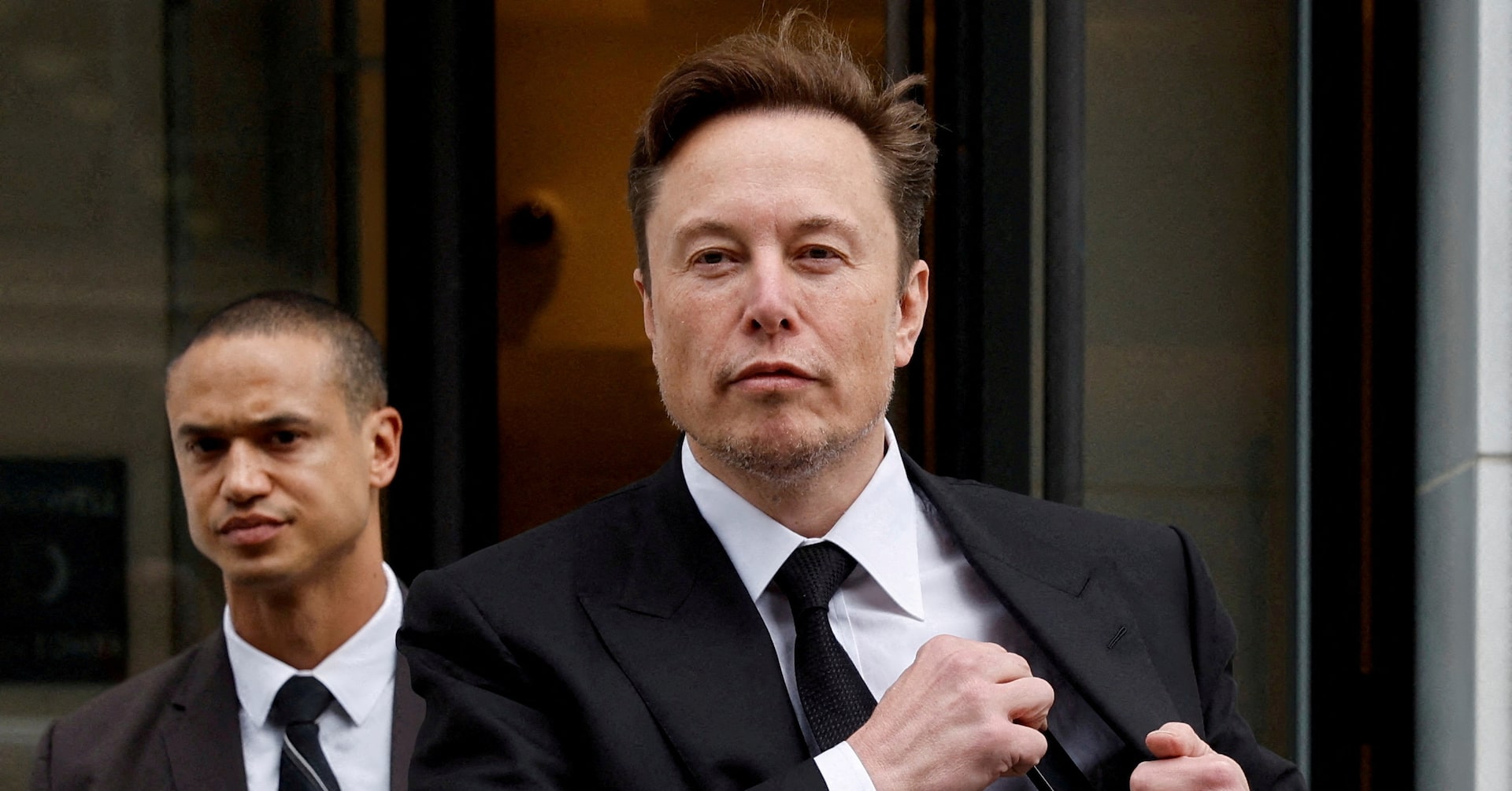
SpaceX Set for Historic IPO, Potentially Raising $75 Billion

- Record IPO Size: SpaceX is set to go public on June 12, aiming to raise up to $75 billion, which would surpass the $29.4 billion record set by Saudi Aramco in 2019, marking a significant milestone for the company in capital markets.
- Market Valuation Outlook: If successful, SpaceX's market capitalization could reach $1.8 trillion, placing it among the top ten most valuable companies globally and surpassing Tesla, further solidifying Elon Musk's leadership in the tech sector.
- Starlink Profitability: Starlink, as the profitable core of SpaceX, generated $11.4 billion of the company's total $18.7 billion revenue last year, with a 50% growth rate, demonstrating strong performance in the satellite internet market and supporting the company's overall financial health.
- AI Business Challenges: While SpaceX dominates the space launch market, its AI division, xAI, faces intense competition, achieving only $1.4 billion in sales last year while burning about $1 billion monthly, leaving its future profitability uncertain and potentially impacting overall valuation.
See More
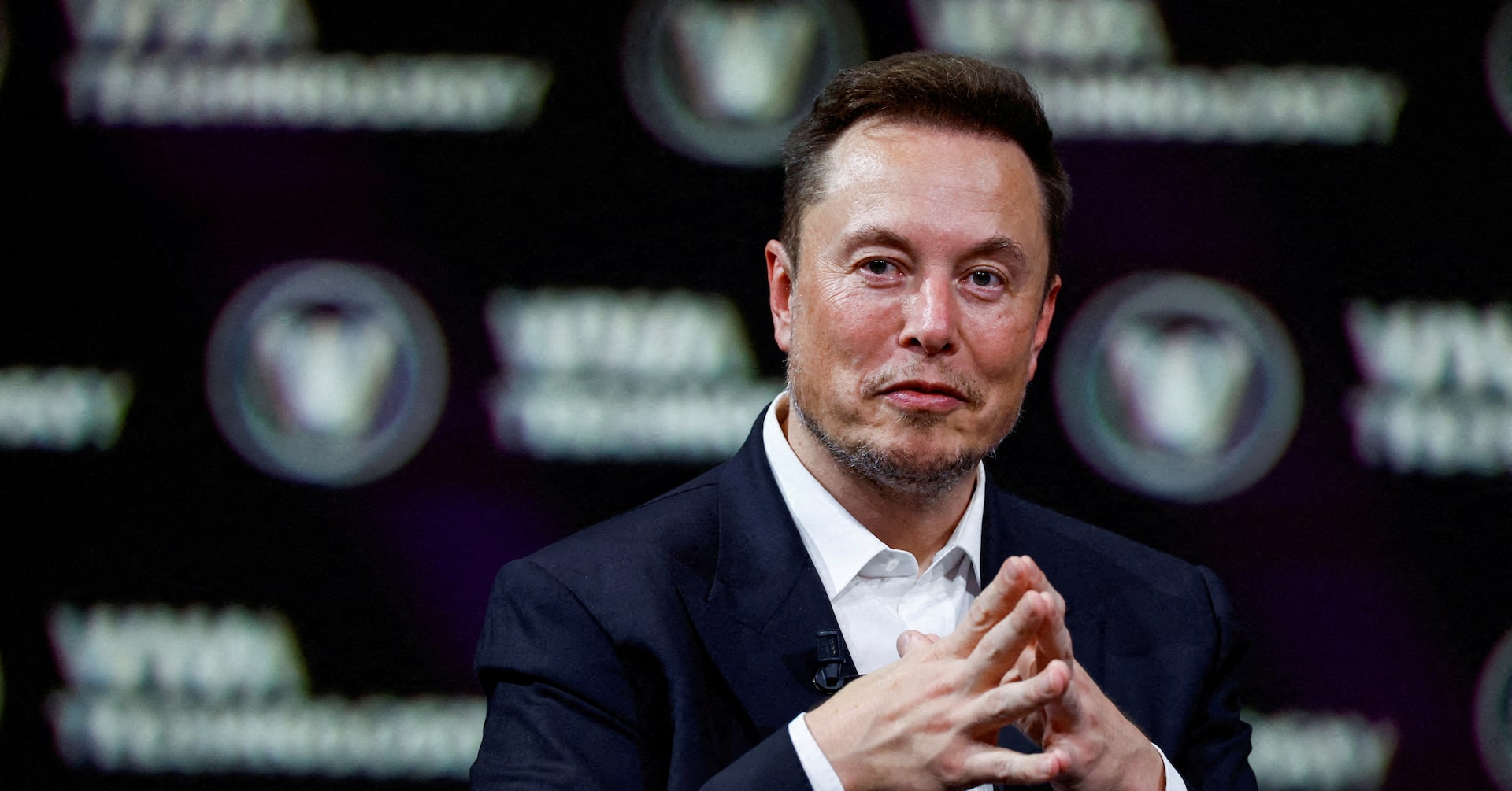
Tesla Launches Unsupervised Robotaxi Service in Austin
- Robotaxi Service Launch: Tesla's launch of its unsupervised robotaxi service in Austin represents a significant step towards fully autonomous operations, which is expected to enhance future revenue potential and solidify its leadership in the electric vehicle market.
- Sales Recovery in China: According to the China Passenger Car Association, Tesla's retail sales surged 22.5% in May to 47,281 vehicles, breaking a two-month streak of declining sales, indicating a recovery in market demand.
- Stock Price Volatility and Market Reaction: Following the announcement, Tesla's shares rose by 5.5%, although they later cooled to $409.76, still reflecting a 4.8% increase from the previous close, indicating a positive market reaction but not a fundamental shift in perception.
- Analyst Rating Adjustment: JPMorgan upgraded Tesla's rating from Underweight to Neutral, raising the price target by 228% to $475, yet analysts remain cautious about the company's future profitability, noting the lack of genuinely new vehicle launches that could justify its current valuation.
See More
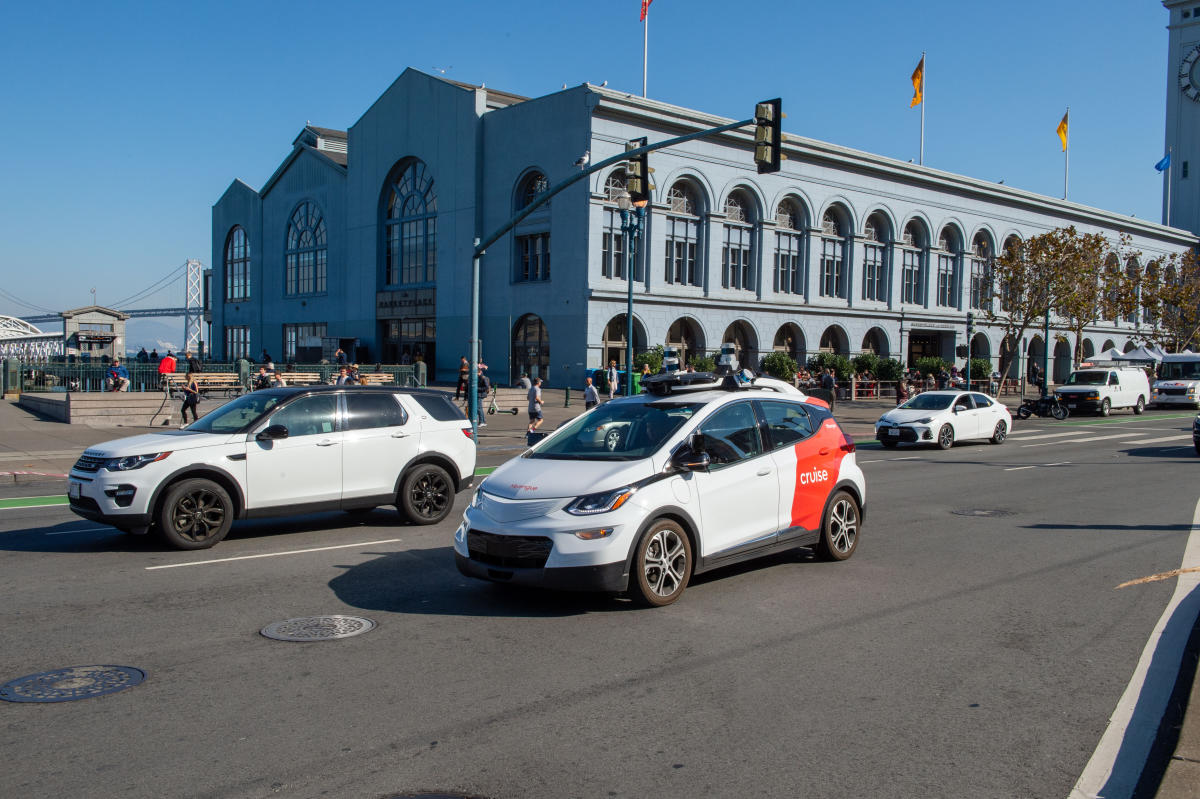
GM Partners with Peak Energy to Develop Sodium-Ion Batteries

- Strategic Partnership: General Motors (GM) has announced a strategic partnership with startup Peak Energy to develop and manufacture next-generation sodium-ion battery cells for grid-scale energy storage, marking a significant expansion of GM's battery technology applications beyond electric vehicles.
- Technological Innovation: The collaboration will leverage GM's Michigan battery labs to develop sodium-ion cells, which Peak Energy will integrate into its proprietary passively cooled storage systems, promising a 20% cost reduction and over 99% uptime, enhancing the reliability of energy storage solutions.
- Market Outlook: This initiative not only signifies GM's repurposing of battery technology but also indicates a diversified investment in the energy storage market, particularly in the area of EV battery recycling, thereby strengthening its competitive position in the industry.
- Investor Sentiment: On Stocktwits, retail sentiment around GM shifted from 'neutral' to 'bullish', reflecting investor optimism regarding GM's entry into the energy storage sector, with GM's stock gaining over 3% this year.
See More
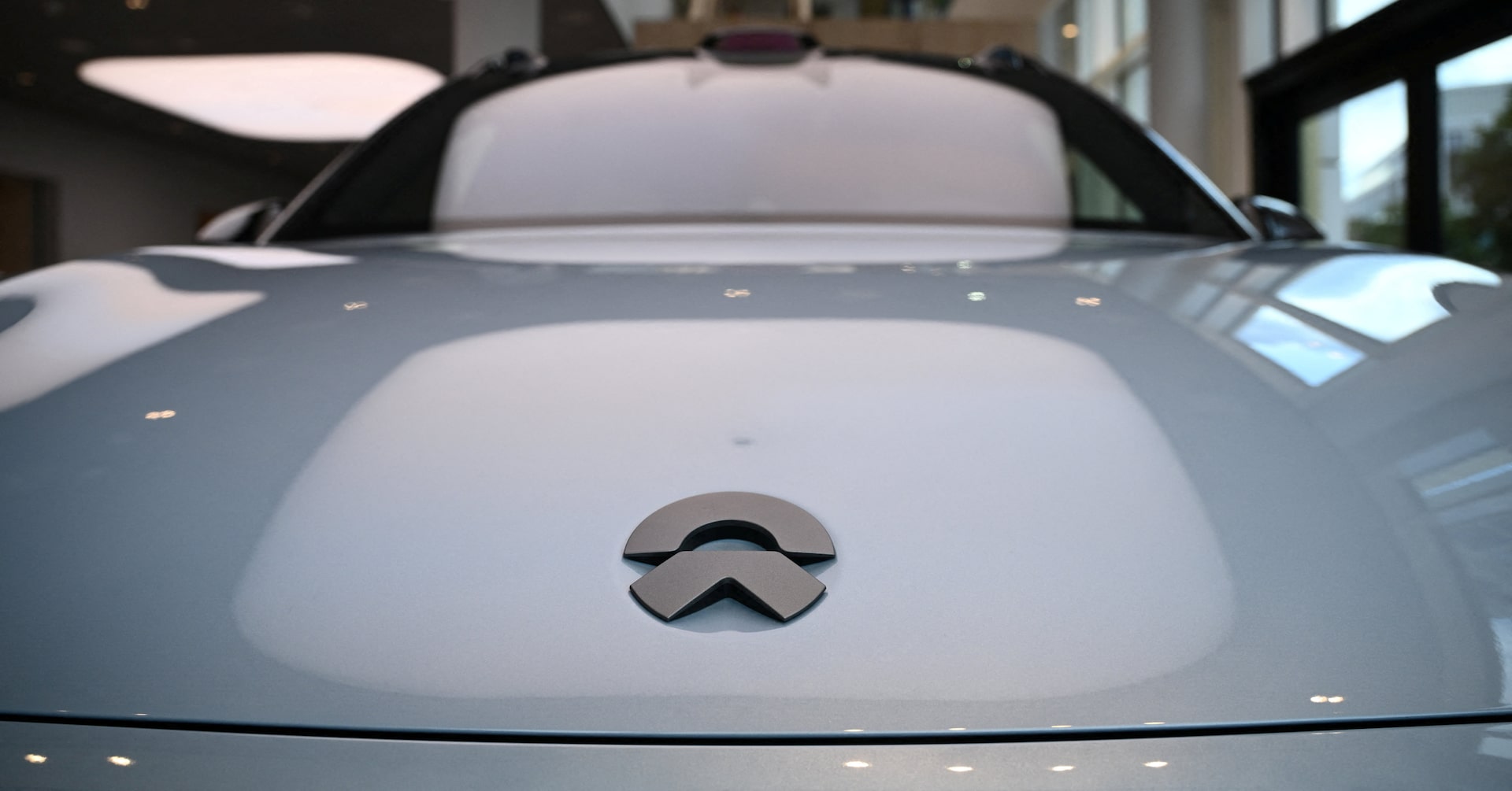
Tesla's China Sales Rebound with 22.5% Growth in May
- Sales Rebound: Tesla's retail sales in China reached 47,281 units in May, marking a 22.5% year-over-year increase that ended a two-month decline, indicating a potential recovery in demand despite the overall NEV market falling 7.5% year-over-year.
- Model Performance: The Model Y saw wholesale sales of 54,765 units in May, up 39% year-over-year, while Model 3 sales increased by 41% to 31,217 units, demonstrating Tesla's strong product appeal in a competitive market.
- Pricing Strategy: To counter the new 5% purchase tax on NEVs effective in 2026, Tesla has introduced a five-year zero-interest financing plan and added a low-rate 'Easy Loan' program in mid-May, reflecting the company's efforts to enhance vehicle affordability.
- Market Challenges: Despite the sales rebound in May, cumulative sales for the first five months of 2026 were approximately 186,000 units, down nearly 8% year-over-year, highlighting the ongoing competitive pressures Tesla faces from local brands like Xiaomi and BYD.
See More
Tesla's China Sales Surge 22.5% in May, First Gain Since February
- Sales Recovery: Tesla's retail sales in China rose 22.5% year-over-year in May, reaching 47,281 units, marking the first year-over-year increase since February, despite a weak overall market, indicating a gradual recovery in a competitive landscape.
- Model Performance: In May, Tesla's Model Y sales hit 54,765 units, up 39% year-over-year, while Model 3 sales increased by 41% to 31,217 units, reflecting the positive impact of refreshed models and financing offers, further solidifying Tesla's position in the Chinese market.
- Market Environment Challenges: Despite Tesla's sales growth, the overall Chinese new energy vehicle market saw a 7.5% year-over-year decline, indicating that Tesla's gains were achieved in a shrinking and competitive market, highlighting the difficulties in capturing market share.
- Financing Strategy Impact: Tesla stimulated sales through a five-year zero-interest financing plan and a low-rate 'Easy Loan' program, which proved effective in the short term; however, the long-term sustainability of this strategy remains uncertain, especially as Chinese banks tighten credit policies.
See More
SpaceX to Go Public on June 12, Potentially Valued at $2 Trillion
- Historic IPO: SpaceX plans to go public on June 12, with a potential valuation of $2 trillion, making it the largest IPO in history and drawing significant investor interest.
- Inclusion Criteria Challenges: While SpaceX may eventually join the S&P 500, it currently does not meet the requirements, including being publicly traded for a year, posting recent profits, and having over 10% public float.
- Market Impact Analysis: If SpaceX is included in the S&P 500, it will automatically be part of any index fund or ETF, likely boosting its stock price significantly and altering investor asset allocations.
- Future Outlook: The inclusion of SpaceX would shift the S&P 500 index towards higher-growth sectors, compelling conservative investors to embrace Musk's vision for the future, thereby driving changes in market dynamics.
See More
SpaceX Set for Historic IPO, Potentially Raising $75 Billion
- Record IPO Size: SpaceX is set to go public on June 12, aiming to raise up to $75 billion, which would surpass the $29.4 billion record set by Saudi Aramco in 2019, marking a significant milestone for the company in capital markets.
- Market Valuation Outlook: If successful, SpaceX's market capitalization could reach $1.8 trillion, placing it among the top ten most valuable companies globally and surpassing Tesla, further solidifying Elon Musk's leadership in the tech sector.
- Starlink Profitability: Starlink, as the profitable core of SpaceX, generated $11.4 billion of the company's total $18.7 billion revenue last year, with a 50% growth rate, demonstrating strong performance in the satellite internet market and supporting the company's overall financial health.
- AI Business Challenges: While SpaceX dominates the space launch market, its AI division, xAI, faces intense competition, achieving only $1.4 billion in sales last year while burning about $1 billion monthly, leaving its future profitability uncertain and potentially impacting overall valuation.
See More
Tesla Launches Unsupervised Robotaxi Service in Austin
- Robotaxi Service Launch: Tesla's launch of its unsupervised robotaxi service in Austin represents a significant step towards fully autonomous operations, which is expected to enhance future revenue potential and solidify its leadership in the electric vehicle market.
- Sales Recovery in China: According to the China Passenger Car Association, Tesla's retail sales surged 22.5% in May to 47,281 vehicles, breaking a two-month streak of declining sales, indicating a recovery in market demand.
- Stock Price Volatility and Market Reaction: Following the announcement, Tesla's shares rose by 5.5%, although they later cooled to $409.76, still reflecting a 4.8% increase from the previous close, indicating a positive market reaction but not a fundamental shift in perception.
- Analyst Rating Adjustment: JPMorgan upgraded Tesla's rating from Underweight to Neutral, raising the price target by 228% to $475, yet analysts remain cautious about the company's future profitability, noting the lack of genuinely new vehicle launches that could justify its current valuation.
See More
GM Partners with Peak Energy to Develop Sodium-Ion Batteries
- Strategic Partnership: General Motors (GM) has announced a strategic partnership with startup Peak Energy to develop and manufacture next-generation sodium-ion battery cells for grid-scale energy storage, marking a significant expansion of GM's battery technology applications beyond electric vehicles.
- Technological Innovation: The collaboration will leverage GM's Michigan battery labs to develop sodium-ion cells, which Peak Energy will integrate into its proprietary passively cooled storage systems, promising a 20% cost reduction and over 99% uptime, enhancing the reliability of energy storage solutions.
- Market Outlook: This initiative not only signifies GM's repurposing of battery technology but also indicates a diversified investment in the energy storage market, particularly in the area of EV battery recycling, thereby strengthening its competitive position in the industry.
- Investor Sentiment: On Stocktwits, retail sentiment around GM shifted from 'neutral' to 'bullish', reflecting investor optimism regarding GM's entry into the energy storage sector, with GM's stock gaining over 3% this year.
See More
Tesla's China Sales Rebound with 22.5% Growth in May
- Sales Rebound: Tesla's retail sales in China reached 47,281 units in May, marking a 22.5% year-over-year increase that ended a two-month decline, indicating a potential recovery in demand despite the overall NEV market falling 7.5% year-over-year.
- Model Performance: The Model Y saw wholesale sales of 54,765 units in May, up 39% year-over-year, while Model 3 sales increased by 41% to 31,217 units, demonstrating Tesla's strong product appeal in a competitive market.
- Pricing Strategy: To counter the new 5% purchase tax on NEVs effective in 2026, Tesla has introduced a five-year zero-interest financing plan and added a low-rate 'Easy Loan' program in mid-May, reflecting the company's efforts to enhance vehicle affordability.
- Market Challenges: Despite the sales rebound in May, cumulative sales for the first five months of 2026 were approximately 186,000 units, down nearly 8% year-over-year, highlighting the ongoing competitive pressures Tesla faces from local brands like Xiaomi and BYD.
See More
Tesla's China Sales Surge 22.5% in May, First Gain Since February
- Sales Recovery: Tesla's retail sales in China rose 22.5% year-over-year in May, reaching 47,281 units, marking the first year-over-year increase since February, despite a weak overall market, indicating a gradual recovery in a competitive landscape.
- Model Performance: In May, Tesla's Model Y sales hit 54,765 units, up 39% year-over-year, while Model 3 sales increased by 41% to 31,217 units, reflecting the positive impact of refreshed models and financing offers, further solidifying Tesla's position in the Chinese market.
- Market Environment Challenges: Despite Tesla's sales growth, the overall Chinese new energy vehicle market saw a 7.5% year-over-year decline, indicating that Tesla's gains were achieved in a shrinking and competitive market, highlighting the difficulties in capturing market share.
- Financing Strategy Impact: Tesla stimulated sales through a five-year zero-interest financing plan and a low-rate 'Easy Loan' program, which proved effective in the short term; however, the long-term sustainability of this strategy remains uncertain, especially as Chinese banks tighten credit policies.
See More
SpaceX to Go Public on June 12, Potentially Valued at $2 Trillion
- Historic IPO: SpaceX plans to go public on June 12, with a potential valuation of $2 trillion, making it the largest IPO in history and drawing significant investor interest.
- Inclusion Criteria Challenges: While SpaceX may eventually join the S&P 500, it currently does not meet the requirements, including being publicly traded for a year, posting recent profits, and having over 10% public float.
- Market Impact Analysis: If SpaceX is included in the S&P 500, it will automatically be part of any index fund or ETF, likely boosting its stock price significantly and altering investor asset allocations.
- Future Outlook: The inclusion of SpaceX would shift the S&P 500 index towards higher-growth sectors, compelling conservative investors to embrace Musk's vision for the future, thereby driving changes in market dynamics.
See More