Tesla Q2 Delivery Estimates Raised Amid Challenges
Written by Emily J. Thompson, Senior Investment Analyst
Updated: 1 hour ago
0mins
Source: stocktwits
- Analyst Estimates Raised: RBC, UBS, and Goldman Sachs project Tesla's Q2 deliveries to exceed 400,000 units, reflecting optimism about improving sales trends despite a 14% year-over-year decline from last year's 384,122 deliveries, indicating challenges during the company's transition.
- Impact of New Models: Tesla's discontinuation of Model S and X production in Q2 is seen as a strategic shift towards robotaxi and humanoid robot initiatives, which may pressure traditional vehicle sales, highlighting the company's balancing act between technological innovation and market demand.
- Market Sentiment Volatility: Investor sentiment has been affected by the NHTSA probe into a fatal Tesla crash, leading to a 6% drop in TSLA shares on Tuesday, reflecting uncertainty about the company's future performance, even as analysts remain optimistic about Q2 delivery expectations.
- Retail Investor Reactions: On Stocktwits, retail sentiment around TSLA remains in the 'extremely bearish' territory, with low message volume, yet discussions surged by 493% over the past 30 days, indicating investor concerns about the safety of Tesla's full self-driving technology.
Trade with 70% Backtested Accuracy
Stop guessing "Should I Buy TSLA?" and start using high-conviction signals backed by rigorous historical data.
Sign up today to access powerful investing tools and make smarter, data-driven decisions.
Analyst Views on TSLA
Wall Street analysts forecast TSLA stock price to fall
30 Analyst Rating
12 Buy
11 Hold
7 Sell
Hold
Current: 405.050

Low
25.28
Averages
401.93
High
600.00
Current: 405.050
Low
25.28
Averages
401.93
High
600.00
About TSLA
Tesla, Inc. designs, develops, manufactures, sells and leases high-performance fully electric vehicles and energy generation and storage systems, and offers services related to its products. Its segments include automotive, and energy generation and storage. The automotive segment includes the design, development, manufacturing, sales and leasing of high-performance fully electric vehicles, and sales of automotive regulatory credits. It also includes sales of used vehicles, non-warranty maintenance services and collisions, part sales, paid supercharging, insurance services revenue and retail merchandise sales. The energy generation and storage segment include the design, manufacture, installation, sales and leasing of solar energy generation and energy storage products and related services and sales of solar energy systems incentives. Its consumer vehicles include the Model 3, Y, S, X and Cybertruck. Its lithium-ion battery energy storage products include Powerwall and Megapack.
About the author

Emily J. Thompson
Emily J. Thompson, a Chartered Financial Analyst (CFA) with 12 years in investment research, graduated with honors from the Wharton School. Specializing in industrial and technology stocks, she provides in-depth analysis for Intellectia’s earnings and market brief reports.

Tesla Q2 Delivery Estimates Raised Amid Challenges

- Analyst Estimates Raised: RBC, UBS, and Goldman Sachs project Tesla's Q2 deliveries to exceed 400,000 units, reflecting optimism about improving sales trends despite a 14% year-over-year decline from last year's 384,122 deliveries, indicating challenges during the company's transition.
- Impact of New Models: Tesla's discontinuation of Model S and X production in Q2 is seen as a strategic shift towards robotaxi and humanoid robot initiatives, which may pressure traditional vehicle sales, highlighting the company's balancing act between technological innovation and market demand.
- Market Sentiment Volatility: Investor sentiment has been affected by the NHTSA probe into a fatal Tesla crash, leading to a 6% drop in TSLA shares on Tuesday, reflecting uncertainty about the company's future performance, even as analysts remain optimistic about Q2 delivery expectations.
- Retail Investor Reactions: On Stocktwits, retail sentiment around TSLA remains in the 'extremely bearish' territory, with low message volume, yet discussions surged by 493% over the past 30 days, indicating investor concerns about the safety of Tesla's full self-driving technology.
See More
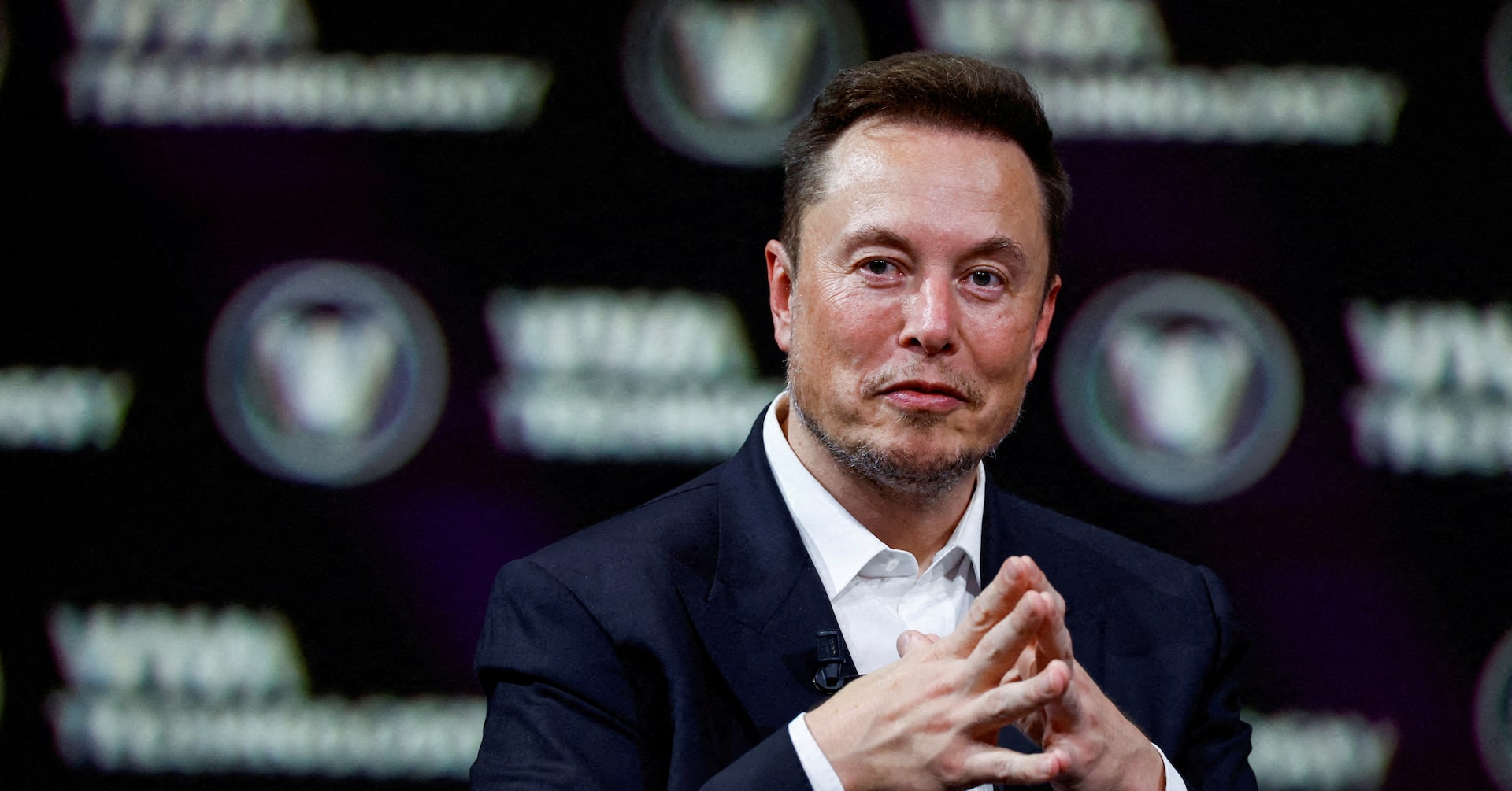
Finland May Approve Tesla's Self-Driving System Ahead of EU Decision
- Finland's Regulatory Update: Finland's transport authority indicated that it may approve Tesla's self-driving assistance system earlier than the anticipated EU-wide decision, paving the way for Tesla's further expansion in the European market.
- Netherlands' Lead Approval: The Netherlands became the first European country to grant provisional approval for Tesla's Full Self-Driving (FSD) system in April, marking a significant advancement for Tesla in Europe and potentially prompting other countries to follow suit.
- Cautious Reception Elsewhere: Countries like Estonia and Belgium have also allowed the technology, although some regulators have expressed caution regarding its safety, which may influence Tesla's promotional strategies in these markets.
- EU-Wide Rollout Potential: Should a qualified majority of member states support it, Tesla's FSD system could see a broader rollout across the EU, positively impacting Tesla's market share and future growth prospects.
See More

Launch of SpaceX-Themed ETF Marks New Investment Opportunity

- New ETF Launch: The Kurv SpaceX Enhanced Income ETF (XSHP) began trading last Wednesday, marking the first covered-call ETF focused on the SpaceX theme, highlighting strong market interest and investor enthusiasm for SpaceX.
- Innovative Income Strategy: This ETF employs a call spread strategy, selling call options to generate premiums while simultaneously buying higher strike call options to capture potential upside, aiming to provide investors with stable monthly distributions at an expense ratio of 0.99%.
- Positive Market Response: Despite a three-day decline in SpaceX stock, XSHP's strategy successfully captured premiums, indicating its ability to generate income even in volatile markets, reflecting the ETF's resilience.
- Investment Risk Advisory: While single-stock options income ETFs are appealing, investors must be cautious of unsustainable distributions and potential net asset value erosion, underscoring the importance of thorough due diligence on risk/return/income profiles.
See More
SpaceX Raises $25 Billion in Debt Offering Post-IPO

- Successful Debt Financing: SpaceX has successfully raised $25 billion in senior unsecured notes less than two weeks after its IPO, initially targeting $20 billion, indicating strong market confidence in its financing needs.
- Surge in Orders: As of Tuesday, SpaceX received nearly $90 billion in orders, prompting a $5 billion increase in the debt offering, reflecting robust market demand in the aerospace and internet sectors.
- Clear Use of Funds: The proceeds will support the development of SpaceX's Starship rockets, expansion of its Starlink satellite internet, and various AI initiatives, ensuring the company maintains its competitive edge in technological innovation.
- Strong Financial Position: Following its IPO, SpaceX raised nearly $86 billion and now holds over $100 billion in cash, despite a total loss of $41.3 billion since its inception in 2002, with profitability primarily driven by its Starlink business, showcasing significant financial resilience.
See More
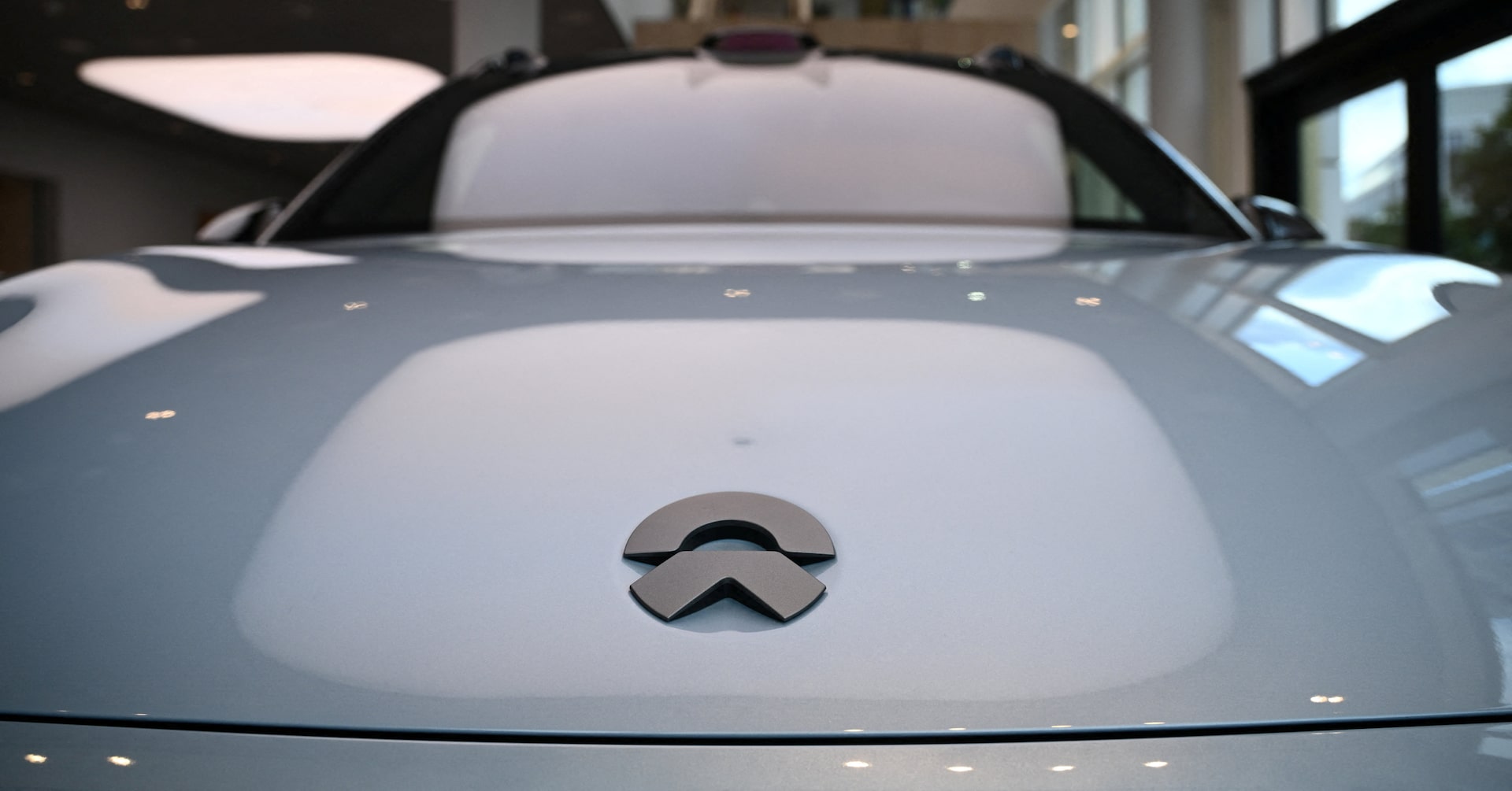
Tesla Shows Signs of Recovery in Europe
- Registration Surge: According to the European Automobile Manufacturers' Association, Tesla's registrations in Europe more than doubled in May, with a 57% year-over-year increase in the first five months, indicating a strong market recovery that provides fresh signals for investors.
- German Incentive Program: Germany's new €3 billion zero-emission vehicle incentive program has significantly boosted Tesla's registrations, which jumped over fourfold in May compared to last year, highlighting the positive impact of such policies not only on Tesla but also on plug-in hybrids.
- Intensifying Competition: Tesla's recovery is not just its own narrative but also a pressure test for Volkswagen and other European automakers, as rising competition from Chinese manufacturers complicates the market landscape and makes it more price-sensitive.
- Sales Leadership: EY reported that Tesla's Model Y and Model 3 were the best-selling EVs in Western Europe last month, showcasing Tesla's strong competitive position while reflecting the challenges faced by legacy automakers in this evolving market.
See More

Analysis of SpaceX's Stock Volatility Post-IPO
- Stock Price Volatility: SpaceX went public on June 12 at $135 per share, opening at $150 and peaking at $225.64, but has since fallen to around $155, indicating a rapid decline in market enthusiasm.
- Market Valuation Changes: Initially, SpaceX's market cap reached $2.66 trillion, approximately 142 times its projected 2025 revenue of $18.7 billion, but has since dropped to $2.07 trillion, with a still-high price-to-sales ratio of 111, highlighting valuation risks.
- Lockup Period Impact: SpaceX's phased lockup release will allow approximately 20% of shares to be sold after the second quarter earnings report, with an additional 10% unlocking if the stock holds above $175.50 for five days prior, significantly impacting stock dynamics.
- Short Selling Risks: High borrowing costs and potential index inclusions complicate short selling, while Elon Musk's social media influence could drive stock prices up unexpectedly, posing additional risks for short sellers.
See More
Tesla Q2 Delivery Estimates Raised Amid Challenges
- Analyst Estimates Raised: RBC, UBS, and Goldman Sachs project Tesla's Q2 deliveries to exceed 400,000 units, reflecting optimism about improving sales trends despite a 14% year-over-year decline from last year's 384,122 deliveries, indicating challenges during the company's transition.
- Impact of New Models: Tesla's discontinuation of Model S and X production in Q2 is seen as a strategic shift towards robotaxi and humanoid robot initiatives, which may pressure traditional vehicle sales, highlighting the company's balancing act between technological innovation and market demand.
- Market Sentiment Volatility: Investor sentiment has been affected by the NHTSA probe into a fatal Tesla crash, leading to a 6% drop in TSLA shares on Tuesday, reflecting uncertainty about the company's future performance, even as analysts remain optimistic about Q2 delivery expectations.
- Retail Investor Reactions: On Stocktwits, retail sentiment around TSLA remains in the 'extremely bearish' territory, with low message volume, yet discussions surged by 493% over the past 30 days, indicating investor concerns about the safety of Tesla's full self-driving technology.
See More
Finland May Approve Tesla's Self-Driving System Ahead of EU Decision
- Finland's Regulatory Update: Finland's transport authority indicated that it may approve Tesla's self-driving assistance system earlier than the anticipated EU-wide decision, paving the way for Tesla's further expansion in the European market.
- Netherlands' Lead Approval: The Netherlands became the first European country to grant provisional approval for Tesla's Full Self-Driving (FSD) system in April, marking a significant advancement for Tesla in Europe and potentially prompting other countries to follow suit.
- Cautious Reception Elsewhere: Countries like Estonia and Belgium have also allowed the technology, although some regulators have expressed caution regarding its safety, which may influence Tesla's promotional strategies in these markets.
- EU-Wide Rollout Potential: Should a qualified majority of member states support it, Tesla's FSD system could see a broader rollout across the EU, positively impacting Tesla's market share and future growth prospects.
See More
Launch of SpaceX-Themed ETF Marks New Investment Opportunity
- New ETF Launch: The Kurv SpaceX Enhanced Income ETF (XSHP) began trading last Wednesday, marking the first covered-call ETF focused on the SpaceX theme, highlighting strong market interest and investor enthusiasm for SpaceX.
- Innovative Income Strategy: This ETF employs a call spread strategy, selling call options to generate premiums while simultaneously buying higher strike call options to capture potential upside, aiming to provide investors with stable monthly distributions at an expense ratio of 0.99%.
- Positive Market Response: Despite a three-day decline in SpaceX stock, XSHP's strategy successfully captured premiums, indicating its ability to generate income even in volatile markets, reflecting the ETF's resilience.
- Investment Risk Advisory: While single-stock options income ETFs are appealing, investors must be cautious of unsustainable distributions and potential net asset value erosion, underscoring the importance of thorough due diligence on risk/return/income profiles.
See More
SpaceX Raises $25 Billion in Debt Offering Post-IPO
- Successful Debt Financing: SpaceX has successfully raised $25 billion in senior unsecured notes less than two weeks after its IPO, initially targeting $20 billion, indicating strong market confidence in its financing needs.
- Surge in Orders: As of Tuesday, SpaceX received nearly $90 billion in orders, prompting a $5 billion increase in the debt offering, reflecting robust market demand in the aerospace and internet sectors.
- Clear Use of Funds: The proceeds will support the development of SpaceX's Starship rockets, expansion of its Starlink satellite internet, and various AI initiatives, ensuring the company maintains its competitive edge in technological innovation.
- Strong Financial Position: Following its IPO, SpaceX raised nearly $86 billion and now holds over $100 billion in cash, despite a total loss of $41.3 billion since its inception in 2002, with profitability primarily driven by its Starlink business, showcasing significant financial resilience.
See More
Tesla Shows Signs of Recovery in Europe
- Registration Surge: According to the European Automobile Manufacturers' Association, Tesla's registrations in Europe more than doubled in May, with a 57% year-over-year increase in the first five months, indicating a strong market recovery that provides fresh signals for investors.
- German Incentive Program: Germany's new €3 billion zero-emission vehicle incentive program has significantly boosted Tesla's registrations, which jumped over fourfold in May compared to last year, highlighting the positive impact of such policies not only on Tesla but also on plug-in hybrids.
- Intensifying Competition: Tesla's recovery is not just its own narrative but also a pressure test for Volkswagen and other European automakers, as rising competition from Chinese manufacturers complicates the market landscape and makes it more price-sensitive.
- Sales Leadership: EY reported that Tesla's Model Y and Model 3 were the best-selling EVs in Western Europe last month, showcasing Tesla's strong competitive position while reflecting the challenges faced by legacy automakers in this evolving market.
See More
Analysis of SpaceX's Stock Volatility Post-IPO
- Stock Price Volatility: SpaceX went public on June 12 at $135 per share, opening at $150 and peaking at $225.64, but has since fallen to around $155, indicating a rapid decline in market enthusiasm.
- Market Valuation Changes: Initially, SpaceX's market cap reached $2.66 trillion, approximately 142 times its projected 2025 revenue of $18.7 billion, but has since dropped to $2.07 trillion, with a still-high price-to-sales ratio of 111, highlighting valuation risks.
- Lockup Period Impact: SpaceX's phased lockup release will allow approximately 20% of shares to be sold after the second quarter earnings report, with an additional 10% unlocking if the stock holds above $175.50 for five days prior, significantly impacting stock dynamics.
- Short Selling Risks: High borrowing costs and potential index inclusions complicate short selling, while Elon Musk's social media influence could drive stock prices up unexpectedly, posing additional risks for short sellers.
See More