

Tesla Delays Cybercab Launch to Late 2026 Due to Regulatory Issues
Written by Emily J. Thompson, Senior Investment Analyst
Updated: Mar 13 2026
0mins
Source: stocktwits
- Cybercab Production Delay: Tesla plans to launch its dedicated robotaxi, Cybercab, in late 2026 primarily due to regulatory and safety issues, which could impact the company's competitiveness in the autonomous driving market.
- Production Line Design: According to a report from The Wall Street Journal, Tesla is designing the production line for Cybercab with a target of producing hundreds of two-seat vehicles weekly, which will help meet future market demand.
- Market Sales Strategy: Future Fund Managing Partner Gary Black believes Tesla may sell Cybercabs to investors or fleet owners instead of deploying them in its own robotaxi fleet, a strategy that could affect its capital efficiency.
- Consumer Sentiment Shift: Retail sentiment around TSLA stock on Stocktwits has shifted from 'extremely bullish' to 'bullish' over the past 24 hours, indicating a decrease in market confidence regarding Tesla's future performance.
Trade with 70% Backtested Accuracy
Stop guessing "Should I Buy TSLA?" and start using high-conviction signals backed by rigorous historical data.
Sign up today to access powerful investing tools and make smarter, data-driven decisions.
Analyst Views on TSLA
Wall Street analysts forecast TSLA stock price to fall
30 Analyst Rating
12 Buy
11 Hold
7 Sell
Hold
Current: 402.900

Low
25.28
Averages
401.93
High
600.00
Current: 402.900
Low
25.28
Averages
401.93
High
600.00
About TSLA
Tesla, Inc. designs, develops, manufactures, sells and leases high-performance fully electric vehicles and energy generation and storage systems, and offers services related to its products. Its segments include automotive, and energy generation and storage. The automotive segment includes the design, development, manufacturing, sales and leasing of high-performance fully electric vehicles, and sales of automotive regulatory credits. It also includes sales of used vehicles, non-warranty maintenance services and collisions, part sales, paid supercharging, insurance services revenue and retail merchandise sales. The energy generation and storage segment include the design, manufacture, installation, sales and leasing of solar energy generation and energy storage products and related services and sales of solar energy systems incentives. Its consumer vehicles include the Model 3, Y, S, X and Cybertruck. Its lithium-ion battery energy storage products include Powerwall and Megapack.
About the author

Emily J. Thompson
Emily J. Thompson, a Chartered Financial Analyst (CFA) with 12 years in investment research, graduated with honors from the Wharton School. Specializing in industrial and technology stocks, she provides in-depth analysis for Intellectia’s earnings and market brief reports.

Tesla Q2 Deliveries Exceed Expectations Significantly

- Strong Delivery Numbers: Tesla delivered 480,126 vehicles in Q2, surpassing Wall Street's expectation of 406,024, with a year-over-year increase of 25% and a sequential increase of 34%, which should significantly boost the company's automotive revenue.
- Energy Storage Deployment: The company deployed 13.5 gigawatt-hours in energy storage, further underscoring its momentum outside the EV business, indicating strategic success in diversifying revenue sources.
- Stock Volatility Expectations: Tesla's stock typically exhibits extreme volatility following earnings reports, with expectations that shares will fluctuate between $365 and $455 after the July 22 report, reflecting the market's sensitivity to future performance.
- Investor Sentiment Impact: Tesla's stock price is driven by market sentiment, where any positive comments regarding autonomous driving or AI could lead to significant price surges, while conservative financial outlooks may trigger sell-offs, necessitating investor preparedness for heightened volatility ahead.
See More
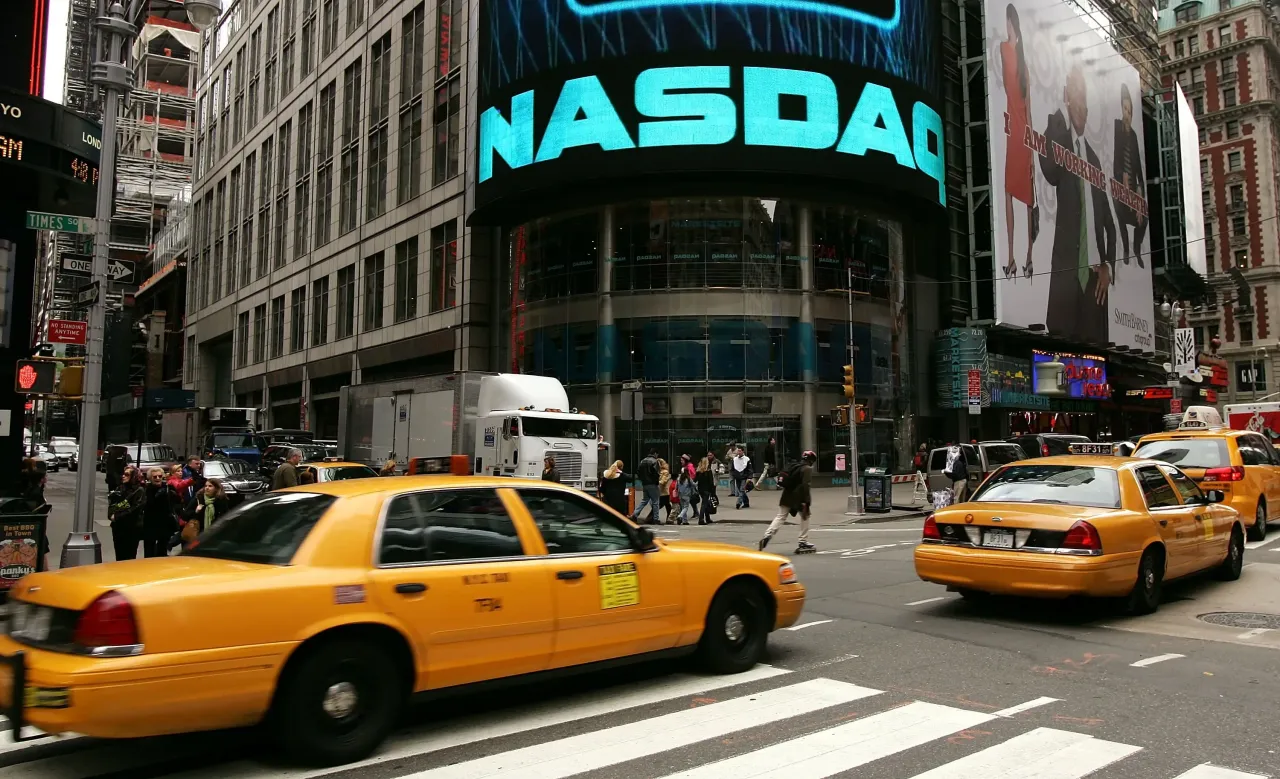
US Stocks Close: Dow Records Worst Day Since June


- Oil Price Surge Impacts Markets: Brent crude futures rose 5.43% to $78.19 per barrel following President Trump's comments suggesting the ceasefire with Iran may be over, heightening inflation fears among investors and impacting market sentiment.
- Mixed Performance Among Major Indices: The S&P 500 fell 0.3%, while the Nasdaq 100 gained 0.3%, and the Dow Jones Industrial Average dropped 1%, marking its worst single-day decline since June, indicating market sensitivity to geopolitical risks.
- Small-Cap Stocks Remain Weak: The Russell 2000 index declined for the second consecutive day by 1%, reflecting the fragile performance of small-cap stocks in the current market environment, which may undermine investor confidence in risk assets.
- ETF Trading Dynamics: The SPDR S&P 500 ETF (SPY) fell 0.5%, while the Invesco QQQ Trust (QQQ) edged up 0.1%, indicating a divergence among investors across different asset classes, which could influence future capital flows.
See More
Alphabet's $80 Billion Funding Boosts Nvidia's Prospects


- Accelerated AI Investment: Alphabet's announcement of an $80 billion equity raise aims to significantly enhance its investment in AI infrastructure, which will directly boost demand for Nvidia's GPUs; despite Alphabet's efforts to develop its own AI chips, CEO Sundar Pichai emphasizes that Nvidia's GPUs remain a core component of their strategy.
- Intensified Market Competition: With Alphabet increasing its AI spending, competitors like Microsoft and Amazon are expected to ramp up their investments as well, which will not only elevate the technological standards across the industry but also further solidify Nvidia's leadership position in the AI hardware market.
- Massive Market Opportunity: Nvidia's CFO Colette Kress predicts that AI infrastructure spending could reach between $3 trillion and $4 trillion by the end of the decade, compared to just $318 billion last year, indicating a substantial growth potential for Nvidia, even a conservative estimate of $1 trillion shows a vast market ahead.
- Stock Investment Timing: Although Nvidia's stock has slid about 6% over the past month, its forward P/E ratio stands at 22.2, aligning with the average for tech stocks; considering its leading position in the GPU market and significant growth runway, the current valuation makes investing in Nvidia a smart choice.
See More
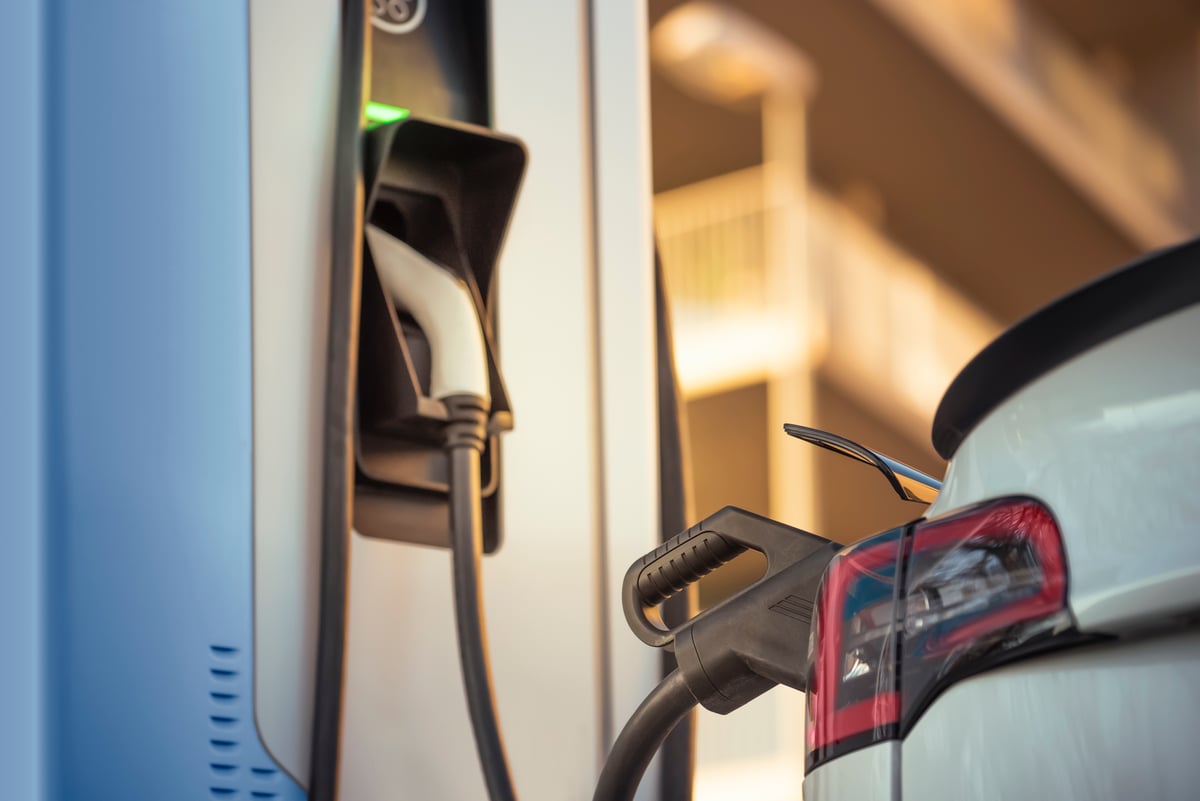
Tesla's Record Deliveries Fail to Boost Stock Price

- Record Deliveries: Tesla reported a historic delivery of 480,126 vehicles in Q2, marking a 25% year-over-year increase and surpassing Wall Street's estimate of 406,000, yet the stock fell 7% on the same day, indicating a diminishing market focus on its automotive business.
- Production and Energy Performance: The company produced 451,758 vehicles and deployed 13.5 gigawatt-hours of energy storage, up from 9.6 gigawatt-hours a year ago, but the stock's negative reaction persisted, with declines following three consecutive delivery updates.
- Market Sentiment Shift: The volatility in Tesla's stock price is closely tied to the expansion of its driverless taxi service; while record deliveries failed to boost the stock, the launch of the robotaxi service in Miami led to a rebound, highlighting the market's increasing valuation of autonomous driving and robotics.
- Competition and Risks: Tesla faces pricing pressure from competitors like BYD, and a fatal crash involving a Tesla Semi in Nevada underscores the safety and legal risks associated with autonomy, making the upcoming financial report a critical moment to assess whether the AI narrative is backed by solid data.
See More

Tesla Stock Movements Reflect Market Shift to Autonomous Driving Focus
- Strong Delivery Numbers: Tesla reported a record 480,126 vehicle deliveries in Q2, a 25% increase year-over-year and significantly above Wall Street's 406,000 estimate; however, the stock fell 7% post-report, indicating a shift in market focus away from traditional car sales.
- Robotaxi Expansion: The launch of Tesla's robotaxi service in Miami marks its third U.S. market, leading to a stock rally, which suggests that investors are increasingly valuing the company's autonomous driving and robotics ambitions over vehicle sales.
- Demand Fluctuations: Demand was partly driven by a spike in gasoline prices due to Middle Eastern conflicts, but this tailwind has faded, and Tesla's sales are also tied to demand from Musk's other ventures, adding uncertainty to future sales.
- Strategic Transition Risks: Musk's decision to halt production of the Model S and Model X to prioritize Optimus raises the stakes, as it positions Tesla's automotive business as a bridge rather than the end goal, increasing the risks associated with this strategic shift.
See More
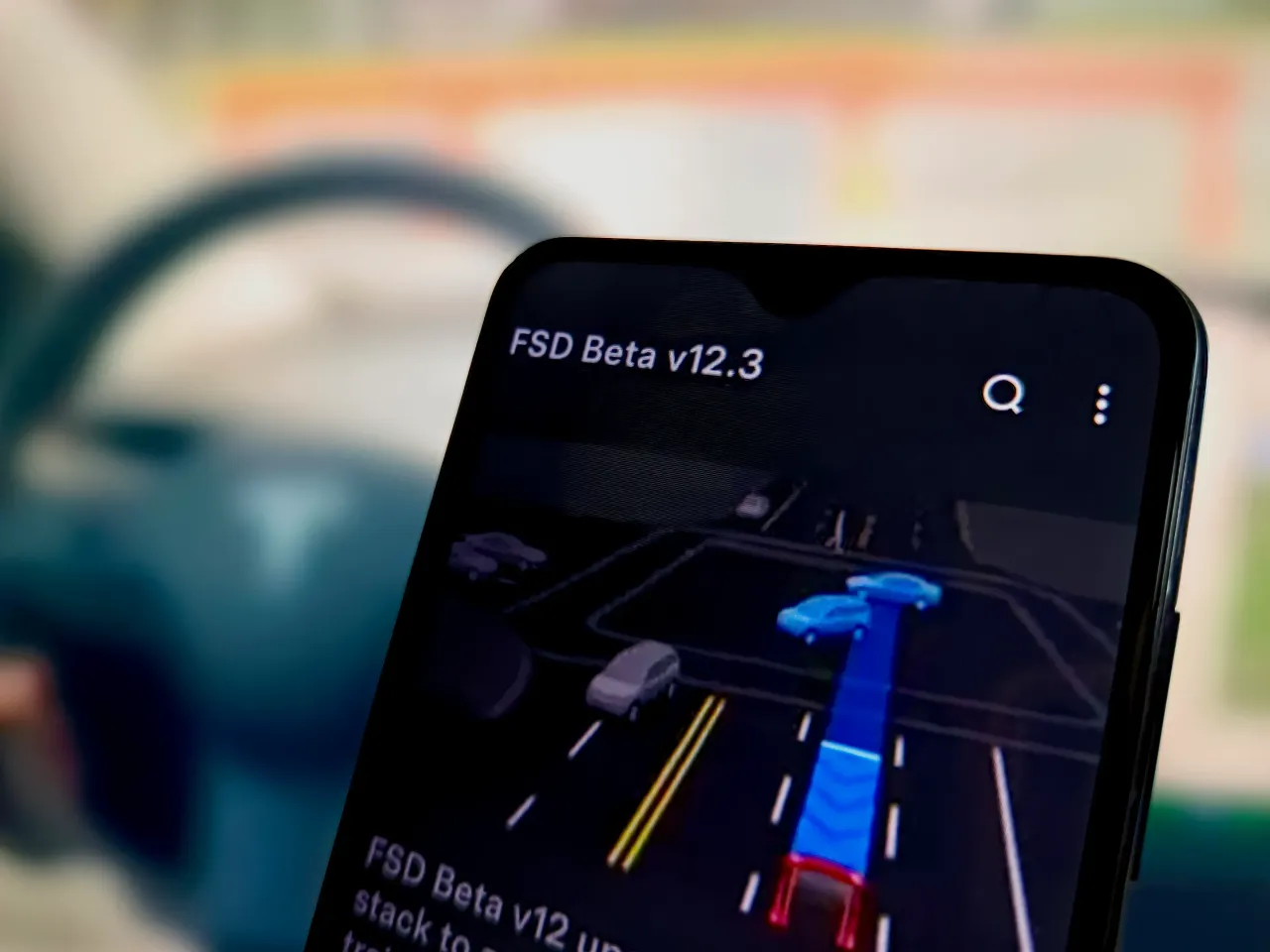
Tesla's FSD Voice Command Progress
- Voice Feature Update: In June, Tesla CEO Elon Musk indicated that the casual conversation functionality for FSD is expected to be available in about three months, although this timeline may extend to September 2026, reflecting the company's optimism about achieving full vehicle autonomy.
- User Feedback Integration: Tesla's head of AI, Ashok Elluswamy, confirmed that the company is working on voice-based improvements to FSD based on user suggestions, although no specific rollout timeline was provided, indicating a commitment to enhancing user experience and practicality.
- Safety Investigation Concerns: Tesla's FSD software is under multiple NHTSA investigations, including analyses of its performance in poor visibility conditions and traffic violations, which could undermine consumer confidence in its autonomous driving technology.
- Market Reaction: Tesla's stock fell by 3% at the time of reporting and has dropped approximately 13% year-to-date, reflecting market concerns regarding the progress of FSD and ongoing safety issues.
See More
Tesla Q2 Deliveries Exceed Expectations Significantly
- Strong Delivery Numbers: Tesla delivered 480,126 vehicles in Q2, surpassing Wall Street's expectation of 406,024, with a year-over-year increase of 25% and a sequential increase of 34%, which should significantly boost the company's automotive revenue.
- Energy Storage Deployment: The company deployed 13.5 gigawatt-hours in energy storage, further underscoring its momentum outside the EV business, indicating strategic success in diversifying revenue sources.
- Stock Volatility Expectations: Tesla's stock typically exhibits extreme volatility following earnings reports, with expectations that shares will fluctuate between $365 and $455 after the July 22 report, reflecting the market's sensitivity to future performance.
- Investor Sentiment Impact: Tesla's stock price is driven by market sentiment, where any positive comments regarding autonomous driving or AI could lead to significant price surges, while conservative financial outlooks may trigger sell-offs, necessitating investor preparedness for heightened volatility ahead.
See More
US Stocks Close: Dow Records Worst Day Since June
- Oil Price Surge Impacts Markets: Brent crude futures rose 5.43% to $78.19 per barrel following President Trump's comments suggesting the ceasefire with Iran may be over, heightening inflation fears among investors and impacting market sentiment.
- Mixed Performance Among Major Indices: The S&P 500 fell 0.3%, while the Nasdaq 100 gained 0.3%, and the Dow Jones Industrial Average dropped 1%, marking its worst single-day decline since June, indicating market sensitivity to geopolitical risks.
- Small-Cap Stocks Remain Weak: The Russell 2000 index declined for the second consecutive day by 1%, reflecting the fragile performance of small-cap stocks in the current market environment, which may undermine investor confidence in risk assets.
- ETF Trading Dynamics: The SPDR S&P 500 ETF (SPY) fell 0.5%, while the Invesco QQQ Trust (QQQ) edged up 0.1%, indicating a divergence among investors across different asset classes, which could influence future capital flows.
See More
Alphabet's $80 Billion Funding Boosts Nvidia's Prospects
- Accelerated AI Investment: Alphabet's announcement of an $80 billion equity raise aims to significantly enhance its investment in AI infrastructure, which will directly boost demand for Nvidia's GPUs; despite Alphabet's efforts to develop its own AI chips, CEO Sundar Pichai emphasizes that Nvidia's GPUs remain a core component of their strategy.
- Intensified Market Competition: With Alphabet increasing its AI spending, competitors like Microsoft and Amazon are expected to ramp up their investments as well, which will not only elevate the technological standards across the industry but also further solidify Nvidia's leadership position in the AI hardware market.
- Massive Market Opportunity: Nvidia's CFO Colette Kress predicts that AI infrastructure spending could reach between $3 trillion and $4 trillion by the end of the decade, compared to just $318 billion last year, indicating a substantial growth potential for Nvidia, even a conservative estimate of $1 trillion shows a vast market ahead.
- Stock Investment Timing: Although Nvidia's stock has slid about 6% over the past month, its forward P/E ratio stands at 22.2, aligning with the average for tech stocks; considering its leading position in the GPU market and significant growth runway, the current valuation makes investing in Nvidia a smart choice.
See More
Tesla's Record Deliveries Fail to Boost Stock Price
- Record Deliveries: Tesla reported a historic delivery of 480,126 vehicles in Q2, marking a 25% year-over-year increase and surpassing Wall Street's estimate of 406,000, yet the stock fell 7% on the same day, indicating a diminishing market focus on its automotive business.
- Production and Energy Performance: The company produced 451,758 vehicles and deployed 13.5 gigawatt-hours of energy storage, up from 9.6 gigawatt-hours a year ago, but the stock's negative reaction persisted, with declines following three consecutive delivery updates.
- Market Sentiment Shift: The volatility in Tesla's stock price is closely tied to the expansion of its driverless taxi service; while record deliveries failed to boost the stock, the launch of the robotaxi service in Miami led to a rebound, highlighting the market's increasing valuation of autonomous driving and robotics.
- Competition and Risks: Tesla faces pricing pressure from competitors like BYD, and a fatal crash involving a Tesla Semi in Nevada underscores the safety and legal risks associated with autonomy, making the upcoming financial report a critical moment to assess whether the AI narrative is backed by solid data.
See More
Tesla Stock Movements Reflect Market Shift to Autonomous Driving Focus
- Strong Delivery Numbers: Tesla reported a record 480,126 vehicle deliveries in Q2, a 25% increase year-over-year and significantly above Wall Street's 406,000 estimate; however, the stock fell 7% post-report, indicating a shift in market focus away from traditional car sales.
- Robotaxi Expansion: The launch of Tesla's robotaxi service in Miami marks its third U.S. market, leading to a stock rally, which suggests that investors are increasingly valuing the company's autonomous driving and robotics ambitions over vehicle sales.
- Demand Fluctuations: Demand was partly driven by a spike in gasoline prices due to Middle Eastern conflicts, but this tailwind has faded, and Tesla's sales are also tied to demand from Musk's other ventures, adding uncertainty to future sales.
- Strategic Transition Risks: Musk's decision to halt production of the Model S and Model X to prioritize Optimus raises the stakes, as it positions Tesla's automotive business as a bridge rather than the end goal, increasing the risks associated with this strategic shift.
See More
Tesla's FSD Voice Command Progress
- Voice Feature Update: In June, Tesla CEO Elon Musk indicated that the casual conversation functionality for FSD is expected to be available in about three months, although this timeline may extend to September 2026, reflecting the company's optimism about achieving full vehicle autonomy.
- User Feedback Integration: Tesla's head of AI, Ashok Elluswamy, confirmed that the company is working on voice-based improvements to FSD based on user suggestions, although no specific rollout timeline was provided, indicating a commitment to enhancing user experience and practicality.
- Safety Investigation Concerns: Tesla's FSD software is under multiple NHTSA investigations, including analyses of its performance in poor visibility conditions and traffic violations, which could undermine consumer confidence in its autonomous driving technology.
- Market Reaction: Tesla's stock fell by 3% at the time of reporting and has dropped approximately 13% year-to-date, reflecting market concerns regarding the progress of FSD and ongoing safety issues.
See More





