Tesla Caps Employee AI Spending to Control Costs
Written by Emily J. Thompson, Senior Investment Analyst
Updated: 1 hour ago
0mins
Source: seekingalpha
- Spending Limit Implementation: Starting Monday, Tesla will cap employee spending on AI products at $200 per week to control costs while still encouraging technology adoption.
- Approval Process Introduced: Employees needing to exceed the spending limit must obtain approval, aiming to balance technology utilization with cost management effectively.
- Industry Trend Comparison: Tesla's move mirrors Uber's recent decision to impose a $1,500 monthly cap on certain AI tools, highlighting the cost pressures companies face while promoting AI usage.
- Future Outlook: Despite the spending cap, Tesla remains optimistic about AI's potential, with Musk stating that employee output will significantly increase due to in-house AI and the Optimus humanoid robot program.
Trade with 70% Backtested Accuracy
Stop guessing "Should I Buy TSLA?" and start using high-conviction signals backed by rigorous historical data.
Sign up today to access powerful investing tools and make smarter, data-driven decisions.
Analyst Views on TSLA
Wall Street analysts forecast TSLA stock price to fall
30 Analyst Rating
12 Buy
11 Hold
7 Sell
Hold
Current: 425.300

Low
25.28
Averages
401.93
High
600.00
Current: 425.300
Low
25.28
Averages
401.93
High
600.00
About TSLA
Tesla, Inc. designs, develops, manufactures, sells and leases high-performance fully electric vehicles and energy generation and storage systems, and offers services related to its products. Its segments include automotive, and energy generation and storage. The automotive segment includes the design, development, manufacturing, sales and leasing of high-performance fully electric vehicles, and sales of automotive regulatory credits. It also includes sales of used vehicles, non-warranty maintenance services and collisions, part sales, paid supercharging, insurance services revenue and retail merchandise sales. The energy generation and storage segment include the design, manufacture, installation, sales and leasing of solar energy generation and energy storage products and related services and sales of solar energy systems incentives. Its consumer vehicles include the Model 3, Y, S, X and Cybertruck. Its lithium-ion battery energy storage products include Powerwall and Megapack.
About the author

Emily J. Thompson
Emily J. Thompson, a Chartered Financial Analyst (CFA) with 12 years in investment research, graduated with honors from the Wharton School. Specializing in industrial and technology stocks, she provides in-depth analysis for Intellectia’s earnings and market brief reports.

Tesla Achieves Record Deliveries in Q2

- Record Deliveries: Tesla delivered 480,126 vehicles in Q2, marking a 25% year-over-year increase and surpassing analyst expectations of 406,000, indicating strong demand and growth potential in the electric vehicle market.
- Stock Price Reaction: Despite the record deliveries, Tesla's stock fell approximately 7.5% following the report, its worst performance in nearly a year, reflecting market concerns about future profitability.
- Production vs. Deliveries: Tesla produced 451,758 vehicles in Q2, falling short of deliveries, suggesting the company may have drawn down inventory to meet delivery targets, raising questions about the sustainability of sales.
- Margin Pressure: With Tesla introducing more competitively priced models, the automotive gross margin was 19% in Q1, and there are concerns that the high delivery volume in Q2 could further compress margins, impacting the company's long-term profitability.
See More
Signs Indicate SpaceX Stock is Overvalued
- Strong IPO Performance: SpaceX initially surged from an IPO price of $150 to an intraday high of $225.64, but as market hype waned, the stock price fell, indicating investor concerns about future growth potential.
- Revenue Structure Analysis: The majority of SpaceX's revenue comes from Starlink, which provides satellite broadband services, while the space segment only accounts for 22% of revenue, highlighting challenges in diversifying income sources.
- Overvaluation Concerns: With a market cap of $2.08 trillion, SpaceX trades at a staggering 111 times its 2025 sales, significantly above industry averages, suggesting that market expectations for future growth may be overly optimistic, posing investment risks.
- Investor Recommendations: Analysts advise potential investors to wait for several quarterly earnings reports before purchasing SpaceX stock to better assess the company's financial performance and growth opportunities, enabling more informed investment decisions.
See More
Tesla Rated as Top Robotics Stock Amid AI Focus
- Optimistic Delivery Outlook: Barclays projects Tesla to deliver approximately 418,000 electric vehicles in Q2, slightly above the consensus estimate of 396,000 units, indicating the company's strong delivery momentum despite overall market sentiment being influenced by future technologies.
- Focus on Future Technologies: The sentiment around Tesla's stock is driven by renewed attention on the Robotaxi and Optimus robot projects, as the company opts to shift its focus towards AI and robotics development, demonstrating its commitment to strategic transformation despite pressures on EV sales.
- Product Line Adjustments: CEO Elon Musk confirmed the discontinuation of the Model S and Model X, with the California factory set to produce the upcoming Optimus robot, reflecting not only changes in market demand but also the competitive pressures faced in the electric vehicle sector.
- Investment Outlook Analysis: While Tesla is viewed as a potential investment, analysts suggest that certain AI stocks may offer greater upside potential and lower downside risk, prompting investors to carefully assess market dynamics for informed decision-making.
See More
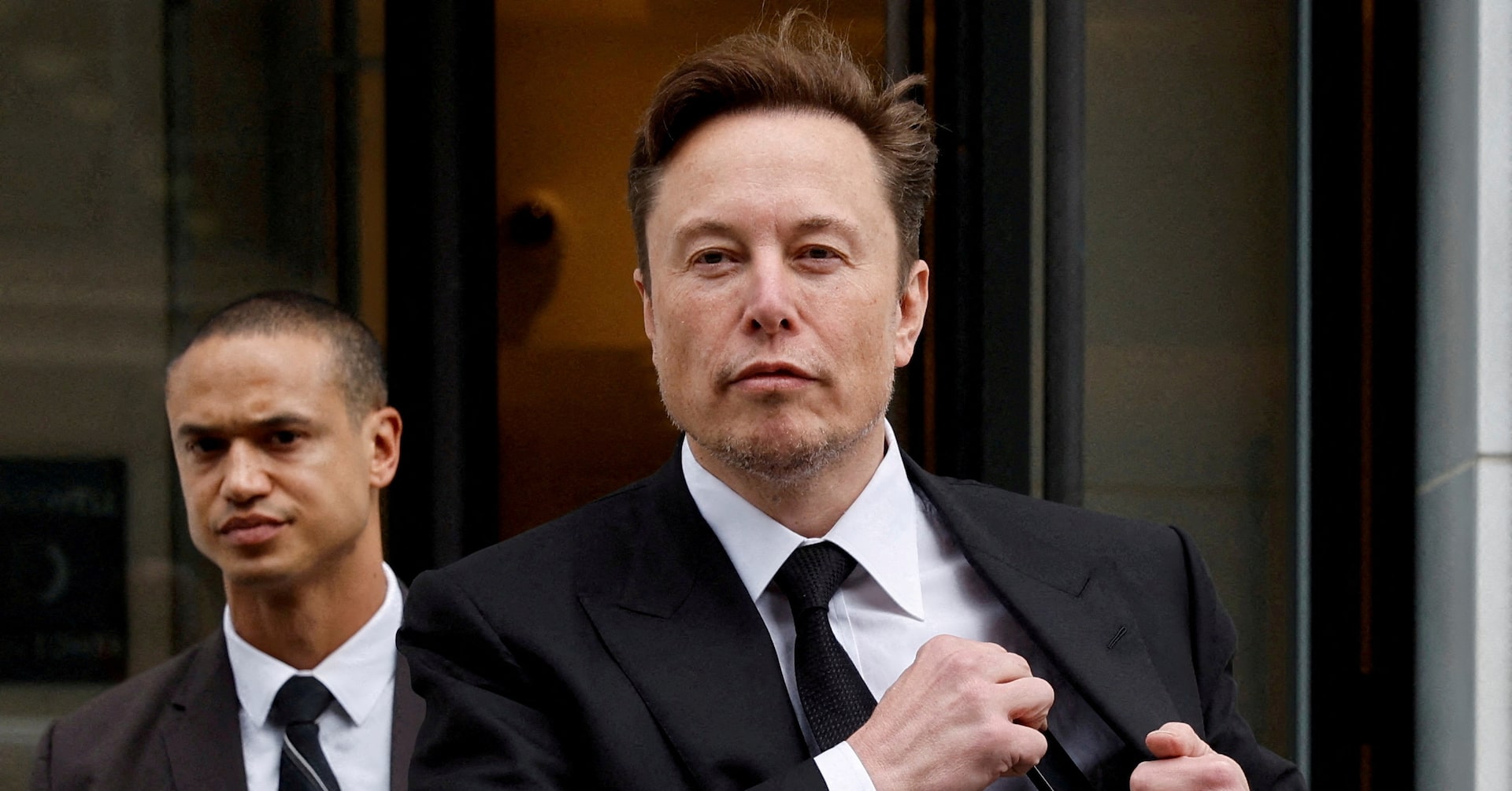
Tesla Caps Employee AI Spending to Control Costs
- Spending Limit Implementation: Starting Monday, Tesla will cap employee spending on AI products at $200 per week to control costs while still encouraging technology adoption.
- Approval Process Introduced: Employees needing to exceed the spending limit must obtain approval, aiming to balance technology utilization with cost management effectively.
- Industry Trend Comparison: Tesla's move mirrors Uber's recent decision to impose a $1,500 monthly cap on certain AI tools, highlighting the cost pressures companies face while promoting AI usage.
- Future Outlook: Despite the spending cap, Tesla remains optimistic about AI's potential, with Musk stating that employee output will significantly increase due to in-house AI and the Optimus humanoid robot program.
See More

Elon Musk Shares Patriotic Video to Promote Bitcoin


- Bitcoin Holdings: As of July, Strategy holds 847,363 BTC valued at approximately $52.9 billion, making it the largest corporate Bitcoin holder, while SpaceX and Tesla hold 18,712 BTC and 11,509 BTC, respectively, valued at about $1.17 billion and $718.5 million, showcasing their significant influence in the cryptocurrency market.
- Market Sentiment Shift: Despite Bitcoin being down over 50% since last October, recent ETF inflows of $223 million indicate easing market pressure, with MSTR stock sentiment on Stocktwits rated as 'extremely bullish', reflecting investor optimism for future performance.
- Musk and Saylor Interaction: Musk shared an AI-generated patriotic video on Independence Day, which Saylor used to promote Bitcoin, emphasizing its role as a tool for American economic strength, further solidifying its public presence.
- Bitcoin Market Cycle: CryptoQuant analysts suggest Bitcoin may have entered the late stage of the bear market cycle, with changes in the ETF market potentially presenting new opportunities, as Strategy continues to stack Bitcoin, demonstrating confidence in a future market rebound.
See More
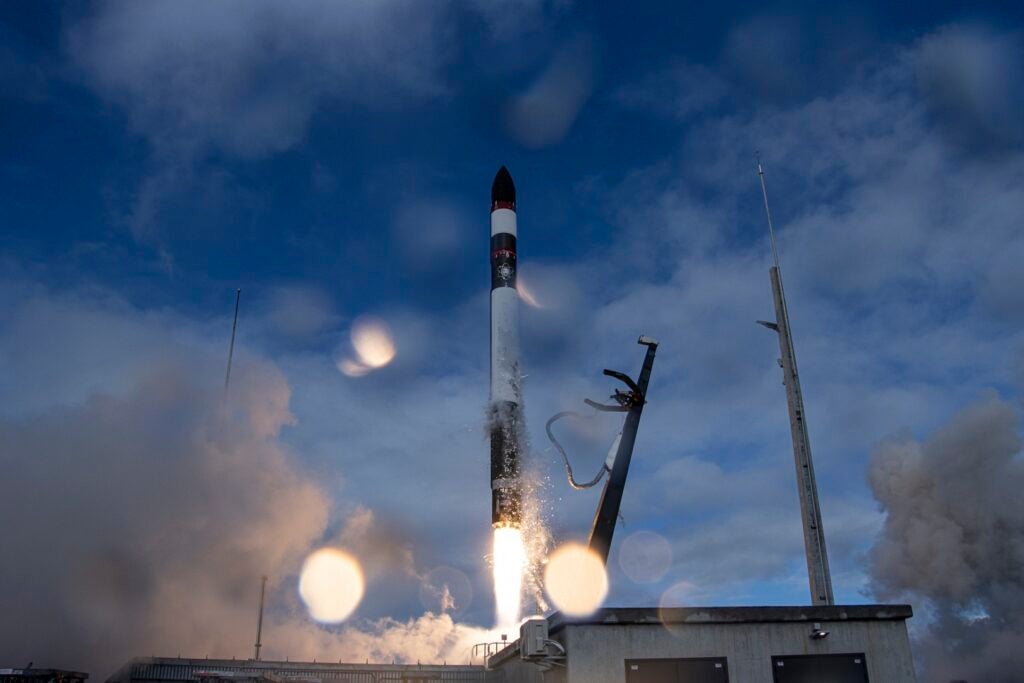
Rocket Lab Announces $8 Billion Acquisition of Iridium
- Acquisition Announcement: Rocket Lab has announced plans to acquire Iridium Communications for $8 billion, which will enable Rocket Lab to integrate satellite launch and communication solutions, thereby enhancing its market competitiveness.
- Market Potential: The global space launch market is projected to grow from over $20 billion this year to more than $70 billion by 2035, and with Iridium's technology, Rocket Lab is positioned to capture a significant share of this rapidly expanding market.
- Technological Synergy: Rocket Lab's Electron rocket has successfully launched over 260 satellites, and Iridium's communication and positioning solutions will allow it to meet a broader range of customer needs, enhancing the attractiveness of its product offerings.
- Strategic Implications: This acquisition not only boosts Rocket Lab's technological capabilities but may also position it as the sole provider capable of meeting specific market demands, thereby gaining a larger market share in the competitive aerospace industry.
See More
Tesla Achieves Record Deliveries in Q2
- Record Deliveries: Tesla delivered 480,126 vehicles in Q2, marking a 25% year-over-year increase and surpassing analyst expectations of 406,000, indicating strong demand and growth potential in the electric vehicle market.
- Stock Price Reaction: Despite the record deliveries, Tesla's stock fell approximately 7.5% following the report, its worst performance in nearly a year, reflecting market concerns about future profitability.
- Production vs. Deliveries: Tesla produced 451,758 vehicles in Q2, falling short of deliveries, suggesting the company may have drawn down inventory to meet delivery targets, raising questions about the sustainability of sales.
- Margin Pressure: With Tesla introducing more competitively priced models, the automotive gross margin was 19% in Q1, and there are concerns that the high delivery volume in Q2 could further compress margins, impacting the company's long-term profitability.
See More
Signs Indicate SpaceX Stock is Overvalued
- Strong IPO Performance: SpaceX initially surged from an IPO price of $150 to an intraday high of $225.64, but as market hype waned, the stock price fell, indicating investor concerns about future growth potential.
- Revenue Structure Analysis: The majority of SpaceX's revenue comes from Starlink, which provides satellite broadband services, while the space segment only accounts for 22% of revenue, highlighting challenges in diversifying income sources.
- Overvaluation Concerns: With a market cap of $2.08 trillion, SpaceX trades at a staggering 111 times its 2025 sales, significantly above industry averages, suggesting that market expectations for future growth may be overly optimistic, posing investment risks.
- Investor Recommendations: Analysts advise potential investors to wait for several quarterly earnings reports before purchasing SpaceX stock to better assess the company's financial performance and growth opportunities, enabling more informed investment decisions.
See More
Tesla Rated as Top Robotics Stock Amid AI Focus
- Optimistic Delivery Outlook: Barclays projects Tesla to deliver approximately 418,000 electric vehicles in Q2, slightly above the consensus estimate of 396,000 units, indicating the company's strong delivery momentum despite overall market sentiment being influenced by future technologies.
- Focus on Future Technologies: The sentiment around Tesla's stock is driven by renewed attention on the Robotaxi and Optimus robot projects, as the company opts to shift its focus towards AI and robotics development, demonstrating its commitment to strategic transformation despite pressures on EV sales.
- Product Line Adjustments: CEO Elon Musk confirmed the discontinuation of the Model S and Model X, with the California factory set to produce the upcoming Optimus robot, reflecting not only changes in market demand but also the competitive pressures faced in the electric vehicle sector.
- Investment Outlook Analysis: While Tesla is viewed as a potential investment, analysts suggest that certain AI stocks may offer greater upside potential and lower downside risk, prompting investors to carefully assess market dynamics for informed decision-making.
See More
Tesla Caps Employee AI Spending to Control Costs
- Spending Limit Implementation: Starting Monday, Tesla will cap employee spending on AI products at $200 per week to control costs while still encouraging technology adoption.
- Approval Process Introduced: Employees needing to exceed the spending limit must obtain approval, aiming to balance technology utilization with cost management effectively.
- Industry Trend Comparison: Tesla's move mirrors Uber's recent decision to impose a $1,500 monthly cap on certain AI tools, highlighting the cost pressures companies face while promoting AI usage.
- Future Outlook: Despite the spending cap, Tesla remains optimistic about AI's potential, with Musk stating that employee output will significantly increase due to in-house AI and the Optimus humanoid robot program.
See More
Elon Musk Shares Patriotic Video to Promote Bitcoin
- Bitcoin Holdings: As of July, Strategy holds 847,363 BTC valued at approximately $52.9 billion, making it the largest corporate Bitcoin holder, while SpaceX and Tesla hold 18,712 BTC and 11,509 BTC, respectively, valued at about $1.17 billion and $718.5 million, showcasing their significant influence in the cryptocurrency market.
- Market Sentiment Shift: Despite Bitcoin being down over 50% since last October, recent ETF inflows of $223 million indicate easing market pressure, with MSTR stock sentiment on Stocktwits rated as 'extremely bullish', reflecting investor optimism for future performance.
- Musk and Saylor Interaction: Musk shared an AI-generated patriotic video on Independence Day, which Saylor used to promote Bitcoin, emphasizing its role as a tool for American economic strength, further solidifying its public presence.
- Bitcoin Market Cycle: CryptoQuant analysts suggest Bitcoin may have entered the late stage of the bear market cycle, with changes in the ETF market potentially presenting new opportunities, as Strategy continues to stack Bitcoin, demonstrating confidence in a future market rebound.
See More
Rocket Lab Announces $8 Billion Acquisition of Iridium
- Acquisition Announcement: Rocket Lab has announced plans to acquire Iridium Communications for $8 billion, which will enable Rocket Lab to integrate satellite launch and communication solutions, thereby enhancing its market competitiveness.
- Market Potential: The global space launch market is projected to grow from over $20 billion this year to more than $70 billion by 2035, and with Iridium's technology, Rocket Lab is positioned to capture a significant share of this rapidly expanding market.
- Technological Synergy: Rocket Lab's Electron rocket has successfully launched over 260 satellites, and Iridium's communication and positioning solutions will allow it to meet a broader range of customer needs, enhancing the attractiveness of its product offerings.
- Strategic Implications: This acquisition not only boosts Rocket Lab's technological capabilities but may also position it as the sole provider capable of meeting specific market demands, thereby gaining a larger market share in the competitive aerospace industry.
See More