Tapestry Partners with Climeworks for Carbon Removal Solutions
- Partnership Agreement: Tapestry has signed a 10-year partnership with Climeworks, marking its first purchase of carbon removal services, which is expected to significantly advance its climate responsibility practices and emission reduction goals.
- Diverse Carbon Removal Portfolio: This collaboration allows Tapestry to access Climeworks' most diversified carbon removal portfolio, combining five high-quality carbon removal pathways, reflecting a shared commitment to innovation and long-term climate impact.
- Industry Leadership Role: As Climeworks' first North American customer in the fashion and consumer goods sector, Tapestry's involvement highlights the increasing interest in carbon removal and decarbonization within the industry, likely inspiring more brands to adopt similar measures.
- Sustainability Goals: Tapestry plans to utilize Climeworks' solutions to address its Scope 1 emissions, advancing its long-term climate goals while supporting the development of emerging climate solution markets.
Trade with 70% Backtested Accuracy
Analyst Views on TPR

About TPR
About the author


Nike Reports Strong Q3 Earnings, Guidance Raises Concerns


- Earnings Highlights: Nike's fiscal Q3 results showed approximately $11.3 billion in sales and earnings per share of $0.35, surpassing Wall Street's expectation of $0.28, despite an overall revenue decline of about 3% year-over-year.
- China Market Challenges: The Greater China segment saw a 10% year-over-year revenue drop, with management guiding for a 20% decline in the current quarter, raising concerns about future performance and potentially affecting investor confidence.
- Stock Price Reaction: Following the earnings report and guidance, Nike's stock fell over 15%, a significant pullback that has ripple effects across the consumer goods sector, prompting investors to monitor related companies closely.
- Competitor Performance: In contrast, Lululemon reported a 28% sales growth in China and is expected to maintain double-digit growth, indicating strong demand in the region that could impact Nike's market share.

Nike's Earnings Report Triggers Stock Plunge
- Sales Decline in China: Nike's guidance indicates a projected 20% sales decline in China, leading to a stock drop of over 15%, which reflects market concerns about its future performance in a highly competitive consumer goods sector.
- Earnings Beat Expectations: Despite reporting earnings per share of $0.35, surpassing Wall Street's expectation of $0.28, and approximately $11.3 billion in sales, Nike's overall revenue fell 3% year-over-year, highlighting challenges in the global market.
- Comparison with Lululemon and Tapestry: In contrast to Nike, Lululemon achieved a 28% sales growth in China and is expected to maintain double-digit growth, while Tapestry reported a 34% increase in its Chinese sales, illustrating the varying performances of brands in the Chinese market.
- Market Reaction and Investor Focus: Nike's weak performance has drawn attention to other consumer goods companies, particularly Lululemon and Tapestry, as investors closely monitor these firms' results to assess the overall health of the Chinese market.
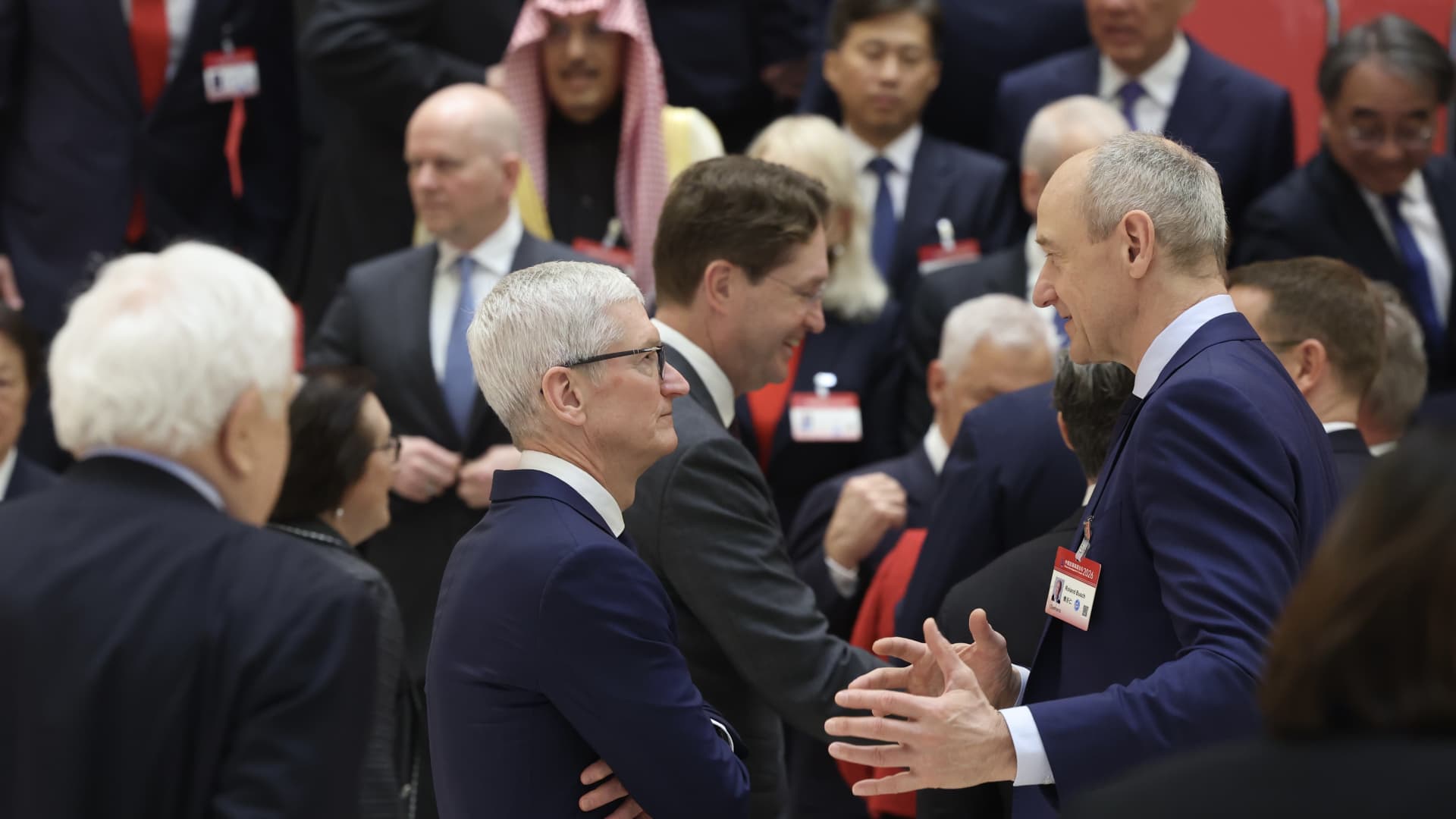
Global Executives Focus on Opportunities in China Market


- Apple CEO Remarks: At the China Development Forum, Apple CEO Tim Cook highlighted the 'extraordinary' pace of technological progress in China, stating that over 90% of Apple's production is powered by clean energy, demonstrating Apple's ongoing commitment and confidence in the Chinese market.
- Significant Sales Growth: Driven by the iPhone 17 launch, Apple's smartphone sales surged 23% year-on-year in the first nine weeks of 2023, contrasting with a 4% decline in China's overall market, indicating Apple's robust growth potential in a competitive landscape.
- Pharmaceutical Investment Plans: Pharmaceutical giant Eli Lilly announced plans to invest $3 billion in China over the next decade, despite only 3% of its revenue coming from the country last year; the CEO expressed optimism about the potential for its GLP-1 obesity drug in China, reflecting foreign confidence in the market.
- Volkswagen's New Strategy: Volkswagen CEO Oliver Blume stated that the company will launch 20 new models in China this year, despite an 8% drop in passenger car sales last year, emphasizing the importance of a stable market environment for foreign investors and showcasing a long-term commitment to the Chinese market.
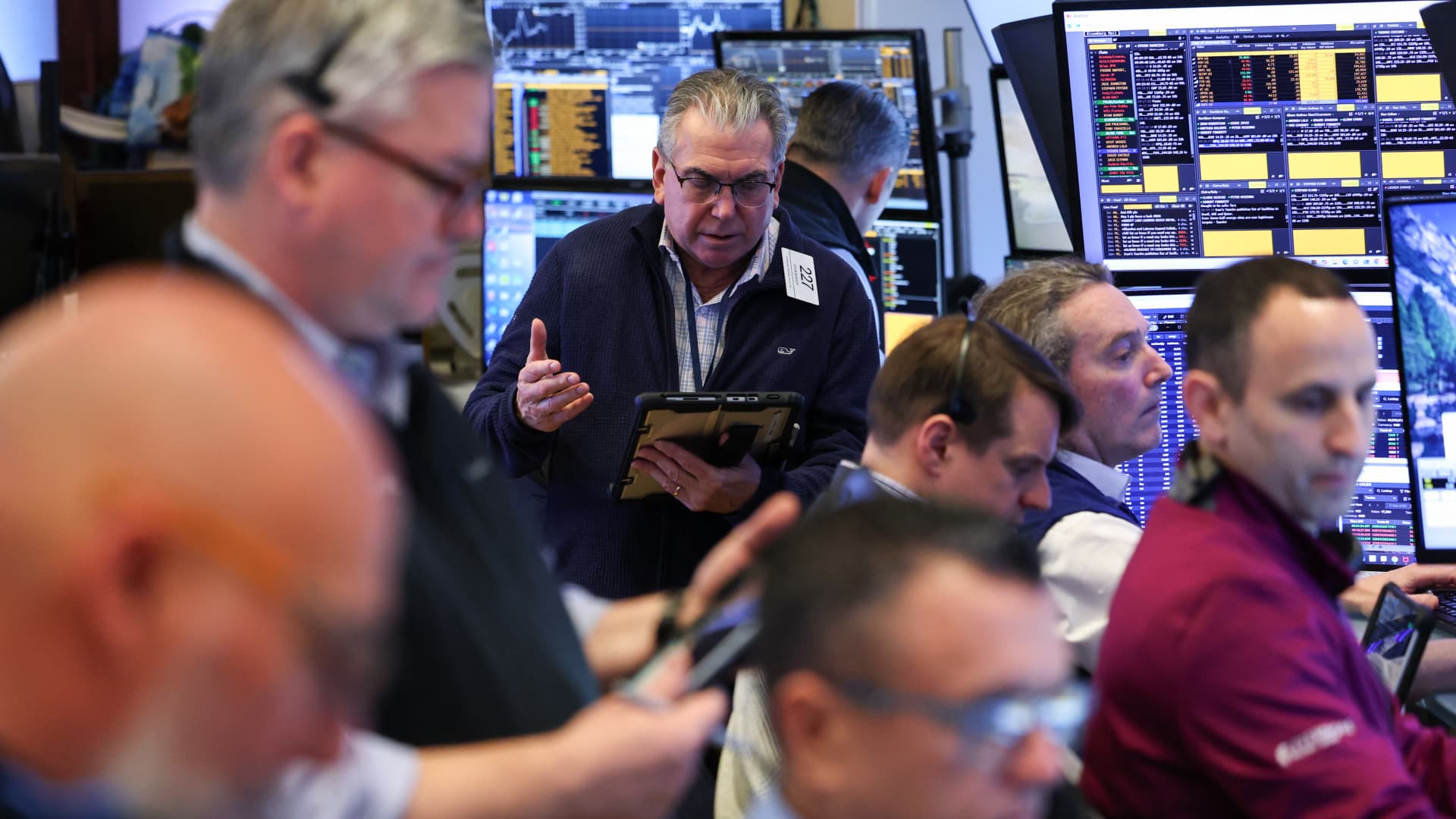
Lower Energy Prices Could Benefit Multiple Companies

- Energy Price Impact: According to JPMorgan, a decline in energy prices could benefit industrial and retail companies like Boeing, Costco, and Allstate, especially after President Trump announced “productive” talks with Iran, leading to a more than 7% drop in West Texas Intermediate futures on Monday.
- Airline Sector Recovery: Delta Air Lines saw its stock rise nearly 4% on Monday, recovering from an initial drop of over 10% at the onset of the Iran war, indicating market optimism about travel demand as energy costs decrease, highlighting the airline industry's sensitivity to oil price fluctuations.
- Luxury Market Rebound: Tapestry, the parent company of Kate Spade and Coach, jumped more than 4% on Monday after a 9% decline since the Middle East conflict began, reflecting a potential easing of concerns regarding consumer spending and rising energy costs, which could boost demand for affordable luxury goods.
- Hotel Industry Optimism: Las Vegas Sands added over 3% on Monday, in line with other hotel companies, as investor confidence grew amid optimism that an economic downturn could be avoided, suggesting potential gains for the hospitality sector in the context of falling energy prices.

30 U.S. COMPANY EXECUTIVES, INCLUDING THOSE FROM MCDONALD'S, ELI LILLY, COACH PARENT TAPESTRY, AND MASTERCARD, PARTICIPATED IN CHINA DEVELOPMENT FORUM - CNBC


U.S. Executives Attend Forum: Executives from major U.S. companies, including McDonald's and Eli Lilly, participated in the China Development Forum.
Focus on China Relations: The forum highlights the ongoing engagement and collaboration between U.S. businesses and China amidst global economic challenges.

Challenging Stock Market Conditions, Yet These 5 Funds Are Thriving.

Positive Market News: Despite recent negative headlines regarding Iran, oil prices, market losses, and poor job numbers, there is encouraging news in the financial sector.
High-Performing Funds: Five investment funds are currently performing exceptionally well, providing a bright spot in an otherwise challenging economic landscape.
Nike Reports Strong Q3 Earnings, Guidance Raises Concerns
- Earnings Highlights: Nike's fiscal Q3 results showed approximately $11.3 billion in sales and earnings per share of $0.35, surpassing Wall Street's expectation of $0.28, despite an overall revenue decline of about 3% year-over-year.
- China Market Challenges: The Greater China segment saw a 10% year-over-year revenue drop, with management guiding for a 20% decline in the current quarter, raising concerns about future performance and potentially affecting investor confidence.
- Stock Price Reaction: Following the earnings report and guidance, Nike's stock fell over 15%, a significant pullback that has ripple effects across the consumer goods sector, prompting investors to monitor related companies closely.
- Competitor Performance: In contrast, Lululemon reported a 28% sales growth in China and is expected to maintain double-digit growth, indicating strong demand in the region that could impact Nike's market share.
Nike's Earnings Report Triggers Stock Plunge
- Sales Decline in China: Nike's guidance indicates a projected 20% sales decline in China, leading to a stock drop of over 15%, which reflects market concerns about its future performance in a highly competitive consumer goods sector.
- Earnings Beat Expectations: Despite reporting earnings per share of $0.35, surpassing Wall Street's expectation of $0.28, and approximately $11.3 billion in sales, Nike's overall revenue fell 3% year-over-year, highlighting challenges in the global market.
- Comparison with Lululemon and Tapestry: In contrast to Nike, Lululemon achieved a 28% sales growth in China and is expected to maintain double-digit growth, while Tapestry reported a 34% increase in its Chinese sales, illustrating the varying performances of brands in the Chinese market.
- Market Reaction and Investor Focus: Nike's weak performance has drawn attention to other consumer goods companies, particularly Lululemon and Tapestry, as investors closely monitor these firms' results to assess the overall health of the Chinese market.
Global Executives Focus on Opportunities in China Market
- Apple CEO Remarks: At the China Development Forum, Apple CEO Tim Cook highlighted the 'extraordinary' pace of technological progress in China, stating that over 90% of Apple's production is powered by clean energy, demonstrating Apple's ongoing commitment and confidence in the Chinese market.
- Significant Sales Growth: Driven by the iPhone 17 launch, Apple's smartphone sales surged 23% year-on-year in the first nine weeks of 2023, contrasting with a 4% decline in China's overall market, indicating Apple's robust growth potential in a competitive landscape.
- Pharmaceutical Investment Plans: Pharmaceutical giant Eli Lilly announced plans to invest $3 billion in China over the next decade, despite only 3% of its revenue coming from the country last year; the CEO expressed optimism about the potential for its GLP-1 obesity drug in China, reflecting foreign confidence in the market.
- Volkswagen's New Strategy: Volkswagen CEO Oliver Blume stated that the company will launch 20 new models in China this year, despite an 8% drop in passenger car sales last year, emphasizing the importance of a stable market environment for foreign investors and showcasing a long-term commitment to the Chinese market.
Lower Energy Prices Could Benefit Multiple Companies
- Energy Price Impact: According to JPMorgan, a decline in energy prices could benefit industrial and retail companies like Boeing, Costco, and Allstate, especially after President Trump announced “productive” talks with Iran, leading to a more than 7% drop in West Texas Intermediate futures on Monday.
- Airline Sector Recovery: Delta Air Lines saw its stock rise nearly 4% on Monday, recovering from an initial drop of over 10% at the onset of the Iran war, indicating market optimism about travel demand as energy costs decrease, highlighting the airline industry's sensitivity to oil price fluctuations.
- Luxury Market Rebound: Tapestry, the parent company of Kate Spade and Coach, jumped more than 4% on Monday after a 9% decline since the Middle East conflict began, reflecting a potential easing of concerns regarding consumer spending and rising energy costs, which could boost demand for affordable luxury goods.
- Hotel Industry Optimism: Las Vegas Sands added over 3% on Monday, in line with other hotel companies, as investor confidence grew amid optimism that an economic downturn could be avoided, suggesting potential gains for the hospitality sector in the context of falling energy prices.
30 U.S. COMPANY EXECUTIVES, INCLUDING THOSE FROM MCDONALD'S, ELI LILLY, COACH PARENT TAPESTRY, AND MASTERCARD, PARTICIPATED IN CHINA DEVELOPMENT FORUM - CNBC
U.S. Executives Attend Forum: Executives from major U.S. companies, including McDonald's and Eli Lilly, participated in the China Development Forum.
Focus on China Relations: The forum highlights the ongoing engagement and collaboration between U.S. businesses and China amidst global economic challenges.
Challenging Stock Market Conditions, Yet These 5 Funds Are Thriving.
Positive Market News: Despite recent negative headlines regarding Iran, oil prices, market losses, and poor job numbers, there is encouraging news in the financial sector.
High-Performing Funds: Five investment funds are currently performing exceptionally well, providing a bright spot in an otherwise challenging economic landscape.