

Surge in Electricity Demand Driven by AI Investments
Written by Emily J. Thompson, Senior Investment Analyst
Updated: 50 minutes ago
0mins

Source: Fool
- Electricity Demand Surge: Electricity demand is projected to grow by 60% from 2025 to 2045, primarily driven by artificial intelligence and data centers, prompting utility companies to ramp up investments to meet this demand, thereby catalyzing industry growth.
- Investor Considerations: As regulated utilities must pass on spending through rate increases, regulatory approval becomes crucial, especially amid high inflation and rising electricity costs, which could pressure utility profitability if costs cannot be fully transferred.
- Bloom Energy Opportunity: Bloom Energy's hydrogen fuel cells have a backlog of $6 billion at the start of 2026, up 2.5 times year-over-year, indicating strong demand in the AI data center market, although its price-to-sales ratio of 29x suggests that market expectations for future success are already reflected in its stock price.
- Renewable Energy Investment: Brookfield Renewable Partners boasts a diversified portfolio of renewable assets and is expected to benefit from AI demand, offering a distribution yield of 4.5% with plans for annual growth of 5% to 9%, providing investors with a stable income stream.
Trade with 70% Backtested Accuracy
Stop guessing "Should I Buy BE?" and start using high-conviction signals backed by rigorous historical data.
Sign up today to access powerful investing tools and make smarter, data-driven decisions.
Analyst Views on BE
Wall Street analysts forecast BE stock price to fall
19 Analyst Rating
8 Buy
9 Hold
2 Sell
Moderate Buy
Current: 289.500

Low
71.00
Averages
142.89
High
184.00
Current: 289.500
Low
71.00
Averages
142.89
High
184.00
About BE
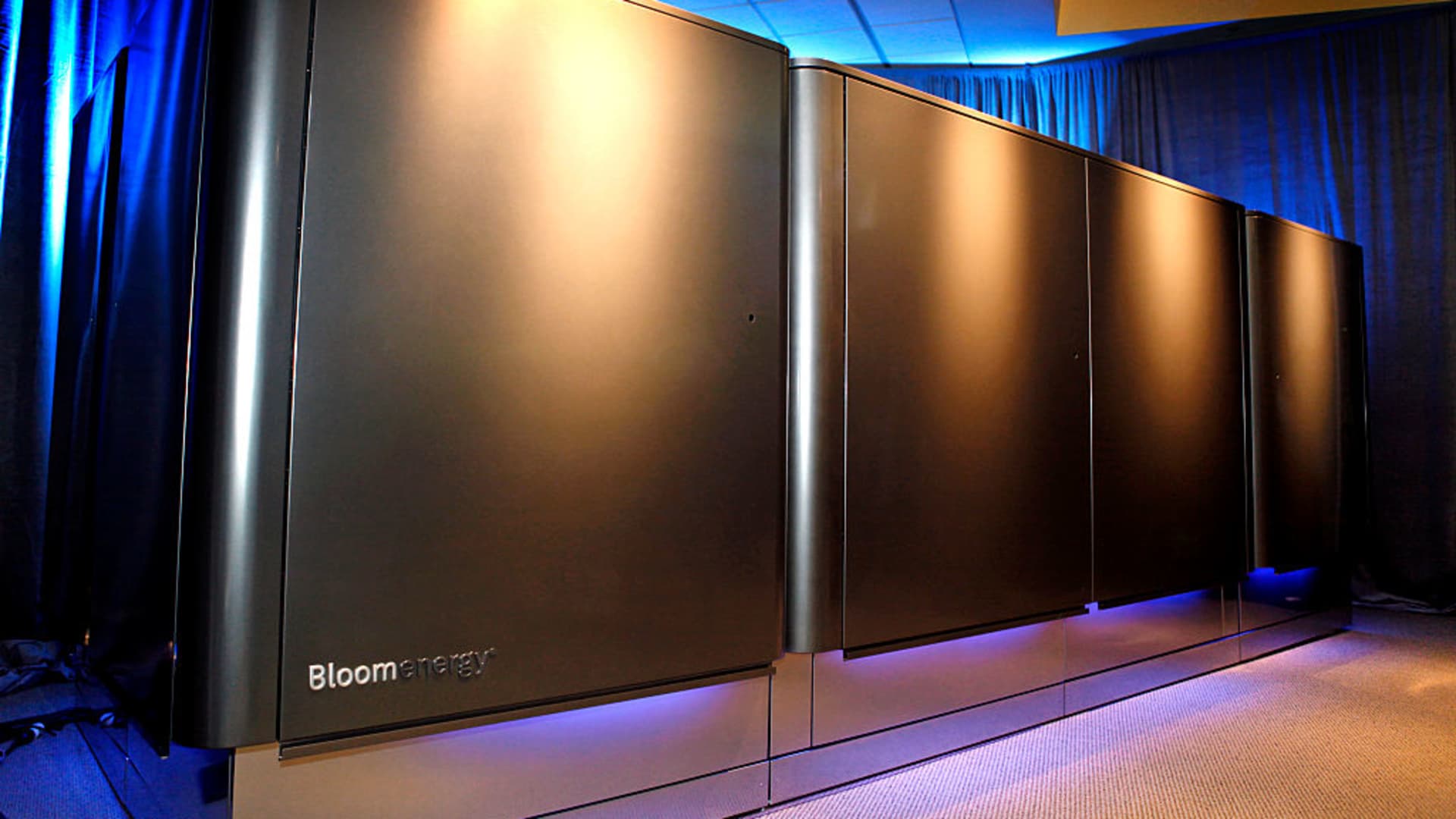
Bloom Energy Corporation is engaged in stationary fuel cell power generation by market share. The Company provides distributed energy technology solutions to customers. The Company manufactures advanced and versatile fuel cell energy platforms, supporting the commercial availability of two products: the Bloom Energy Server for generating electricity and the Bloom Electrolyzer for producing hydrogen. With approximately 1.4 gigawatts (GW) of Energy Server systems deployed in more than 1,000 locations and nine countries. Its solid oxide fuel cell technology platform is the foundation for its Energy Server system and Bloom Electrolyzer. The Bloom Energy Server system is designed to deliver reliable, resilient, clean and affordable energy for utilities and organizations alike. Its Energy Server system is designed to deliver reliable electricity. The Bloom Electrolyzer is designed to provide hydrogen solutions based on the same solid oxide platform as its Energy Server systems.
About the author

Emily J. Thompson
Emily J. Thompson, a Chartered Financial Analyst (CFA) with 12 years in investment research, graduated with honors from the Wharton School. Specializing in industrial and technology stocks, she provides in-depth analysis for Intellectia’s earnings and market brief reports.
Bloom Energy: Power Shortage Creates Growth Opportunities

- Surging Market Demand: The anticipated 19-gigawatt power shortfall in the U.S. by 2028, equivalent to the electricity needs of 60 million homes, provides robust support for Bloom Energy's growth, particularly against the backdrop of skyrocketing power demands from data centers.
- Product Sales Surge: Bloom Energy's first-quarter product revenue tripled year-over-year, primarily driven by sales of its energy servers, which not only enhances the company's revenue structure but also signifies its critical position in a rapidly expanding market.
- Rapid Deployment Capability: Bloom's energy servers can be deployed within three months, significantly shortening delivery timelines compared to the years required for traditional grid construction, thereby meeting urgent demands for quick power solutions and bolstering its competitive edge.
- Long-Term Investment Potential: Although Bloom Energy's stock currently trades at a premium valuation, it is still viewed as a potential opportunity for long-term investors, especially considering its scalable products and solutions to significant challenges faced by tech companies amid rising AI and power demand.
See More

Surge in Electricity Demand Driven by AI Investments
- Electricity Demand Surge: Electricity demand is projected to grow by 60% from 2025 to 2045, primarily driven by artificial intelligence and data centers, prompting utility companies to ramp up investments to meet this demand, thereby catalyzing industry growth.
- Investor Considerations: As regulated utilities must pass on spending through rate increases, regulatory approval becomes crucial, especially amid high inflation and rising electricity costs, which could pressure utility profitability if costs cannot be fully transferred.
- Bloom Energy Opportunity: Bloom Energy's hydrogen fuel cells have a backlog of $6 billion at the start of 2026, up 2.5 times year-over-year, indicating strong demand in the AI data center market, although its price-to-sales ratio of 29x suggests that market expectations for future success are already reflected in its stock price.
- Renewable Energy Investment: Brookfield Renewable Partners boasts a diversified portfolio of renewable assets and is expected to benefit from AI demand, offering a distribution yield of 4.5% with plans for annual growth of 5% to 9%, providing investors with a stable income stream.
See More

Nebius Group's Cloud Infrastructure Sees Explosive Growth

- Significant Stock Volatility: Nebius Group's shares surged 19.5% in June but nearly fell the same amount in the first trading week of July, indicating high volatility in the cloud infrastructure sector, prompting investors to remain patient amid future uncertainties.
- Substantial Power Capacity Increase: In its latest earnings report, Nebius raised its contracted power capacity guidance from at least 1 GW to over 4 GW, having secured 1.2 GW of power and land for an AI factory in Pennsylvania, highlighting strong momentum in its data center expansion.
- Rapid Revenue Growth: Nebius's quarterly revenue skyrocketed from $105 million a year ago to an anticipated annual revenue exceeding $3 billion by 2026, with projections suggesting a potential doubling in 2027, showcasing robust growth potential in the cloud computing infrastructure space.
- High Market Valuation: Despite strong demand, Nebius's market cap has reached approximately $55 billion, reflecting a lofty valuation based on future sales expectations, necessitating cautious evaluation of potential market volatility's impact on stock prices.
See More
AI Demand Fuels $240 Billion Utility Investment Surge
- Surging Power Demand: Utilities are projected to spend up to $240 billion by 2026 to meet AI-driven electricity demand, which will likely lead to increased power prices and impact industry profitability.
- Investor Considerations: With electricity demand growing by 10% from 2005 to 2025 and expected to rise by 60% from 2025 to 2045, utility companies must ramp up capital investments to meet this escalating demand.
- Company Options: Bloom Energy's hydrogen fuel cells have a $6 billion backlog at the start of 2026, up 2.5 times year-over-year, indicating strong potential for powering AI data centers, while Brookfield Renewable Partners attracts dividend-seeking investors with a 4.5% distribution yield.
- Market Outlook: NextEra Energy's proposed acquisition of Dominion Energy, which operates in one of the world's largest data center markets, is expected to drive annual earnings growth of about 9% post-acquisition, further solidifying its leadership in renewable energy.
See More

Nebius Group's Stock Volatility and Growth Outlook
- Stock Volatility: Nebius Group's shares surged 19.5% in June but nearly matched that decline in the first trading week of July, indicating that investors should expect future volatility, which may impact short-term investment decisions.
- Capacity Expansion: In its May earnings report, the company raised its guidance for contracted power capacity for data centers from at least 1 GW last August to over 4 GW, showcasing its strong growth potential in the AI cloud infrastructure sector.
- Revenue Growth: Nebius's annual revenue skyrocketed from $105 million in Q2 last year to a run rate of $1.25 billion by Q4, with projections to exceed $3 billion by 2026, reflecting accelerated business expansion and strong market demand.
- Market Competition: Despite robust demand, competition from firms like CoreWeave could lead to a disproportionate impact on Nebius's stock price if cloud capacity spending slows, suggesting that long-term investors should consider increasing their positions during price corrections.
See More
Bloom Energy's Stock Surge and Future Outlook

- Stock Surge: Bloom Energy's stock has skyrocketed by 1,100% over the past year and over 250% year-to-date, reflecting strong market demand and investor confidence, although current prices may not create new millionaires.
- Strategic Partnership Expansion: Bloom's AI infrastructure relationship with Brookfield Asset Management has expanded from $5 billion to $25 billion, which, while not a direct revenue commitment, creates more sales potential for Bloom's energy servers and strengthens its market position.
- Importance of Financing Framework: The Brookfield agreement is a financing framework rather than a purchase order, meaning it provides funding support for Bloom but does not guarantee direct revenue flow, necessitating efficient execution from Bloom to achieve long-term gains.
- Cautious Market Outlook: Despite strong demand for Bloom's energy servers, the transition from demand to actual revenue is complex, and given project timelines and financing structures, investors should remain cautious and avoid excessive optimism.
See More
Bloom Energy: Power Shortage Creates Growth Opportunities
- Surging Market Demand: The anticipated 19-gigawatt power shortfall in the U.S. by 2028, equivalent to the electricity needs of 60 million homes, provides robust support for Bloom Energy's growth, particularly against the backdrop of skyrocketing power demands from data centers.
- Product Sales Surge: Bloom Energy's first-quarter product revenue tripled year-over-year, primarily driven by sales of its energy servers, which not only enhances the company's revenue structure but also signifies its critical position in a rapidly expanding market.
- Rapid Deployment Capability: Bloom's energy servers can be deployed within three months, significantly shortening delivery timelines compared to the years required for traditional grid construction, thereby meeting urgent demands for quick power solutions and bolstering its competitive edge.
- Long-Term Investment Potential: Although Bloom Energy's stock currently trades at a premium valuation, it is still viewed as a potential opportunity for long-term investors, especially considering its scalable products and solutions to significant challenges faced by tech companies amid rising AI and power demand.
See More
Surge in Electricity Demand Driven by AI Investments
- Electricity Demand Surge: Electricity demand is projected to grow by 60% from 2025 to 2045, primarily driven by artificial intelligence and data centers, prompting utility companies to ramp up investments to meet this demand, thereby catalyzing industry growth.
- Investor Considerations: As regulated utilities must pass on spending through rate increases, regulatory approval becomes crucial, especially amid high inflation and rising electricity costs, which could pressure utility profitability if costs cannot be fully transferred.
- Bloom Energy Opportunity: Bloom Energy's hydrogen fuel cells have a backlog of $6 billion at the start of 2026, up 2.5 times year-over-year, indicating strong demand in the AI data center market, although its price-to-sales ratio of 29x suggests that market expectations for future success are already reflected in its stock price.
- Renewable Energy Investment: Brookfield Renewable Partners boasts a diversified portfolio of renewable assets and is expected to benefit from AI demand, offering a distribution yield of 4.5% with plans for annual growth of 5% to 9%, providing investors with a stable income stream.
See More
Nebius Group's Cloud Infrastructure Sees Explosive Growth
- Significant Stock Volatility: Nebius Group's shares surged 19.5% in June but nearly fell the same amount in the first trading week of July, indicating high volatility in the cloud infrastructure sector, prompting investors to remain patient amid future uncertainties.
- Substantial Power Capacity Increase: In its latest earnings report, Nebius raised its contracted power capacity guidance from at least 1 GW to over 4 GW, having secured 1.2 GW of power and land for an AI factory in Pennsylvania, highlighting strong momentum in its data center expansion.
- Rapid Revenue Growth: Nebius's quarterly revenue skyrocketed from $105 million a year ago to an anticipated annual revenue exceeding $3 billion by 2026, with projections suggesting a potential doubling in 2027, showcasing robust growth potential in the cloud computing infrastructure space.
- High Market Valuation: Despite strong demand, Nebius's market cap has reached approximately $55 billion, reflecting a lofty valuation based on future sales expectations, necessitating cautious evaluation of potential market volatility's impact on stock prices.
See More
AI Demand Fuels $240 Billion Utility Investment Surge
- Surging Power Demand: Utilities are projected to spend up to $240 billion by 2026 to meet AI-driven electricity demand, which will likely lead to increased power prices and impact industry profitability.
- Investor Considerations: With electricity demand growing by 10% from 2005 to 2025 and expected to rise by 60% from 2025 to 2045, utility companies must ramp up capital investments to meet this escalating demand.
- Company Options: Bloom Energy's hydrogen fuel cells have a $6 billion backlog at the start of 2026, up 2.5 times year-over-year, indicating strong potential for powering AI data centers, while Brookfield Renewable Partners attracts dividend-seeking investors with a 4.5% distribution yield.
- Market Outlook: NextEra Energy's proposed acquisition of Dominion Energy, which operates in one of the world's largest data center markets, is expected to drive annual earnings growth of about 9% post-acquisition, further solidifying its leadership in renewable energy.
See More
Nebius Group's Stock Volatility and Growth Outlook
- Stock Volatility: Nebius Group's shares surged 19.5% in June but nearly matched that decline in the first trading week of July, indicating that investors should expect future volatility, which may impact short-term investment decisions.
- Capacity Expansion: In its May earnings report, the company raised its guidance for contracted power capacity for data centers from at least 1 GW last August to over 4 GW, showcasing its strong growth potential in the AI cloud infrastructure sector.
- Revenue Growth: Nebius's annual revenue skyrocketed from $105 million in Q2 last year to a run rate of $1.25 billion by Q4, with projections to exceed $3 billion by 2026, reflecting accelerated business expansion and strong market demand.
- Market Competition: Despite robust demand, competition from firms like CoreWeave could lead to a disproportionate impact on Nebius's stock price if cloud capacity spending slows, suggesting that long-term investors should consider increasing their positions during price corrections.
See More
Bloom Energy's Stock Surge and Future Outlook
- Stock Surge: Bloom Energy's stock has skyrocketed by 1,100% over the past year and over 250% year-to-date, reflecting strong market demand and investor confidence, although current prices may not create new millionaires.
- Strategic Partnership Expansion: Bloom's AI infrastructure relationship with Brookfield Asset Management has expanded from $5 billion to $25 billion, which, while not a direct revenue commitment, creates more sales potential for Bloom's energy servers and strengthens its market position.
- Importance of Financing Framework: The Brookfield agreement is a financing framework rather than a purchase order, meaning it provides funding support for Bloom but does not guarantee direct revenue flow, necessitating efficient execution from Bloom to achieve long-term gains.
- Cautious Market Outlook: Despite strong demand for Bloom's energy servers, the transition from demand to actual revenue is complex, and given project timelines and financing structures, investors should remain cautious and avoid excessive optimism.
See More





