Stellantis Unveils 2026 Ram 1500 Pickup with HEMI V8 Engine
Written by Emily J. Thompson, Senior Investment Analyst
Updated: Feb 28 2026
0mins
Source: Yahoo Finance
- V8 Engine Comeback: Stellantis has reintroduced the HEMI V8 engine in the 2026 Ram 1500 pickup, addressing the strong demand from 60% of owners who previously left, which is expected to drive significant pre-orders and enhance market competitiveness.
- Enhanced Driving Experience: Test drivers report that the new pickup excels in power and handling, particularly with its full-time four-wheel drive system providing stability in snowy conditions, thereby boosting consumer confidence in the vehicle's performance.
- Interior Comfort: Known for its high-quality interiors, the Ram 1500 has optimized comfort and convenience in the new model, offering an improved driving experience that may attract consumers comparing it to the F-150 and Silverado.
- Market Competitive Edge: With the return of the V8 engine, the Ram 1500 is positioned to be more appealing against the F-150 and Silverado, likely increasing sales and enhancing brand loyalty, thereby solidifying its market position.
Trade with 70% Backtested Accuracy
Stop guessing "Should I Buy STLA?" and start using high-conviction signals backed by rigorous historical data.
Sign up today to access powerful investing tools and make smarter, data-driven decisions.
Analyst Views on STLA
Wall Street analysts forecast STLA stock price to rise
14 Analyst Rating
7 Buy
7 Hold
0 Sell
Moderate Buy
Current: 5.800

Low
9.33
Averages
11.81
High
15.15
Current: 5.800
Low
9.33
Averages
11.81
High
15.15
About STLA
Stellantis N.V., formerly Fiat Chrysler Automobiles N.V., is a holding Company based in the Netherlands and operates as an automaker and a mobility provider. The Company is engaged in designing, engineering, manufacturing, distributing and selling vehicles, components and production systems. The Company has industrial operations in more than 30 countries and sells its vehicles directly or through distributors and dealers in more than 130 countries. The Company designs, manufactures, distributes and sells vehicles for the mass-market under the Abarth, Alfa Romeo, Chrysler, Dodge, Fiat, Fiat Professional, Jeep, Lancia and Ram brands. In addition, the Company designs, manufactures, distributes and sells luxury vehicles under the Maserati brand. The Company's brand portfolio also includes Peugeot, Citroen, DS Automobiles, Opel and Vauxhall. It offers a wide variety of vehicle choices from luxury and mainstream passenger vehicles to pickup trucks, sport utility vehicle (SUVs).
About the author

Emily J. Thompson
Emily J. Thompson, a Chartered Financial Analyst (CFA) with 12 years in investment research, graduated with honors from the Wharton School. Specializing in industrial and technology stocks, she provides in-depth analysis for Intellectia’s earnings and market brief reports.

Fiat Topolino Launches in the U.S. Market

- Market Expansion Strategy: The launch of the Fiat Topolino marks a strategic advancement for the brand in the U.S. market, aiming to enter the fast-growing micromobility sector and meet modern community demands for simplicity and joyful mobility.
- Product Positioning and Design: As a low-speed electric vehicle, the Topolino embodies Italian design while redefining urban mobility through lightweight and electric drive, priced at $13,995, appealing to consumers seeking practical mobility solutions.
- Personalization Services: Fiat's partnership with Motori & Customs offers U.S. customers exclusive Topolino editions, allowing for tailored designs that enhance brand appeal and customer loyalty through personalized style options.
- Sustainability Commitment: The introduction of the Topolino aligns with Stellantis' FaSTLAne 2030 strategy, emphasizing Fiat's central role in delivering affordable, design-driven mobility solutions, contributing to global electric mobility innovation and development.
See More

Trump's Bold Statements at NATO Summit
- NATO Spending Commitment: At the NATO Summit in Ankara, European leaders showcased multi-billion dollar defense spending plans aimed at demonstrating to the U.S. that their 5% GDP spending commitment is being enacted, thereby strengthening ties with the U.S.
- Trump's Threats: Trump threatened at the summit that “we could remove all our soldiers out of Europe,” escalating concerns among European leaders about U.S. policy, which could impact NATO's unity.
- Ukraine Situation: Ukraine topped the NATO agenda, with Finland's President stating that Ukraine has been winning by preserving its sovereignty, while Sweden's Prime Minister emphasized that time is not on Russia's side, indicating urgency in the situation.
- EV Launch: Stellantis announced the launch of the small electric quadricycle Fiat Topolino in the U.S. at a starting price of $13,995, with a range of 46 miles, marking the company's further expansion into the electric vehicle market.
See More
Ford's F-Series Sales Decline Significantly Impacts Business


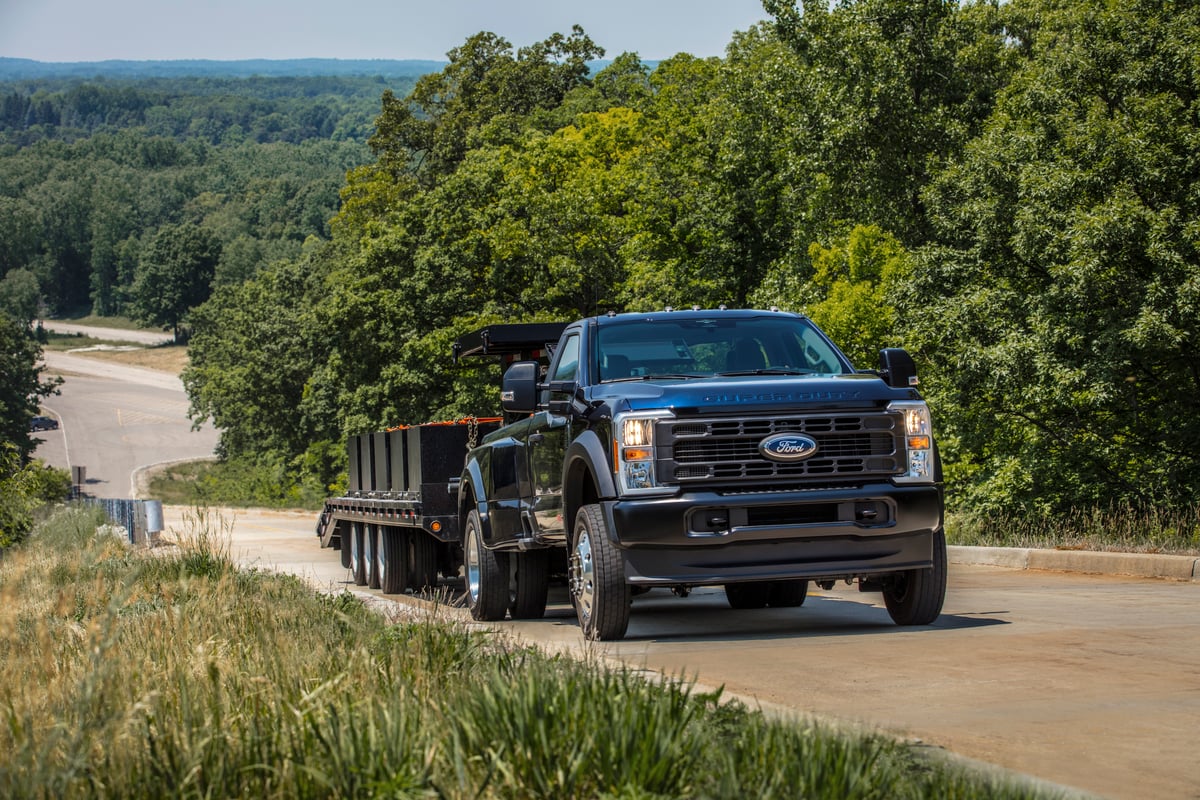
- Importance of F-Series: Ford's F-Series trucks are estimated to account for one-third of the company's total revenue, with Wall Street estimating that as much as 90% of Ford's net profit comes from this lineup, highlighting its critical impact on Ford's financial health.
- Intensified Sales Competition: In the first half of 2026, Ford's F-150 fell short of Honda's CR-V, which achieved a 19% and 30% sales increase in May and June respectively, totaling 226,114 units, indicating the fierce competition in the market.
- Production Challenges: Two supplier fires last fall severely impacted Ford's aluminum supply, leading to reduced production capacity for the F-150, with expected EBIT losses of $1.5 billion to $2 billion in 2026, forcing management to adjust earnings guidance.
- Response Strategy: Ford plans to offset about $1 billion of the losses by adding production shifts, but despite these challenges, the company must focus on whether it can recover production in the second half of the year to maintain investor confidence and market share.
See More

Ford F-150 Sales Hit by Supply Issues Amid Rising Competition
- Supply Chain Crisis: Ford's F-150 production has been severely impacted by two supplier fires leading to aluminum shortages, with first-half 2026 sales expected to fall short of 210,000 units, significantly lagging behind Honda's CR-V at 226,114 units, highlighting Ford's vulnerability during a traditionally strong selling season.
- Intensifying Market Competition: Honda's CR-V achieved sales increases of 19% and 30% in the first half of 2026, successfully overtaking the Ford F-150, reflecting the pressure on Ford's market share, especially when its core product line is underperforming.
- Significant Financial Impact: Ford anticipates a loss of $1.5 billion to $2 billion in earnings before interest and taxes (EBIT) due to production issues, although it plans to offset about $1 billion of that loss by adding shifts, yet the overall financial outlook remains bleak.
- Long-term Strategic Challenges: The F-150's decline in sales, a model that has rarely lost its leading position over the past 15 years, not only undermines investor confidence but also poses serious challenges to Ford's future market strategy and product planning.
See More

Fiat Launches All-Electric Topolino in the U.S.
- Market Entry: Fiat's launch of the all-electric Topolino in the U.S. marks its entry into the micromobility segment, with a starting price of $13,995, likely appealing to consumers seeking eco-friendly transportation options.
- Battery and Range: The Topolino features a 5.4-kWh lithium-ion battery that provides a range of up to 46 miles on a full charge, addressing urban and community short-distance travel needs and enhancing urban transport sustainability.
- Speed and Regulations: With a top speed of 19 mph, the vehicle can be upgraded to 25 mph through a Low Speed Vehicle conversion kit expected by summer 2026, allowing legal operation on eligible roads and expanding its usability.
- Customization and Partnership: Fiat's collaboration with Motori & Customs offers curated editions and bespoke customization options, further enhancing the consumer purchasing experience and meeting market demand for personalized electric vehicles.
See More
Stellantis Launches Fiat Topolino Electric Vehicle in the U.S.
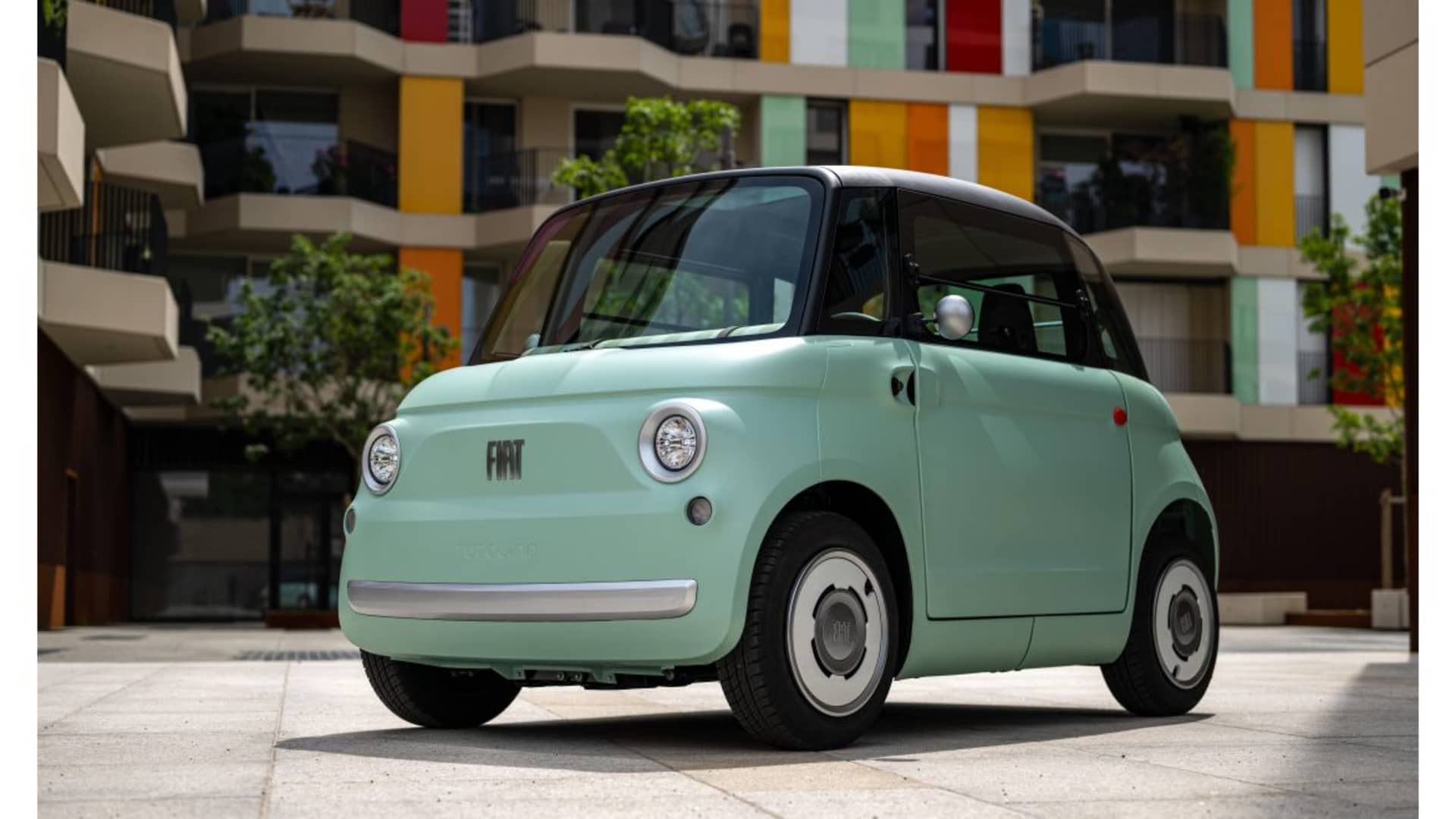
- Pricing and Market Positioning: Stellantis has announced that the Fiat Topolino electric vehicle will start at $13,995 in the U.S., and while it resembles the Fiat 500, it functions as a quadricycle aimed at urban mobility needs.
- Performance and Usability: The Topolino has a top speed of 19 mph and an electric range of up to 46 miles, with a low-speed vehicle conversion kit available to boost the speed to 25 mph, making it street legal on roads with speed limits of 35 mph or less.
- Market Supply and Model Options: The vehicle will be available in limited quantities this year, offered as either a hardtop model or the Dolce Vita soft-top convertible, which features a rope instead of doors, showcasing a unique lifestyle and mobility concept.
- Brand Strategy and Market Challenges: Fiat brand CEO Olivier François stated that the Topolino represents a new chapter for the brand in the U.S., emphasizing that despite the historical poor sales of small cars in the U.S., the company aims to reignite consumer interest with this new model.
See More
Fiat Topolino Launches in the U.S. Market
- Market Expansion Strategy: The launch of the Fiat Topolino marks a strategic advancement for the brand in the U.S. market, aiming to enter the fast-growing micromobility sector and meet modern community demands for simplicity and joyful mobility.
- Product Positioning and Design: As a low-speed electric vehicle, the Topolino embodies Italian design while redefining urban mobility through lightweight and electric drive, priced at $13,995, appealing to consumers seeking practical mobility solutions.
- Personalization Services: Fiat's partnership with Motori & Customs offers U.S. customers exclusive Topolino editions, allowing for tailored designs that enhance brand appeal and customer loyalty through personalized style options.
- Sustainability Commitment: The introduction of the Topolino aligns with Stellantis' FaSTLAne 2030 strategy, emphasizing Fiat's central role in delivering affordable, design-driven mobility solutions, contributing to global electric mobility innovation and development.
See More
Trump's Bold Statements at NATO Summit
- NATO Spending Commitment: At the NATO Summit in Ankara, European leaders showcased multi-billion dollar defense spending plans aimed at demonstrating to the U.S. that their 5% GDP spending commitment is being enacted, thereby strengthening ties with the U.S.
- Trump's Threats: Trump threatened at the summit that “we could remove all our soldiers out of Europe,” escalating concerns among European leaders about U.S. policy, which could impact NATO's unity.
- Ukraine Situation: Ukraine topped the NATO agenda, with Finland's President stating that Ukraine has been winning by preserving its sovereignty, while Sweden's Prime Minister emphasized that time is not on Russia's side, indicating urgency in the situation.
- EV Launch: Stellantis announced the launch of the small electric quadricycle Fiat Topolino in the U.S. at a starting price of $13,995, with a range of 46 miles, marking the company's further expansion into the electric vehicle market.
See More
Ford's F-Series Sales Decline Significantly Impacts Business
- Importance of F-Series: Ford's F-Series trucks are estimated to account for one-third of the company's total revenue, with Wall Street estimating that as much as 90% of Ford's net profit comes from this lineup, highlighting its critical impact on Ford's financial health.
- Intensified Sales Competition: In the first half of 2026, Ford's F-150 fell short of Honda's CR-V, which achieved a 19% and 30% sales increase in May and June respectively, totaling 226,114 units, indicating the fierce competition in the market.
- Production Challenges: Two supplier fires last fall severely impacted Ford's aluminum supply, leading to reduced production capacity for the F-150, with expected EBIT losses of $1.5 billion to $2 billion in 2026, forcing management to adjust earnings guidance.
- Response Strategy: Ford plans to offset about $1 billion of the losses by adding production shifts, but despite these challenges, the company must focus on whether it can recover production in the second half of the year to maintain investor confidence and market share.
See More
Ford F-150 Sales Hit by Supply Issues Amid Rising Competition
- Supply Chain Crisis: Ford's F-150 production has been severely impacted by two supplier fires leading to aluminum shortages, with first-half 2026 sales expected to fall short of 210,000 units, significantly lagging behind Honda's CR-V at 226,114 units, highlighting Ford's vulnerability during a traditionally strong selling season.
- Intensifying Market Competition: Honda's CR-V achieved sales increases of 19% and 30% in the first half of 2026, successfully overtaking the Ford F-150, reflecting the pressure on Ford's market share, especially when its core product line is underperforming.
- Significant Financial Impact: Ford anticipates a loss of $1.5 billion to $2 billion in earnings before interest and taxes (EBIT) due to production issues, although it plans to offset about $1 billion of that loss by adding shifts, yet the overall financial outlook remains bleak.
- Long-term Strategic Challenges: The F-150's decline in sales, a model that has rarely lost its leading position over the past 15 years, not only undermines investor confidence but also poses serious challenges to Ford's future market strategy and product planning.
See More
Fiat Launches All-Electric Topolino in the U.S.
- Market Entry: Fiat's launch of the all-electric Topolino in the U.S. marks its entry into the micromobility segment, with a starting price of $13,995, likely appealing to consumers seeking eco-friendly transportation options.
- Battery and Range: The Topolino features a 5.4-kWh lithium-ion battery that provides a range of up to 46 miles on a full charge, addressing urban and community short-distance travel needs and enhancing urban transport sustainability.
- Speed and Regulations: With a top speed of 19 mph, the vehicle can be upgraded to 25 mph through a Low Speed Vehicle conversion kit expected by summer 2026, allowing legal operation on eligible roads and expanding its usability.
- Customization and Partnership: Fiat's collaboration with Motori & Customs offers curated editions and bespoke customization options, further enhancing the consumer purchasing experience and meeting market demand for personalized electric vehicles.
See More
Stellantis Launches Fiat Topolino Electric Vehicle in the U.S.
- Pricing and Market Positioning: Stellantis has announced that the Fiat Topolino electric vehicle will start at $13,995 in the U.S., and while it resembles the Fiat 500, it functions as a quadricycle aimed at urban mobility needs.
- Performance and Usability: The Topolino has a top speed of 19 mph and an electric range of up to 46 miles, with a low-speed vehicle conversion kit available to boost the speed to 25 mph, making it street legal on roads with speed limits of 35 mph or less.
- Market Supply and Model Options: The vehicle will be available in limited quantities this year, offered as either a hardtop model or the Dolce Vita soft-top convertible, which features a rope instead of doors, showcasing a unique lifestyle and mobility concept.
- Brand Strategy and Market Challenges: Fiat brand CEO Olivier François stated that the Topolino represents a new chapter for the brand in the U.S., emphasizing that despite the historical poor sales of small cars in the U.S., the company aims to reignite consumer interest with this new model.
See More