Stellantis Aims for 35% North American Sales Growth by 2030
Written by Emily J. Thompson, Senior Investment Analyst
Updated: May 21 2026
0mins
Source: CNBC
- Sales Growth Target: Stellantis aims to increase North American sales by 35% by 2030, with ambitious targets of 60% growth for both the Chrysler and Ram Truck brands, despite overall industry volume expected to remain flat at 20 million vehicles.
- New Model Launches: The company plans a €60 billion ($69.7 billion) turnaround strategy over the next five years, intending to increase the number of models by 50% and introduce nine affordable vehicles priced under $40,000 to meet market demand.
- SRT Model Strategy: Stellantis is set to launch eight new SRT performance models, with expected sales rising from 3,000 last year to around 50,000, aiming to attract a younger and more affluent customer base, thereby enhancing brand image and market share.
- Profit Enhancement Expectations: SRT vehicles generate profits three times higher than regular models, and with the introduction of new models and sales growth, revenue in North America is projected to increase by 25% by 2030, with adjusted operating margins expected to reach between 8% and 10%.
Trade with 70% Backtested Accuracy
Stop guessing "Should I Buy STLA?" and start using high-conviction signals backed by rigorous historical data.
Sign up today to access powerful investing tools and make smarter, data-driven decisions.
Analyst Views on STLA
Wall Street analysts forecast STLA stock price to rise
14 Analyst Rating
7 Buy
7 Hold
0 Sell
Moderate Buy
Current: 5.960

Low
9.33
Averages
11.81
High
15.15
Current: 5.960
Low
9.33
Averages
11.81
High
15.15
About STLA
Stellantis N.V., formerly Fiat Chrysler Automobiles N.V., is a holding Company based in the Netherlands and operates as an automaker and a mobility provider. The Company is engaged in designing, engineering, manufacturing, distributing and selling vehicles, components and production systems. The Company has industrial operations in more than 30 countries and sells its vehicles directly or through distributors and dealers in more than 130 countries. The Company designs, manufactures, distributes and sells vehicles for the mass-market under the Abarth, Alfa Romeo, Chrysler, Dodge, Fiat, Fiat Professional, Jeep, Lancia and Ram brands. In addition, the Company designs, manufactures, distributes and sells luxury vehicles under the Maserati brand. The Company's brand portfolio also includes Peugeot, Citroen, DS Automobiles, Opel and Vauxhall. It offers a wide variety of vehicle choices from luxury and mainstream passenger vehicles to pickup trucks, sport utility vehicle (SUVs).
About the author

Emily J. Thompson
Emily J. Thompson, a Chartered Financial Analyst (CFA) with 12 years in investment research, graduated with honors from the Wharton School. Specializing in industrial and technology stocks, she provides in-depth analysis for Intellectia’s earnings and market brief reports.

Leapmotor Opens Battery Assembly Workshop in Spain

- Workshop Opening: Leapmotor International has opened a battery assembly workshop in Mallen, northeastern Spain, signaling its upcoming vehicle production in the country later this year, thereby expanding its international market presence.
- Annual Production Capacity: The new facility is expected to produce approximately 65,000 lithium iron phosphate battery modules annually, with the capacity to scale up to around 100,000 units, addressing the growing demand for electric vehicles.
- Diverse Production Capabilities: The workshop will assemble batteries using various chemistries and will employ both Spanish and Chinese workers, with some Spanish employees having recently completed training at a battery plant in China, fostering technical exchange and collaboration.
- Future Production Plans: Leapmotor plans to start production of its B10 electric SUV in Spain's Aragon region by late 2026, further enhancing its footprint in the European market, while the neighboring CATL factory is expected to begin battery cell production by the end of the year.
See More
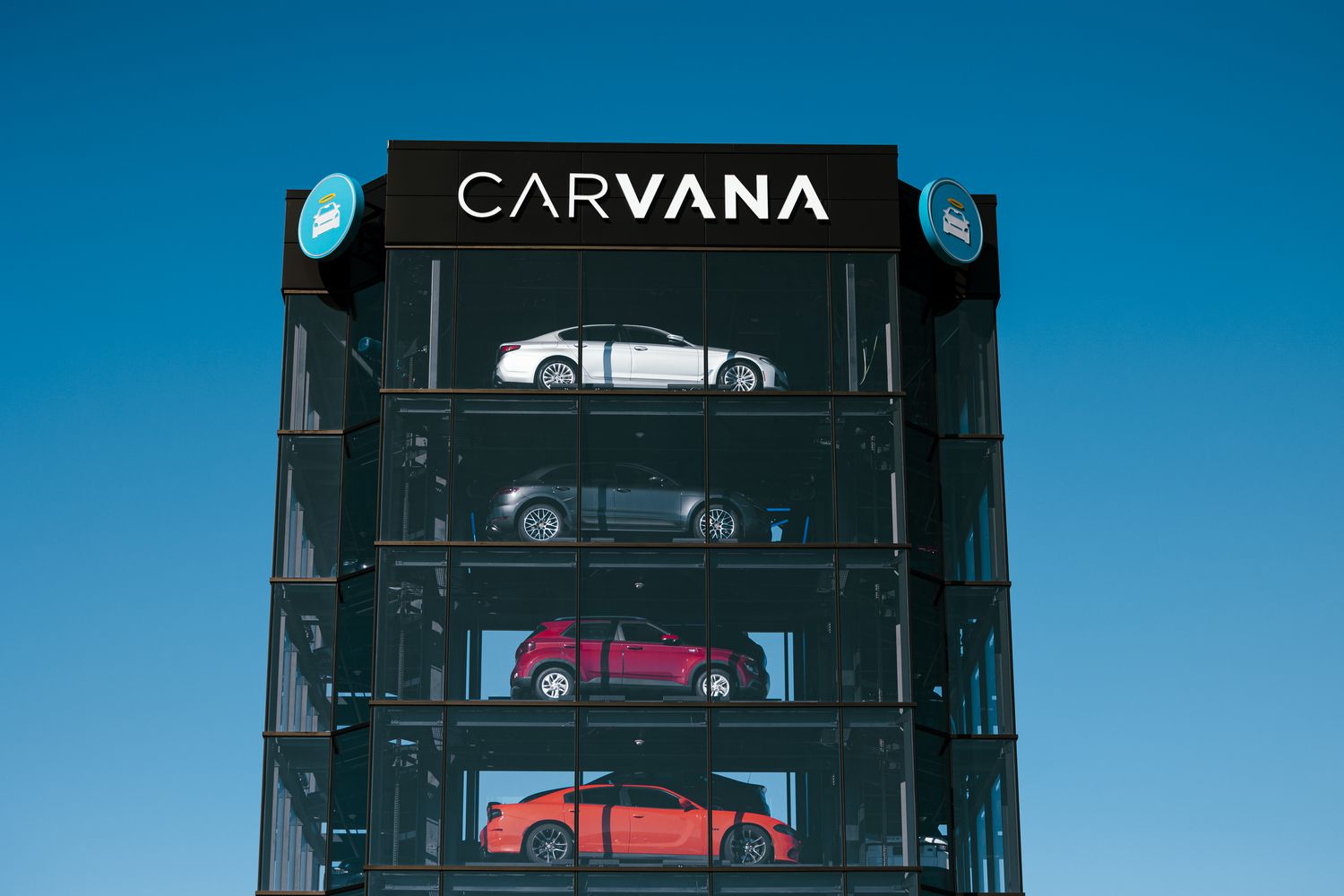
Carvana's Strategic Dealership Acquisitions Yield Success


- Strategic Dealership Acquisitions: Carvana's acquisition of brick-and-mortar dealerships has led to a remarkable increase in sales, with its Arizona Stellantis franchise selling over 700 new vehicles last month, far exceeding the previous average of 30 to 50, showcasing its potential in new car sales and market impact.
- Diversified Revenue Streams: By entering the new car sales and parts and service sectors, Carvana not only enhances its competitive edge in automotive retail but also introduces higher-margin revenue opportunities, further solidifying its market position.
- Inventory Acquisition Advantage: The dealership acquisitions allow Carvana to acquire vehicle inventory at lower costs through trade-ins and exclusive auctions, thereby improving its economic moat and strengthening its competitive stance against traditional dealerships.
- Mitigating Market Volatility: Carvana's diversification strategy enables it to maintain stable revenue through parts and service even when new and used car markets fluctuate, effectively reducing overall business risk.
See More

Carvana's Strategic Acquisition of Dealerships: A Game Changer
- Strategic Dealership Acquisition: Carvana's move to acquire brick-and-mortar dealerships is set to open new revenue streams, particularly through new car sales and services, which are expected to significantly enhance the company's profit margins and market competitiveness.
- Sales Performance Surge: At its first new car dealership in Casa Grande, Arizona, Carvana sold over 700 new vehicles last month, dwarfing the previous average of 30 to 50 monthly sales, making it the nation's best-selling store and showcasing the success of its new strategy.
- Diversified Business Model: By acquiring dealerships, Carvana gains access to the new car market and can acquire more inventory through trade-ins and exclusive auctions, thereby strengthening its economic moat and enhancing overall business resilience.
- High Profit Potential: The parts and service (P&S) segment, while accounting for only 19% of AutoNation's first-quarter revenue, generated nearly half of the company's gross profit, indicating that Carvana's strategy will allow it to capture a larger share of this high-margin area, further driving company growth.
See More
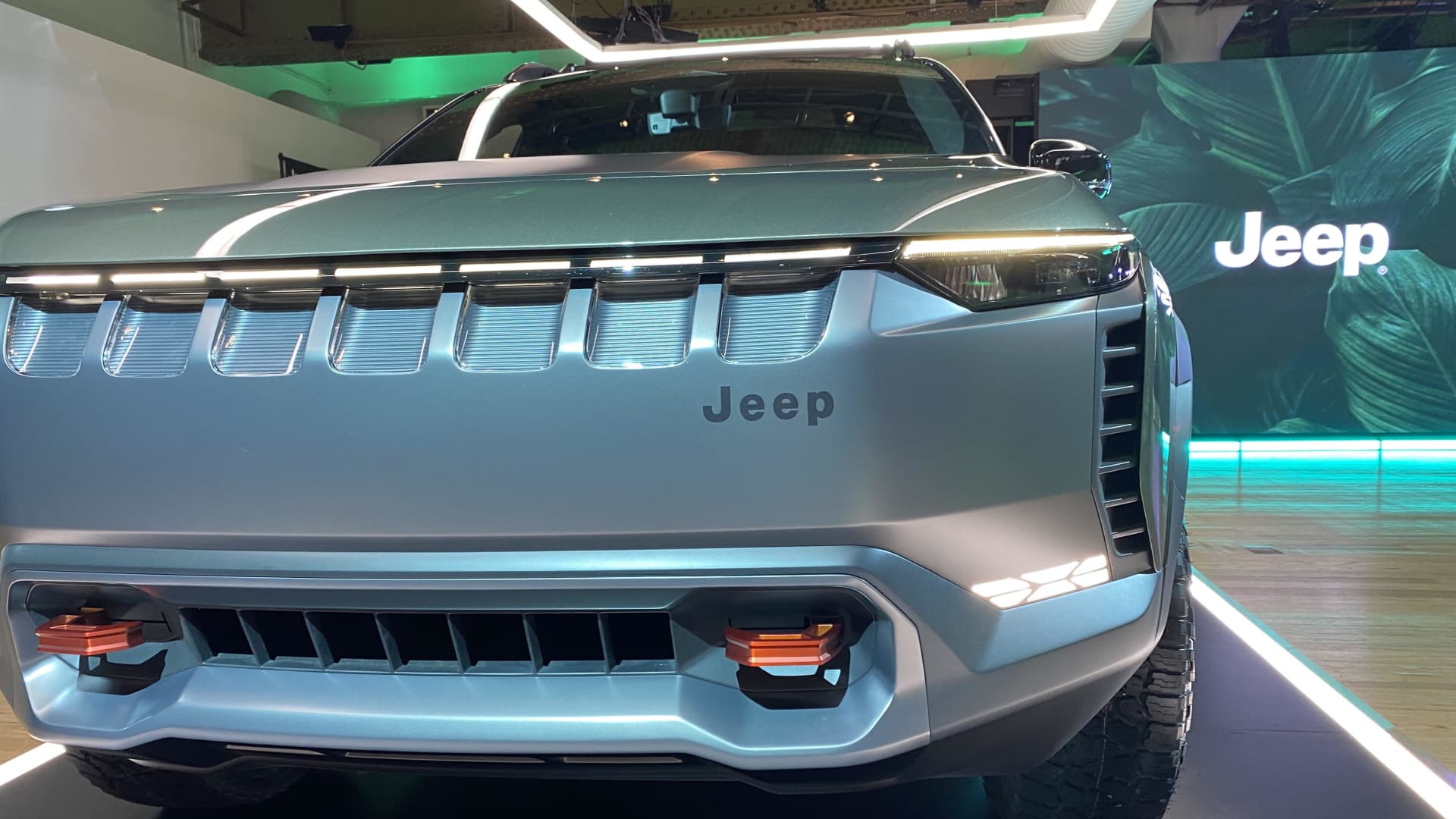
Stellantis Plans Major Expansion for Ram Brand

- Ram Brand Growth Target: Stellantis aims to achieve sales of 825,000 units for the Ram brand in the U.S. by 2030, representing a 60% increase from last year, which will be driven by an expanded product lineup targeting different customer segments to enhance market share.
- New Model Launches: The company plans to introduce nine new vehicles priced under $40,000, including two under $30,000, addressing affordability issues in the U.S. market and expected to significantly boost sales volume.
- Efficiency Improvement: With the rollout of new models, Stellantis anticipates U.S. production capacity utilization reaching 80% by 2030, which will enhance production efficiency and reduce overhead costs across its products, thereby improving overall profitability.
- Enhanced Market Competitiveness: By focusing investments on core brands like Jeep and Ram, Stellantis aims to increase its North American sales volume by 35% and revenue by 25% over the next few years, while restoring profit margins to between 8% and 10%, thereby strengthening its competitive position in the market.
See More
Stellantis Turnaround Plan: Focus on Ram and Affordability
- Ram Brand Growth: Stellantis aims to sell 825,000 Ram vehicles in the U.S. by 2030, representing a 60% increase from last year, by expanding its product lineup into new segments to reverse the brand's 12-year low in U.S. sales.
- Profit Enhancement Potential: The full-size truck market accounts for 16% of U.S. auto sales but generates about 40% of profits, with the revival of Ram and Jeep expected to boost Stellantis' margins and average transaction prices, crucial for rebuilding profitability.
- Affordability Strategy: Stellantis plans to launch nine new vehicles priced under $40,000 by 2030, including two under $30,000, which is expected to drive a 35% increase in U.S. sales volume and raise production capacity utilization to 80%.
- Enhanced Market Competitiveness: By focusing on core brands and introducing new products, Stellantis is positioned to improve sales, margins, and production efficiency over the next few years, although it still needs to address quality issues and supplier relationships.
See More

Toyota's U.S. Sales Expected to Rise Nearly 1%
- Toyota Sales Growth: According to a forecast by Cox Automotive, Toyota is expected to see a nearly 1% increase in U.S. sales in the first half of 2023, reaching 1.25 million vehicles, reflecting its successful strategy in hybrid vehicles.
- GM Sales Decline: In stark contrast, General Motors is projected to experience a 7.2% decline in sales, dropping to 1.33 million vehicles, which could impact its market leadership position.
- Intensifying Market Competition: The expected sales gap between Toyota and GM is projected to narrow to 83,255 vehicles, marking the smallest difference since Toyota first surpassed GM in 2021, indicating Toyota's increasing competitiveness in the market.
- Electric Vehicle Market Challenges: Despite Toyota's ongoing efforts to launch new models, overall U.S. new vehicle sales are expected to decline by 3%, with EV sales projected to drop by 23.3%, highlighting lower-than-expected consumer adoption of electric vehicles.
See More
Leapmotor Opens Battery Assembly Workshop in Spain
- Workshop Opening: Leapmotor International has opened a battery assembly workshop in Mallen, northeastern Spain, signaling its upcoming vehicle production in the country later this year, thereby expanding its international market presence.
- Annual Production Capacity: The new facility is expected to produce approximately 65,000 lithium iron phosphate battery modules annually, with the capacity to scale up to around 100,000 units, addressing the growing demand for electric vehicles.
- Diverse Production Capabilities: The workshop will assemble batteries using various chemistries and will employ both Spanish and Chinese workers, with some Spanish employees having recently completed training at a battery plant in China, fostering technical exchange and collaboration.
- Future Production Plans: Leapmotor plans to start production of its B10 electric SUV in Spain's Aragon region by late 2026, further enhancing its footprint in the European market, while the neighboring CATL factory is expected to begin battery cell production by the end of the year.
See More
Carvana's Strategic Dealership Acquisitions Yield Success
- Strategic Dealership Acquisitions: Carvana's acquisition of brick-and-mortar dealerships has led to a remarkable increase in sales, with its Arizona Stellantis franchise selling over 700 new vehicles last month, far exceeding the previous average of 30 to 50, showcasing its potential in new car sales and market impact.
- Diversified Revenue Streams: By entering the new car sales and parts and service sectors, Carvana not only enhances its competitive edge in automotive retail but also introduces higher-margin revenue opportunities, further solidifying its market position.
- Inventory Acquisition Advantage: The dealership acquisitions allow Carvana to acquire vehicle inventory at lower costs through trade-ins and exclusive auctions, thereby improving its economic moat and strengthening its competitive stance against traditional dealerships.
- Mitigating Market Volatility: Carvana's diversification strategy enables it to maintain stable revenue through parts and service even when new and used car markets fluctuate, effectively reducing overall business risk.
See More
Carvana's Strategic Acquisition of Dealerships: A Game Changer
- Strategic Dealership Acquisition: Carvana's move to acquire brick-and-mortar dealerships is set to open new revenue streams, particularly through new car sales and services, which are expected to significantly enhance the company's profit margins and market competitiveness.
- Sales Performance Surge: At its first new car dealership in Casa Grande, Arizona, Carvana sold over 700 new vehicles last month, dwarfing the previous average of 30 to 50 monthly sales, making it the nation's best-selling store and showcasing the success of its new strategy.
- Diversified Business Model: By acquiring dealerships, Carvana gains access to the new car market and can acquire more inventory through trade-ins and exclusive auctions, thereby strengthening its economic moat and enhancing overall business resilience.
- High Profit Potential: The parts and service (P&S) segment, while accounting for only 19% of AutoNation's first-quarter revenue, generated nearly half of the company's gross profit, indicating that Carvana's strategy will allow it to capture a larger share of this high-margin area, further driving company growth.
See More
Stellantis Plans Major Expansion for Ram Brand
- Ram Brand Growth Target: Stellantis aims to achieve sales of 825,000 units for the Ram brand in the U.S. by 2030, representing a 60% increase from last year, which will be driven by an expanded product lineup targeting different customer segments to enhance market share.
- New Model Launches: The company plans to introduce nine new vehicles priced under $40,000, including two under $30,000, addressing affordability issues in the U.S. market and expected to significantly boost sales volume.
- Efficiency Improvement: With the rollout of new models, Stellantis anticipates U.S. production capacity utilization reaching 80% by 2030, which will enhance production efficiency and reduce overhead costs across its products, thereby improving overall profitability.
- Enhanced Market Competitiveness: By focusing investments on core brands like Jeep and Ram, Stellantis aims to increase its North American sales volume by 35% and revenue by 25% over the next few years, while restoring profit margins to between 8% and 10%, thereby strengthening its competitive position in the market.
See More
Stellantis Turnaround Plan: Focus on Ram and Affordability
- Ram Brand Growth: Stellantis aims to sell 825,000 Ram vehicles in the U.S. by 2030, representing a 60% increase from last year, by expanding its product lineup into new segments to reverse the brand's 12-year low in U.S. sales.
- Profit Enhancement Potential: The full-size truck market accounts for 16% of U.S. auto sales but generates about 40% of profits, with the revival of Ram and Jeep expected to boost Stellantis' margins and average transaction prices, crucial for rebuilding profitability.
- Affordability Strategy: Stellantis plans to launch nine new vehicles priced under $40,000 by 2030, including two under $30,000, which is expected to drive a 35% increase in U.S. sales volume and raise production capacity utilization to 80%.
- Enhanced Market Competitiveness: By focusing on core brands and introducing new products, Stellantis is positioned to improve sales, margins, and production efficiency over the next few years, although it still needs to address quality issues and supplier relationships.
See More
Toyota's U.S. Sales Expected to Rise Nearly 1%
- Toyota Sales Growth: According to a forecast by Cox Automotive, Toyota is expected to see a nearly 1% increase in U.S. sales in the first half of 2023, reaching 1.25 million vehicles, reflecting its successful strategy in hybrid vehicles.
- GM Sales Decline: In stark contrast, General Motors is projected to experience a 7.2% decline in sales, dropping to 1.33 million vehicles, which could impact its market leadership position.
- Intensifying Market Competition: The expected sales gap between Toyota and GM is projected to narrow to 83,255 vehicles, marking the smallest difference since Toyota first surpassed GM in 2021, indicating Toyota's increasing competitiveness in the market.
- Electric Vehicle Market Challenges: Despite Toyota's ongoing efforts to launch new models, overall U.S. new vehicle sales are expected to decline by 3%, with EV sales projected to drop by 23.3%, highlighting lower-than-expected consumer adoption of electric vehicles.
See More