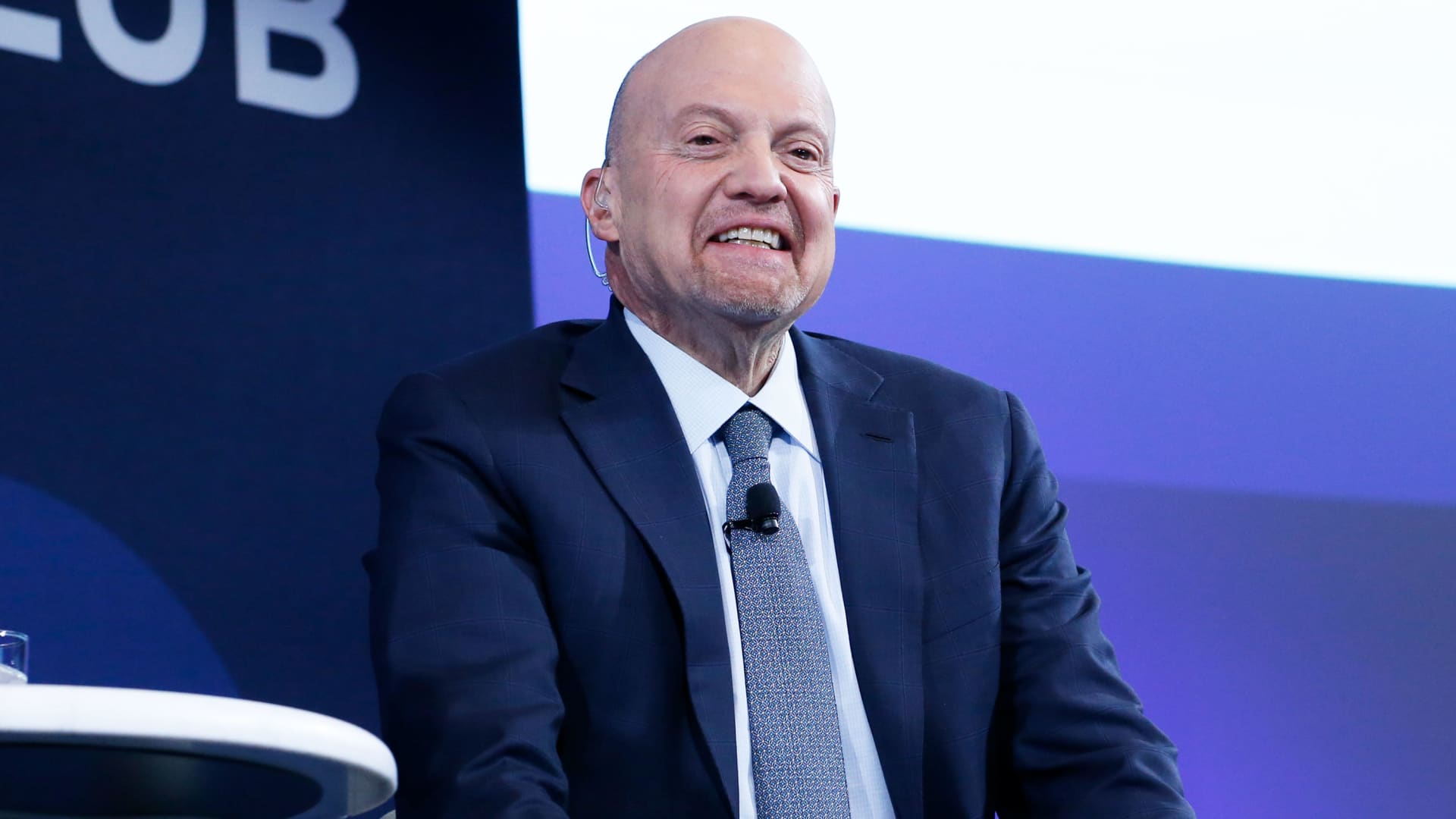
SpaceX's Trading Debut Marks Record IPO Performance
Written by Emily J. Thompson, Senior Investment Analyst
Updated: 1 hour ago
0mins
Source: seekingalpha
- IPO Performance: SpaceX raised a record $75 billion in its IPO, marking the largest ever, although analysts have mixed views, rating it as a 'Hold' overall due to concerns about future performance.
- Market Reaction: Despite a nearly 20% surge on its debut, analysts caution that the current valuation is driven more by market sentiment than intrinsic value, indicating potential downside risks ahead.
- Future Outlook: The Starship project is seen as a key catalyst that could reduce launch costs to around $300/kg, unlocking a $28.5 trillion market opportunity, yet current profitability remains a significant concern.
- Investment Risks: Analysts warn that SpaceX's AI and space launch businesses are unprofitable, and management's total addressable market estimates are highly speculative, suggesting that the current valuation may not be sustainable, urging investors to proceed with caution.
Trade with 70% Backtested Accuracy
Stop guessing "Should I Buy SPCX?" and start using high-conviction signals backed by rigorous historical data.
Sign up today to access powerful investing tools and make smarter, data-driven decisions.
Analyst Views on SPCX
Wall Street analysts forecast SPCX stock price to rise
0 Analyst Rating
0 Buy
0 Hold
0 Sell
Current: 135.000

Low
Averages
High
Current: 135.000
Low
Averages
High
About SPCX
Space Exploration Technologies Corp. designs, manufactures, launches, and operates products and services built on technologies, including rockets and spacecraft. The Company's segments include Space, Connectivity, and artificial intelligence (AI). Its Space segment designs, manufactures, and launches reusable rockets to provide access to space. Its Connectivity segment operates broadband data and communications network powered by approximately 9,600 Starlink broadband and mobile satellites in Low-Earth orbit, delivering connectivity to consumer, enterprises, and government customers over 164 countries, territories, and other markets. In its AI segment, it operates a vertically integrated AI platform spanning its truth-seeking frontier model Grok, AI solutions for consumer and enterprise customers, X-its real-time information, entertainment, and free speech platform and AI computational infrastructure.
About the author

Emily J. Thompson
Emily J. Thompson, a Chartered Financial Analyst (CFA) with 12 years in investment research, graduated with honors from the Wharton School. Specializing in industrial and technology stocks, she provides in-depth analysis for Intellectia’s earnings and market brief reports.

CFRA Issues Sell Rating on SpaceX After Nasdaq Debut

- Sell Rating Issued: CFRA assigned a sell rating to SpaceX shortly after its Nasdaq debut, setting a 12-month price target of $115, significantly below the $135 offering price, indicating concerns over its elevated valuation expectations.
- Market Capitalization Shift: SpaceX's market cap was $1.77 trillion at its IPO price, but it has risen above this level due to soaring share prices during trading, reflecting a divergence in market sentiment regarding its future potential.
- Strategic Dependency: CFRA analysts highlighted that SpaceX's long-term strategy heavily relies on the success of the Starship rocket, with its commercial viability hinging on reusability, which could drastically reduce costs and enhance competitive advantage.
- Execution Bottleneck Risk: Should Starship fail to meet expectations, it could adversely affect multiple segments of SpaceX's business, including Starlink satellites and AI computing, creating significant execution bottlenecks that could hinder overall growth potential.
See More
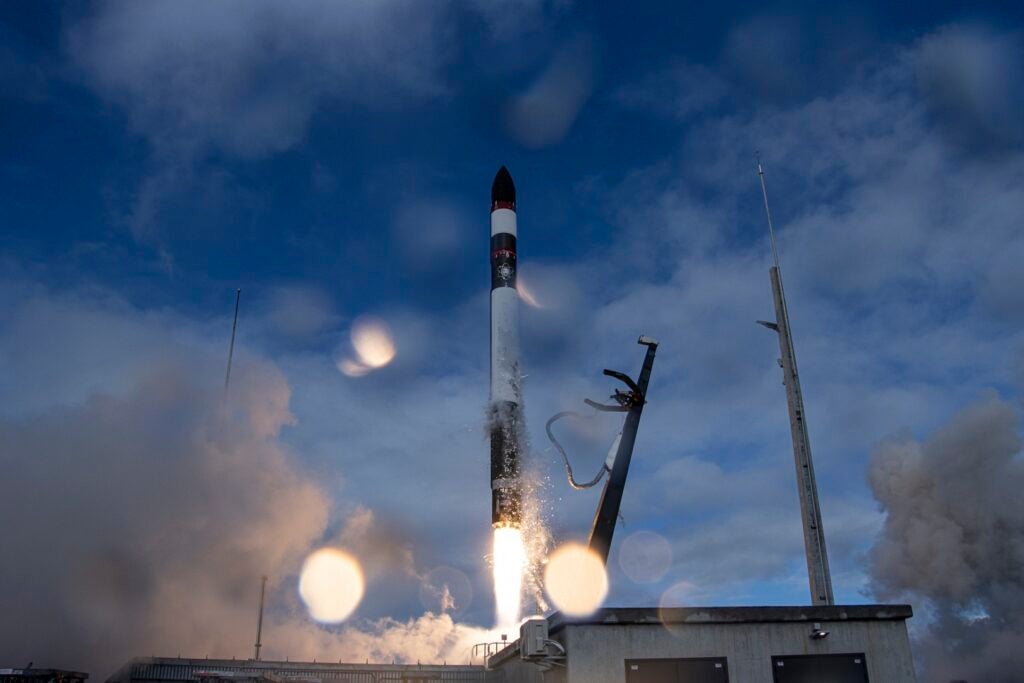
Space Stocks Diverge as Rocket Lab Gains Amid Broader Decline


- Rocket Lab's Resilience: Despite a drop of over 10%, Rocket Lab announced its upcoming inclusion in the Nasdaq-100 index, which is expected to attract more investment from index funds, highlighting its business stability and market recognition.
- AST SpaceMobile's Hard Hit: AST SpaceMobile's stock fell more than 15%, generating only $14.7 million in revenue in Q1 while holding a market value in the tens of billions, indicating the speculative nature of its business model and investor concerns about its future development.
- Intuitive Machines' Revenue Surge: Intuitive Machines saw a drop of about 13%, yet its Q1 sales reached $187 million, nearly tripling year-over-year, with a backlog of $1.1 billion, showcasing its visibility into future revenue.
- Market Sentiment Fluctuations: Investor enthusiasm for SpaceX led to a rotation of funds; while the short-term drop in these stocks may be noise, high-flying space stocks often face larger corrections when market sentiment shifts.
See More

SpaceX's Trading Debut Marks Record IPO Performance
- IPO Performance: SpaceX raised a record $75 billion in its IPO, marking the largest ever, although analysts have mixed views, rating it as a 'Hold' overall due to concerns about future performance.
- Market Reaction: Despite a nearly 20% surge on its debut, analysts caution that the current valuation is driven more by market sentiment than intrinsic value, indicating potential downside risks ahead.
- Future Outlook: The Starship project is seen as a key catalyst that could reduce launch costs to around $300/kg, unlocking a $28.5 trillion market opportunity, yet current profitability remains a significant concern.
- Investment Risks: Analysts warn that SpaceX's AI and space launch businesses are unprofitable, and management's total addressable market estimates are highly speculative, suggesting that the current valuation may not be sustainable, urging investors to proceed with caution.
See More
SpaceX's Successful IPO Sparks Market Rally

- Record-Breaking IPO: SpaceX closed at $161 per share, a 19% increase from its fixed offering price of $135, achieving a market value exceeding $2.1 trillion and becoming the sixth-largest public company in the U.S., indicating strong market appetite for its massive IPO.
- Positive Market Reaction: Ahead of SpaceX's debut, Jim Cramer's optimistic comments alleviated market fears about demand, resulting in a 0.5% rise in the S&P 500 and a 0.3% increase in the Nasdaq, reflecting renewed investor confidence in tech stocks.
- Continued AI Investment Growth: Corning's multi-billion dollar optical fiber supply deal with Amazon boosts its optical communications division, highlighting the increasing demand for fiber optics in data centers and solidifying the company's position in the rapidly evolving AI market.
- Inflation Data Impact: Despite the consumer price index rising 4.2% year-over-year in May, the highest in three years, Jim Cramer attributed this mainly to rising oil prices due to the Iran conflict, with the market largely expecting the Federal Reserve to maintain interest rates in the upcoming meeting, indicating cautious optimism about future economic policies.
See More
Ethereum Investment Outlook Remains Positive


- Yield Attraction: Ethereum's staking yields currently range from 3% to 4%, allowing investors to earn interest-like returns by staking Ether, while Bitcoin cannot be staked, making Ethereum a more appealing option amid current market volatility, potentially drawing more investor interest.
- Smart Contract Advantage: With its transition to proof-of-stake (PoS), Ethereum's capability to support smart contracts positions it as a leader in decentralized app development, boasting nearly 32,000 active developers, far surpassing other similar blockchains, thereby enhancing its competitive edge in the market.
- Network Expansion Plans: Ethereum is launching more Layer-2 networks to improve transaction speed and efficiency, with plans for three upcoming upgrades (The Verge, The Purge, and The Splurge) aimed at enhancing scalability and reducing fees, which will further solidify its market position.
- Market Dynamics Impact: Despite both Bitcoin and Ethereum experiencing a 40% decline this year, Ethereum's ongoing innovation and expansion keep it attractive to investors, especially in the face of macroeconomic uncertainties, potentially making it a more promising investment choice.
See More

SpaceX Goes Public, Valued at $2.1 Trillion on Debut

- Strong IPO Performance: SpaceX debuted at $135, opened at $150, peaked at $177, and closed at $161, achieving a 19% gain on its first day, with a market valuation rising from $1.77 trillion to $2.1 trillion, establishing it as one of the most valuable companies in the U.S., reflecting strong market confidence in its growth prospects.
- Robust Starlink Business: The Starlink satellite internet segment is projected to generate $11.4 billion in revenue by 2025, accounting for 61% of total revenue, with an operating income of $4.4 billion and a 39% operating margin, showcasing its unique profitability advantage.
- Dominant Launch Market Position: SpaceX's rockets are expected to account for over 80% of all mass launched into orbit in 2025, creating a competitive barrier that is difficult for rivals to replicate, thus providing investors with a unique opportunity in the commercial space sector.
- Significant Valuation Risks: Despite the optimistic business outlook, SpaceX's valuation at $2.1 trillion translates to over 100 times its projected 2025 revenue, alongside an expected net loss of $4.9 billion, indicating that the current stock price may reflect excessive optimism, prompting investors to carefully consider their entry points.
See More
CFRA Issues Sell Rating on SpaceX After Nasdaq Debut
- Sell Rating Issued: CFRA assigned a sell rating to SpaceX shortly after its Nasdaq debut, setting a 12-month price target of $115, significantly below the $135 offering price, indicating concerns over its elevated valuation expectations.
- Market Capitalization Shift: SpaceX's market cap was $1.77 trillion at its IPO price, but it has risen above this level due to soaring share prices during trading, reflecting a divergence in market sentiment regarding its future potential.
- Strategic Dependency: CFRA analysts highlighted that SpaceX's long-term strategy heavily relies on the success of the Starship rocket, with its commercial viability hinging on reusability, which could drastically reduce costs and enhance competitive advantage.
- Execution Bottleneck Risk: Should Starship fail to meet expectations, it could adversely affect multiple segments of SpaceX's business, including Starlink satellites and AI computing, creating significant execution bottlenecks that could hinder overall growth potential.
See More
Space Stocks Diverge as Rocket Lab Gains Amid Broader Decline
- Rocket Lab's Resilience: Despite a drop of over 10%, Rocket Lab announced its upcoming inclusion in the Nasdaq-100 index, which is expected to attract more investment from index funds, highlighting its business stability and market recognition.
- AST SpaceMobile's Hard Hit: AST SpaceMobile's stock fell more than 15%, generating only $14.7 million in revenue in Q1 while holding a market value in the tens of billions, indicating the speculative nature of its business model and investor concerns about its future development.
- Intuitive Machines' Revenue Surge: Intuitive Machines saw a drop of about 13%, yet its Q1 sales reached $187 million, nearly tripling year-over-year, with a backlog of $1.1 billion, showcasing its visibility into future revenue.
- Market Sentiment Fluctuations: Investor enthusiasm for SpaceX led to a rotation of funds; while the short-term drop in these stocks may be noise, high-flying space stocks often face larger corrections when market sentiment shifts.
See More
SpaceX's Trading Debut Marks Record IPO Performance
- IPO Performance: SpaceX raised a record $75 billion in its IPO, marking the largest ever, although analysts have mixed views, rating it as a 'Hold' overall due to concerns about future performance.
- Market Reaction: Despite a nearly 20% surge on its debut, analysts caution that the current valuation is driven more by market sentiment than intrinsic value, indicating potential downside risks ahead.
- Future Outlook: The Starship project is seen as a key catalyst that could reduce launch costs to around $300/kg, unlocking a $28.5 trillion market opportunity, yet current profitability remains a significant concern.
- Investment Risks: Analysts warn that SpaceX's AI and space launch businesses are unprofitable, and management's total addressable market estimates are highly speculative, suggesting that the current valuation may not be sustainable, urging investors to proceed with caution.
See More
SpaceX's Successful IPO Sparks Market Rally
- Record-Breaking IPO: SpaceX closed at $161 per share, a 19% increase from its fixed offering price of $135, achieving a market value exceeding $2.1 trillion and becoming the sixth-largest public company in the U.S., indicating strong market appetite for its massive IPO.
- Positive Market Reaction: Ahead of SpaceX's debut, Jim Cramer's optimistic comments alleviated market fears about demand, resulting in a 0.5% rise in the S&P 500 and a 0.3% increase in the Nasdaq, reflecting renewed investor confidence in tech stocks.
- Continued AI Investment Growth: Corning's multi-billion dollar optical fiber supply deal with Amazon boosts its optical communications division, highlighting the increasing demand for fiber optics in data centers and solidifying the company's position in the rapidly evolving AI market.
- Inflation Data Impact: Despite the consumer price index rising 4.2% year-over-year in May, the highest in three years, Jim Cramer attributed this mainly to rising oil prices due to the Iran conflict, with the market largely expecting the Federal Reserve to maintain interest rates in the upcoming meeting, indicating cautious optimism about future economic policies.
See More
Ethereum Investment Outlook Remains Positive
- Yield Attraction: Ethereum's staking yields currently range from 3% to 4%, allowing investors to earn interest-like returns by staking Ether, while Bitcoin cannot be staked, making Ethereum a more appealing option amid current market volatility, potentially drawing more investor interest.
- Smart Contract Advantage: With its transition to proof-of-stake (PoS), Ethereum's capability to support smart contracts positions it as a leader in decentralized app development, boasting nearly 32,000 active developers, far surpassing other similar blockchains, thereby enhancing its competitive edge in the market.
- Network Expansion Plans: Ethereum is launching more Layer-2 networks to improve transaction speed and efficiency, with plans for three upcoming upgrades (The Verge, The Purge, and The Splurge) aimed at enhancing scalability and reducing fees, which will further solidify its market position.
- Market Dynamics Impact: Despite both Bitcoin and Ethereum experiencing a 40% decline this year, Ethereum's ongoing innovation and expansion keep it attractive to investors, especially in the face of macroeconomic uncertainties, potentially making it a more promising investment choice.
See More
SpaceX Goes Public, Valued at $2.1 Trillion on Debut
- Strong IPO Performance: SpaceX debuted at $135, opened at $150, peaked at $177, and closed at $161, achieving a 19% gain on its first day, with a market valuation rising from $1.77 trillion to $2.1 trillion, establishing it as one of the most valuable companies in the U.S., reflecting strong market confidence in its growth prospects.
- Robust Starlink Business: The Starlink satellite internet segment is projected to generate $11.4 billion in revenue by 2025, accounting for 61% of total revenue, with an operating income of $4.4 billion and a 39% operating margin, showcasing its unique profitability advantage.
- Dominant Launch Market Position: SpaceX's rockets are expected to account for over 80% of all mass launched into orbit in 2025, creating a competitive barrier that is difficult for rivals to replicate, thus providing investors with a unique opportunity in the commercial space sector.
- Significant Valuation Risks: Despite the optimistic business outlook, SpaceX's valuation at $2.1 trillion translates to over 100 times its projected 2025 revenue, alongside an expected net loss of $4.9 billion, indicating that the current stock price may reflect excessive optimism, prompting investors to carefully consider their entry points.
See More