SpaceX's IPO Triggers Index Fund Buying Surge
Written by Emily J. Thompson, Senior Investment Analyst
Updated: 1 hour ago
0mins
Source: Fool
- IPO Impact: SpaceX went public on June 12, marking the largest IPO in history, and within two weeks, its stock is being added to multiple indices, expected to attract billions in investment.
- Index Inclusion Rule Change: Due to changes by FTSE Russell and Nasdaq, SpaceX is being added to the Russell 1000 in just five trading days and will join the Nasdaq-100 on July 7, potentially driving over $4 billion in buying demand from index funds.
- Profitability Constraints: While SpaceX is included in several indices, the S&P 500 has excluded it due to its failure to meet profitability standards, highlighting the varying requirements across different indices regarding company earnings.
- Revenue Source Analysis: In 2025, SpaceX generated approximately $18.7 billion in total revenue, with 61% coming from its Starlink satellite internet service, despite an overall loss of $4.9 billion, indicating a fragile profit model and market optimism about its future.
Trade with 70% Backtested Accuracy
Stop guessing "Should I Buy SPCX?" and start using high-conviction signals backed by rigorous historical data.
Sign up today to access powerful investing tools and make smarter, data-driven decisions.
Analyst Views on SPCX
Wall Street analysts forecast SPCX stock price to rise
0 Analyst Rating
0 Buy
0 Hold
0 Sell
Current: 153.000

Low
Averages
High
Current: 153.000
Low
Averages
High
About SPCX
Space Exploration Technologies Corp. designs, manufactures, launches, and operates products and services built on technologies, including rockets and spacecraft. The Company's segments include Space, Connectivity, and artificial intelligence (AI). Its Space segment designs, manufactures, and launches reusable rockets to provide access to space. Its Connectivity segment operates broadband data and communications network powered by approximately 9,600 Starlink broadband and mobile satellites in Low-Earth orbit, delivering connectivity to consumer, enterprises, and government customers over 164 countries, territories, and other markets. In its AI segment, it operates a vertically integrated AI platform spanning its truth-seeking frontier model Grok, AI solutions for consumer and enterprise customers, X-its real-time information, entertainment, and free speech platform and AI computational infrastructure.
About the author

Emily J. Thompson
Emily J. Thompson, a Chartered Financial Analyst (CFA) with 12 years in investment research, graduated with honors from the Wharton School. Specializing in industrial and technology stocks, she provides in-depth analysis for Intellectia’s earnings and market brief reports.

SpaceX Quickly Joins Nasdaq-100 Index Following IPO

- Fast-Track Inclusion: SpaceX has become eligible for the Nasdaq-100 index just 15 trading days post-IPO, highlighting its rapid ascent in the capital markets and likely attracting increased attention from passive investors.
- Index Fund Inflows: With SpaceX's inclusion, over $800 billion in assets will begin purchasing its shares, particularly from index funds and ETFs tracking the Nasdaq-100, which is expected to significantly boost market demand.
- Market Impact: The inclusion of SpaceX marks it as one of the first beneficiaries of Nasdaq's newly adopted fast-track inclusion framework, altering how investors access newly public companies and shortening the waiting period, thereby enhancing market liquidity.
- Float Constraints: Although SpaceX's index weighting is expected to be less than 1%, its relatively small tradable float could necessitate substantial purchases from passive investment vehicles, potentially driving up the stock price.
See More

SpaceX Sets IPO Record at $75 Billion Amid Stock Volatility
- Record IPO Financing: SpaceX raised $75 billion in its initial public offering, setting a new record for IPO financing, with a valuation of $1.77 trillion, indicating strong market confidence in its future potential.
- Stock Price Volatility: Despite an initial price surge post-IPO, SpaceX's stock has declined by 3% as of June 23, reflecting uncertainty in market expectations and advising investors to proceed with caution.
- Lock-Up Period Schedule: Following SEC recommendations, SpaceX has established a lock-up period, with 20% to 30% of shares expected to be released in the coming months, which may exert downward pressure on the stock, particularly after the 90-day mark when the second block of shares is unlocked.
- Changes in Market Liquidity: With only 4% of shares available to the public, the gradual release of additional shares will increase market liquidity, necessitating investor attention to how these changes may impact stock prices.
See More
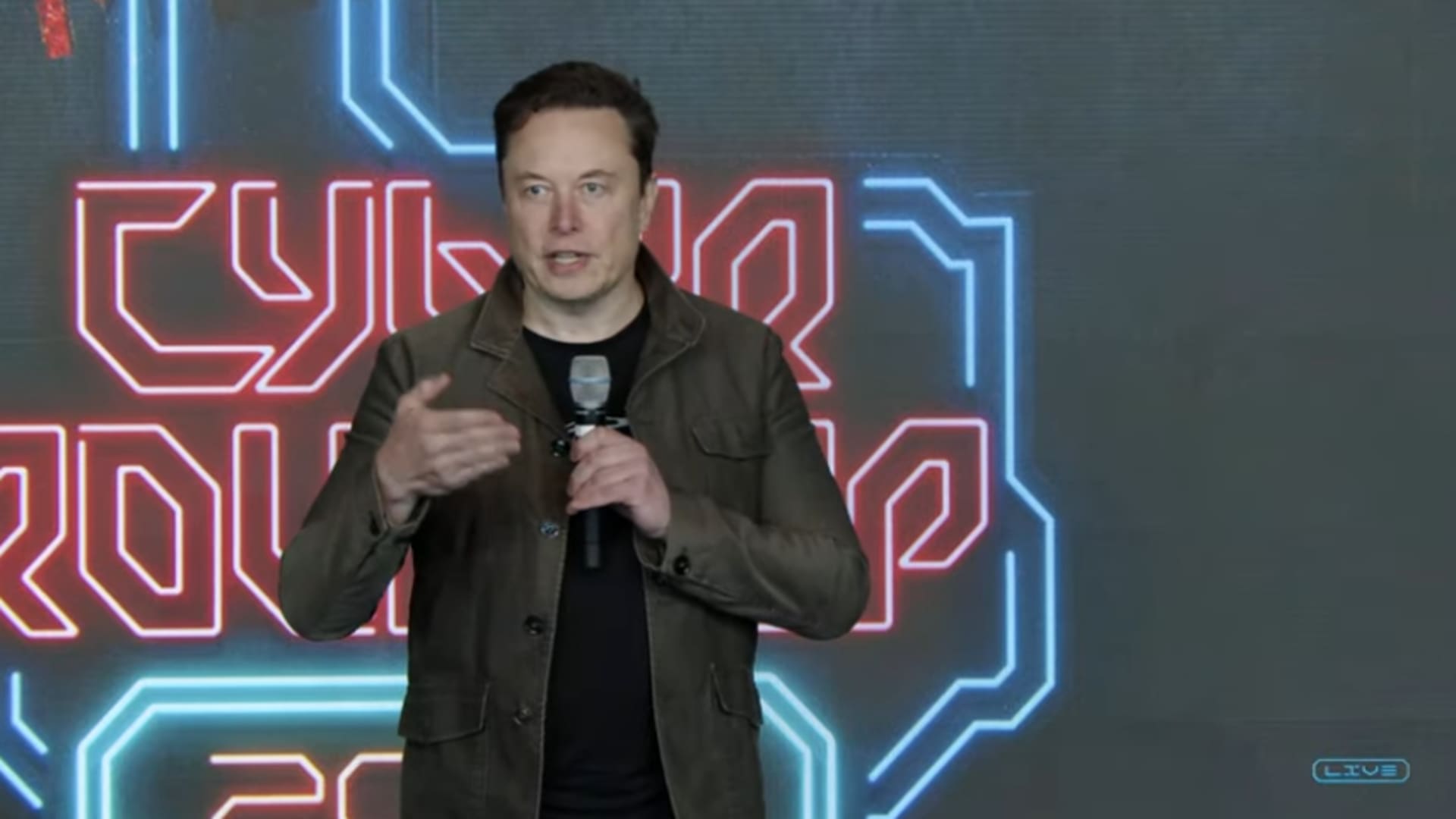
Tesla Expands into AI with New Chip Development


- Chip Design Breakthrough: Tesla has completed the tape-out of its AI5 computer chip, which is expected to enter production within the next 12 to 18 months, supporting new projects like the Optimus humanoid robot, showcasing the company's ambitions in the AI sector.
- Significant Performance Boost: The new chip boasts a 40x performance increase over its predecessor, aimed at facilitating Tesla's expansion into robotics and autonomous driving, which is expected to provide a cost advantage and enhance market competitiveness.
- Vertical Integration Strategy: Tesla plans to build its own semiconductor manufacturing facility, named Terrafab, in Texas, aiming to further integrate its robotics and AI production chain and reduce reliance on external suppliers.
- Complex Market Outlook: Despite Tesla's market cap reaching $1.4 trillion and a P/E ratio of 348, realizing Musk's vision faces multiple challenges, prompting investors to carefully assess the current stock price's validity.
See More
SpaceX's IPO Triggers Index Fund Buying Surge

- IPO Impact: SpaceX went public on June 12, marking the largest IPO in history, and within two weeks, its stock is being added to multiple indices, expected to attract billions in investment.
- Index Inclusion Rule Change: Due to changes by FTSE Russell and Nasdaq, SpaceX is being added to the Russell 1000 in just five trading days and will join the Nasdaq-100 on July 7, potentially driving over $4 billion in buying demand from index funds.
- Profitability Constraints: While SpaceX is included in several indices, the S&P 500 has excluded it due to its failure to meet profitability standards, highlighting the varying requirements across different indices regarding company earnings.
- Revenue Source Analysis: In 2025, SpaceX generated approximately $18.7 billion in total revenue, with 61% coming from its Starlink satellite internet service, despite an overall loss of $4.9 billion, indicating a fragile profit model and market optimism about its future.
See More
Intel's Growth Momentum Resurfaces as AI Strategy Shows Promise

- Stock Surge: Intel's stock has surged over 230% year-to-date and 484% over the past 52 weeks, recently breaking through $140 to reach an all-time high, indicating a resurgence of investor confidence in the company's recovery.
- Strengthened Partnerships: Intel's deeper collaboration with Alphabet to expand the use of Xeon CPUs and custom IPUs for AI workloads, along with its strategic role in the Terafab project alongside SpaceX and Tesla, enhances its market position in the AI sector.
- Foundry Business Recovery: Intel's Foundry segment generated $5.4 billion in revenue in Q1 FY 2026, despite reporting a $2.44 billion operating loss, signaling a shift as the company begins to manufacture chips for others, showcasing new profit potential.
- Optimistic Market Outlook: While analysts are leaning towards a hold rating for Intel's stock, the revenue growth in the foundry business and the ongoing expansion of the AI market clarify a legitimate growth path for Intel, drawing renewed interest from investors.
See More
Parabilis Medicines IPO Surges 58%, Outpacing SpaceX


- IPO Performance: Parabilis Medicines debuted on June 10, closing up 58% from its $20 offer price, indicating strong market interest, although investors should carefully assess its long-term value compared to SpaceX's 19% rise.
- Technical Challenges: The company is developing a Helicons platform aimed at targeting flat protein surfaces that are traditionally undruggable, a goal that, while appealing, has seen many failures in the biopharma industry, necessitating investor caution regarding its feasibility.
- Clinical Trial Progress: Its lead candidate, zolucatetide, is set to enter phase 3 trials in 2027, and recent phase 1/2 trial data showed a 74% objective response rate among 25 evaluable patients with desmoid tumors, although the single-arm design and limited follow-up raise concerns about data robustness.
- Collaborative Outlook: Parabilis has secured a $50 million collaboration with Regeneron Pharmaceuticals, including $75 million in equity and up to $2.2 billion in milestone payments, signaling confidence in its platform's potential value, though investors should remain cautious.
See More
SpaceX Quickly Joins Nasdaq-100 Index Following IPO
- Fast-Track Inclusion: SpaceX has become eligible for the Nasdaq-100 index just 15 trading days post-IPO, highlighting its rapid ascent in the capital markets and likely attracting increased attention from passive investors.
- Index Fund Inflows: With SpaceX's inclusion, over $800 billion in assets will begin purchasing its shares, particularly from index funds and ETFs tracking the Nasdaq-100, which is expected to significantly boost market demand.
- Market Impact: The inclusion of SpaceX marks it as one of the first beneficiaries of Nasdaq's newly adopted fast-track inclusion framework, altering how investors access newly public companies and shortening the waiting period, thereby enhancing market liquidity.
- Float Constraints: Although SpaceX's index weighting is expected to be less than 1%, its relatively small tradable float could necessitate substantial purchases from passive investment vehicles, potentially driving up the stock price.
See More
SpaceX Sets IPO Record at $75 Billion Amid Stock Volatility
- Record IPO Financing: SpaceX raised $75 billion in its initial public offering, setting a new record for IPO financing, with a valuation of $1.77 trillion, indicating strong market confidence in its future potential.
- Stock Price Volatility: Despite an initial price surge post-IPO, SpaceX's stock has declined by 3% as of June 23, reflecting uncertainty in market expectations and advising investors to proceed with caution.
- Lock-Up Period Schedule: Following SEC recommendations, SpaceX has established a lock-up period, with 20% to 30% of shares expected to be released in the coming months, which may exert downward pressure on the stock, particularly after the 90-day mark when the second block of shares is unlocked.
- Changes in Market Liquidity: With only 4% of shares available to the public, the gradual release of additional shares will increase market liquidity, necessitating investor attention to how these changes may impact stock prices.
See More
Tesla Expands into AI with New Chip Development
- Chip Design Breakthrough: Tesla has completed the tape-out of its AI5 computer chip, which is expected to enter production within the next 12 to 18 months, supporting new projects like the Optimus humanoid robot, showcasing the company's ambitions in the AI sector.
- Significant Performance Boost: The new chip boasts a 40x performance increase over its predecessor, aimed at facilitating Tesla's expansion into robotics and autonomous driving, which is expected to provide a cost advantage and enhance market competitiveness.
- Vertical Integration Strategy: Tesla plans to build its own semiconductor manufacturing facility, named Terrafab, in Texas, aiming to further integrate its robotics and AI production chain and reduce reliance on external suppliers.
- Complex Market Outlook: Despite Tesla's market cap reaching $1.4 trillion and a P/E ratio of 348, realizing Musk's vision faces multiple challenges, prompting investors to carefully assess the current stock price's validity.
See More
SpaceX's IPO Triggers Index Fund Buying Surge
- IPO Impact: SpaceX went public on June 12, marking the largest IPO in history, and within two weeks, its stock is being added to multiple indices, expected to attract billions in investment.
- Index Inclusion Rule Change: Due to changes by FTSE Russell and Nasdaq, SpaceX is being added to the Russell 1000 in just five trading days and will join the Nasdaq-100 on July 7, potentially driving over $4 billion in buying demand from index funds.
- Profitability Constraints: While SpaceX is included in several indices, the S&P 500 has excluded it due to its failure to meet profitability standards, highlighting the varying requirements across different indices regarding company earnings.
- Revenue Source Analysis: In 2025, SpaceX generated approximately $18.7 billion in total revenue, with 61% coming from its Starlink satellite internet service, despite an overall loss of $4.9 billion, indicating a fragile profit model and market optimism about its future.
See More
Intel's Growth Momentum Resurfaces as AI Strategy Shows Promise
- Stock Surge: Intel's stock has surged over 230% year-to-date and 484% over the past 52 weeks, recently breaking through $140 to reach an all-time high, indicating a resurgence of investor confidence in the company's recovery.
- Strengthened Partnerships: Intel's deeper collaboration with Alphabet to expand the use of Xeon CPUs and custom IPUs for AI workloads, along with its strategic role in the Terafab project alongside SpaceX and Tesla, enhances its market position in the AI sector.
- Foundry Business Recovery: Intel's Foundry segment generated $5.4 billion in revenue in Q1 FY 2026, despite reporting a $2.44 billion operating loss, signaling a shift as the company begins to manufacture chips for others, showcasing new profit potential.
- Optimistic Market Outlook: While analysts are leaning towards a hold rating for Intel's stock, the revenue growth in the foundry business and the ongoing expansion of the AI market clarify a legitimate growth path for Intel, drawing renewed interest from investors.
See More
Parabilis Medicines IPO Surges 58%, Outpacing SpaceX
- IPO Performance: Parabilis Medicines debuted on June 10, closing up 58% from its $20 offer price, indicating strong market interest, although investors should carefully assess its long-term value compared to SpaceX's 19% rise.
- Technical Challenges: The company is developing a Helicons platform aimed at targeting flat protein surfaces that are traditionally undruggable, a goal that, while appealing, has seen many failures in the biopharma industry, necessitating investor caution regarding its feasibility.
- Clinical Trial Progress: Its lead candidate, zolucatetide, is set to enter phase 3 trials in 2027, and recent phase 1/2 trial data showed a 74% objective response rate among 25 evaluable patients with desmoid tumors, although the single-arm design and limited follow-up raise concerns about data robustness.
- Collaborative Outlook: Parabilis has secured a $50 million collaboration with Regeneron Pharmaceuticals, including $75 million in equity and up to $2.2 billion in milestone payments, signaling confidence in its platform's potential value, though investors should remain cautious.
See More