SpaceX Valuation and Financial Analysis
Written by Emily J. Thompson, Senior Investment Analyst
Updated: 53 minutes ago
0mins
Source: Yahoo Finance
- Valuation vs Revenue: SpaceX's market cap ranges from $1.5 trillion to $2.5 trillion, currently at $2.25 trillion, making it the seventh-largest company globally; however, its total revenue for 2026 is only $18.7 billion, significantly lower than other trillion-dollar firms, indicating potential overvaluation.
- Revenue Breakdown: The company's revenue sources include $4 billion from launch services, $11.4 billion from Starlink satellite internet, and $3.2 billion from AI services, with Starlink revenue growing 50% year-over-year in 2025, yet overall revenue remains insufficient, impacting future growth prospects.
- Competitive Risks: SpaceX faces intense competition in AI and satellite internet from giants like Alphabet and Amazon, particularly as AI data center contracts can be terminated with 90 days' notice, which may lead to revenue volatility and increased business uncertainty.
- Profitability Challenges: Despite completing the largest IPO in history and having $9 billion in cash, SpaceX's gross margin was just above 50% in 2025, with an operating loss of $2.5 billion, highlighting significant challenges in achieving profitability and maintaining market leadership.
Trade with 70% Backtested Accuracy
Stop guessing "Should I Buy SPCX?" and start using high-conviction signals backed by rigorous historical data.
Sign up today to access powerful investing tools and make smarter, data-driven decisions.
Analyst Views on SPCX
Wall Street analysts forecast SPCX stock price to rise
0 Analyst Rating
0 Buy
0 Hold
0 Sell
Current: 157.540

Low
Averages
High
Current: 157.540
Low
Averages
High
About SPCX
Space Exploration Technologies Corp. designs, manufactures, launches, and operates products and services built on technologies, including rockets and spacecraft. The Company's segments include Space, Connectivity, and artificial intelligence (AI). Its Space segment designs, manufactures, and launches reusable rockets to provide access to space. Its Connectivity segment operates broadband data and communications network powered by approximately 9,600 Starlink broadband and mobile satellites in Low-Earth orbit, delivering connectivity to consumer, enterprises, and government customers over 164 countries, territories, and other markets. In its AI segment, it operates a vertically integrated AI platform spanning its truth-seeking frontier model Grok, AI solutions for consumer and enterprise customers, X-its real-time information, entertainment, and free speech platform and AI computational infrastructure.
About the author

Emily J. Thompson
Emily J. Thompson, a Chartered Financial Analyst (CFA) with 12 years in investment research, graduated with honors from the Wharton School. Specializing in industrial and technology stocks, she provides in-depth analysis for Intellectia’s earnings and market brief reports.

SpaceX Raises Record $85.7 Billion in IPO, Challenges Retail Investors

- Record Fundraising: SpaceX raised $85.7 billion in its June 12 IPO, nearly tripling the previous record of $29.4 billion, establishing itself as one of America's largest companies, yet this raises potential risks for retail investors.
- Lockup Period Structure: Insiders at SpaceX can begin selling shares two trading days after the first quarterly report, with a 180-day lockup for the largest group, potentially leading to a massive wealth transfer that could pressure retail investors.
- Low Float Ratio: The IPO sold only 555.6 million shares, less than 5% of the total outstanding shares, resulting in a very limited market float, and combined with forced buying from index funds, could artificially inflate the stock price, but this trend is nearing its end.
- Future Financing Risks: The prospectus indicates potential debt and equity raises in the future, which could lead to share dilution and further downward pressure on the stock price, making retail investors cautious despite several upcoming catalysts.
See More

SpaceX Valuation and Financial Analysis

- Valuation vs Revenue: SpaceX's market cap ranges from $1.5 trillion to $2.5 trillion, currently at $2.25 trillion, making it the seventh-largest company globally; however, its total revenue for 2026 is only $18.7 billion, significantly lower than other trillion-dollar firms, indicating potential overvaluation.
- Revenue Breakdown: The company's revenue sources include $4 billion from launch services, $11.4 billion from Starlink satellite internet, and $3.2 billion from AI services, with Starlink revenue growing 50% year-over-year in 2025, yet overall revenue remains insufficient, impacting future growth prospects.
- Competitive Risks: SpaceX faces intense competition in AI and satellite internet from giants like Alphabet and Amazon, particularly as AI data center contracts can be terminated with 90 days' notice, which may lead to revenue volatility and increased business uncertainty.
- Profitability Challenges: Despite completing the largest IPO in history and having $9 billion in cash, SpaceX's gross margin was just above 50% in 2025, with an operating loss of $2.5 billion, highlighting significant challenges in achieving profitability and maintaining market leadership.
See More

Cathie Wood Challenges De-Dollarization Fears with Data
- Foreign Holdings Increase: Despite selective selling by some central banks, Cathie Wood argues that foreign holdings of US Treasuries are broadly rising, with foreign official institutions net buying $41.6 billion of long-term US securities in April, indicating sustained demand for dollar assets.
- Currency Defense Strategy: Wood emphasizes that recent sales by countries like Japan and Turkey are primarily aimed at supporting their local currencies rather than signaling a broad retreat from the dollar, particularly as the yen trades near 40-year lows, suggesting these actions are defensive rather than indicative of de-dollarization.
- Tech-Driven Economic Outlook: Wood posits that the US is entering a technology-driven deflationary boom, with accelerating productivity and inflation running lower than official measures suggest, indicating a potentially favorable economic trajectory ahead.
- Long-Term Bitcoin Outlook: Wood maintains a bullish stance on Bitcoin as a hedge against currency debasement, setting a price target of $1.25 million within five years, and despite gold currently outperforming Bitcoin, she believes Bitcoin's value proposition remains strong.
See More
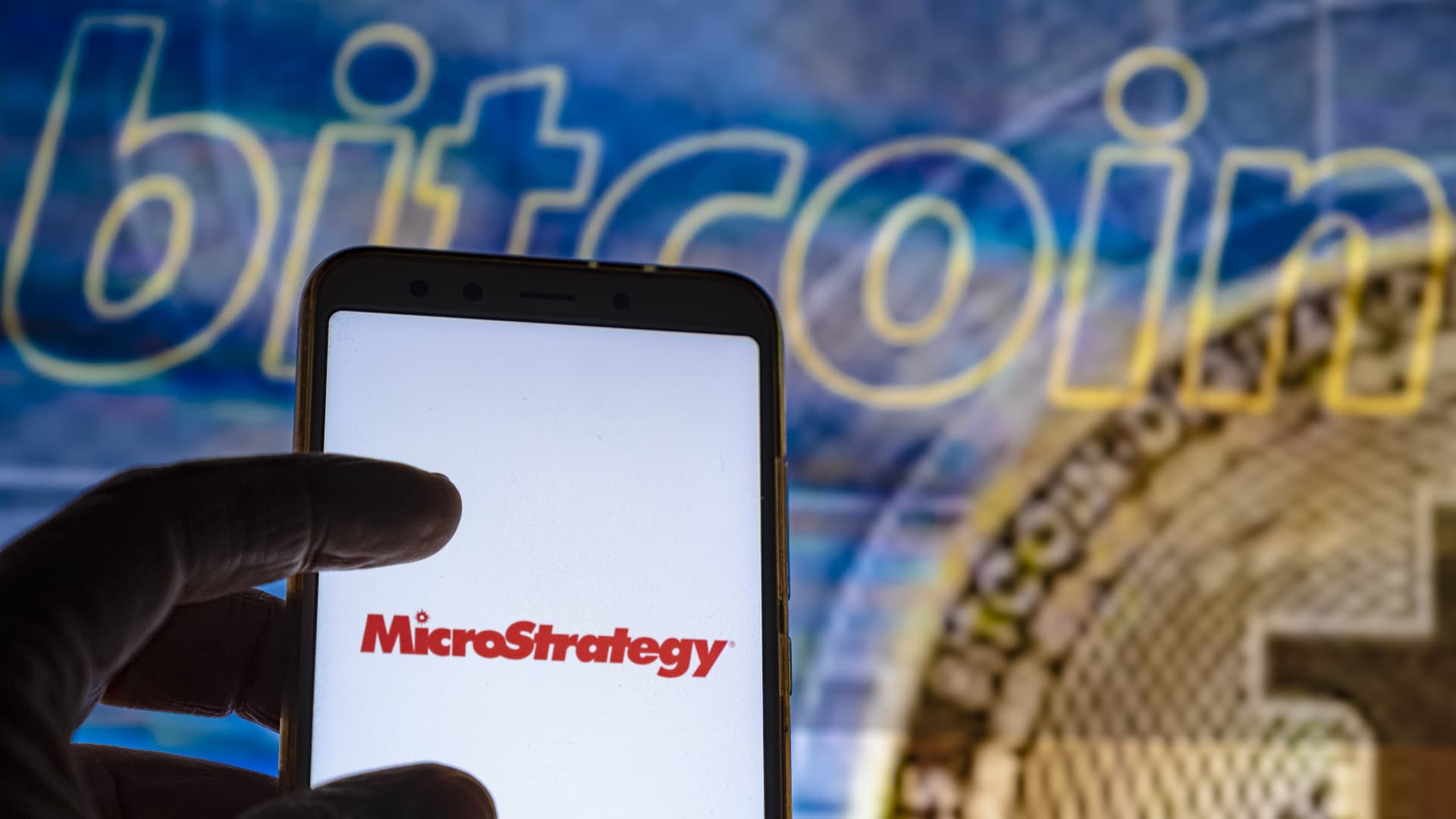
Elon Musk Shares Patriotic Video to Promote Bitcoin

- Bitcoin Holdings: As of July, Strategy holds 847,363 BTC valued at approximately $52.9 billion, making it the largest corporate Bitcoin holder, while SpaceX and Tesla hold 18,712 BTC and 11,509 BTC, respectively, valued at about $1.17 billion and $718.5 million, showcasing their significant influence in the cryptocurrency market.
- Market Sentiment Shift: Despite Bitcoin being down over 50% since last October, recent ETF inflows of $223 million indicate easing market pressure, with MSTR stock sentiment on Stocktwits rated as 'extremely bullish', reflecting investor optimism for future performance.
- Musk and Saylor Interaction: Musk shared an AI-generated patriotic video on Independence Day, which Saylor used to promote Bitcoin, emphasizing its role as a tool for American economic strength, further solidifying its public presence.
- Bitcoin Market Cycle: CryptoQuant analysts suggest Bitcoin may have entered the late stage of the bear market cycle, with changes in the ETF market potentially presenting new opportunities, as Strategy continues to stack Bitcoin, demonstrating confidence in a future market rebound.
See More
SpaceX IPO Pricing and Market Valuation Analysis
- IPO Pricing and Market Reaction: SpaceX priced its IPO at $135 per share, and the stock quickly soared to $225, currently trading around $170, reflecting strong market expectations for future growth despite a sharp correction.
- Valuation Controversy: Morningstar believes SpaceX's fair value is only $63 per share, nearly one-third of the current price, indicating significant market valuation discrepancies that could expose investors to overvaluation risks.
- Total Addressable Market Analysis: SpaceX claims a total addressable market (TAM) of $28.5 trillion, with a current market cap of about $2 trillion, suggesting substantial growth potential; however, Morningstar analysts express skepticism about achieving these ambitious targets due to unresolved engineering challenges.
- Investor Caution Advised: Morningstar's report emphasizes that even in the most optimistic scenarios, SpaceX's valuation would only reach $154 per share, urging investors to carefully assess the gap between current stock prices and potential value to avoid excessive investment risks.
See More
SpaceX Valuation Exceeds $2 Trillion, Investors Should Exercise Caution

- Market Dominance: As the leading space launch company globally, SpaceX maintains a strong position despite facing a few competitors, which continues to attract significant investor interest.
- AI Market Potential: The company's pivot into the $26.5 trillion artificial intelligence market presents massive growth opportunities; however, its current valuation reflects high future growth expectations, posing risks for investors.
- Financial Data Analysis: With $19.3 billion in revenue and $7.1 billion in operating cash flow over the past 12 months, these figures seem solid, yet they starkly contrast with SpaceX's $2.1 trillion valuation, indicating market over-optimism regarding future growth.
- Profitability Challenges: Even if SpaceX's revenue and cash flow were to grow tenfold, it would still fall short of matching other giants like Meta and Microsoft, suggesting that investors should exercise caution until a clear growth pathway is demonstrated to justify such a high valuation.
See More
SpaceX Raises Record $85.7 Billion in IPO, Challenges Retail Investors
- Record Fundraising: SpaceX raised $85.7 billion in its June 12 IPO, nearly tripling the previous record of $29.4 billion, establishing itself as one of America's largest companies, yet this raises potential risks for retail investors.
- Lockup Period Structure: Insiders at SpaceX can begin selling shares two trading days after the first quarterly report, with a 180-day lockup for the largest group, potentially leading to a massive wealth transfer that could pressure retail investors.
- Low Float Ratio: The IPO sold only 555.6 million shares, less than 5% of the total outstanding shares, resulting in a very limited market float, and combined with forced buying from index funds, could artificially inflate the stock price, but this trend is nearing its end.
- Future Financing Risks: The prospectus indicates potential debt and equity raises in the future, which could lead to share dilution and further downward pressure on the stock price, making retail investors cautious despite several upcoming catalysts.
See More
SpaceX Valuation and Financial Analysis
- Valuation vs Revenue: SpaceX's market cap ranges from $1.5 trillion to $2.5 trillion, currently at $2.25 trillion, making it the seventh-largest company globally; however, its total revenue for 2026 is only $18.7 billion, significantly lower than other trillion-dollar firms, indicating potential overvaluation.
- Revenue Breakdown: The company's revenue sources include $4 billion from launch services, $11.4 billion from Starlink satellite internet, and $3.2 billion from AI services, with Starlink revenue growing 50% year-over-year in 2025, yet overall revenue remains insufficient, impacting future growth prospects.
- Competitive Risks: SpaceX faces intense competition in AI and satellite internet from giants like Alphabet and Amazon, particularly as AI data center contracts can be terminated with 90 days' notice, which may lead to revenue volatility and increased business uncertainty.
- Profitability Challenges: Despite completing the largest IPO in history and having $9 billion in cash, SpaceX's gross margin was just above 50% in 2025, with an operating loss of $2.5 billion, highlighting significant challenges in achieving profitability and maintaining market leadership.
See More
Cathie Wood Challenges De-Dollarization Fears with Data
- Foreign Holdings Increase: Despite selective selling by some central banks, Cathie Wood argues that foreign holdings of US Treasuries are broadly rising, with foreign official institutions net buying $41.6 billion of long-term US securities in April, indicating sustained demand for dollar assets.
- Currency Defense Strategy: Wood emphasizes that recent sales by countries like Japan and Turkey are primarily aimed at supporting their local currencies rather than signaling a broad retreat from the dollar, particularly as the yen trades near 40-year lows, suggesting these actions are defensive rather than indicative of de-dollarization.
- Tech-Driven Economic Outlook: Wood posits that the US is entering a technology-driven deflationary boom, with accelerating productivity and inflation running lower than official measures suggest, indicating a potentially favorable economic trajectory ahead.
- Long-Term Bitcoin Outlook: Wood maintains a bullish stance on Bitcoin as a hedge against currency debasement, setting a price target of $1.25 million within five years, and despite gold currently outperforming Bitcoin, she believes Bitcoin's value proposition remains strong.
See More
Elon Musk Shares Patriotic Video to Promote Bitcoin
- Bitcoin Holdings: As of July, Strategy holds 847,363 BTC valued at approximately $52.9 billion, making it the largest corporate Bitcoin holder, while SpaceX and Tesla hold 18,712 BTC and 11,509 BTC, respectively, valued at about $1.17 billion and $718.5 million, showcasing their significant influence in the cryptocurrency market.
- Market Sentiment Shift: Despite Bitcoin being down over 50% since last October, recent ETF inflows of $223 million indicate easing market pressure, with MSTR stock sentiment on Stocktwits rated as 'extremely bullish', reflecting investor optimism for future performance.
- Musk and Saylor Interaction: Musk shared an AI-generated patriotic video on Independence Day, which Saylor used to promote Bitcoin, emphasizing its role as a tool for American economic strength, further solidifying its public presence.
- Bitcoin Market Cycle: CryptoQuant analysts suggest Bitcoin may have entered the late stage of the bear market cycle, with changes in the ETF market potentially presenting new opportunities, as Strategy continues to stack Bitcoin, demonstrating confidence in a future market rebound.
See More
SpaceX IPO Pricing and Market Valuation Analysis
- IPO Pricing and Market Reaction: SpaceX priced its IPO at $135 per share, and the stock quickly soared to $225, currently trading around $170, reflecting strong market expectations for future growth despite a sharp correction.
- Valuation Controversy: Morningstar believes SpaceX's fair value is only $63 per share, nearly one-third of the current price, indicating significant market valuation discrepancies that could expose investors to overvaluation risks.
- Total Addressable Market Analysis: SpaceX claims a total addressable market (TAM) of $28.5 trillion, with a current market cap of about $2 trillion, suggesting substantial growth potential; however, Morningstar analysts express skepticism about achieving these ambitious targets due to unresolved engineering challenges.
- Investor Caution Advised: Morningstar's report emphasizes that even in the most optimistic scenarios, SpaceX's valuation would only reach $154 per share, urging investors to carefully assess the gap between current stock prices and potential value to avoid excessive investment risks.
See More
SpaceX Valuation Exceeds $2 Trillion, Investors Should Exercise Caution
- Market Dominance: As the leading space launch company globally, SpaceX maintains a strong position despite facing a few competitors, which continues to attract significant investor interest.
- AI Market Potential: The company's pivot into the $26.5 trillion artificial intelligence market presents massive growth opportunities; however, its current valuation reflects high future growth expectations, posing risks for investors.
- Financial Data Analysis: With $19.3 billion in revenue and $7.1 billion in operating cash flow over the past 12 months, these figures seem solid, yet they starkly contrast with SpaceX's $2.1 trillion valuation, indicating market over-optimism regarding future growth.
- Profitability Challenges: Even if SpaceX's revenue and cash flow were to grow tenfold, it would still fall short of matching other giants like Meta and Microsoft, suggesting that investors should exercise caution until a clear growth pathway is demonstrated to justify such a high valuation.
See More