SpaceX Stock Nears IPO Price but Remains Overvalued
Written by Emily J. Thompson, Senior Investment Analyst
Updated: 9 hours ago
0mins
Source: NASDAQ.COM
- Stock Price Volatility: Since its public debut on June 12, SpaceX's stock has fluctuated from an initial price of $135 to a peak of $225.64, currently trading around $155, indicating a decline in market enthusiasm as early investors capitalize on quick profits.
- Valuation Risks: SpaceX's market cap peaked at $2.66 trillion, approximately 142 times its projected 2025 revenue, but has since dropped to $2.07 trillion, still trading at a high price-to-sales ratio of 111, highlighting significant overvaluation risks.
- Lockup Period Impact: With less than 5% of shares released during the IPO, most shares are held by insiders and early investors, and the phased unlocking of shares, starting with 20% in late July or early August, will affect market liquidity and stock dynamics.
- Increased Shorting Difficulty: The stock loan fees for SpaceX range from 15% to 50%, making it challenging to short the stock profitably, and while the expiration of lockup periods may attract short sellers, caution is advised in the near term due to current market conditions.
Trade with 70% Backtested Accuracy
Stop guessing "Should I Buy TSLA?" and start using high-conviction signals backed by rigorous historical data.
Sign up today to access powerful investing tools and make smarter, data-driven decisions.
Analyst Views on TSLA
Wall Street analysts forecast TSLA stock price to fall
30 Analyst Rating
12 Buy
11 Hold
7 Sell
Hold
Current: 405.050

Low
25.28
Averages
401.93
High
600.00
Current: 405.050
Low
25.28
Averages
401.93
High
600.00
About TSLA
Tesla, Inc. designs, develops, manufactures, sells and leases high-performance fully electric vehicles and energy generation and storage systems, and offers services related to its products. Its segments include automotive, and energy generation and storage. The automotive segment includes the design, development, manufacturing, sales and leasing of high-performance fully electric vehicles, and sales of automotive regulatory credits. It also includes sales of used vehicles, non-warranty maintenance services and collisions, part sales, paid supercharging, insurance services revenue and retail merchandise sales. The energy generation and storage segment include the design, manufacture, installation, sales and leasing of solar energy generation and energy storage products and related services and sales of solar energy systems incentives. Its consumer vehicles include the Model 3, Y, S, X and Cybertruck. Its lithium-ion battery energy storage products include Powerwall and Megapack.
About the author

Emily J. Thompson
Emily J. Thompson, a Chartered Financial Analyst (CFA) with 12 years in investment research, graduated with honors from the Wharton School. Specializing in industrial and technology stocks, she provides in-depth analysis for Intellectia’s earnings and market brief reports.
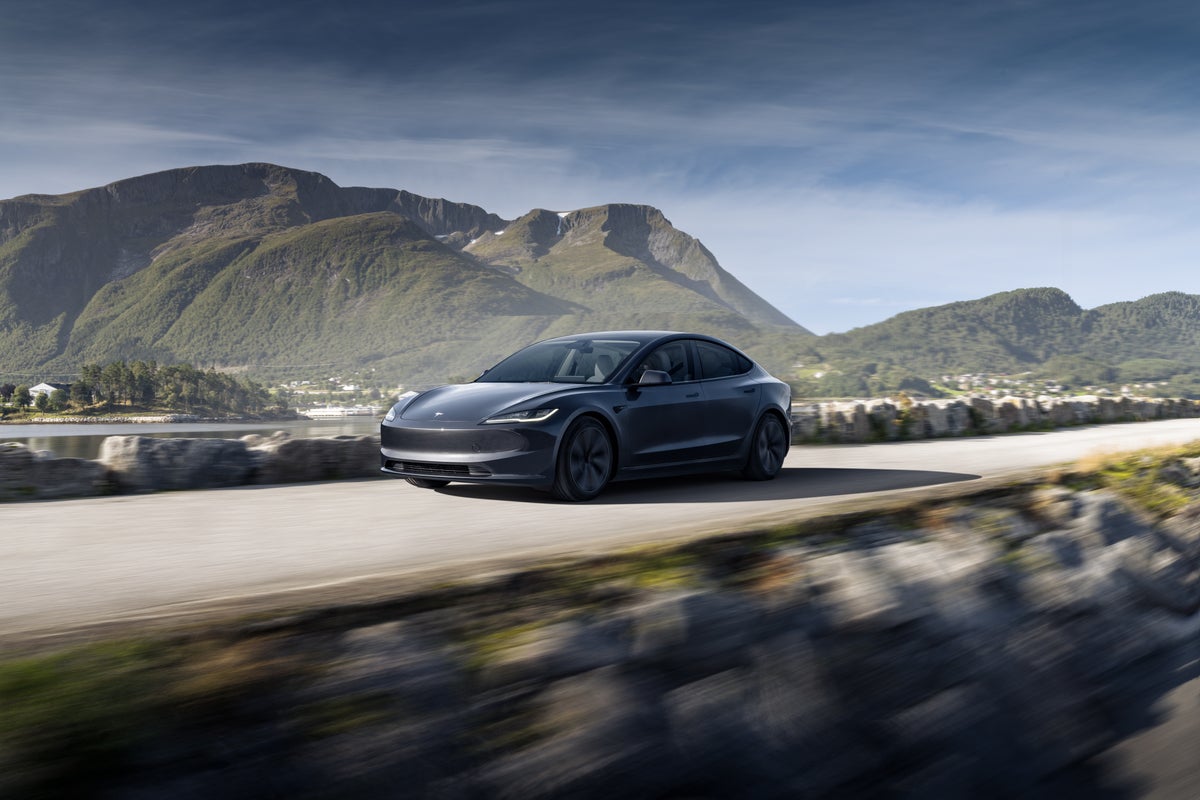
Tesla Q2 Delivery Estimates Raised Amid Challenges

- Analyst Estimates Raised: RBC, UBS, and Goldman Sachs project Tesla's Q2 deliveries to exceed 400,000 units, reflecting optimism about improving sales trends despite a 14% year-over-year decline from last year's 384,122 deliveries, indicating challenges during the company's transition.
- Impact of New Models: Tesla's discontinuation of Model S and X production in Q2 is seen as a strategic shift towards robotaxi and humanoid robot initiatives, which may pressure traditional vehicle sales, highlighting the company's balancing act between technological innovation and market demand.
- Market Sentiment Volatility: Investor sentiment has been affected by the NHTSA probe into a fatal Tesla crash, leading to a 6% drop in TSLA shares on Tuesday, reflecting uncertainty about the company's future performance, even as analysts remain optimistic about Q2 delivery expectations.
- Retail Investor Reactions: On Stocktwits, retail sentiment around TSLA remains in the 'extremely bearish' territory, with low message volume, yet discussions surged by 493% over the past 30 days, indicating investor concerns about the safety of Tesla's full self-driving technology.
See More
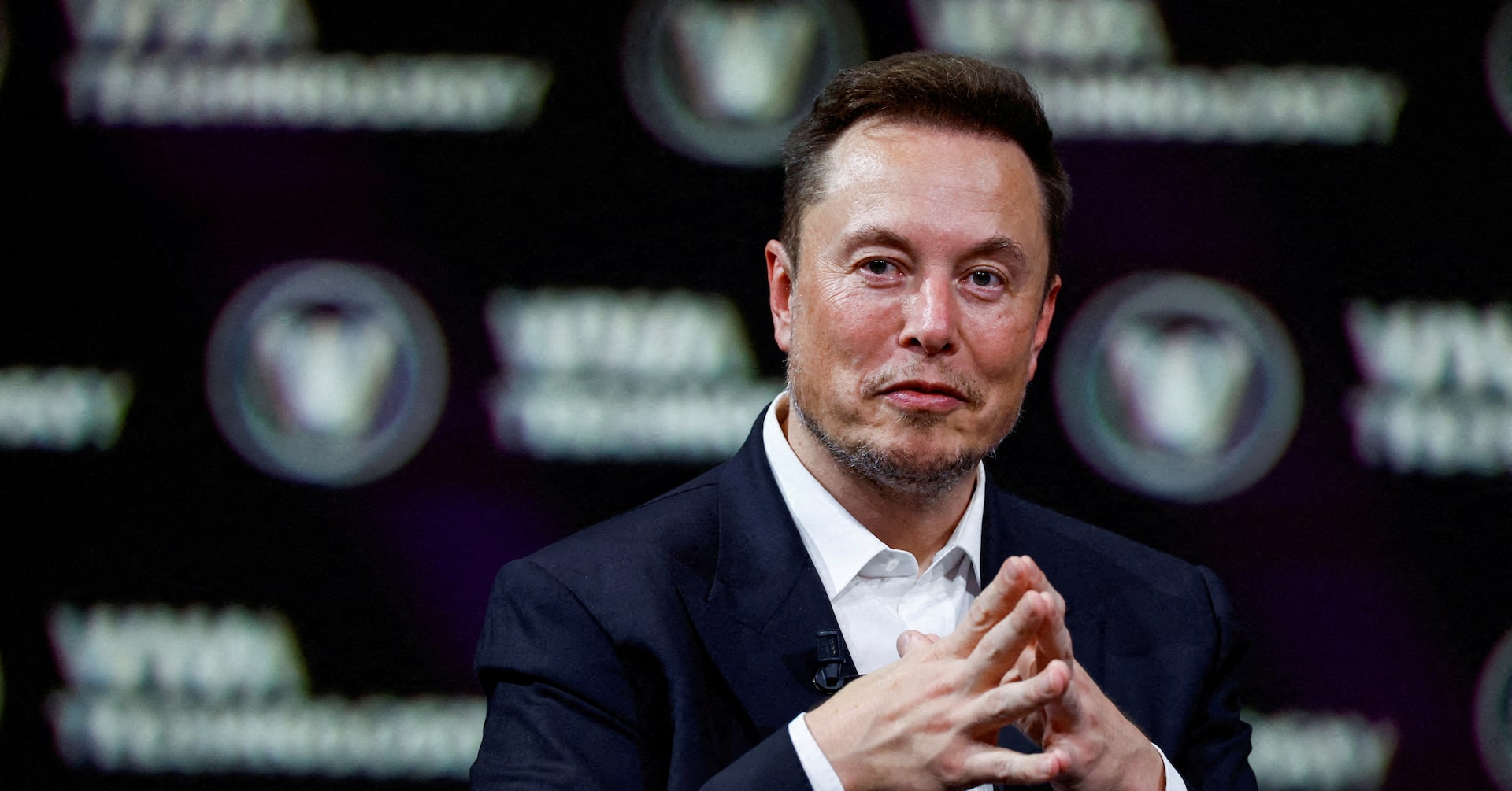
Finland May Approve Tesla's Self-Driving System Ahead of EU Decision
- Finland's Regulatory Update: Finland's transport authority indicated that it may approve Tesla's self-driving assistance system earlier than the anticipated EU-wide decision, paving the way for Tesla's further expansion in the European market.
- Netherlands' Lead Approval: The Netherlands became the first European country to grant provisional approval for Tesla's Full Self-Driving (FSD) system in April, marking a significant advancement for Tesla in Europe and potentially prompting other countries to follow suit.
- Cautious Reception Elsewhere: Countries like Estonia and Belgium have also allowed the technology, although some regulators have expressed caution regarding its safety, which may influence Tesla's promotional strategies in these markets.
- EU-Wide Rollout Potential: Should a qualified majority of member states support it, Tesla's FSD system could see a broader rollout across the EU, positively impacting Tesla's market share and future growth prospects.
See More
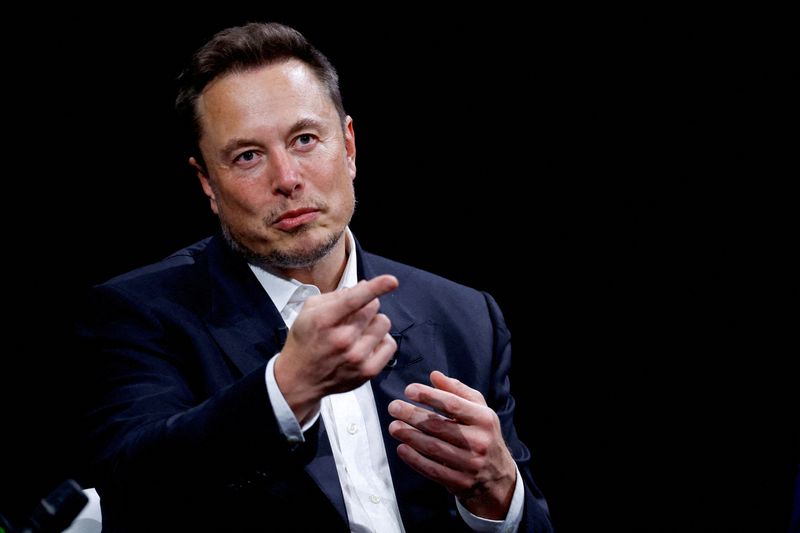
Rio Tinto Expects Rapid Growth in Lithium Business

- Lithium Production Goals: Rio Tinto aims to increase its lithium production capacity to 200,000 metric tons by 2028, with a target of at least 61,000 metric tons this year, reflecting the company's commitment to the lithium market and its growth potential in the electric vehicle and battery storage sectors.
- Acquisition Integration Progress: Following last year's acquisition of U.S.-based Arcadium, Rio has gained access to mines and processing facilities across four continents, and despite facing challenges from falling lithium prices, the company is integrating these assets to enhance its market competitiveness, particularly in partnerships with customers like Tesla.
- Low-Cost Asset Development: Rio is opening new mines in Argentina and Canada to ensure economic viability even if prices drop, indicating a long-term strategic positioning in the lithium market that prioritizes sustainable operations.
- Investment in Direct Lithium Extraction: Much of Rio's growth will hinge on investments in direct lithium extraction technology, with expectations to launch related projects in the coming years; while not aiming to be the largest lithium producer globally, Rio seeks to establish long-term relationships with customers through high-quality assets.
See More

Cathie Wood Goes All In on SpaceX IPO

- Record IPO Success: SpaceX completed the largest initial public offering in history on June 12, raising $85.7 billion, exceeding expectations and demonstrating strong market confidence in its future growth potential.
- Portfolio Heavyweight: Cathie Wood increased her holdings in SpaceX on its first trading day across four of her funds, with the company representing over 9% in Ark Space & Defense Innovation, reflecting her strong belief in its long-term potential.
- Revenue Driver Analysis: Starlink serves as SpaceX's primary revenue source, generating $11.4 billion last year and contributing to a total revenue of $18 billion, showcasing its robust performance in the satellite internet market.
- Risks and Opportunities: While SpaceX presents an enticing investment outlook, it reported a net loss of $4.9 billion last year, prompting investors to carefully weigh the high risks against potential returns, especially as technology development remains in progress.
See More
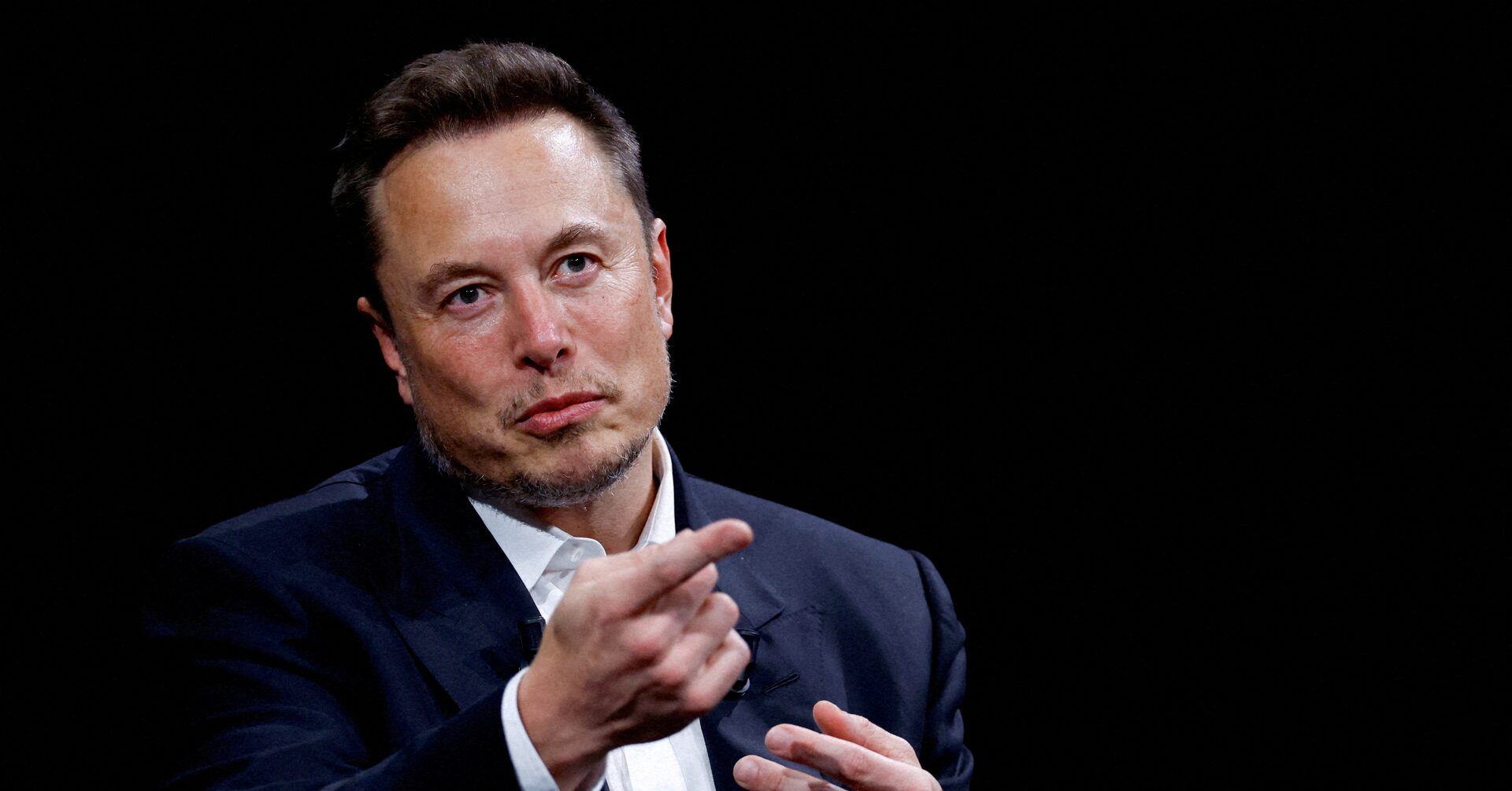
Cathie Wood Goes Big on SpaceX IPO
- Investment Strategy: Cathie Wood has shown strong support for innovative companies by investing in SpaceX through the Ark Venture Fund even before its IPO, and her significant share acquisition on the first trading day highlights her confidence in the company's potential.
- IPO Scale: SpaceX completed the largest IPO in history on June 12, raising up to $85.7 billion, which not only enhances the company's market position but also secures funding for future technological developments.
- Revenue Source: SpaceX's Starlink business generated $11.4 billion in revenue last year, accounting for 63% of total revenue, indicating strong performance in satellite internet connectivity and laying a foundation for long-term growth.
- Risk and Reward: Despite ambitious goals, SpaceX reported a net loss of $4.9 billion last year due to heavy investments, illustrating the high-risk, high-reward nature of the investment, and suggesting that investors should cautiously increase their holdings within a diversified portfolio.
See More
SpaceX Challenges the Status of the Magnificent Seven

- Market Value Comparison: SpaceX briefly surpassed Microsoft and Amazon in market cap during its public debut, and despite a 31% drop from its peak, it remains the seventh-most valuable company globally at approximately $2 trillion, surpassing Tesla and Meta, highlighting its strong competitive position in commercial space.
- AI-Driven Growth: Analysts forecast that SpaceX's revenue will reach $330 billion by 2030, with 57% expected to come from AI, indicating that its investments in AI will be a major driver of future revenue growth, especially following its merger with xAI.
- Capital Expenditure Plans: Tesla plans to invest $25 billion this year in humanoid robots and autonomous taxis, while SpaceX is building a Gigasat factory in Texas aimed at high-volume production of AI data center satellites, showcasing differing strategic focuses in technology investments.
- Changing Competitive Landscape: While Tesla faces fierce competition in the electric vehicle market from companies like Waymo, SpaceX has virtually no true rivals in the commercial space launch sector, providing it with a unique advantage for future market expansion.
See More
Tesla Q2 Delivery Estimates Raised Amid Challenges
- Analyst Estimates Raised: RBC, UBS, and Goldman Sachs project Tesla's Q2 deliveries to exceed 400,000 units, reflecting optimism about improving sales trends despite a 14% year-over-year decline from last year's 384,122 deliveries, indicating challenges during the company's transition.
- Impact of New Models: Tesla's discontinuation of Model S and X production in Q2 is seen as a strategic shift towards robotaxi and humanoid robot initiatives, which may pressure traditional vehicle sales, highlighting the company's balancing act between technological innovation and market demand.
- Market Sentiment Volatility: Investor sentiment has been affected by the NHTSA probe into a fatal Tesla crash, leading to a 6% drop in TSLA shares on Tuesday, reflecting uncertainty about the company's future performance, even as analysts remain optimistic about Q2 delivery expectations.
- Retail Investor Reactions: On Stocktwits, retail sentiment around TSLA remains in the 'extremely bearish' territory, with low message volume, yet discussions surged by 493% over the past 30 days, indicating investor concerns about the safety of Tesla's full self-driving technology.
See More
Finland May Approve Tesla's Self-Driving System Ahead of EU Decision
- Finland's Regulatory Update: Finland's transport authority indicated that it may approve Tesla's self-driving assistance system earlier than the anticipated EU-wide decision, paving the way for Tesla's further expansion in the European market.
- Netherlands' Lead Approval: The Netherlands became the first European country to grant provisional approval for Tesla's Full Self-Driving (FSD) system in April, marking a significant advancement for Tesla in Europe and potentially prompting other countries to follow suit.
- Cautious Reception Elsewhere: Countries like Estonia and Belgium have also allowed the technology, although some regulators have expressed caution regarding its safety, which may influence Tesla's promotional strategies in these markets.
- EU-Wide Rollout Potential: Should a qualified majority of member states support it, Tesla's FSD system could see a broader rollout across the EU, positively impacting Tesla's market share and future growth prospects.
See More
Rio Tinto Expects Rapid Growth in Lithium Business
- Lithium Production Goals: Rio Tinto aims to increase its lithium production capacity to 200,000 metric tons by 2028, with a target of at least 61,000 metric tons this year, reflecting the company's commitment to the lithium market and its growth potential in the electric vehicle and battery storage sectors.
- Acquisition Integration Progress: Following last year's acquisition of U.S.-based Arcadium, Rio has gained access to mines and processing facilities across four continents, and despite facing challenges from falling lithium prices, the company is integrating these assets to enhance its market competitiveness, particularly in partnerships with customers like Tesla.
- Low-Cost Asset Development: Rio is opening new mines in Argentina and Canada to ensure economic viability even if prices drop, indicating a long-term strategic positioning in the lithium market that prioritizes sustainable operations.
- Investment in Direct Lithium Extraction: Much of Rio's growth will hinge on investments in direct lithium extraction technology, with expectations to launch related projects in the coming years; while not aiming to be the largest lithium producer globally, Rio seeks to establish long-term relationships with customers through high-quality assets.
See More
Cathie Wood Goes All In on SpaceX IPO
- Record IPO Success: SpaceX completed the largest initial public offering in history on June 12, raising $85.7 billion, exceeding expectations and demonstrating strong market confidence in its future growth potential.
- Portfolio Heavyweight: Cathie Wood increased her holdings in SpaceX on its first trading day across four of her funds, with the company representing over 9% in Ark Space & Defense Innovation, reflecting her strong belief in its long-term potential.
- Revenue Driver Analysis: Starlink serves as SpaceX's primary revenue source, generating $11.4 billion last year and contributing to a total revenue of $18 billion, showcasing its robust performance in the satellite internet market.
- Risks and Opportunities: While SpaceX presents an enticing investment outlook, it reported a net loss of $4.9 billion last year, prompting investors to carefully weigh the high risks against potential returns, especially as technology development remains in progress.
See More
Cathie Wood Goes Big on SpaceX IPO
- Investment Strategy: Cathie Wood has shown strong support for innovative companies by investing in SpaceX through the Ark Venture Fund even before its IPO, and her significant share acquisition on the first trading day highlights her confidence in the company's potential.
- IPO Scale: SpaceX completed the largest IPO in history on June 12, raising up to $85.7 billion, which not only enhances the company's market position but also secures funding for future technological developments.
- Revenue Source: SpaceX's Starlink business generated $11.4 billion in revenue last year, accounting for 63% of total revenue, indicating strong performance in satellite internet connectivity and laying a foundation for long-term growth.
- Risk and Reward: Despite ambitious goals, SpaceX reported a net loss of $4.9 billion last year due to heavy investments, illustrating the high-risk, high-reward nature of the investment, and suggesting that investors should cautiously increase their holdings within a diversified portfolio.
See More
SpaceX Challenges the Status of the Magnificent Seven
- Market Value Comparison: SpaceX briefly surpassed Microsoft and Amazon in market cap during its public debut, and despite a 31% drop from its peak, it remains the seventh-most valuable company globally at approximately $2 trillion, surpassing Tesla and Meta, highlighting its strong competitive position in commercial space.
- AI-Driven Growth: Analysts forecast that SpaceX's revenue will reach $330 billion by 2030, with 57% expected to come from AI, indicating that its investments in AI will be a major driver of future revenue growth, especially following its merger with xAI.
- Capital Expenditure Plans: Tesla plans to invest $25 billion this year in humanoid robots and autonomous taxis, while SpaceX is building a Gigasat factory in Texas aimed at high-volume production of AI data center satellites, showcasing differing strategic focuses in technology investments.
- Changing Competitive Landscape: While Tesla faces fierce competition in the electric vehicle market from companies like Waymo, SpaceX has virtually no true rivals in the commercial space launch sector, providing it with a unique advantage for future market expansion.
See More