

SpaceX IPO Set to Break Records
Written by Emily J. Thompson, Senior Investment Analyst
Updated: 1 hour ago
0mins

Source: Fool
- Record-Setting IPO: SpaceX plans to issue approximately 555.6 million shares at $135 each, aiming to raise $75 billion, which would value the company at about $1.8 trillion, marking the largest IPO in history.
- Nasdaq Rule Changes: In anticipation of SpaceX's debut, Nasdaq revised its inclusion criteria for the Nasdaq-100, eliminating the 10% float requirement and shortening the inclusion timeline to 15 trading days, which will lead to significant stock purchases in the weeks following the IPO.
- Strong Investor Demand: The SpaceX IPO has already been oversubscribed, indicating robust market demand, even though its float represents only 4% of total shares, suggesting that index funds will acquire a substantial portion, artificially inflating the stock price in the short term.
- Insider Selling Risks: SpaceX has implemented a staggered lockup period, allowing insiders to sell shares shortly after the IPO, which could lead to significant price volatility and pose risks for retail investors as they may face a wealth transfer to company insiders.
Trade with 70% Backtested Accuracy
Stop guessing "Should I Buy TSLA?" and start using high-conviction signals backed by rigorous historical data.
Sign up today to access powerful investing tools and make smarter, data-driven decisions.
Analyst Views on TSLA
Wall Street analysts forecast TSLA stock price to fall
30 Analyst Rating
12 Buy
11 Hold
7 Sell
Hold
Current: 408.950

Low
25.28
Averages
401.93
High
600.00
Current: 408.950
Low
25.28
Averages
401.93
High
600.00
About TSLA
Tesla, Inc. designs, develops, manufactures, sells and leases high-performance fully electric vehicles and energy generation and storage systems, and offers services related to its products. Its segments include automotive, and energy generation and storage. The automotive segment includes the design, development, manufacturing, sales and leasing of high-performance fully electric vehicles, and sales of automotive regulatory credits. It also includes sales of used vehicles, non-warranty maintenance services and collisions, part sales, paid supercharging, insurance services revenue and retail merchandise sales. The energy generation and storage segment include the design, manufacture, installation, sales and leasing of solar energy generation and energy storage products and related services and sales of solar energy systems incentives. Its consumer vehicles include the Model 3, Y, S, X and Cybertruck. Its lithium-ion battery energy storage products include Powerwall and Megapack.
About the author

Emily J. Thompson
Emily J. Thompson, a Chartered Financial Analyst (CFA) with 12 years in investment research, graduated with honors from the Wharton School. Specializing in industrial and technology stocks, she provides in-depth analysis for Intellectia’s earnings and market brief reports.
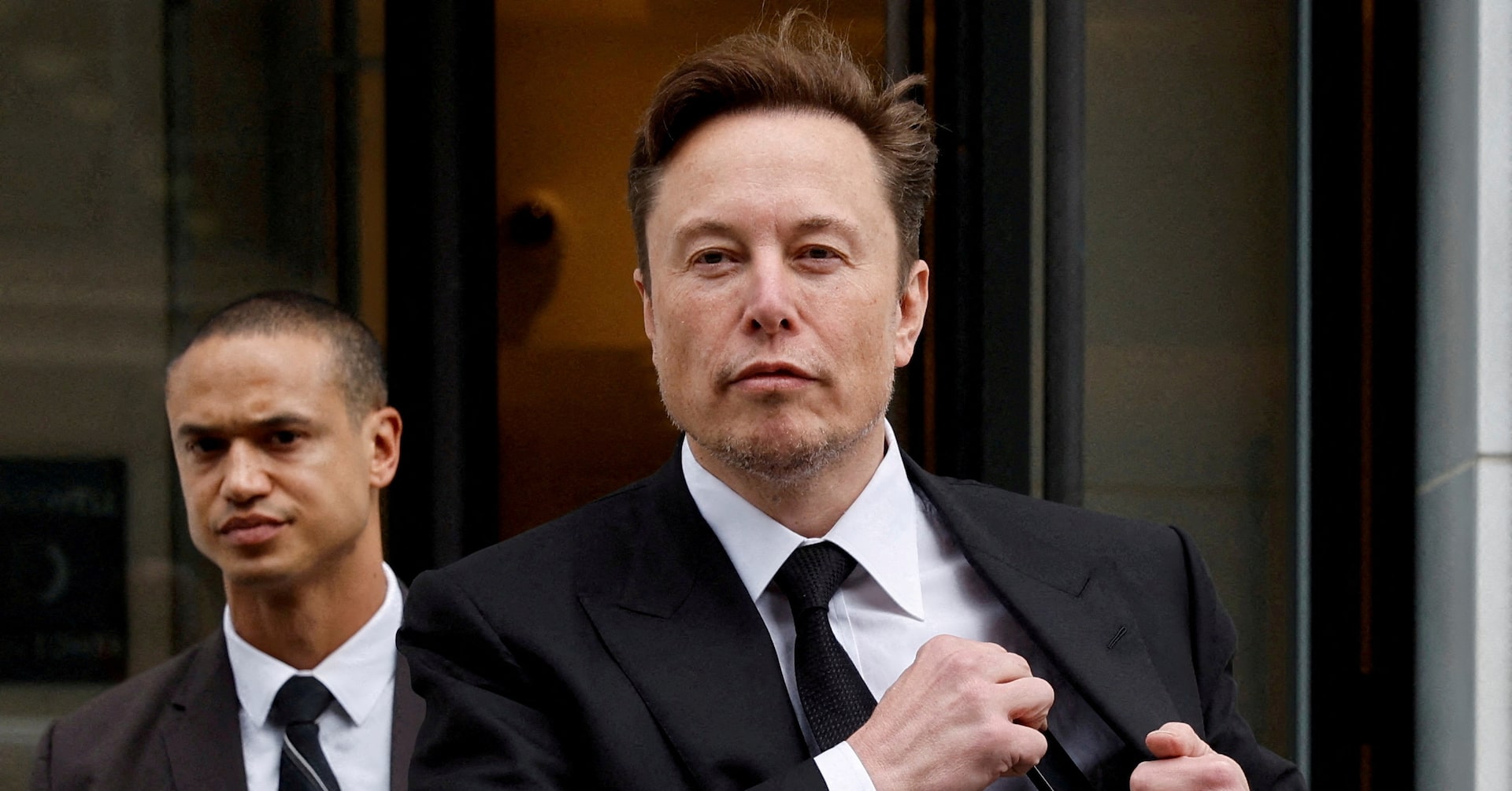
SpaceX Sets Record $135 IPO Valuation at $1.77 Trillion

- Record IPO: SpaceX's debut at $135 per share raises $75 billion, marking the largest IPO in history with a market valuation of approximately $1.77 trillion, reflecting strong investor confidence in its growth potential.
- Key Technology Development: The company's future hinges on the successful development of its fully reusable Starship rocket, which is expected to significantly reduce launch costs, making orbital data centers viable and potentially generating hundreds of billions in annual revenue.
- Massive Market Potential: SpaceX estimates a total addressable market of $28.5 trillion in its SEC filing, indicating substantial upside for shareholders if the company can successfully develop its technology and capture market share, despite facing significant challenges.
- Analyst Optimism: Morningstar analysts project that if Starship is operational by 2028, SpaceX could capture one-fifth of the AI infrastructure market by 2040, with expectations of generating $225 billion in annual revenue by 2035, highlighting a robust growth outlook.
See More
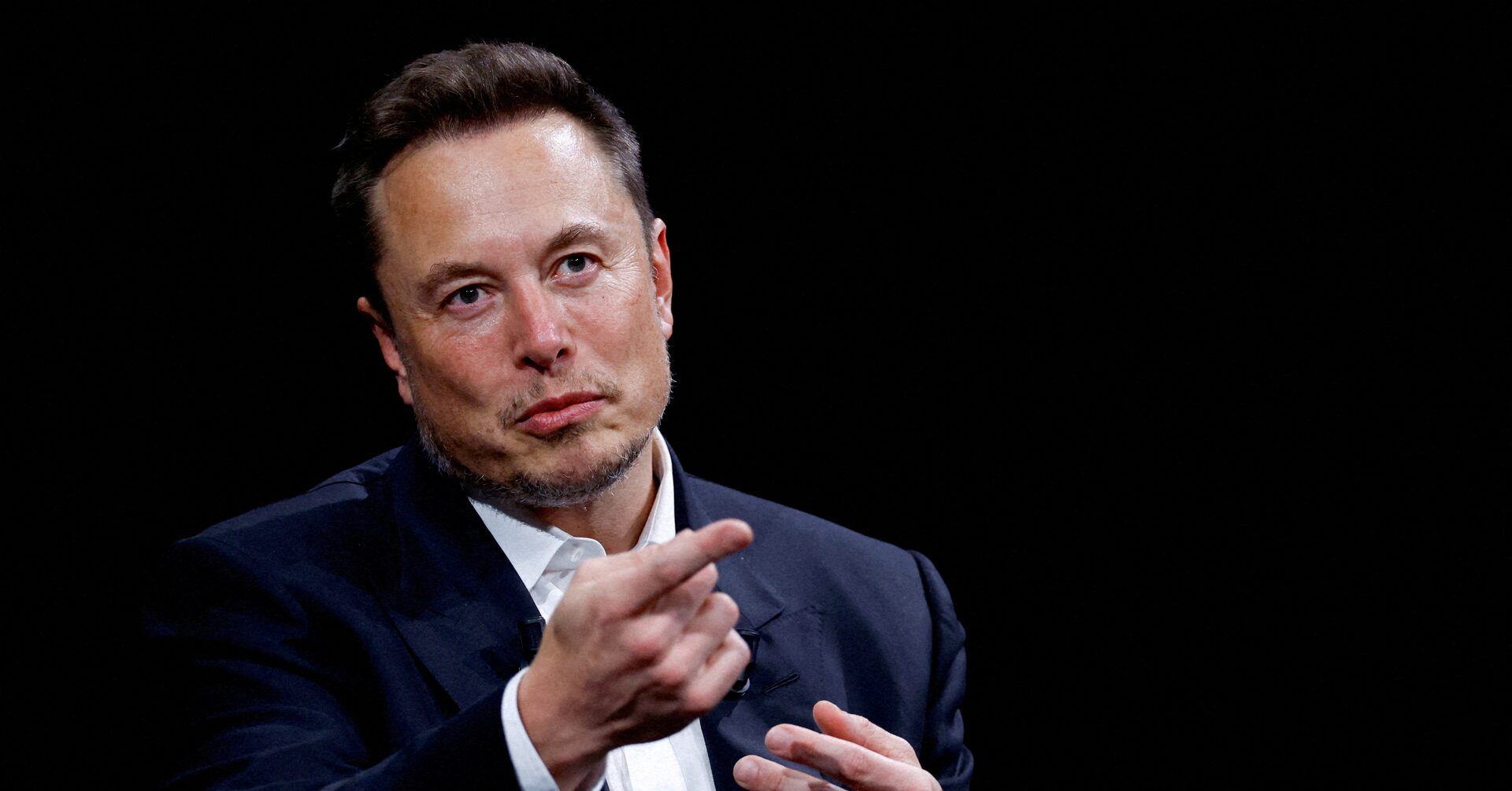
SpaceX IPO: Market Potential and Risks
- Market Size Analysis: SpaceX claims a total addressable market of $28.5 trillion, with $26.5 trillion attributed to artificial intelligence, highlighting the company's immense potential in future technologies while also reflecting a heavy reliance on AI development.
- Profitability Source: Currently, SpaceX's only profitable division is its Starlink internet service, valued at $1.6 trillion, which, although not fully realized, provides a stable cash flow support for the company.
- Importance of Rocket Launches: While many of SpaceX's future growth opportunities are closely tied to rocket launches, the IPO prospectus warns that the successful development and scaling of the Starship rocket is critical to executing its growth strategy, with any delays potentially impacting the company's future financial condition.
- Competitive Advantage and Challenges: SpaceX's leading position in the rocket launch sector gives it a dominant market share; however, CEO Elon Musk's history of hinging growth on single product success indicates significant risks, necessitating careful evaluation of potential challenges and returns by investors.
See More
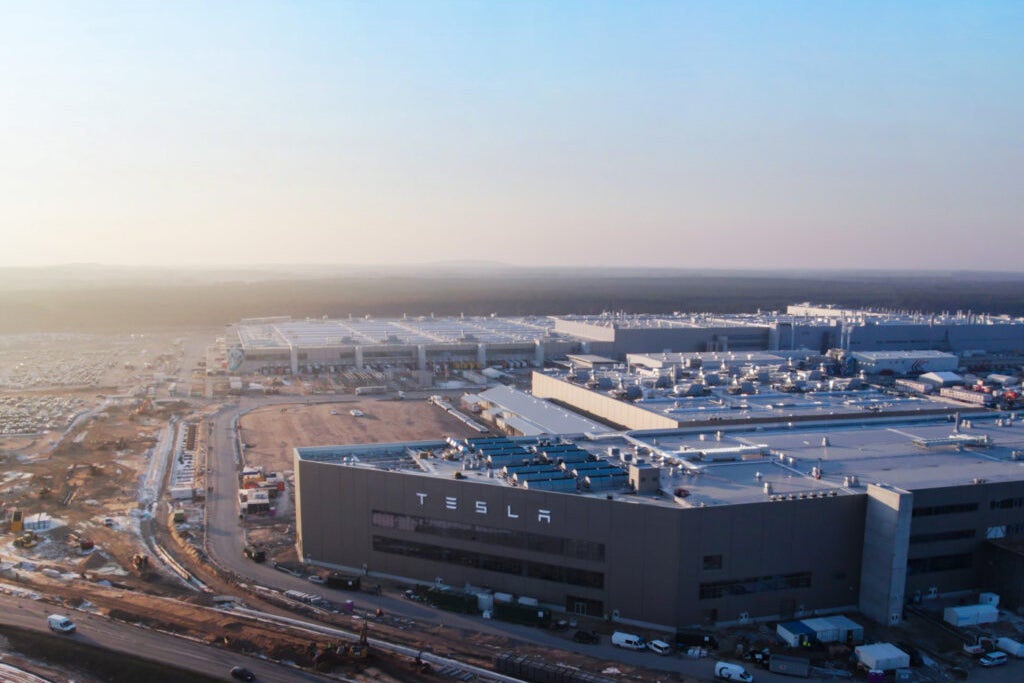
SpaceX IPO Set to Break Records

- Record-Setting IPO: SpaceX plans to issue approximately 555.6 million shares at $135 each, aiming to raise $75 billion, which would value the company at about $1.8 trillion, marking the largest IPO in history.
- Nasdaq Rule Changes: In anticipation of SpaceX's debut, Nasdaq revised its inclusion criteria for the Nasdaq-100, eliminating the 10% float requirement and shortening the inclusion timeline to 15 trading days, which will lead to significant stock purchases in the weeks following the IPO.
- Strong Investor Demand: The SpaceX IPO has already been oversubscribed, indicating robust market demand, even though its float represents only 4% of total shares, suggesting that index funds will acquire a substantial portion, artificially inflating the stock price in the short term.
- Insider Selling Risks: SpaceX has implemented a staggered lockup period, allowing insiders to sell shares shortly after the IPO, which could lead to significant price volatility and pose risks for retail investors as they may face a wealth transfer to company insiders.
See More
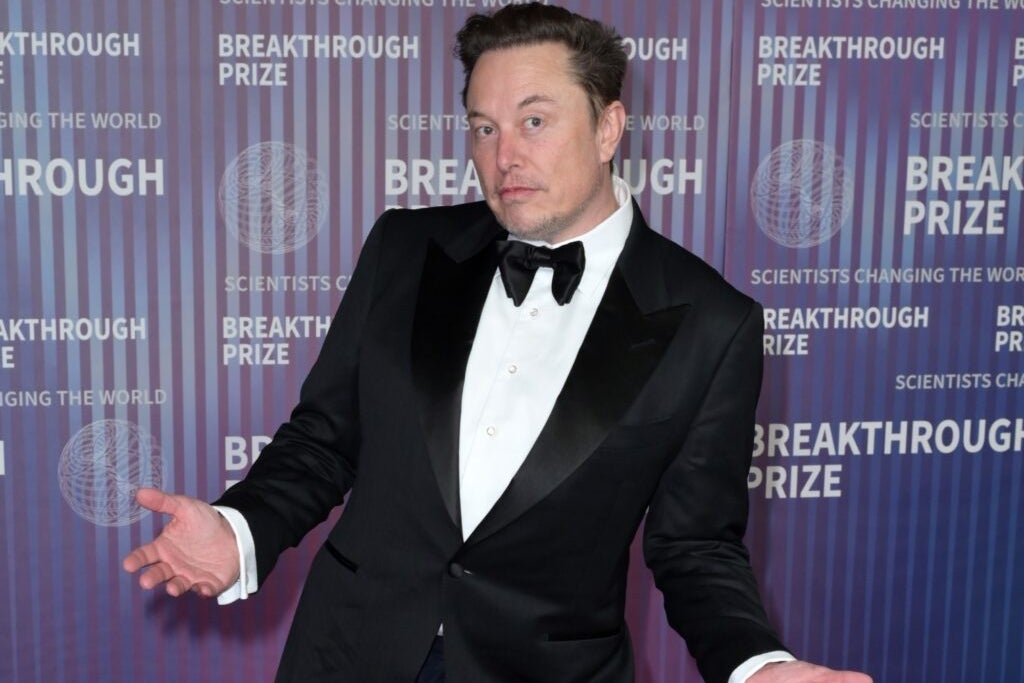
SpaceX IPO Warning: Potential Share Dilution Ahead
- Dilution Risk: SpaceX's amended S-1 filing warns of potentially issuing a significant amount of equity for future transactions, signaling investors to be cautious about share dilution risks that could impact existing shareholders' rights.
- Acquisition Uncertainty: The company recently acquired Musk's AI firm xAI and plans to acquire AI startup Cursor for $60 billion, yet the success of these transactions remains uncertain, potentially straining the company's financial position.
- Tesla Merger Speculation: Analysts speculate that SpaceX's revised disclosure hints at a potential acquisition of electric vehicle maker Tesla, which would involve massive share dilution given Tesla's market cap of approximately $1.3 trillion, significantly affecting SpaceX's IPO valuation.
- Governance Concerns: Musk will retain 82.4% voting power post-IPO, allowing him to push forward acquisition plans without needing other shareholders' consent, raising concerns about governance structures and the associated risks for investors.
See More
SpaceX IPO Set to Raise Record $75 Billion
- Record IPO Size: SpaceX is set to go public on June 12, aiming to raise $75 billion, which would make it the largest initial public offering (IPO) in history, reflecting strong market confidence in its future potential with a valuation of approximately $1.8 trillion.
- Low Float Limitation: The IPO will sell approximately 555.6 million shares, representing just over 4% of its outstanding shares, significantly lower than the typical 10% to 20%, which will lead index funds to buy a substantial amount of SpaceX stock in the weeks following its debut, artificially inflating the share price.
- Lockup Period Structure: SpaceX has broken from tradition by implementing a staggered lockup period, where while Musk cannot sell shares for 366 days, other insiders will be able to start selling after the first quarterly report in August, posing a risk of significant wealth transfer from retail investors.
- Financial Performance Concerns: Despite SpaceX's valuation of $1.77 trillion, it reported a net loss of $4.9 billion last year, and its price-to-sales ratio of 95 far exceeds sustainable levels in the industry, prompting investors to be cautious about its future financial performance potentially falling short of expectations.
See More

SpaceX IPO Warning: Potential for Significant Share Dilution
- Dilution Risk: SpaceX's amended IPO filing includes a warning about potentially issuing a 'significant amount of equity,' indicating that existing shareholders may face dilution, which investors should be wary of.
- Acquisition Uncertainty: The mention of future transactions raises concerns about dilution, particularly following SpaceX's acquisitions of Musk's AI company xAI and the planned $60 billion acquisition of Cursor, where the success of these deals will directly impact the company's financial health.
- Tesla Merger Speculation: Analysts speculate that SpaceX's warning may hint at a potential acquisition of electric vehicle maker Tesla, which would involve a massive issuance of new shares, significantly affecting existing shareholders.
- Governance Concerns: While Musk will retain 82.4% voting power post-IPO, this raises concerns about shareholder rights, prompting investors to carefully assess governance risks before investing.
See More
SpaceX Sets Record $135 IPO Valuation at $1.77 Trillion
- Record IPO: SpaceX's debut at $135 per share raises $75 billion, marking the largest IPO in history with a market valuation of approximately $1.77 trillion, reflecting strong investor confidence in its growth potential.
- Key Technology Development: The company's future hinges on the successful development of its fully reusable Starship rocket, which is expected to significantly reduce launch costs, making orbital data centers viable and potentially generating hundreds of billions in annual revenue.
- Massive Market Potential: SpaceX estimates a total addressable market of $28.5 trillion in its SEC filing, indicating substantial upside for shareholders if the company can successfully develop its technology and capture market share, despite facing significant challenges.
- Analyst Optimism: Morningstar analysts project that if Starship is operational by 2028, SpaceX could capture one-fifth of the AI infrastructure market by 2040, with expectations of generating $225 billion in annual revenue by 2035, highlighting a robust growth outlook.
See More
SpaceX IPO: Market Potential and Risks
- Market Size Analysis: SpaceX claims a total addressable market of $28.5 trillion, with $26.5 trillion attributed to artificial intelligence, highlighting the company's immense potential in future technologies while also reflecting a heavy reliance on AI development.
- Profitability Source: Currently, SpaceX's only profitable division is its Starlink internet service, valued at $1.6 trillion, which, although not fully realized, provides a stable cash flow support for the company.
- Importance of Rocket Launches: While many of SpaceX's future growth opportunities are closely tied to rocket launches, the IPO prospectus warns that the successful development and scaling of the Starship rocket is critical to executing its growth strategy, with any delays potentially impacting the company's future financial condition.
- Competitive Advantage and Challenges: SpaceX's leading position in the rocket launch sector gives it a dominant market share; however, CEO Elon Musk's history of hinging growth on single product success indicates significant risks, necessitating careful evaluation of potential challenges and returns by investors.
See More
SpaceX IPO Set to Break Records
- Record-Setting IPO: SpaceX plans to issue approximately 555.6 million shares at $135 each, aiming to raise $75 billion, which would value the company at about $1.8 trillion, marking the largest IPO in history.
- Nasdaq Rule Changes: In anticipation of SpaceX's debut, Nasdaq revised its inclusion criteria for the Nasdaq-100, eliminating the 10% float requirement and shortening the inclusion timeline to 15 trading days, which will lead to significant stock purchases in the weeks following the IPO.
- Strong Investor Demand: The SpaceX IPO has already been oversubscribed, indicating robust market demand, even though its float represents only 4% of total shares, suggesting that index funds will acquire a substantial portion, artificially inflating the stock price in the short term.
- Insider Selling Risks: SpaceX has implemented a staggered lockup period, allowing insiders to sell shares shortly after the IPO, which could lead to significant price volatility and pose risks for retail investors as they may face a wealth transfer to company insiders.
See More
SpaceX IPO Warning: Potential Share Dilution Ahead
- Dilution Risk: SpaceX's amended S-1 filing warns of potentially issuing a significant amount of equity for future transactions, signaling investors to be cautious about share dilution risks that could impact existing shareholders' rights.
- Acquisition Uncertainty: The company recently acquired Musk's AI firm xAI and plans to acquire AI startup Cursor for $60 billion, yet the success of these transactions remains uncertain, potentially straining the company's financial position.
- Tesla Merger Speculation: Analysts speculate that SpaceX's revised disclosure hints at a potential acquisition of electric vehicle maker Tesla, which would involve massive share dilution given Tesla's market cap of approximately $1.3 trillion, significantly affecting SpaceX's IPO valuation.
- Governance Concerns: Musk will retain 82.4% voting power post-IPO, allowing him to push forward acquisition plans without needing other shareholders' consent, raising concerns about governance structures and the associated risks for investors.
See More
SpaceX IPO Set to Raise Record $75 Billion
- Record IPO Size: SpaceX is set to go public on June 12, aiming to raise $75 billion, which would make it the largest initial public offering (IPO) in history, reflecting strong market confidence in its future potential with a valuation of approximately $1.8 trillion.
- Low Float Limitation: The IPO will sell approximately 555.6 million shares, representing just over 4% of its outstanding shares, significantly lower than the typical 10% to 20%, which will lead index funds to buy a substantial amount of SpaceX stock in the weeks following its debut, artificially inflating the share price.
- Lockup Period Structure: SpaceX has broken from tradition by implementing a staggered lockup period, where while Musk cannot sell shares for 366 days, other insiders will be able to start selling after the first quarterly report in August, posing a risk of significant wealth transfer from retail investors.
- Financial Performance Concerns: Despite SpaceX's valuation of $1.77 trillion, it reported a net loss of $4.9 billion last year, and its price-to-sales ratio of 95 far exceeds sustainable levels in the industry, prompting investors to be cautious about its future financial performance potentially falling short of expectations.
See More
SpaceX IPO Warning: Potential for Significant Share Dilution
- Dilution Risk: SpaceX's amended IPO filing includes a warning about potentially issuing a 'significant amount of equity,' indicating that existing shareholders may face dilution, which investors should be wary of.
- Acquisition Uncertainty: The mention of future transactions raises concerns about dilution, particularly following SpaceX's acquisitions of Musk's AI company xAI and the planned $60 billion acquisition of Cursor, where the success of these deals will directly impact the company's financial health.
- Tesla Merger Speculation: Analysts speculate that SpaceX's warning may hint at a potential acquisition of electric vehicle maker Tesla, which would involve a massive issuance of new shares, significantly affecting existing shareholders.
- Governance Concerns: While Musk will retain 82.4% voting power post-IPO, this raises concerns about shareholder rights, prompting investors to carefully assess governance risks before investing.
See More





