SpaceX Confidentially Files for IPO, Valuation Exceeds $2 Trillion
Written by Emily J. Thompson, Senior Investment Analyst
Updated: Apr 08 2026
0mins
Source: Fool
- Massive IPO Potential: SpaceX has confidentially filed for an IPO aiming to raise up to $75 billion, with its valuation now exceeding $2 trillion, making it one of the most anticipated public offerings in the market, likely to attract significant investor interest.
- Investment Opportunity in EchoStar: Investors can gain indirect exposure to SpaceX by investing in EchoStar, whose stock price is closely tied to SpaceX's expectations, indicating potential future value despite challenges in its core operations.
- Impact of Spectrum Transactions: EchoStar's agreement to sell wireless spectrum licenses to SpaceX totals $17 billion, with half in cash and half in stock, which is expected to significantly enhance its future market value.
- Tax Burden and Business Challenges: While EchoStar anticipates gains from spectrum sales, its tax liabilities could reach $7 billion, coupled with declining revenues from its traditional business, necessitating careful evaluation of its future investment value.
Trade with 70% Backtested Accuracy
Stop guessing "Should I Buy SATS?" and start using high-conviction signals backed by rigorous historical data.
Sign up today to access powerful investing tools and make smarter, data-driven decisions.
Analyst Views on SATS
Wall Street analysts forecast SATS stock price to rise
5 Analyst Rating
3 Buy
2 Hold
0 Sell
Moderate Buy
Current: 123.120

Low
110.00
Averages
127.00
High
158.00
Current: 123.120
Low
110.00
Averages
127.00
High
158.00
About SATS
EchoStar Corporation is a holding company. The Company provides technology, networking services, television entertainment and connectivity, offering consumer, enterprise, operator and government solutions worldwide under its EchoStar, Boost Mobile, Sling TV, DISH TV, Hughes, HughesNet, HughesON, and JUPITER brands. The Company’s segments include Pay-TV, Wireless, Broadband and Satellite Services, and Other. Pay-TV segment offers services under the DISH brand and the SLING brand. Wireless segment offers nationwide wireless services to subscribers primarily under its Boost Mobile and Gen Mobile brands. Broadband and Satellite Services segment provides broadband network technologies, managed services, equipment, hardware, satellite services and communications solutions to government and enterprise customers. Other segment primarily consists of its legacy 5G Network and 5G Network deployment operations that are not utilized in the Wireless segment’s Hybrid MNO business.
About the author

Emily J. Thompson
Emily J. Thompson, a Chartered Financial Analyst (CFA) with 12 years in investment research, graduated with honors from the Wharton School. Specializing in industrial and technology stocks, she provides in-depth analysis for Intellectia’s earnings and market brief reports.

EchoStar's Spectrum Deal with SpaceX Could Be Worth Billions

- Spectrum Deal Value: EchoStar's agreement to sell 65 megahertz of wireless spectrum to SpaceX is initially valued at approximately $17 billion, with amended terms potentially raising the total to $20 billion, including up to $11 billion in SpaceX stock, highlighting the deal's significance for EchoStar's future cash flow.
- IPO Potential: With SpaceX's expected valuation nearing $2 trillion, EchoStar's equity stake could be worth about $31 billion, despite its traditional pay-TV business facing a loss of 366,000 subscribers, this deal provides new growth opportunities for investors.
- Financial Improvement: Although EchoStar's pay-TV business faced challenges in Q1 of fiscal 2026, the company has reduced its net loss and improved operating income before depreciation and amortization year-over-year, indicating resilience during its transition.
- High-Risk Investment: EchoStar's future depends not only on its core business performance but also on the value of its SpaceX stock, cash from spectrum sales, and its ability to repay debt, making it a high-risk, high-reward way for investors to gain early exposure to SpaceX.
See More

EU Allocates Mobile Satellite Spectrum to Non-European Firms

- New Spectrum Allocation: The European Commission announced that next year, non-European satellite operators like Elon Musk's Starlink and Amazon can bid for mobile satellite spectrum, but most frequencies will be reserved for European businesses, aiming to encourage new market entrants.
- Tech Sovereignty Push: This move reflects the EU's desire to enhance its technological sovereignty by supporting local tech players in response to China's technological rise and the dominance of U.S. tech giants, particularly amid escalating transatlantic tensions.
- Frequency Band Advantages: The 2 GHz frequency band is ideal for direct services, allowing users to bypass telecom providers, providing critical communication capabilities, and ensuring high-speed internet access in remote areas, thereby enhancing the resilience of the EU's communication networks.
- Government Use Assurance: The new allocation system reserves one-third of the mobile satellite spectrum for governmental use, including security and military applications, to be provided by an EU operator that will integrate with the EU's IRIS2 multi-orbit satellite array, ensuring the stability of critical communication services.
See More

EU Leaders Divided on Curbing Big Tech Access

- Tech Sovereignty Debate: EU leaders are divided on how to limit access for Big Tech, with some advocating for preferential treatment of local firms to enhance tech sovereignty, while others worry about potential backlash from Washington affecting transatlantic relations.
- Cloud Market Impact: The upcoming decision on cloud tenders set for June 3 is expected to temper the influence of U.S. firms like Amazon, Google, and Microsoft, which collectively hold a 63% share of the global cloud market, highlighting the competitive pressures facing the EU in digital services.
- Investment Gap Issue: According to Alba Ribera Martínez, editor-in-chief of the Stanford Computational Antitrust project, Europe faces a €1 trillion investment gap in cloud infrastructure, underscoring the region's vulnerabilities in the digital services landscape.
- Spectrum Allocation Reform: The EU will unveil a revised allocation process for mobile satellite spectrum on Wednesday, aimed at providing opportunities for European entrants like OVHCloud and Deutsche Telekom while limiting Starlink's expansion in Europe, reflecting a commitment to support local businesses.
See More
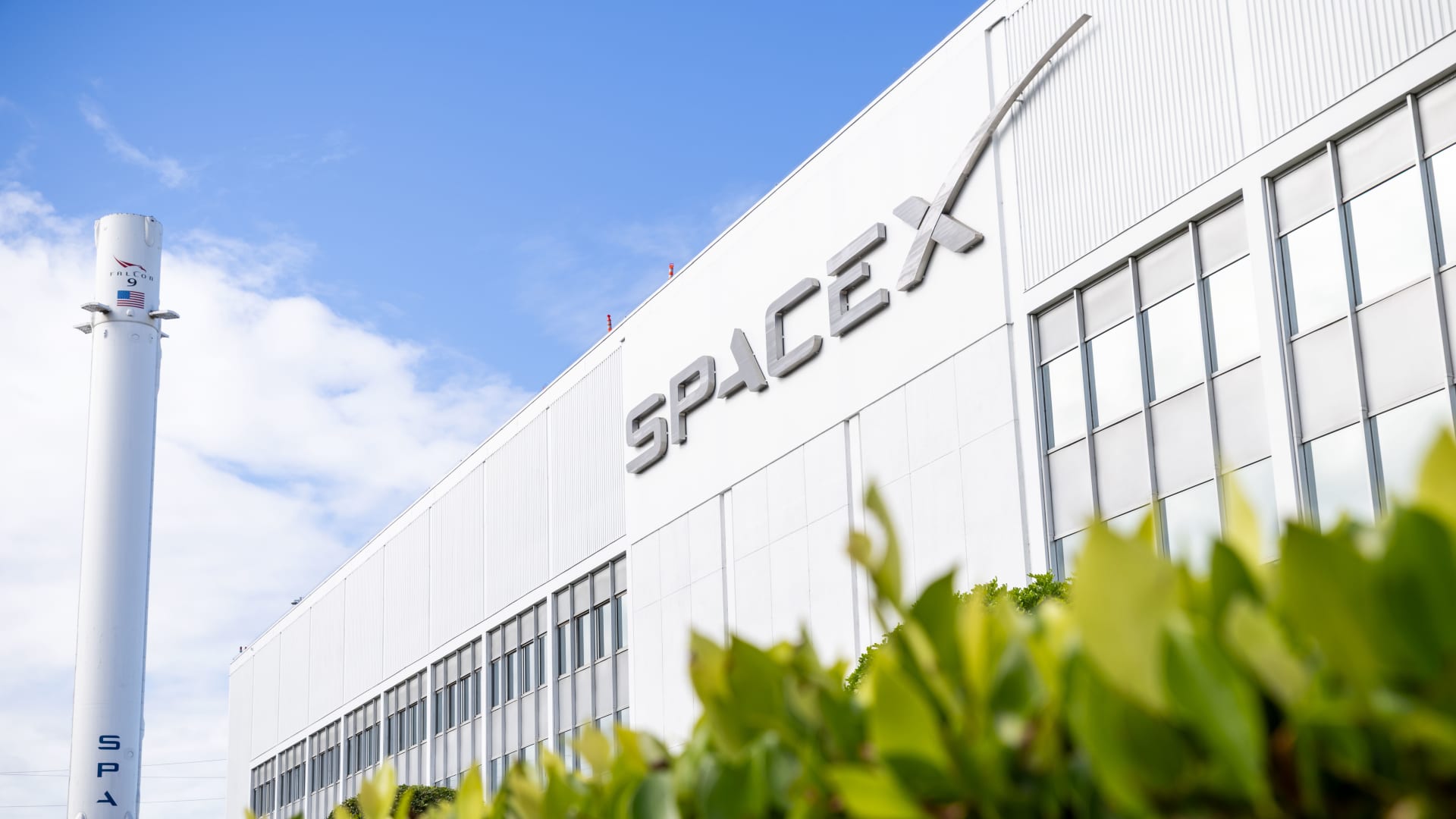
Space Stocks Surge Amid SpaceX IPO Enthusiasm

- Investor Enthusiasm: Following SpaceX's official IPO filing, retail investors are flocking to space stocks and ETFs, with expectations that this trillion-dollar IPO could become the largest in history, driving up related company stock prices.
- ETF Performance: The VanEck Space ETF (WARP) surged 24% in just five days, while the Procure Space ETF (UFO) is up about 65% year-to-date, reflecting strong market interest and confidence in the space economy.
- Direct Beneficiary Companies: Analysts highlight Rocket Lab's competitive position against SpaceX, which positions it to benefit from the
See More

EchoStar's Strategic Deal with SpaceX Ahead of IPO
- Increased Deal Value: EchoStar's agreement to sell 65 megahertz of wireless spectrum to SpaceX was initially valued at about $17 billion, but amended terms could raise it to approximately $20 billion, including up to $11 billion in SpaceX stock, reflecting strong confidence in future growth.
- Regulatory Approvals Boost: The FCC's approval in May 2026 for EchoStar's broader $40 billion spectrum sale to SpaceX and AT&T accelerates EchoStar's ability to receive cash and SpaceX stock, enhancing its financial flexibility.
- Improved Financials: Despite facing pressure in its legacy satellite TV business with a decline of about 366,000 pay-TV subscribers in Q1 2026, EchoStar has reduced its net loss and improved operating income before depreciation and amortization year-over-year, attracting investor interest in its spectrum proceeds and SpaceX equity stake.
- High-Risk, High-Reward: EchoStar's future depends not only on its core business performance but also on the value of its SpaceX stock, cash from spectrum sales, debt repayment capacity, and costs associated with shutting down parts of its wireless network, showcasing investment potential ahead of the SpaceX IPO.
See More
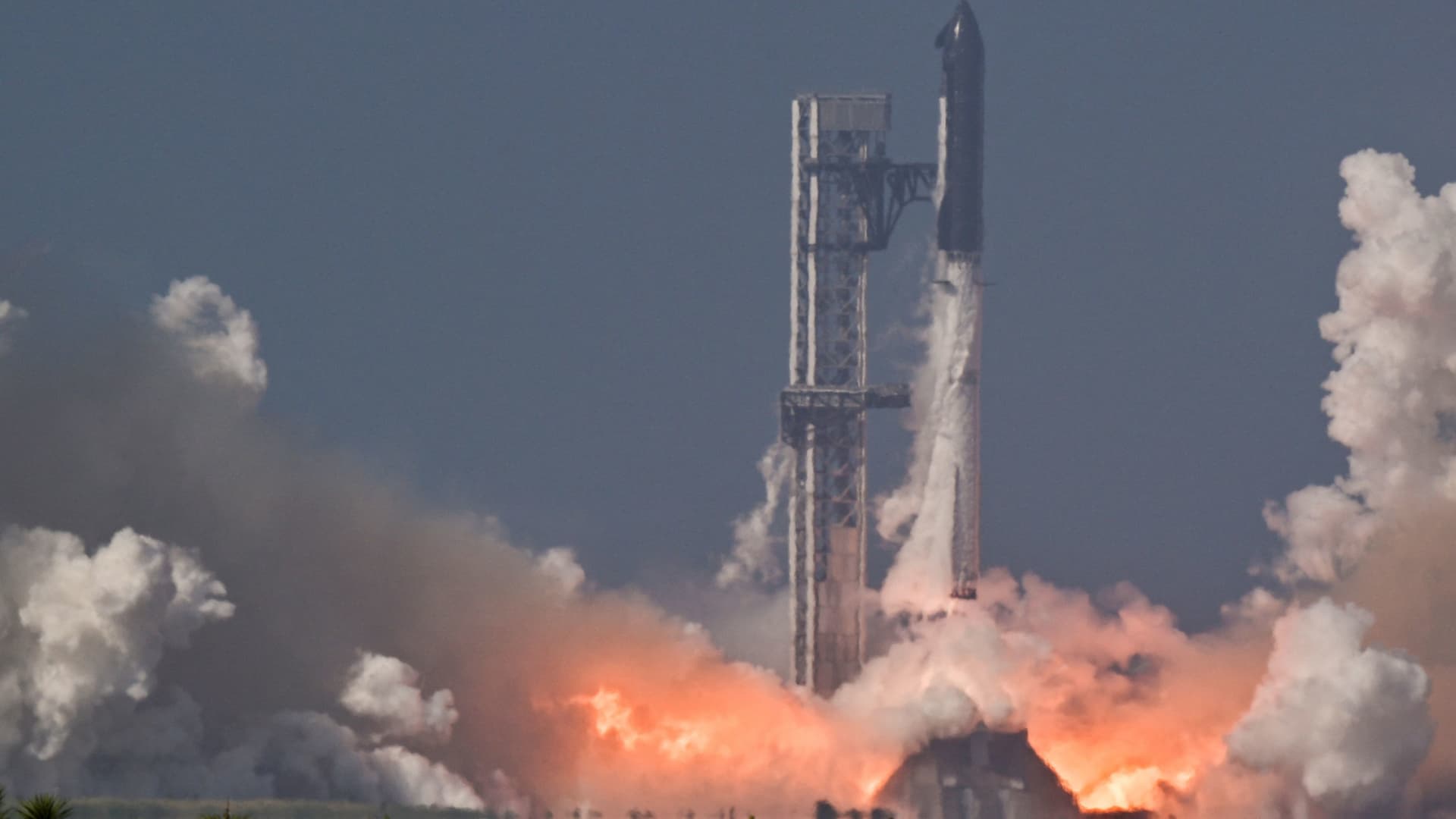
SpaceX Targets $1.75 Trillion Valuation for Upcoming IPO


- IPO Valuation Target: SpaceX is aiming for a staggering $1.75 trillion valuation upon its Nasdaq debut, positioning itself as one of the most valuable companies in the market and likely attracting significant investor interest.
- Diverse Revenue Streams: According to the latest S1 filing, SpaceX's 'Space' and 'Connectivity' segments generated over $4 billion in revenue in 2025, showcasing its strong market position in rocket launches and satellite internet services.
- Industry Classification Challenges: Given SpaceX's involvement in multiple sectors, MSCI and S&P face complexities in determining its final industry classification, which could place it in either the Communication Services or Industrials sector, impacting its appeal to investors.
- Future Growth Potential: Musk indicated that future AI computing will rely on solar-powered satellites in space, and SpaceX's innovative approach to data centers could enable it to achieve lower operational costs over time, thereby securing a more advantageous position in the market.
See More
EchoStar's Spectrum Deal with SpaceX Could Be Worth Billions
- Spectrum Deal Value: EchoStar's agreement to sell 65 megahertz of wireless spectrum to SpaceX is initially valued at approximately $17 billion, with amended terms potentially raising the total to $20 billion, including up to $11 billion in SpaceX stock, highlighting the deal's significance for EchoStar's future cash flow.
- IPO Potential: With SpaceX's expected valuation nearing $2 trillion, EchoStar's equity stake could be worth about $31 billion, despite its traditional pay-TV business facing a loss of 366,000 subscribers, this deal provides new growth opportunities for investors.
- Financial Improvement: Although EchoStar's pay-TV business faced challenges in Q1 of fiscal 2026, the company has reduced its net loss and improved operating income before depreciation and amortization year-over-year, indicating resilience during its transition.
- High-Risk Investment: EchoStar's future depends not only on its core business performance but also on the value of its SpaceX stock, cash from spectrum sales, and its ability to repay debt, making it a high-risk, high-reward way for investors to gain early exposure to SpaceX.
See More
EU Allocates Mobile Satellite Spectrum to Non-European Firms
- New Spectrum Allocation: The European Commission announced that next year, non-European satellite operators like Elon Musk's Starlink and Amazon can bid for mobile satellite spectrum, but most frequencies will be reserved for European businesses, aiming to encourage new market entrants.
- Tech Sovereignty Push: This move reflects the EU's desire to enhance its technological sovereignty by supporting local tech players in response to China's technological rise and the dominance of U.S. tech giants, particularly amid escalating transatlantic tensions.
- Frequency Band Advantages: The 2 GHz frequency band is ideal for direct services, allowing users to bypass telecom providers, providing critical communication capabilities, and ensuring high-speed internet access in remote areas, thereby enhancing the resilience of the EU's communication networks.
- Government Use Assurance: The new allocation system reserves one-third of the mobile satellite spectrum for governmental use, including security and military applications, to be provided by an EU operator that will integrate with the EU's IRIS2 multi-orbit satellite array, ensuring the stability of critical communication services.
See More
EU Leaders Divided on Curbing Big Tech Access
- Tech Sovereignty Debate: EU leaders are divided on how to limit access for Big Tech, with some advocating for preferential treatment of local firms to enhance tech sovereignty, while others worry about potential backlash from Washington affecting transatlantic relations.
- Cloud Market Impact: The upcoming decision on cloud tenders set for June 3 is expected to temper the influence of U.S. firms like Amazon, Google, and Microsoft, which collectively hold a 63% share of the global cloud market, highlighting the competitive pressures facing the EU in digital services.
- Investment Gap Issue: According to Alba Ribera Martínez, editor-in-chief of the Stanford Computational Antitrust project, Europe faces a €1 trillion investment gap in cloud infrastructure, underscoring the region's vulnerabilities in the digital services landscape.
- Spectrum Allocation Reform: The EU will unveil a revised allocation process for mobile satellite spectrum on Wednesday, aimed at providing opportunities for European entrants like OVHCloud and Deutsche Telekom while limiting Starlink's expansion in Europe, reflecting a commitment to support local businesses.
See More
Space Stocks Surge Amid SpaceX IPO Enthusiasm
- Investor Enthusiasm: Following SpaceX's official IPO filing, retail investors are flocking to space stocks and ETFs, with expectations that this trillion-dollar IPO could become the largest in history, driving up related company stock prices.
- ETF Performance: The VanEck Space ETF (WARP) surged 24% in just five days, while the Procure Space ETF (UFO) is up about 65% year-to-date, reflecting strong market interest and confidence in the space economy.
- Direct Beneficiary Companies: Analysts highlight Rocket Lab's competitive position against SpaceX, which positions it to benefit from the
See More
EchoStar's Strategic Deal with SpaceX Ahead of IPO
- Increased Deal Value: EchoStar's agreement to sell 65 megahertz of wireless spectrum to SpaceX was initially valued at about $17 billion, but amended terms could raise it to approximately $20 billion, including up to $11 billion in SpaceX stock, reflecting strong confidence in future growth.
- Regulatory Approvals Boost: The FCC's approval in May 2026 for EchoStar's broader $40 billion spectrum sale to SpaceX and AT&T accelerates EchoStar's ability to receive cash and SpaceX stock, enhancing its financial flexibility.
- Improved Financials: Despite facing pressure in its legacy satellite TV business with a decline of about 366,000 pay-TV subscribers in Q1 2026, EchoStar has reduced its net loss and improved operating income before depreciation and amortization year-over-year, attracting investor interest in its spectrum proceeds and SpaceX equity stake.
- High-Risk, High-Reward: EchoStar's future depends not only on its core business performance but also on the value of its SpaceX stock, cash from spectrum sales, debt repayment capacity, and costs associated with shutting down parts of its wireless network, showcasing investment potential ahead of the SpaceX IPO.
See More
SpaceX Targets $1.75 Trillion Valuation for Upcoming IPO
- IPO Valuation Target: SpaceX is aiming for a staggering $1.75 trillion valuation upon its Nasdaq debut, positioning itself as one of the most valuable companies in the market and likely attracting significant investor interest.
- Diverse Revenue Streams: According to the latest S1 filing, SpaceX's 'Space' and 'Connectivity' segments generated over $4 billion in revenue in 2025, showcasing its strong market position in rocket launches and satellite internet services.
- Industry Classification Challenges: Given SpaceX's involvement in multiple sectors, MSCI and S&P face complexities in determining its final industry classification, which could place it in either the Communication Services or Industrials sector, impacting its appeal to investors.
- Future Growth Potential: Musk indicated that future AI computing will rely on solar-powered satellites in space, and SpaceX's innovative approach to data centers could enable it to achieve lower operational costs over time, thereby securing a more advantageous position in the market.
See More