Snowflake Appoints Jonathan Beaulier as Chief Revenue Officer
Written by Emily J. Thompson, Senior Investment Analyst
Updated: Mar 31 2026
0mins
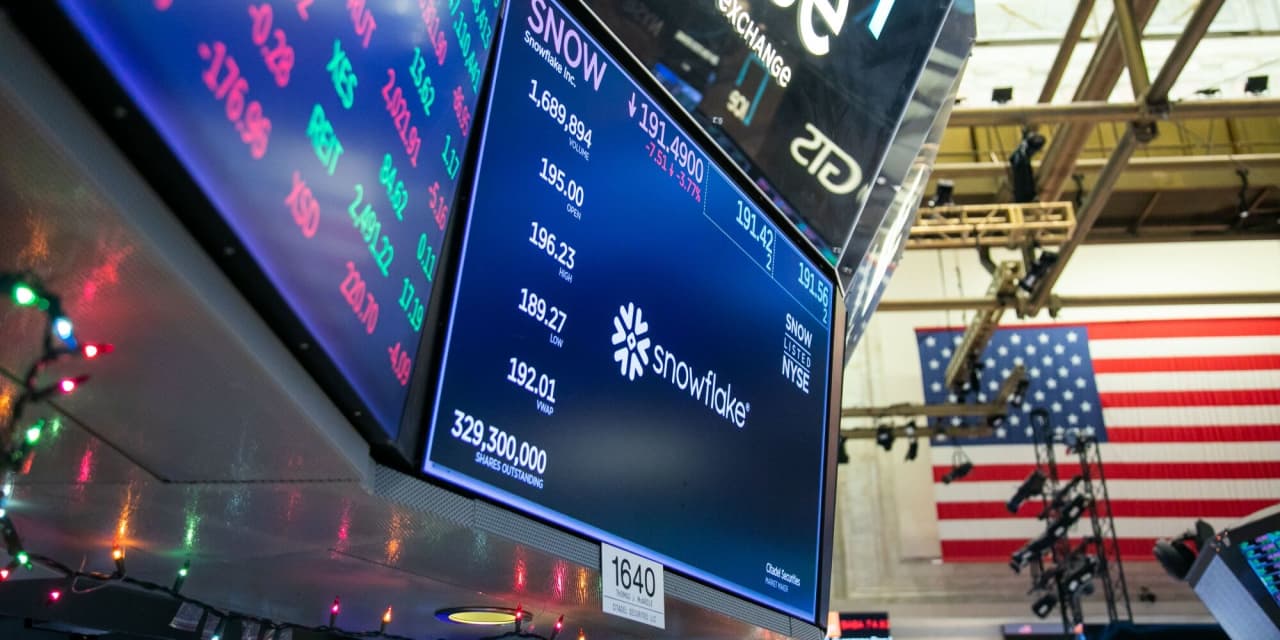
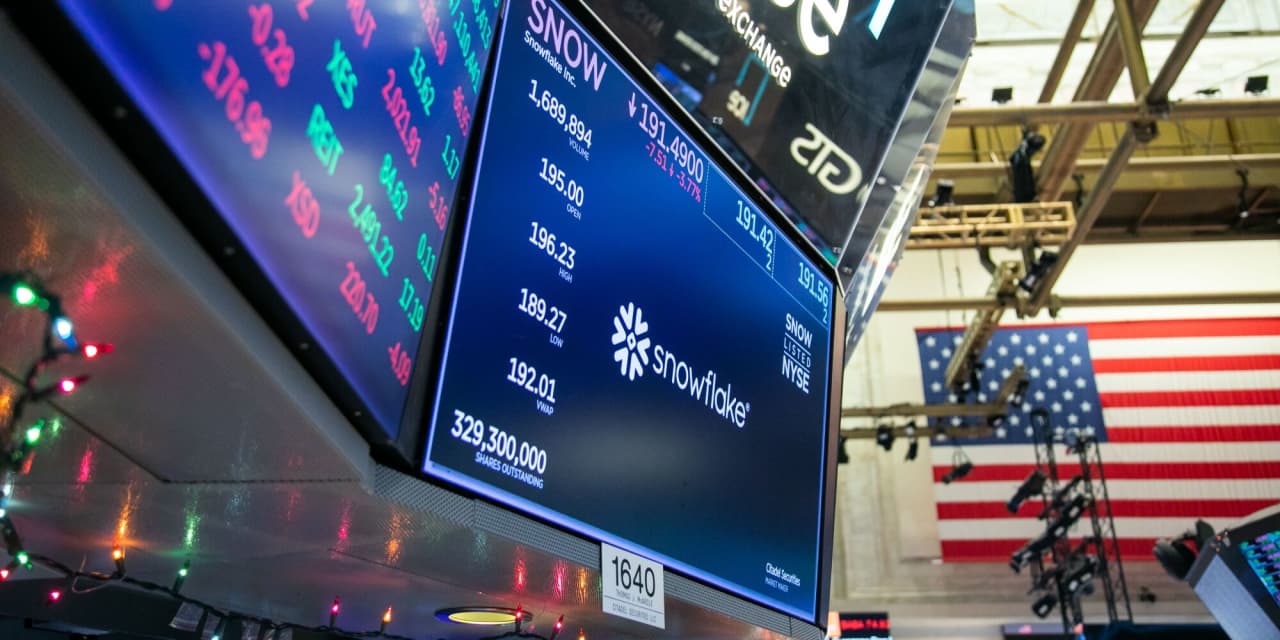
Snowflake announced that Jonathan Beaulier, JB, a Snowflake veteran who has been instrumental in driving Snowflake's growth since 2016, has been appointed as the company's Chief Revenue Officer, effective March 31, 2026. In his new role, Beaulier will be responsible for Snowflake's revenue and go-to-market teams, helping to lead Snowflake through its next chapter of growth. Mike Gannon, Snowflake's current CRO, has decided to leave the company for personal reasons.
Trade with 70% Backtested Accuracy
Stop guessing "Should I Buy SNOW?" and start using high-conviction signals backed by rigorous historical data.
Sign up today to access powerful investing tools and make smarter, data-driven decisions.
Analyst Views on SNOW
Wall Street analysts forecast SNOW stock price to rise
33 Analyst Rating
30 Buy
3 Hold
0 Sell
Strong Buy
Current: 238.260

Low
237.00
Averages
278.19
High
312.00
Current: 238.260
Low
237.00
Averages
278.19
High
312.00
About SNOW
Snowflake Inc. is an artificial intelligence (AI) data cloud company. The Company provides a platform which powers the AI data cloud, enabling customers to consolidate data into a single source of truth to drive insights, apply AI to solve business problems, build data applications, and share data and data products. Its cloud-native architecture includes three independently scalable but logically integrated layers across storage, compute, and cloud services. The storage layer ingests massive amounts and varieties of structured, semi-structured, and unstructured data. The compute layer provides dedicated resources to enable users to simultaneously access common data sets for many use cases with minimal latency. The cloud services layer enables users to securely use AI within applications, tools, and processes. Its platform supports a wide range of product categories for customers’ business objectives, including analytics, data engineering, AI, applications and collaboration.
About the author

Emily J. Thompson
Emily J. Thompson, a Chartered Financial Analyst (CFA) with 12 years in investment research, graduated with honors from the Wharton School. Specializing in industrial and technology stocks, she provides in-depth analysis for Intellectia’s earnings and market brief reports.
Snowflake's New Product Drives Growth Surge

- Significant Revenue Growth: Snowflake reported a 33% revenue growth in the latest quarter, with management raising its annual guidance, indicating a potential recovery in growth momentum after a 50% drop in stock price, which may attract more investor interest.
- Launch of Coco Product: The introduction of Cortex Code (Coco) is credited as a key driver of growth, functioning as a native coding agent that simplifies workflows for developers by directly accessing company data, thereby enhancing customer satisfaction.
- Profitability Challenges: While the new product has spurred revenue growth, Snowflake's gross margins are under pressure due to the introduction of AI tools, and the company's reliance on third-party computing resources poses cost control challenges that could impact long-term profitability.
- Market Competition Pressure: With a net revenue retention rate of 126%, Snowflake demonstrates strong demand in the software market; however, its partnership with major cloud providers like AWS introduces significant competitive pressures, necessitating careful evaluation of its future performance by investors.
See More
Snowflake Reports Significant Quarter Growth; Caesars Acquired
- Snowflake's Quarterly Performance: Snowflake reported a 33% revenue growth in its latest quarter, with management raising its annual guidance, indicating a potential recovery in growth momentum after a 50% stock price decline, suggesting that the successful launch of its new product, Cortex Code, may be a key driver of this growth.
- Cortex Code Product Advantage: Cortex Code, as Snowflake's native coding agent, simplifies developers' workflows by directly accessing enterprise data, and while its gross margins are lower than traditional products, it may provide a competitive edge in the current AI boom in the short term.
- Mortgage Refinance Market Decline: The demand for mortgage refinancing has dropped by 18%, primarily due to the 30-year mortgage rate rising to 6.65%, making refinancing less appealing for many borrowers, although overall refinancing volume is still up 19% compared to last year, highlighting the market's complexity.
- Caesars Acquisition Deal: Caesars Entertainment has agreed to be acquired by Fertitta Entertainment for approximately $31 per share, totaling around $12 billion, and despite involving up to $11 billion in debt, Fertitta is attracted to Caesars' $3.6 billion annual adjusted EBITDA, showcasing the appeal of its cash flow.
See More

SpaceX IPO Set to Become Largest in History

- Lowered IPO Threshold: Fidelity has reduced the minimum account balance for the SpaceX IPO to $2,000, significantly below the traditional six-figure requirement, potentially allowing more retail investors to participate and increasing their share allocation.
- Opportunities for Retail Investors: SpaceX plans to allocate up to 30% of shares to retail investors, far exceeding the typical 5% to 10%, which may provide ordinary investors with better access to purchase at the $135 offering price.
- Market Risk Warning: While the lowered threshold appears to offer opportunities for retail investors, it raises questions about SpaceX's motivations, particularly regarding whether it is creating smoother exit liquidity for early investors ahead of the IPO.
- Cautious Investment Advice: Investors should remain vigilant; although the lowered threshold may seem inclusive, it could also serve as a strategy for institutions planning to sell shares, prompting retail investors to carefully assess their investment size based on personal risk profiles.
See More

SpaceX IPO Opens Doors for Retail Investors
- Lowered IPO Threshold: SpaceX has reduced the retail investor eligibility requirement for its IPO to $2,000, significantly below the six-figure minimums set by traditional brokerages, which is expected to enhance market participation among everyday investors.
- Increased Retail Allocation: The company plans to allocate up to 30% of its IPO shares to retail investors, a substantial increase compared to the typical 5% to 10% offered in most IPOs, potentially improving the actual shares available to retail clients and their investment opportunities.
- Cautious Market Reaction: While this change appears to provide ordinary investors with a fair chance, analysts express skepticism about the motivation behind it, suggesting it may be aimed at providing better exit liquidity for early investors, especially in light of SpaceX's planned $1.8 trillion valuation.
- Investor Caution Advised: With the lowered financial eligibility, a surge of inexperienced investors may enter the market, prompting analysts to recommend thorough financial due diligence before participating to avoid losses from chasing momentum.
See More

SpaceX Plans Record IPO, Aiming to Raise $75 Billion


- IPO Fundraising Scale: SpaceX plans to issue 555,555,555 shares at $135 each, aiming to raise $75 billion and achieve a valuation of $1.77 trillion, setting a historic record that reflects strong market confidence in its growth potential.
- Business Diversification: The company operates in three segments: rocket launches, satellite internet, and artificial intelligence, with the rocket launch segment having successfully launched approximately 650 times at a 99% success rate, solidifying its leadership in the aerospace market.
- Strategic Partnership Agreement: SpaceX has reached a deal with Alphabet to receive $920 million per month for computing capacity from 2026 to 2029, valued at $30 billion, which will significantly enhance the company's financial position and market competitiveness.
- Investment Risk Warning: Despite the optimistic IPO outlook, historical data shows that over half of the 30 largest IPOs in the past 15 years saw stock prices decline within the first week and at 12 months, indicating that investors should approach newly listed stocks with caution due to their volatility.
See More

SpaceX IPO Set to Break Historical Records
- Massive Fundraising: SpaceX plans to offer 555,555,555 shares at $135 each, aiming to raise $75 billion and achieve a valuation of $1.77 trillion, setting a historical record that reflects strong market confidence in its growth prospects.
- Diverse Business Segments: SpaceX operates in rocket launches, satellite internet, and artificial intelligence, with a notable 99% success rate in rocket launches and a network of approximately 9,600 Starlink satellites, enhancing its competitive edge globally.
- Intriguing Financials: In 2025, SpaceX generated $18.7 billion in revenue, a 33% year-over-year increase, but reported a net loss of $4.9 billion; however, an adjusted EBITDA of $6.6 billion indicates potential profitability, and a $30 billion deal with Alphabet will further improve its financial position.
- Investment Risk Advisory: Historical data shows that over half of the 30 largest IPOs in the past 15 years performed poorly in their first year, prompting investors to exercise caution, especially since founder Elon Musk will control 82% of the voting power, limiting retail investors' influence on company decisions.
See More
Snowflake's New Product Drives Growth Surge
- Significant Revenue Growth: Snowflake reported a 33% revenue growth in the latest quarter, with management raising its annual guidance, indicating a potential recovery in growth momentum after a 50% drop in stock price, which may attract more investor interest.
- Launch of Coco Product: The introduction of Cortex Code (Coco) is credited as a key driver of growth, functioning as a native coding agent that simplifies workflows for developers by directly accessing company data, thereby enhancing customer satisfaction.
- Profitability Challenges: While the new product has spurred revenue growth, Snowflake's gross margins are under pressure due to the introduction of AI tools, and the company's reliance on third-party computing resources poses cost control challenges that could impact long-term profitability.
- Market Competition Pressure: With a net revenue retention rate of 126%, Snowflake demonstrates strong demand in the software market; however, its partnership with major cloud providers like AWS introduces significant competitive pressures, necessitating careful evaluation of its future performance by investors.
See More
Snowflake Reports Significant Quarter Growth; Caesars Acquired
- Snowflake's Quarterly Performance: Snowflake reported a 33% revenue growth in its latest quarter, with management raising its annual guidance, indicating a potential recovery in growth momentum after a 50% stock price decline, suggesting that the successful launch of its new product, Cortex Code, may be a key driver of this growth.
- Cortex Code Product Advantage: Cortex Code, as Snowflake's native coding agent, simplifies developers' workflows by directly accessing enterprise data, and while its gross margins are lower than traditional products, it may provide a competitive edge in the current AI boom in the short term.
- Mortgage Refinance Market Decline: The demand for mortgage refinancing has dropped by 18%, primarily due to the 30-year mortgage rate rising to 6.65%, making refinancing less appealing for many borrowers, although overall refinancing volume is still up 19% compared to last year, highlighting the market's complexity.
- Caesars Acquisition Deal: Caesars Entertainment has agreed to be acquired by Fertitta Entertainment for approximately $31 per share, totaling around $12 billion, and despite involving up to $11 billion in debt, Fertitta is attracted to Caesars' $3.6 billion annual adjusted EBITDA, showcasing the appeal of its cash flow.
See More
SpaceX IPO Set to Become Largest in History
- Lowered IPO Threshold: Fidelity has reduced the minimum account balance for the SpaceX IPO to $2,000, significantly below the traditional six-figure requirement, potentially allowing more retail investors to participate and increasing their share allocation.
- Opportunities for Retail Investors: SpaceX plans to allocate up to 30% of shares to retail investors, far exceeding the typical 5% to 10%, which may provide ordinary investors with better access to purchase at the $135 offering price.
- Market Risk Warning: While the lowered threshold appears to offer opportunities for retail investors, it raises questions about SpaceX's motivations, particularly regarding whether it is creating smoother exit liquidity for early investors ahead of the IPO.
- Cautious Investment Advice: Investors should remain vigilant; although the lowered threshold may seem inclusive, it could also serve as a strategy for institutions planning to sell shares, prompting retail investors to carefully assess their investment size based on personal risk profiles.
See More
SpaceX IPO Opens Doors for Retail Investors
- Lowered IPO Threshold: SpaceX has reduced the retail investor eligibility requirement for its IPO to $2,000, significantly below the six-figure minimums set by traditional brokerages, which is expected to enhance market participation among everyday investors.
- Increased Retail Allocation: The company plans to allocate up to 30% of its IPO shares to retail investors, a substantial increase compared to the typical 5% to 10% offered in most IPOs, potentially improving the actual shares available to retail clients and their investment opportunities.
- Cautious Market Reaction: While this change appears to provide ordinary investors with a fair chance, analysts express skepticism about the motivation behind it, suggesting it may be aimed at providing better exit liquidity for early investors, especially in light of SpaceX's planned $1.8 trillion valuation.
- Investor Caution Advised: With the lowered financial eligibility, a surge of inexperienced investors may enter the market, prompting analysts to recommend thorough financial due diligence before participating to avoid losses from chasing momentum.
See More
SpaceX Plans Record IPO, Aiming to Raise $75 Billion
- IPO Fundraising Scale: SpaceX plans to issue 555,555,555 shares at $135 each, aiming to raise $75 billion and achieve a valuation of $1.77 trillion, setting a historic record that reflects strong market confidence in its growth potential.
- Business Diversification: The company operates in three segments: rocket launches, satellite internet, and artificial intelligence, with the rocket launch segment having successfully launched approximately 650 times at a 99% success rate, solidifying its leadership in the aerospace market.
- Strategic Partnership Agreement: SpaceX has reached a deal with Alphabet to receive $920 million per month for computing capacity from 2026 to 2029, valued at $30 billion, which will significantly enhance the company's financial position and market competitiveness.
- Investment Risk Warning: Despite the optimistic IPO outlook, historical data shows that over half of the 30 largest IPOs in the past 15 years saw stock prices decline within the first week and at 12 months, indicating that investors should approach newly listed stocks with caution due to their volatility.
See More
SpaceX IPO Set to Break Historical Records
- Massive Fundraising: SpaceX plans to offer 555,555,555 shares at $135 each, aiming to raise $75 billion and achieve a valuation of $1.77 trillion, setting a historical record that reflects strong market confidence in its growth prospects.
- Diverse Business Segments: SpaceX operates in rocket launches, satellite internet, and artificial intelligence, with a notable 99% success rate in rocket launches and a network of approximately 9,600 Starlink satellites, enhancing its competitive edge globally.
- Intriguing Financials: In 2025, SpaceX generated $18.7 billion in revenue, a 33% year-over-year increase, but reported a net loss of $4.9 billion; however, an adjusted EBITDA of $6.6 billion indicates potential profitability, and a $30 billion deal with Alphabet will further improve its financial position.
- Investment Risk Advisory: Historical data shows that over half of the 30 largest IPOs in the past 15 years performed poorly in their first year, prompting investors to exercise caution, especially since founder Elon Musk will control 82% of the voting power, limiting retail investors' influence on company decisions.
See More