

Snap Shares Rebound, Ending Six-Day Losing Streak
Written by Emily J. Thompson, Senior Investment Analyst
Updated: 1 hour ago
0mins
Source: seekingalpha
- Stock Rebound: Snap (SNAP) shares rose over 7% to $5.64 during Monday's afternoon trading, breaking a six-session losing streak, despite a prior decline of approximately 8.7% over those sessions.
- Year-to-Date Performance: The stock has fallen nearly 31.5% year-to-date, contrasting sharply with the S&P 500's over 8.5% rise, indicating relative weakness in the company's market position.
- Acquisition of AR Company: Earlier this month, Snap acquired augmented reality firm Illumix to enhance its AR capabilities, although it faces risks from EU regulatory probes and sluggish ad growth in North America.
- Analyst Ratings Optimistic: Seeking Alpha's Quant Rating gives Snap a Buy rating with a score of 4 out of 5, as analysts believe diversified revenue streams and AI-driven ad tools will provide buffers and catalysts for growth.
Trade with 70% Backtested Accuracy
Stop guessing "Should I Buy SNAP?" and start using high-conviction signals backed by rigorous historical data.
Sign up today to access powerful investing tools and make smarter, data-driven decisions.
Analyst Views on SNAP
Wall Street analysts forecast SNAP stock price to rise
28 Analyst Rating
2 Buy
24 Hold
2 Sell
Hold
Current: 5.260

Low
7.00
Averages
9.57
High
13.00
Current: 5.260
Low
7.00
Averages
9.57
High
13.00
About SNAP
Snap Inc. is a technology company. Its flagship product, Snapchat, is a visual messaging application that enhances relationships with friends, family, and the world. Snapchat is the Company's core mobile device application and contains five tabs, complemented by additional tools that function outside the application. Snapchatters can interact with any or all the five tabs. Additionally, it offers Snapchat+, its subscription product that provides subscribers access to exclusive, experimental, and pre-release features. Snapchat+ offers a range of features, from allowing Snapchatters to customize the look and feel of their application, to giving special insights into their friendships. The Company also offers Snapchat for Web, a browser-based product that brings Snapchats calling and messaging capabilities to the Web. Its advertising products include AR Ads and Snap Ads. Snap Ads include Single Image or Video Ads, Story Ads, Collection Ads, Dynamic Ads, Commercials, and Sponsored Snaps.
About the author

Emily J. Thompson
Emily J. Thompson, a Chartered Financial Analyst (CFA) with 12 years in investment research, graduated with honors from the Wharton School. Specializing in industrial and technology stocks, she provides in-depth analysis for Intellectia’s earnings and market brief reports.
Snap Shares Rebound, Ending Six-Day Losing Streak
- Stock Rebound: Snap (SNAP) shares rose over 7% to $5.64 during Monday's afternoon trading, breaking a six-session losing streak, despite a prior decline of approximately 8.7% over those sessions.
- Year-to-Date Performance: The stock has fallen nearly 31.5% year-to-date, contrasting sharply with the S&P 500's over 8.5% rise, indicating relative weakness in the company's market position.
- Acquisition of AR Company: Earlier this month, Snap acquired augmented reality firm Illumix to enhance its AR capabilities, although it faces risks from EU regulatory probes and sluggish ad growth in North America.
- Analyst Ratings Optimistic: Seeking Alpha's Quant Rating gives Snap a Buy rating with a score of 4 out of 5, as analysts believe diversified revenue streams and AI-driven ad tools will provide buffers and catalysts for growth.
See More

UK to Ban Social Media Services for Under-16s

- Policy Announcement: UK Prime Minister Keir Starmer announced on Monday a ban on social media services for users under 16, impacting platforms like Snapchat, TikTok, YouTube, Instagram, Facebook, and X, marking a significant step in protecting minors.
- Global Leadership: Starmer stated that this ban will position the UK as the first country in the world to comprehensively prohibit social media services for minors, aiming to create a safer environment for children to grow up in.
- Child Protection Measures: The policy will not only include the ban but also implement broader protective measures to ensure children can enjoy a carefree childhood, reflecting the government's commitment to the mental health and safety of minors.
- Social Reactions: The introduction of this policy is likely to spark widespread discussion, particularly among the social media industry and parent groups, and is expected to have profound implications for the user base and business models of social media platforms.
See More

UK Announces Social Media Ban for Under-16s Following Australia’s Model

- Social Media Ban: UK Prime Minister Keir Starmer has announced a ban on social media for children under 16, following Australia’s model, aiming to enhance child safety and address parental concerns, marking a decisive government stance against tech giants' negligence.
- Broad Coverage: The ban will include platforms such as Snapchat, TikTok, YouTube, Instagram, Facebook, and X, while excluding messaging services like WhatsApp and Signal, indicating a comprehensive regulatory intent towards social media influence.
- Enhanced Protection Measures: The government will also impose restrictions on livestreaming and stranger communication for under-16s, expected to include platforms like Amazon's Twitch, further strengthening protections for youth online safety.
- International Trend: Following Australia’s landmark ban, more countries including Malaysia, Indonesia, and Canada are considering similar legislation, reflecting a growing global concern and action towards child internet safety.
See More
UK to Ban Social Media Services for Under-16s
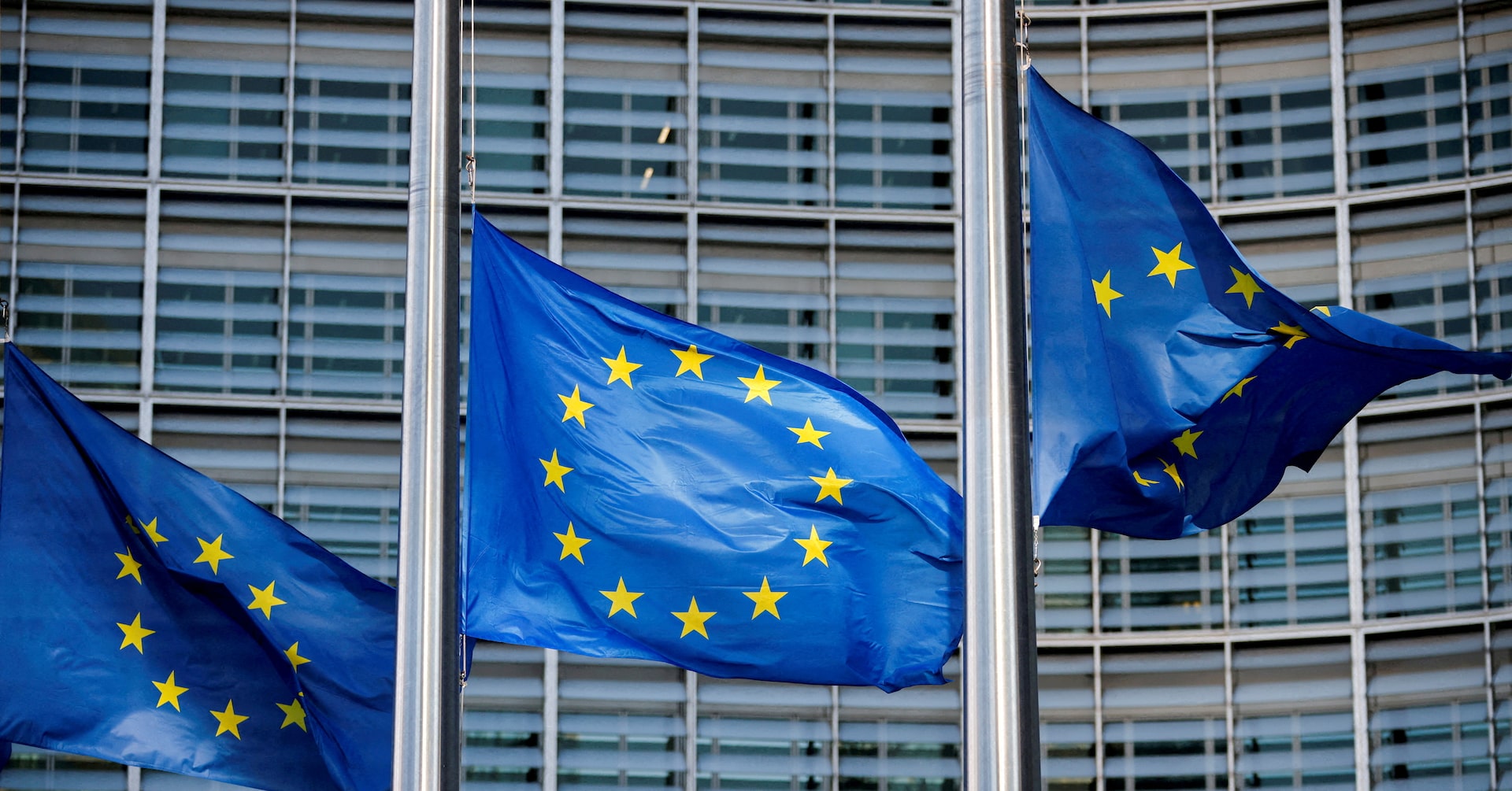
- Policy Announcement: UK Prime Minister Keir Starmer announced on Monday a ban on social media services for users under 16, marking the strictest social media regulation globally.
- Scope of Platforms: The ban could include major platforms such as Snapchat, TikTok, YouTube, Instagram, Facebook, and X, potentially leading to a decline in user base for these services in the UK.
- Child Protection Measures: Starmer emphasized that the policy aims to create a safer online environment for children, helping them regain their childhood, reflecting the government's focus on youth mental health, which may inspire similar actions in other countries.
- Expected Industry Response: Social media companies may need to revise their user policies and content management strategies to comply with the new regulations, likely increasing compliance costs and impacting their operational models in the UK.
See More

2026 Midterm Elections Set for Record Advertising Spend
- Advertising Spend Forecast: According to AdImpact, the 2026 midterm elections are projected to reach $11.6 billion in ad spending, a $795 million increase from the previous estimate, surpassing the $11.2 billion spent in the 2024 presidential election, marking the most expensive election cycle in U.S. history.
- Growth Trend: The anticipated ad spend for 2026 represents a 30% increase over the $8.9 billion spent in the 2022 midterm elections, reflecting heightened competition, particularly with Republicans controlling both chambers of Congress.
- Media Revenue Impact: Advertising remains a key revenue driver for media companies, especially in sports, live events, and news, with election-related ads often generating significant revenue for local broadcast stations across the country.
- Digital Advertising Reliance: Political advertisers are expected to spend $1.6 billion on digital platforms like Facebook, Google, Snapchat, and X, indicating a growing reliance on digital advertising, particularly in competitive Senate and gubernatorial races.
See More
2026 Midterm Election Ad Spending to Set New Record
- Ad Spend Projection: AdImpact forecasts that political ad spending for the 2026 midterm elections will reach $11.6 billion, surpassing the $11.2 billion spent during the 2024 presidential election, marking it as the most expensive election cycle in U.S. history and indicating robust growth in the political advertising market.
- Intense Competition: With Republicans controlling both chambers of Congress, the competition for the 2026 midterm elections is expected to be fiercer than in previous cycles, with ad spending projected to increase by 30% compared to the $8.9 billion spent in the 2022 midterms, reflecting the urgency and significance of the elections.
- Media Revenue Driver: Advertising remains a key revenue driver for media companies, particularly in sports, live events, and news, as election-related ad revenue often constitutes some of the highest earnings for local broadcast stations, further propelling economic growth in the media sector.
- Digital Ad Growth: Spending on digital platforms like Facebook, Google, Snapchat, and X is expected to reach $1.6 billion, highlighting the increasing reliance of political advertisers on digital channels, especially in a highly competitive electoral landscape.
See More
Snap Shares Rebound, Ending Six-Day Losing Streak
- Stock Rebound: Snap (SNAP) shares rose over 7% to $5.64 during Monday's afternoon trading, breaking a six-session losing streak, despite a prior decline of approximately 8.7% over those sessions.
- Year-to-Date Performance: The stock has fallen nearly 31.5% year-to-date, contrasting sharply with the S&P 500's over 8.5% rise, indicating relative weakness in the company's market position.
- Acquisition of AR Company: Earlier this month, Snap acquired augmented reality firm Illumix to enhance its AR capabilities, although it faces risks from EU regulatory probes and sluggish ad growth in North America.
- Analyst Ratings Optimistic: Seeking Alpha's Quant Rating gives Snap a Buy rating with a score of 4 out of 5, as analysts believe diversified revenue streams and AI-driven ad tools will provide buffers and catalysts for growth.
See More
UK to Ban Social Media Services for Under-16s
- Policy Announcement: UK Prime Minister Keir Starmer announced on Monday a ban on social media services for users under 16, impacting platforms like Snapchat, TikTok, YouTube, Instagram, Facebook, and X, marking a significant step in protecting minors.
- Global Leadership: Starmer stated that this ban will position the UK as the first country in the world to comprehensively prohibit social media services for minors, aiming to create a safer environment for children to grow up in.
- Child Protection Measures: The policy will not only include the ban but also implement broader protective measures to ensure children can enjoy a carefree childhood, reflecting the government's commitment to the mental health and safety of minors.
- Social Reactions: The introduction of this policy is likely to spark widespread discussion, particularly among the social media industry and parent groups, and is expected to have profound implications for the user base and business models of social media platforms.
See More
UK Announces Social Media Ban for Under-16s Following Australia’s Model
- Social Media Ban: UK Prime Minister Keir Starmer has announced a ban on social media for children under 16, following Australia’s model, aiming to enhance child safety and address parental concerns, marking a decisive government stance against tech giants' negligence.
- Broad Coverage: The ban will include platforms such as Snapchat, TikTok, YouTube, Instagram, Facebook, and X, while excluding messaging services like WhatsApp and Signal, indicating a comprehensive regulatory intent towards social media influence.
- Enhanced Protection Measures: The government will also impose restrictions on livestreaming and stranger communication for under-16s, expected to include platforms like Amazon's Twitch, further strengthening protections for youth online safety.
- International Trend: Following Australia’s landmark ban, more countries including Malaysia, Indonesia, and Canada are considering similar legislation, reflecting a growing global concern and action towards child internet safety.
See More
UK to Ban Social Media Services for Under-16s
- Policy Announcement: UK Prime Minister Keir Starmer announced on Monday a ban on social media services for users under 16, marking the strictest social media regulation globally.
- Scope of Platforms: The ban could include major platforms such as Snapchat, TikTok, YouTube, Instagram, Facebook, and X, potentially leading to a decline in user base for these services in the UK.
- Child Protection Measures: Starmer emphasized that the policy aims to create a safer online environment for children, helping them regain their childhood, reflecting the government's focus on youth mental health, which may inspire similar actions in other countries.
- Expected Industry Response: Social media companies may need to revise their user policies and content management strategies to comply with the new regulations, likely increasing compliance costs and impacting their operational models in the UK.
See More
2026 Midterm Elections Set for Record Advertising Spend
- Advertising Spend Forecast: According to AdImpact, the 2026 midterm elections are projected to reach $11.6 billion in ad spending, a $795 million increase from the previous estimate, surpassing the $11.2 billion spent in the 2024 presidential election, marking the most expensive election cycle in U.S. history.
- Growth Trend: The anticipated ad spend for 2026 represents a 30% increase over the $8.9 billion spent in the 2022 midterm elections, reflecting heightened competition, particularly with Republicans controlling both chambers of Congress.
- Media Revenue Impact: Advertising remains a key revenue driver for media companies, especially in sports, live events, and news, with election-related ads often generating significant revenue for local broadcast stations across the country.
- Digital Advertising Reliance: Political advertisers are expected to spend $1.6 billion on digital platforms like Facebook, Google, Snapchat, and X, indicating a growing reliance on digital advertising, particularly in competitive Senate and gubernatorial races.
See More
2026 Midterm Election Ad Spending to Set New Record
- Ad Spend Projection: AdImpact forecasts that political ad spending for the 2026 midterm elections will reach $11.6 billion, surpassing the $11.2 billion spent during the 2024 presidential election, marking it as the most expensive election cycle in U.S. history and indicating robust growth in the political advertising market.
- Intense Competition: With Republicans controlling both chambers of Congress, the competition for the 2026 midterm elections is expected to be fiercer than in previous cycles, with ad spending projected to increase by 30% compared to the $8.9 billion spent in the 2022 midterms, reflecting the urgency and significance of the elections.
- Media Revenue Driver: Advertising remains a key revenue driver for media companies, particularly in sports, live events, and news, as election-related ad revenue often constitutes some of the highest earnings for local broadcast stations, further propelling economic growth in the media sector.
- Digital Ad Growth: Spending on digital platforms like Facebook, Google, Snapchat, and X is expected to reach $1.6 billion, highlighting the increasing reliance of political advertisers on digital channels, especially in a highly competitive electoral landscape.
See More





