Small-Cap Stocks Decline Amid Middle East Tensions
Written by Emily J. Thompson, Senior Investment Analyst
Updated: May 08 2026
0mins


Source: Fool
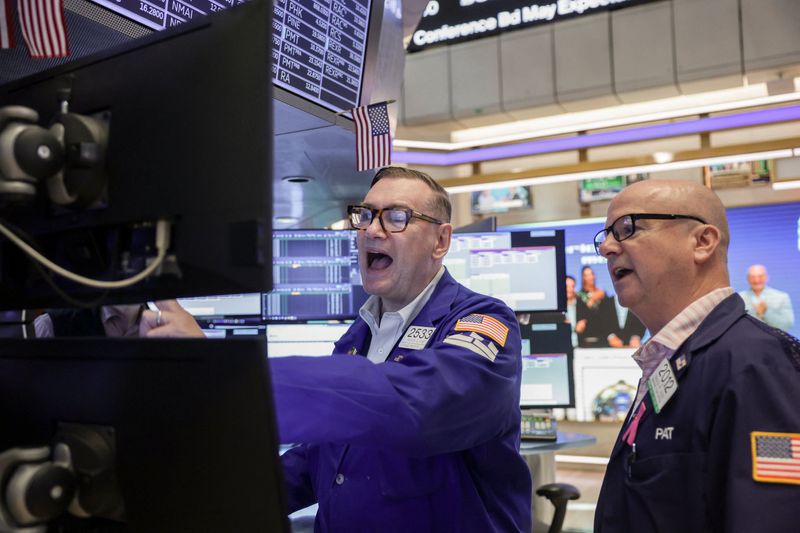
- Market Reaction: Stocks gave up early gains as negotiations between the U.S. and Iran showed signs of stagnation, with the S&P 500 closing down 0.4%, the Dow Jones down 0.6%, and the Nasdaq down 0.1% after morning gains.
- Small-Cap Struggles: The Russell 2000 index fell 1.6% due to renewed Middle East tensions, with small-cap stocks being particularly sensitive to interest rates and inflation, exemplified by Bloom Energy's nearly 10% drop.
- Inflation Expectations Rise: The escalation in the Middle East has led to rising oil prices and interest rates, signaling that inflation may continue to increase, which places additional pressure on small-cap stocks that react strongly to macroeconomic changes.
- Investment Opportunity Analysis: Despite small-caps lagging behind large-caps during the AI boom, the valuation gap may prompt a rotation from large to small stocks, with the iShares Russell 2000 ETF trading at a P/E of 19.4 compared to 27.5 for the S&P 500 ETF, indicating potential for growth.
Trade with 70% Backtested Accuracy
Stop guessing "Should I Buy NVDA?" and start using high-conviction signals backed by rigorous historical data.
Sign up today to access powerful investing tools and make smarter, data-driven decisions.
Analyst Views on NVDA
Wall Street analysts forecast NVDA stock price to rise
41 Analyst Rating
39 Buy
1 Hold
1 Sell
Strong Buy
Current: 214.250

Low
200.00
Averages
264.97
High
352.00
Current: 214.250
Low
200.00
Averages
264.97
High
352.00
About NVDA
NVIDIA Corporation is an artificial intelligence (AI) infrastructure company. The Company is engaged in accelerated computing to help solve the challenging computational problems. Its segments include Compute & Networking and Graphics. The Compute & Networking segment includes its Data Center accelerated computing and networking platforms and AI solutions and software, and automotive platforms and autonomous and electric vehicle solutions, including software. The Graphics segment includes GeForce GPUs for gaming and personal computers (PCs), and Quadro/NVIDIA RTX GPUs for enterprise workstation graphics. Its technology stack includes the foundational NVIDIA CUDA development platform that runs on all NVIDIA GPUs, as well as hundreds of domain-specific software libraries, frameworks, algorithms, software development kits (SDKs), and application programming interfaces (APIs). Its platforms address four markets, which include Data Center, Gaming, Professional Visualization, and Automotive.
About the author

Emily J. Thompson
Emily J. Thompson, a Chartered Financial Analyst (CFA) with 12 years in investment research, graduated with honors from the Wharton School. Specializing in industrial and technology stocks, she provides in-depth analysis for Intellectia’s earnings and market brief reports.

Nvidia CEO Describes AI Demand as Parabolic Growth

- Strong Earnings Report: Nvidia's fiscal Q1 2027 revenue reached $81.6 billion, an 85% year-over-year increase, reflecting robust market demand and business acceleration, particularly in its AI-driven data center segment, which saw a 92% revenue growth, laying a solid foundation for future growth.
- Significant Profit Increase: Non-GAAP earnings per share surged 140% year-over-year to $1.87, driven by revenue growth and margin expansion, indicating a substantial enhancement in the company's profitability within the AI sector, further solidifying its market leadership.
- Aggressive Capital Return: Nvidia raised its quarterly dividend from $0.01 to $0.25, a 25-fold increase, and authorized an $80 billion share repurchase plan, demonstrating strong confidence in future cash flows while returning approximately $20 billion to shareholders in the last quarter alone.
- Forward-Looking Commitments: Management anticipates about $1 trillion in revenue visibility from 2025 to 2027, with total supply commitments swelling to $145 billion, indicating a long-term bullish outlook on the AI market, despite competitive risks from customers developing their own custom chips.
See More

Greg Abel's Three Major Successful Investments as CEO
- Successful Oxychem Acquisition: Berkshire Hathaway's $9.7 billion acquisition of Oxychem was finalized during a downturn in the chemical industry, with an estimated 8x EBITDA for 2025, benefiting from modernization efforts and pricing power, leading to excellent first-quarter performance.
- Strategic Tokio Marine Investment: Abel's $1.8 billion purchase of a 2.5% stake in Tokio Marine, with permission to increase to 9.9%, was made at a premium of nearly twice book value, yet is expected to yield additional upside through a risk-sharing agreement, enhancing the insurance business.
- Precise Timing in Alphabet Investment: Abel tripled Berkshire's stake in Alphabet to $22.5 billion, investing approximately $11 billion in the first quarter, capitalizing on market recovery and strong AI-driven earnings, with the stock price rising about 35% since last quarter.
- AI-Driven Revenue Growth: Alphabet's cloud revenue surged 63%, with operating margins expanding from 17.8% to 32.9%, as AI integration improved search and advertising performance, resulting in a 19% increase in search revenue, indicating strong future growth potential.
See More

Nvidia's Earnings Exceed Expectations Amid Surging AI Demand
- Significant Revenue Growth: Nvidia reported $81.6 billion in revenue for Q1 2027, an 85% year-over-year increase, with growth accelerating from 73% in the previous quarter, highlighting the company's robust performance in AI-driven data center business.
- Substantial Profit Increase: Non-GAAP earnings per share surged 140% year-over-year to $1.87, driven by soaring revenue growth and improved gross margins, further solidifying the company's market leadership.
- Aggressive Shareholder Returns: Nvidia raised its quarterly dividend from $0.01 to $0.25, a 25-fold increase, and authorized an additional $80 billion in share repurchases, demonstrating confidence in future growth and commitment to shareholders.
- Optimistic Future Outlook: Management anticipates about $1 trillion in revenue visibility from 2025 to 2027, with current quarter revenue expected to rise 95% year-over-year, indicating strong ongoing investment and demand potential in the AI sector.
See More

Investors Should Focus on Ethereum Instead of XRP

- Ethereum Market Potential: Currently trading close to $1 and down over 60% from its 2025 high, Ethereum's dominant position in decentralized finance (DeFi) suggests it will benefit significantly from the imminent passage of the Digital Asset Market Clarity Act, which is expected to boost its price.
- Treasury Company Buying Resurgence: Bitmine Immersion Technologies, the largest Ethereum treasury company globally, holds approximately $10.5 billion worth of Ethereum, accounting for 4.5% of the circulating supply, and ongoing purchases are likely to further drive Ethereum's price upward, indicating strong market demand.
- Market Cycle Correlation: Historical trends indicate that Bitcoin typically leads crypto bull markets, with Ethereum closely following; thus, as Bitcoin regains its footing, Ethereum is expected to rebound quickly, reinforcing its market position.
- Investment Recommendation: Although Ethereum was not included in the Motley Fool Stock Advisor's list of the top 10 stocks to buy, its potential market returns remain attractive to investors, especially in the context of current volatility in the crypto market.
See More

Datadog's Stock Doubles as Market Opportunity Grows

- Stock Price Surge: Datadog's stock has more than doubled since April lows, pushing its market cap toward $80 billion, reflecting strong market recognition of its cloud monitoring solutions, particularly amid rising AI costs.
- Significant Revenue Growth: The company reported a 32% year-over-year revenue increase in Q1, surpassing $1 billion in quarterly revenue for the first time, showcasing its robust performance in the rapidly growing cloud services market and solidifying its market position.
- Increased Customer Spending: Existing customers are spending over 20% more on Datadog services compared to last year, indicating successful implementation of its land-and-expand strategy, enhancing customer stickiness and boosting long-term revenue potential.
- Healthy Cash Flow: Datadog generated $915 million in free cash flow last year, achieving a 27% cash flow margin, and despite reinvesting 45% of its revenue into R&D, it demonstrates strong profitability and a solid financial position.
See More
Surge in AI Infrastructure Spending Benefits Micron Technology

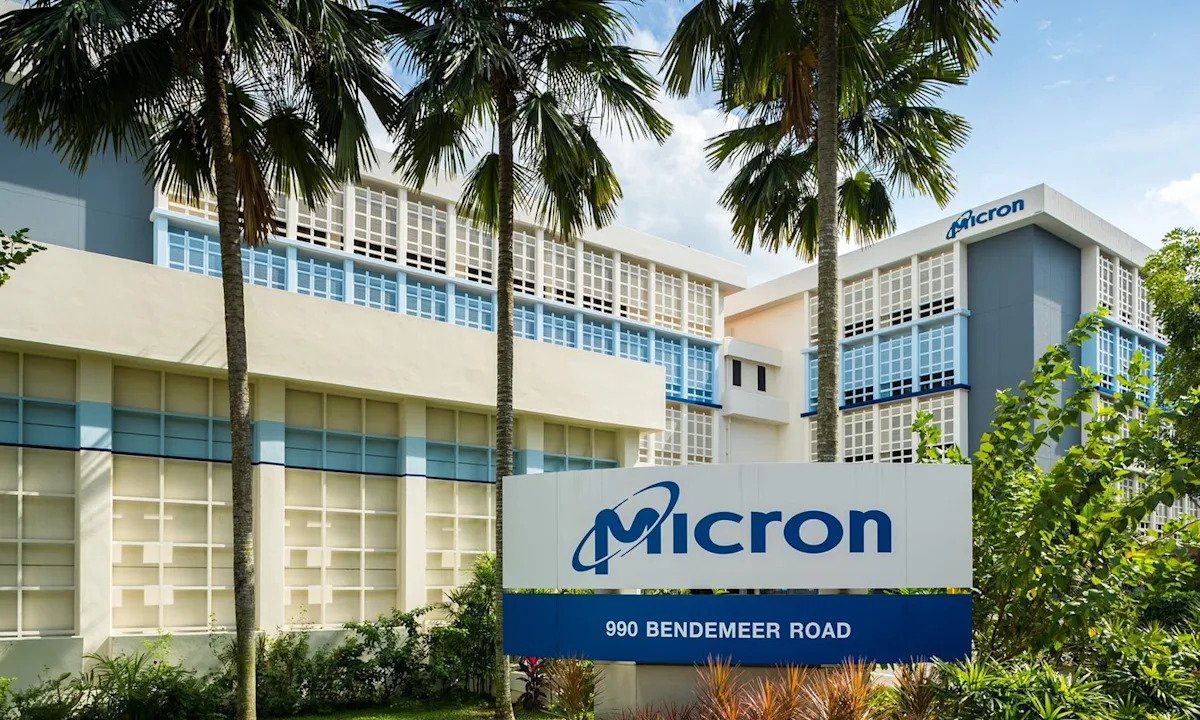
- Capital Expenditure Surge: Market research firm TrendForce has significantly raised its 2026 capital expenditure forecast for the world's top nine cloud service providers, expecting a 79% increase to $830 billion, indicating strong demand for AI infrastructure that creates substantial market opportunities for Micron's memory chips.
- Soaring HBM Demand: According to Counterpoint Research, the demand for high-bandwidth memory (HBM) used in custom AI processors is projected to surge 35 times between 2024 and 2028, directly driving demand for Micron's products and further solidifying its leadership position in the memory market.
- Significant Earnings Growth Potential: Micron's stock has skyrocketed by 903% over the past year, surpassing a $1 trillion market cap, and with the acceleration in AI data center capex, its earnings are expected to soar in fiscal 2027, boosting investor confidence in its stock.
- Ongoing Market Tightness: As HBM requires three times the wafer capacity of conventional memory chips, the persistent shortage in the memory industry will provide Micron with a favorable pricing environment, with its stock price projected to reach $3,158 in the next year, representing a 3.2x increase from current levels, attracting investor interest.
See More
Nvidia CEO Describes AI Demand as Parabolic Growth
- Strong Earnings Report: Nvidia's fiscal Q1 2027 revenue reached $81.6 billion, an 85% year-over-year increase, reflecting robust market demand and business acceleration, particularly in its AI-driven data center segment, which saw a 92% revenue growth, laying a solid foundation for future growth.
- Significant Profit Increase: Non-GAAP earnings per share surged 140% year-over-year to $1.87, driven by revenue growth and margin expansion, indicating a substantial enhancement in the company's profitability within the AI sector, further solidifying its market leadership.
- Aggressive Capital Return: Nvidia raised its quarterly dividend from $0.01 to $0.25, a 25-fold increase, and authorized an $80 billion share repurchase plan, demonstrating strong confidence in future cash flows while returning approximately $20 billion to shareholders in the last quarter alone.
- Forward-Looking Commitments: Management anticipates about $1 trillion in revenue visibility from 2025 to 2027, with total supply commitments swelling to $145 billion, indicating a long-term bullish outlook on the AI market, despite competitive risks from customers developing their own custom chips.
See More
Greg Abel's Three Major Successful Investments as CEO
- Successful Oxychem Acquisition: Berkshire Hathaway's $9.7 billion acquisition of Oxychem was finalized during a downturn in the chemical industry, with an estimated 8x EBITDA for 2025, benefiting from modernization efforts and pricing power, leading to excellent first-quarter performance.
- Strategic Tokio Marine Investment: Abel's $1.8 billion purchase of a 2.5% stake in Tokio Marine, with permission to increase to 9.9%, was made at a premium of nearly twice book value, yet is expected to yield additional upside through a risk-sharing agreement, enhancing the insurance business.
- Precise Timing in Alphabet Investment: Abel tripled Berkshire's stake in Alphabet to $22.5 billion, investing approximately $11 billion in the first quarter, capitalizing on market recovery and strong AI-driven earnings, with the stock price rising about 35% since last quarter.
- AI-Driven Revenue Growth: Alphabet's cloud revenue surged 63%, with operating margins expanding from 17.8% to 32.9%, as AI integration improved search and advertising performance, resulting in a 19% increase in search revenue, indicating strong future growth potential.
See More
Nvidia's Earnings Exceed Expectations Amid Surging AI Demand
- Significant Revenue Growth: Nvidia reported $81.6 billion in revenue for Q1 2027, an 85% year-over-year increase, with growth accelerating from 73% in the previous quarter, highlighting the company's robust performance in AI-driven data center business.
- Substantial Profit Increase: Non-GAAP earnings per share surged 140% year-over-year to $1.87, driven by soaring revenue growth and improved gross margins, further solidifying the company's market leadership.
- Aggressive Shareholder Returns: Nvidia raised its quarterly dividend from $0.01 to $0.25, a 25-fold increase, and authorized an additional $80 billion in share repurchases, demonstrating confidence in future growth and commitment to shareholders.
- Optimistic Future Outlook: Management anticipates about $1 trillion in revenue visibility from 2025 to 2027, with current quarter revenue expected to rise 95% year-over-year, indicating strong ongoing investment and demand potential in the AI sector.
See More
Investors Should Focus on Ethereum Instead of XRP
- Ethereum Market Potential: Currently trading close to $1 and down over 60% from its 2025 high, Ethereum's dominant position in decentralized finance (DeFi) suggests it will benefit significantly from the imminent passage of the Digital Asset Market Clarity Act, which is expected to boost its price.
- Treasury Company Buying Resurgence: Bitmine Immersion Technologies, the largest Ethereum treasury company globally, holds approximately $10.5 billion worth of Ethereum, accounting for 4.5% of the circulating supply, and ongoing purchases are likely to further drive Ethereum's price upward, indicating strong market demand.
- Market Cycle Correlation: Historical trends indicate that Bitcoin typically leads crypto bull markets, with Ethereum closely following; thus, as Bitcoin regains its footing, Ethereum is expected to rebound quickly, reinforcing its market position.
- Investment Recommendation: Although Ethereum was not included in the Motley Fool Stock Advisor's list of the top 10 stocks to buy, its potential market returns remain attractive to investors, especially in the context of current volatility in the crypto market.
See More
Datadog's Stock Doubles as Market Opportunity Grows
- Stock Price Surge: Datadog's stock has more than doubled since April lows, pushing its market cap toward $80 billion, reflecting strong market recognition of its cloud monitoring solutions, particularly amid rising AI costs.
- Significant Revenue Growth: The company reported a 32% year-over-year revenue increase in Q1, surpassing $1 billion in quarterly revenue for the first time, showcasing its robust performance in the rapidly growing cloud services market and solidifying its market position.
- Increased Customer Spending: Existing customers are spending over 20% more on Datadog services compared to last year, indicating successful implementation of its land-and-expand strategy, enhancing customer stickiness and boosting long-term revenue potential.
- Healthy Cash Flow: Datadog generated $915 million in free cash flow last year, achieving a 27% cash flow margin, and despite reinvesting 45% of its revenue into R&D, it demonstrates strong profitability and a solid financial position.
See More
Surge in AI Infrastructure Spending Benefits Micron Technology
- Capital Expenditure Surge: Market research firm TrendForce has significantly raised its 2026 capital expenditure forecast for the world's top nine cloud service providers, expecting a 79% increase to $830 billion, indicating strong demand for AI infrastructure that creates substantial market opportunities for Micron's memory chips.
- Soaring HBM Demand: According to Counterpoint Research, the demand for high-bandwidth memory (HBM) used in custom AI processors is projected to surge 35 times between 2024 and 2028, directly driving demand for Micron's products and further solidifying its leadership position in the memory market.
- Significant Earnings Growth Potential: Micron's stock has skyrocketed by 903% over the past year, surpassing a $1 trillion market cap, and with the acceleration in AI data center capex, its earnings are expected to soar in fiscal 2027, boosting investor confidence in its stock.
- Ongoing Market Tightness: As HBM requires three times the wafer capacity of conventional memory chips, the persistent shortage in the memory industry will provide Micron with a favorable pricing environment, with its stock price projected to reach $3,158 in the next year, representing a 3.2x increase from current levels, attracting investor interest.
See More