Significant Outflows Observed in IDU, NEE, SO, WM ETFs
Written by Emily J. Thompson, Senior Investment Analyst
Updated: Sep 04 2025
0mins


Source: NASDAQ.COM
IDU Share Price Analysis: IDU's share price is currently at $106.77, with a 52-week low of $91.9101 and a high of $111.38, indicating a stable position within its trading range.
ETFs Trading Dynamics: Exchange traded funds (ETFs) function like stocks, with units that can be created or destroyed based on investor demand, affecting the underlying holdings and market dynamics.
Trade with 70% Backtested Accuracy
Stop guessing "Should I Buy NEE?" and start using high-conviction signals backed by rigorous historical data.
Sign up today to access powerful investing tools and make smarter, data-driven decisions.
Analyst Views on NEE
Wall Street analysts forecast NEE stock price to rise
16 Analyst Rating
12 Buy
4 Hold
0 Sell
Strong Buy
Current: 88.340

Low
84.00
Averages
92.50
High
100.00
Current: 88.340
Low
84.00
Averages
92.50
High
100.00
About NEE
NextEra Energy, Inc. is an electric power and energy infrastructure company. It operates through its wholly owned subsidiaries, NextEra Energy Resources, LLC and NextEra Energy Transmission, LLC (collectively, NEER) and Florida Power & Light Company (FPL). Its segments include NEER and FPL. FPL segment is a rate-regulated electric utility engaged in the generation, transmission, distribution and sale of electric energy in Florida. FPL has approximately 35,052 megawatts of net generating capacity, over 91,000 circuit miles of transmission and distribution lines and 921 substations. The NEER segment owns, develops, constructs, manages and operates electric generation facilities in wholesale energy markets in the United States and Canada and includes assets and investments in other businesses with a clean energy focus, such as battery storage, natural gas pipelines, and renewable fuels. It owns, develops, constructs and operates rate-regulated transmission facilities in North America.
About the author

Emily J. Thompson
Emily J. Thompson, a Chartered Financial Analyst (CFA) with 12 years in investment research, graduated with honors from the Wharton School. Specializing in industrial and technology stocks, she provides in-depth analysis for Intellectia’s earnings and market brief reports.

Analysis of Honeywell's Post-Split Performance


- Honeywell Stock Performance: Following its split, Honeywell's combined stock trades around $240, reflecting a 6% increase since late June, indicating market confidence in its future growth, particularly in the aerospace sector.
- Strong Aerospace Division: Honeywell Aerospace shares have surged 15% over the past three sessions, currently priced at approximately $220, with analysts setting a target of $285, highlighting its attractiveness for long-term growth.
- Tech Sector Rebound: As investors rotate back into AI themes, technology stocks, including semiconductors, are rebounding, boosting overall market sentiment against a backdrop of capital outflows from healthcare and consumer retail sectors.
- Goldman and Wells Fargo Performance: Goldman Sachs shares rose over 2%, ranking first in global M&A fees for the first half of 2026, while Wells Fargo's price target was raised, reflecting investor optimism about its trading revenues and upcoming earnings.
See More

U.S. Military's Energy Dependency and Technological Breakthroughs


- Energy Dependency Overview: The U.S. military consumes approximately 4.6 billion gallons of fuel annually, ranking it among the top 60 oil-consuming nations globally, highlighting a significant strategic vulnerability in modern defense.
- Texatron Technology Progress: American Fusion is advancing its 5 MW preproduction Texatron model, with plans for 10 MW and 20 MW systems, aiming to provide clean energy solutions for military and civilian sectors without reliance on vulnerable fuel supply chains.
- Significant Market Potential: The global fusion energy market is projected to grow from approximately $288 billion in 2025 to $419.84 billion by 2030, with a CAGR of 8%, indicating strong demand for innovative energy technologies.
- Diversified Business Model: American Fusion's power-as-a-service model is designed to serve multiple sectors, reducing upfront capital costs for customers while leveraging successful technology applications in one market to accelerate adoption in adjacent markets.
See More

Surge in Electricity Demand Driven by AI Investments
- Electricity Demand Surge: Electricity demand is projected to grow by 60% from 2025 to 2045, primarily driven by artificial intelligence and data centers, prompting utility companies to ramp up investments to meet this demand, thereby catalyzing industry growth.
- Investor Considerations: As regulated utilities must pass on spending through rate increases, regulatory approval becomes crucial, especially amid high inflation and rising electricity costs, which could pressure utility profitability if costs cannot be fully transferred.
- Bloom Energy Opportunity: Bloom Energy's hydrogen fuel cells have a backlog of $6 billion at the start of 2026, up 2.5 times year-over-year, indicating strong demand in the AI data center market, although its price-to-sales ratio of 29x suggests that market expectations for future success are already reflected in its stock price.
- Renewable Energy Investment: Brookfield Renewable Partners boasts a diversified portfolio of renewable assets and is expected to benefit from AI demand, offering a distribution yield of 4.5% with plans for annual growth of 5% to 9%, providing investors with a stable income stream.
See More
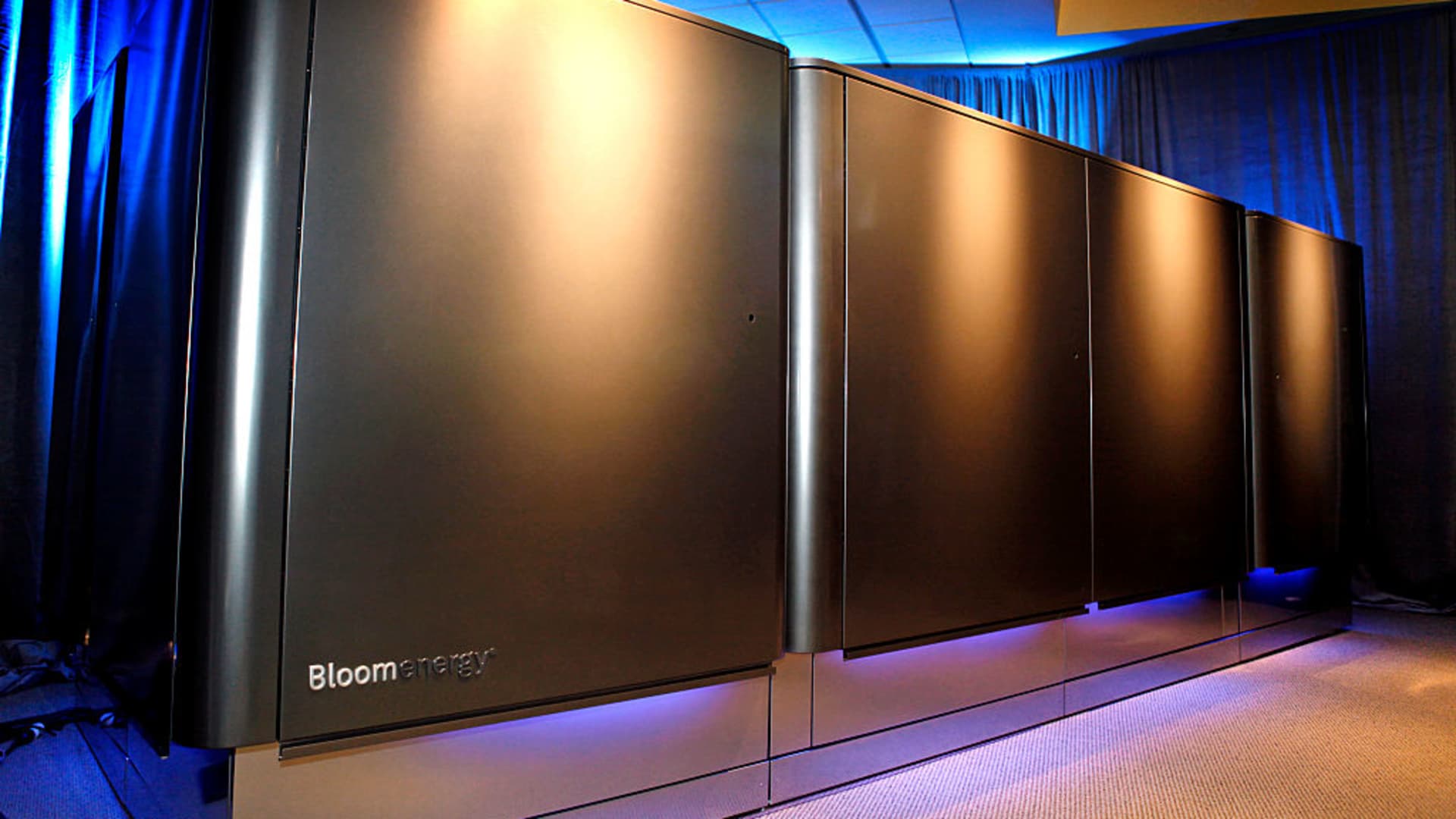
AI Demand Fuels $240 Billion Utility Investment Surge
- Surging Power Demand: Utilities are projected to spend up to $240 billion by 2026 to meet AI-driven electricity demand, which will likely lead to increased power prices and impact industry profitability.
- Investor Considerations: With electricity demand growing by 10% from 2005 to 2025 and expected to rise by 60% from 2025 to 2045, utility companies must ramp up capital investments to meet this escalating demand.
- Company Options: Bloom Energy's hydrogen fuel cells have a $6 billion backlog at the start of 2026, up 2.5 times year-over-year, indicating strong potential for powering AI data centers, while Brookfield Renewable Partners attracts dividend-seeking investors with a 4.5% distribution yield.
- Market Outlook: NextEra Energy's proposed acquisition of Dominion Energy, which operates in one of the world's largest data center markets, is expected to drive annual earnings growth of about 9% post-acquisition, further solidifying its leadership in renewable energy.
See More

Rising Medicare Costs and Investment Strategies


- Rising Medicare Costs: The standard monthly premium for Medicare Part B in 2026 is set at $202.90, reflecting a $17.90 increase from 2025, leading to an annual cost nearing $5,000, which continues to exert financial pressure on retirees.
- Investment Requirement Analysis: To cover the annual $5,000 healthcare bill, investors need approximately $143,000 in capital at a 3.5% yield or about $100,000 at a 5% yield, highlighting the urgent need for stable income sources in retirement planning.
- Yield Comparison: An investment portfolio yielding 3.5% can grow a $5,000 income stream to $19,300 over 20 years, while a 10% yield portfolio remains flat at $5,000, underscoring the significance of long-term investment and compounding returns.
- Retirement Income Planning: Retirees should focus on breaking down healthcare costs, ensuring coverage for Medicare expenses first before addressing other expenditures, thereby optimizing financial management and alleviating economic burdens.
See More

Senator Opposes NextEra's $67B Dominion Acquisition

- Opposition to Acquisition: Senator Angus King stated in a letter to the Federal Energy Regulatory Commission that NextEra Energy's proposed $67 billion acquisition of Dominion Energy should be rejected, citing concerns over excessive power consolidation affecting over 10 million people.
- Competition Concerns: King highlighted that the merged entity would create the world's largest regulated electric utility by market capitalization, potentially stifling competition and allowing a single firm to exert significant influence across generation and transmission sectors.
- Impact on Clean Energy: The senator expressed worries that NextEra's lobbying efforts in New England have already harmed clean energy competition, alongside other business practices that could lead to increased prices for consumers.
- Regulatory Challenges Ahead: The opposition to this acquisition could pose significant challenges for NextEra's future growth, particularly in a climate where energy market competition and consumer protection are under heightened scrutiny.
See More
Analysis of Honeywell's Post-Split Performance
- Honeywell Stock Performance: Following its split, Honeywell's combined stock trades around $240, reflecting a 6% increase since late June, indicating market confidence in its future growth, particularly in the aerospace sector.
- Strong Aerospace Division: Honeywell Aerospace shares have surged 15% over the past three sessions, currently priced at approximately $220, with analysts setting a target of $285, highlighting its attractiveness for long-term growth.
- Tech Sector Rebound: As investors rotate back into AI themes, technology stocks, including semiconductors, are rebounding, boosting overall market sentiment against a backdrop of capital outflows from healthcare and consumer retail sectors.
- Goldman and Wells Fargo Performance: Goldman Sachs shares rose over 2%, ranking first in global M&A fees for the first half of 2026, while Wells Fargo's price target was raised, reflecting investor optimism about its trading revenues and upcoming earnings.
See More
U.S. Military's Energy Dependency and Technological Breakthroughs
- Energy Dependency Overview: The U.S. military consumes approximately 4.6 billion gallons of fuel annually, ranking it among the top 60 oil-consuming nations globally, highlighting a significant strategic vulnerability in modern defense.
- Texatron Technology Progress: American Fusion is advancing its 5 MW preproduction Texatron model, with plans for 10 MW and 20 MW systems, aiming to provide clean energy solutions for military and civilian sectors without reliance on vulnerable fuel supply chains.
- Significant Market Potential: The global fusion energy market is projected to grow from approximately $288 billion in 2025 to $419.84 billion by 2030, with a CAGR of 8%, indicating strong demand for innovative energy technologies.
- Diversified Business Model: American Fusion's power-as-a-service model is designed to serve multiple sectors, reducing upfront capital costs for customers while leveraging successful technology applications in one market to accelerate adoption in adjacent markets.
See More
Surge in Electricity Demand Driven by AI Investments
- Electricity Demand Surge: Electricity demand is projected to grow by 60% from 2025 to 2045, primarily driven by artificial intelligence and data centers, prompting utility companies to ramp up investments to meet this demand, thereby catalyzing industry growth.
- Investor Considerations: As regulated utilities must pass on spending through rate increases, regulatory approval becomes crucial, especially amid high inflation and rising electricity costs, which could pressure utility profitability if costs cannot be fully transferred.
- Bloom Energy Opportunity: Bloom Energy's hydrogen fuel cells have a backlog of $6 billion at the start of 2026, up 2.5 times year-over-year, indicating strong demand in the AI data center market, although its price-to-sales ratio of 29x suggests that market expectations for future success are already reflected in its stock price.
- Renewable Energy Investment: Brookfield Renewable Partners boasts a diversified portfolio of renewable assets and is expected to benefit from AI demand, offering a distribution yield of 4.5% with plans for annual growth of 5% to 9%, providing investors with a stable income stream.
See More
AI Demand Fuels $240 Billion Utility Investment Surge
- Surging Power Demand: Utilities are projected to spend up to $240 billion by 2026 to meet AI-driven electricity demand, which will likely lead to increased power prices and impact industry profitability.
- Investor Considerations: With electricity demand growing by 10% from 2005 to 2025 and expected to rise by 60% from 2025 to 2045, utility companies must ramp up capital investments to meet this escalating demand.
- Company Options: Bloom Energy's hydrogen fuel cells have a $6 billion backlog at the start of 2026, up 2.5 times year-over-year, indicating strong potential for powering AI data centers, while Brookfield Renewable Partners attracts dividend-seeking investors with a 4.5% distribution yield.
- Market Outlook: NextEra Energy's proposed acquisition of Dominion Energy, which operates in one of the world's largest data center markets, is expected to drive annual earnings growth of about 9% post-acquisition, further solidifying its leadership in renewable energy.
See More
Rising Medicare Costs and Investment Strategies
- Rising Medicare Costs: The standard monthly premium for Medicare Part B in 2026 is set at $202.90, reflecting a $17.90 increase from 2025, leading to an annual cost nearing $5,000, which continues to exert financial pressure on retirees.
- Investment Requirement Analysis: To cover the annual $5,000 healthcare bill, investors need approximately $143,000 in capital at a 3.5% yield or about $100,000 at a 5% yield, highlighting the urgent need for stable income sources in retirement planning.
- Yield Comparison: An investment portfolio yielding 3.5% can grow a $5,000 income stream to $19,300 over 20 years, while a 10% yield portfolio remains flat at $5,000, underscoring the significance of long-term investment and compounding returns.
- Retirement Income Planning: Retirees should focus on breaking down healthcare costs, ensuring coverage for Medicare expenses first before addressing other expenditures, thereby optimizing financial management and alleviating economic burdens.
See More
Senator Opposes NextEra's $67B Dominion Acquisition
- Opposition to Acquisition: Senator Angus King stated in a letter to the Federal Energy Regulatory Commission that NextEra Energy's proposed $67 billion acquisition of Dominion Energy should be rejected, citing concerns over excessive power consolidation affecting over 10 million people.
- Competition Concerns: King highlighted that the merged entity would create the world's largest regulated electric utility by market capitalization, potentially stifling competition and allowing a single firm to exert significant influence across generation and transmission sectors.
- Impact on Clean Energy: The senator expressed worries that NextEra's lobbying efforts in New England have already harmed clean energy competition, alongside other business practices that could lead to increased prices for consumers.
- Regulatory Challenges Ahead: The opposition to this acquisition could pose significant challenges for NextEra's future growth, particularly in a climate where energy market competition and consumer protection are under heightened scrutiny.
See More