Sen. Warren Invites Nvidia CEO to Testify on China Business
Written by Emily J. Thompson, Senior Investment Analyst
Updated: 56 minutes ago
0mins
Source: Newsfilter
- Senate Hearing: Senator Elizabeth Warren has invited Nvidia CEO Jensen Huang to testify before the Senate Banking Committee on June 11 regarding Nvidia's business in China and U.S. export controls, highlighting increasing regulatory scrutiny in the semiconductor industry.
- Tech and Security: Nvidia's AI chips are crucial in global data centers, and while the company has benefited significantly from the AI boom, lawmakers are concerned that its technology could be used by China for military and surveillance purposes, posing risks to U.S. national security.
- Export Control Controversy: Warren's letter emphasizes the need for Nvidia to articulate its views on U.S. export control laws, particularly amid rising tensions between the U.S. and China, as overly broad restrictions could undermine U.S. competitiveness and push customers toward foreign alternatives.
- Impact on AI Industry: Warren also expressed concerns about the potential disruptions AI technology could cause for workers and called for an excise tax on data centers to fund healthcare, childcare, education, and job training, reflecting deep apprehension about the future implications of AI.
Trade with 70% Backtested Accuracy
Stop guessing "Should I Buy NVDA?" and start using high-conviction signals backed by rigorous historical data.
Sign up today to access powerful investing tools and make smarter, data-driven decisions.
Analyst Views on NVDA
Wall Street analysts forecast NVDA stock price to rise
41 Analyst Rating
39 Buy
1 Hold
1 Sell
Strong Buy
Current: 214.750

Low
200.00
Averages
264.97
High
352.00
Current: 214.750
Low
200.00
Averages
264.97
High
352.00
About NVDA
NVIDIA Corporation is an artificial intelligence (AI) infrastructure company. The Company is engaged in accelerated computing to help solve the challenging computational problems. Its segments include Compute & Networking and Graphics. The Compute & Networking segment includes its Data Center accelerated computing and networking platforms and AI solutions and software, and automotive platforms and autonomous and electric vehicle solutions, including software. The Graphics segment includes GeForce GPUs for gaming and personal computers (PCs), and Quadro/NVIDIA RTX GPUs for enterprise workstation graphics. Its technology stack includes the foundational NVIDIA CUDA development platform that runs on all NVIDIA GPUs, as well as hundreds of domain-specific software libraries, frameworks, algorithms, software development kits (SDKs), and application programming interfaces (APIs). Its platforms address four markets, which include Data Center, Gaming, Professional Visualization, and Automotive.
About the author

Emily J. Thompson
Emily J. Thompson, a Chartered Financial Analyst (CFA) with 12 years in investment research, graduated with honors from the Wharton School. Specializing in industrial and technology stocks, she provides in-depth analysis for Intellectia’s earnings and market brief reports.

Nvidia Continues to Expand Market Opportunities

- Significant Revenue Growth: Nvidia reported record revenue of $81.6 billion for Q1 of fiscal 2027, marking an 85% year-over-year increase and a 20% quarter-over-quarter rise, which propelled adjusted earnings per share (EPS) up by 140%, indicating robust market demand and profitability.
- Optimistic Future Outlook: The company forecasts revenue of $91 billion for Q2 of fiscal 2027, representing a 95% growth, suggesting that Nvidia's strong performance in the AI sector will continue to drive its financial results.
- Market Dominance: Nvidia controls between 85% and 92% of the data center GPU market, showcasing its core position in AI workloads, while also launching the Vera CPU and RTX Spark AI chip, which further expands its market potential.
- Analyst Confidence: Tigress Financial analyst Ivan Feinseth maintains a strong buy rating on Nvidia, raising the price target to $425, indicating a potential upside of 98% for investors, reflecting strong confidence in the demand for AI infrastructure.
See More

Nvidia Acquires Kumo AI for Over $400M
- Acquisition Confirmation: Nvidia has confirmed its acquisition of AI model maker Kumo AI for over $400 million, as stated by an executive on LinkedIn, indicating the company's strategic expansion in the AI sector.
- Founder Transition: Kumo AI founders Vanja Josifovski, Jure Leskovec, and Hema Raghavan have updated their LinkedIn profiles to reflect their new roles at Nvidia, suggesting a potential boost in AI technology development within the company.
- Product Launch: Kumo AI released its latest model, KumoRFM-2, in April, showcasing the startup's ongoing innovation in AI model development, which could enhance Nvidia's competitive edge in the market.
- Stock Price Reaction: Despite the acquisition news, Nvidia's shares fell by 1% on Thursday, indicating that the market's initial reaction to the deal may not be positive, as investors express concerns over potential integration risks.
See More

AI Boom Fuels IPO Surge for Giants

- AI Market Growth: Over the past three years, AI stocks have driven a 77% increase in the S&P 500, showcasing the significant impact of AI technology on the market and attracting substantial investor interest in related companies.
- Performance of Giants: Companies like Nvidia and Alphabet have seen their stock prices increase by triple digits in the last three years, indicating that these early AI adopters are leveraging their stable revenue streams and emerging AI opportunities for substantial profit growth.
- Emerging Companies IPO: New AI companies such as SpaceX, Anthropic, and OpenAI are preparing for IPOs, with SpaceX aiming for a valuation close to $2 trillion, while Anthropic and OpenAI are valued at $965 billion and $852 billion respectively, highlighting the immense potential of the AI market.
- Investment Strategy Advice: For investors seeking AI growth, a diversified investment strategy is recommended, focusing on established tech giants like Alphabet and Amazon while also considering participation in emerging IPOs for long-term stable returns.
See More

U.S. Consumer Sentiment Hits Record Low Amid Market Highs


- Consumer Sentiment Decline: The University of Michigan Consumer Sentiment Index fell to an all-time low in May, lower than during the Great Recession and the pandemic, indicating a growing pessimism about the economic outlook that could negatively impact consumer spending and economic growth.
- Rising Food Insecurity: A survey revealed that food insecurity in the U.S. is now higher than during the peak of the COVID-19 pandemic, with millions of Americans struggling with increased living costs, which may lead to reduced household spending and further strain the economy.
- Market-Economy Disconnect: Despite low consumer confidence, the S&P 500 continues to reach record highs, illustrating a disconnect between market performance and economic fundamentals, driven largely by enthusiasm for tech stocks, with Nvidia and Micron Technology seeing returns of 465% and 1,420% over the past three years, respectively.
- Importance of Long-Term Investment: Historical data suggests that maintaining investments in quality stocks is crucial for portfolio protection during downturns, as the S&P 500 has surged over 224% in the past 20 years despite multiple bear markets, highlighting the potential for significant returns through patient investing.
See More
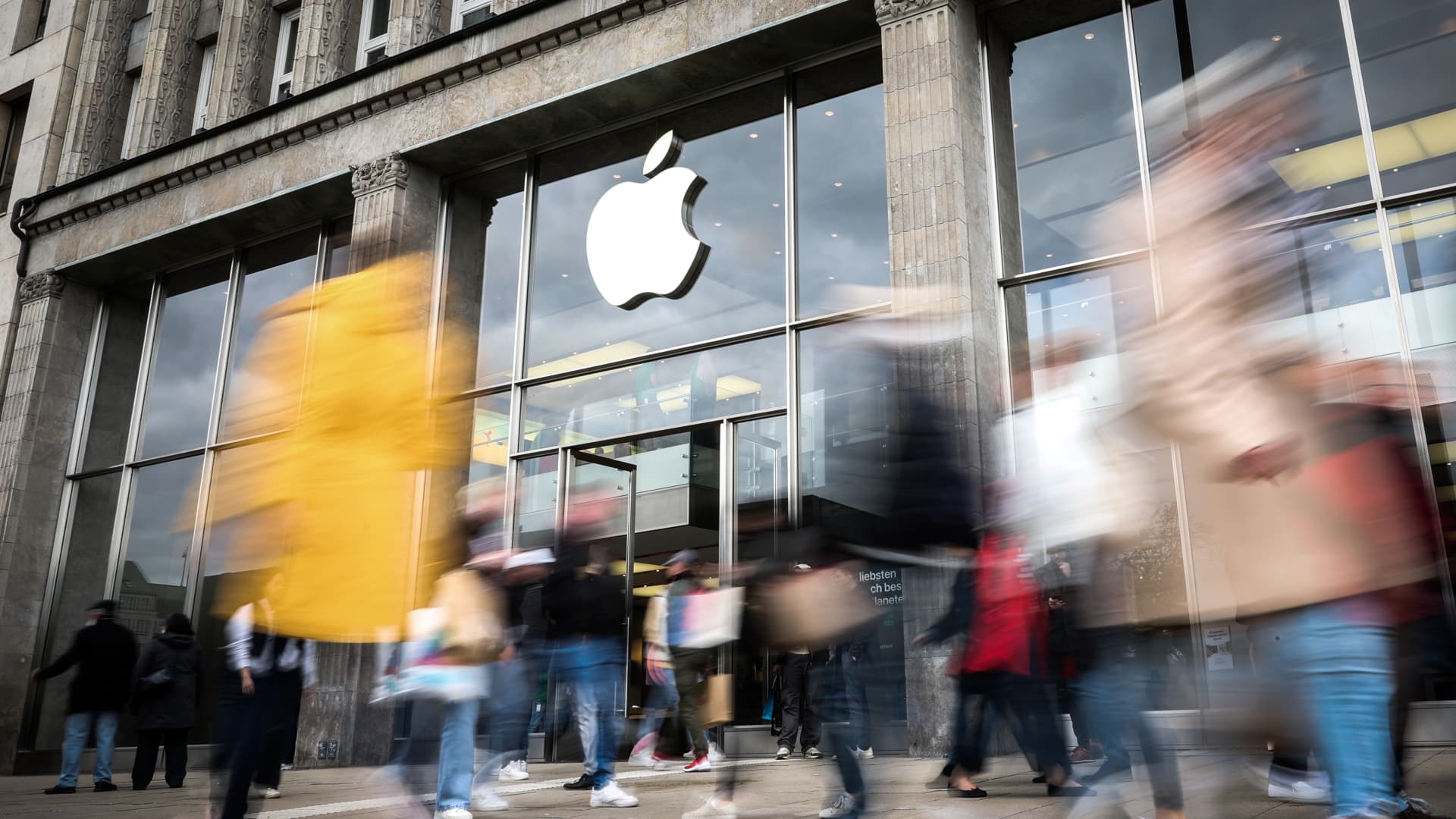
AI Boom Fuels IPOs of Market Giants
- Strong Market Performance: The S&P 500 has surged 77% over the past three years, driven by AI stocks, reflecting robust investor confidence in AI-related companies, particularly market giants like Nvidia and Alphabet.
- Massive IPO Potential: SpaceX, Anthropic, and OpenAI are preparing for IPOs, with SpaceX aiming for a valuation close to $2 trillion, while Anthropic and OpenAI are valued at $965 billion and $852 billion respectively, potentially adding trillions in market value.
- Diverse Investor Strategies: For investors seeking AI growth, cautious investors are advised to favor established tech giants like Alphabet and Nvidia, while aggressive investors might consider participating in emerging IPO stocks for higher potential returns.
- Market Participation Opportunities: SpaceX plans to allocate 30% of its IPO shares to retail investors, significantly higher than the industry average, indicating a focus on individual investors and providing diverse investment options.
See More
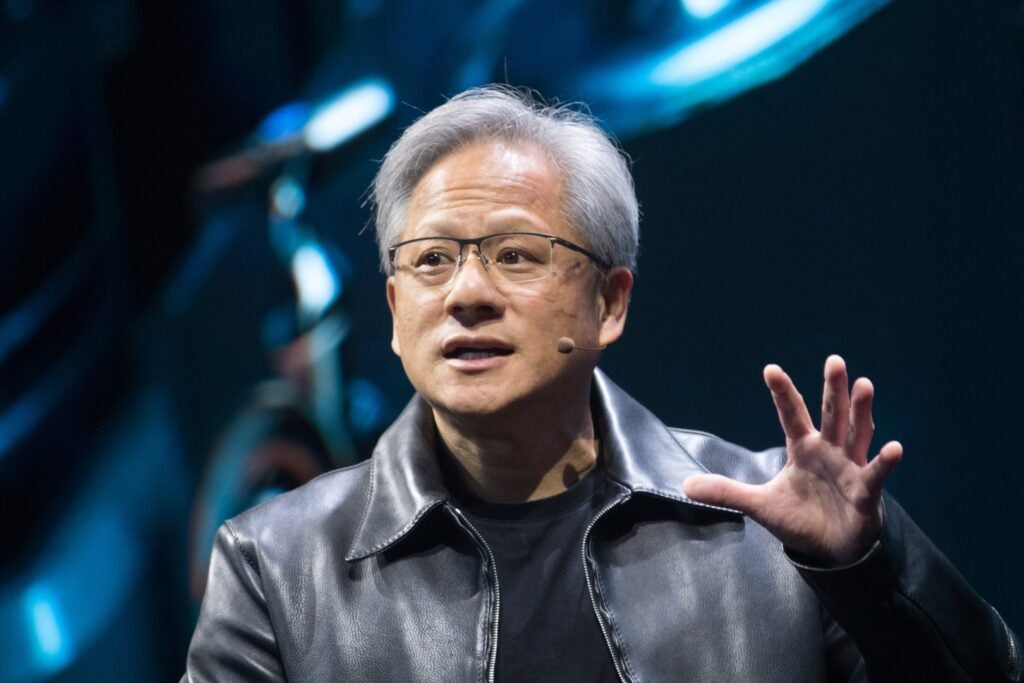
Sen. Warren Invites Nvidia CEO to Testify on China Business
- Senate Hearing: Senator Elizabeth Warren has invited Nvidia CEO Jensen Huang to testify before the Senate Banking Committee on June 11 regarding Nvidia's business in China and U.S. export controls, highlighting increasing regulatory scrutiny in the semiconductor industry.
- Tech and Security: Nvidia's AI chips are crucial in global data centers, and while the company has benefited significantly from the AI boom, lawmakers are concerned that its technology could be used by China for military and surveillance purposes, posing risks to U.S. national security.
- Export Control Controversy: Warren's letter emphasizes the need for Nvidia to articulate its views on U.S. export control laws, particularly amid rising tensions between the U.S. and China, as overly broad restrictions could undermine U.S. competitiveness and push customers toward foreign alternatives.
- Impact on AI Industry: Warren also expressed concerns about the potential disruptions AI technology could cause for workers and called for an excise tax on data centers to fund healthcare, childcare, education, and job training, reflecting deep apprehension about the future implications of AI.
See More
Nvidia Continues to Expand Market Opportunities
- Significant Revenue Growth: Nvidia reported record revenue of $81.6 billion for Q1 of fiscal 2027, marking an 85% year-over-year increase and a 20% quarter-over-quarter rise, which propelled adjusted earnings per share (EPS) up by 140%, indicating robust market demand and profitability.
- Optimistic Future Outlook: The company forecasts revenue of $91 billion for Q2 of fiscal 2027, representing a 95% growth, suggesting that Nvidia's strong performance in the AI sector will continue to drive its financial results.
- Market Dominance: Nvidia controls between 85% and 92% of the data center GPU market, showcasing its core position in AI workloads, while also launching the Vera CPU and RTX Spark AI chip, which further expands its market potential.
- Analyst Confidence: Tigress Financial analyst Ivan Feinseth maintains a strong buy rating on Nvidia, raising the price target to $425, indicating a potential upside of 98% for investors, reflecting strong confidence in the demand for AI infrastructure.
See More
Nvidia Acquires Kumo AI for Over $400M
- Acquisition Confirmation: Nvidia has confirmed its acquisition of AI model maker Kumo AI for over $400 million, as stated by an executive on LinkedIn, indicating the company's strategic expansion in the AI sector.
- Founder Transition: Kumo AI founders Vanja Josifovski, Jure Leskovec, and Hema Raghavan have updated their LinkedIn profiles to reflect their new roles at Nvidia, suggesting a potential boost in AI technology development within the company.
- Product Launch: Kumo AI released its latest model, KumoRFM-2, in April, showcasing the startup's ongoing innovation in AI model development, which could enhance Nvidia's competitive edge in the market.
- Stock Price Reaction: Despite the acquisition news, Nvidia's shares fell by 1% on Thursday, indicating that the market's initial reaction to the deal may not be positive, as investors express concerns over potential integration risks.
See More
AI Boom Fuels IPO Surge for Giants
- AI Market Growth: Over the past three years, AI stocks have driven a 77% increase in the S&P 500, showcasing the significant impact of AI technology on the market and attracting substantial investor interest in related companies.
- Performance of Giants: Companies like Nvidia and Alphabet have seen their stock prices increase by triple digits in the last three years, indicating that these early AI adopters are leveraging their stable revenue streams and emerging AI opportunities for substantial profit growth.
- Emerging Companies IPO: New AI companies such as SpaceX, Anthropic, and OpenAI are preparing for IPOs, with SpaceX aiming for a valuation close to $2 trillion, while Anthropic and OpenAI are valued at $965 billion and $852 billion respectively, highlighting the immense potential of the AI market.
- Investment Strategy Advice: For investors seeking AI growth, a diversified investment strategy is recommended, focusing on established tech giants like Alphabet and Amazon while also considering participation in emerging IPOs for long-term stable returns.
See More
U.S. Consumer Sentiment Hits Record Low Amid Market Highs
- Consumer Sentiment Decline: The University of Michigan Consumer Sentiment Index fell to an all-time low in May, lower than during the Great Recession and the pandemic, indicating a growing pessimism about the economic outlook that could negatively impact consumer spending and economic growth.
- Rising Food Insecurity: A survey revealed that food insecurity in the U.S. is now higher than during the peak of the COVID-19 pandemic, with millions of Americans struggling with increased living costs, which may lead to reduced household spending and further strain the economy.
- Market-Economy Disconnect: Despite low consumer confidence, the S&P 500 continues to reach record highs, illustrating a disconnect between market performance and economic fundamentals, driven largely by enthusiasm for tech stocks, with Nvidia and Micron Technology seeing returns of 465% and 1,420% over the past three years, respectively.
- Importance of Long-Term Investment: Historical data suggests that maintaining investments in quality stocks is crucial for portfolio protection during downturns, as the S&P 500 has surged over 224% in the past 20 years despite multiple bear markets, highlighting the potential for significant returns through patient investing.
See More
AI Boom Fuels IPOs of Market Giants
- Strong Market Performance: The S&P 500 has surged 77% over the past three years, driven by AI stocks, reflecting robust investor confidence in AI-related companies, particularly market giants like Nvidia and Alphabet.
- Massive IPO Potential: SpaceX, Anthropic, and OpenAI are preparing for IPOs, with SpaceX aiming for a valuation close to $2 trillion, while Anthropic and OpenAI are valued at $965 billion and $852 billion respectively, potentially adding trillions in market value.
- Diverse Investor Strategies: For investors seeking AI growth, cautious investors are advised to favor established tech giants like Alphabet and Nvidia, while aggressive investors might consider participating in emerging IPO stocks for higher potential returns.
- Market Participation Opportunities: SpaceX plans to allocate 30% of its IPO shares to retail investors, significantly higher than the industry average, indicating a focus on individual investors and providing diverse investment options.
See More
Sen. Warren Invites Nvidia CEO to Testify on China Business
- Senate Hearing: Senator Elizabeth Warren has invited Nvidia CEO Jensen Huang to testify before the Senate Banking Committee on June 11 regarding Nvidia's business in China and U.S. export controls, highlighting increasing regulatory scrutiny in the semiconductor industry.
- Tech and Security: Nvidia's AI chips are crucial in global data centers, and while the company has benefited significantly from the AI boom, lawmakers are concerned that its technology could be used by China for military and surveillance purposes, posing risks to U.S. national security.
- Export Control Controversy: Warren's letter emphasizes the need for Nvidia to articulate its views on U.S. export control laws, particularly amid rising tensions between the U.S. and China, as overly broad restrictions could undermine U.S. competitiveness and push customers toward foreign alternatives.
- Impact on AI Industry: Warren also expressed concerns about the potential disruptions AI technology could cause for workers and called for an excise tax on data centers to fund healthcare, childcare, education, and job training, reflecting deep apprehension about the future implications of AI.
See More