Samsung and SK Hynix to Invest $590 Billion in Chip Complex
Written by Emily J. Thompson, Senior Investment Analyst
Updated: 40 minutes ago
0mins
Source: stocktwits
- Investment Announcement: Samsung Electronics, SK Hynix, and the South Korean government revealed plans to invest approximately $590 billion in a new chip complex, which includes four chipmaking plants aimed at doubling the country's DRAM production capacity within five years, indicating strong confidence in the semiconductor sector.
- Market Reaction: Following the official announcement, shares of Samsung and SK Hynix rebounded from earlier losses, with the Kospi index closing down only 0.2% after recovering from a 3.4% drop, reflecting investor optimism about future growth prospects.
- AI Infrastructure Boost: As demand for high-bandwidth memory (HBM) chips surges due to aggressive spending by cloud companies and tech firms, Samsung and SK Hynix have emerged as key beneficiaries of the AI boom, further solidifying their leadership positions in the global market.
- Regulatory Scrutiny: Despite the booming business, the immense size and influence of Samsung and SK Hynix in the South Korean market have raised regulatory concerns, prompting authorities to pause trading on the Kospi twice last week to stabilize market sentiment, highlighting the sensitivity of investors to stock price fluctuations.
Trade with 70% Backtested Accuracy
Stop guessing "Should I Buy MU?" and start using high-conviction signals backed by rigorous historical data.
Sign up today to access powerful investing tools and make smarter, data-driven decisions.
Analyst Views on MU
Wall Street analysts forecast MU stock price to fall
26 Analyst Rating
24 Buy
2 Hold
0 Sell
Strong Buy
Current: 1213.560

Low
235.00
Averages
336.12
High
500.00
Current: 1213.560
Low
235.00
Averages
336.12
High
500.00
About MU
Micron Technology, Inc. provides memory and storage solutions. The Company delivers a portfolio of high-performance dynamic random-access memory (DRAM), NAND, and NOR memory and storage products through its Micron and Crucial brands. The Company's products enable advancing in artificial intelligence (AI) and compute-intensive applications. Its segments include Cloud Memory Business Unit (CMBU), Core Data Center Business Unit (CDBU), Mobile and Client Business Unit (MCBU) and Automotive and Embedded Business Unit (AEBU). CMBU is focused on memory solutions for large hyperscale cloud customers, and high bandwidth memory (HBM) for all data center customers. CDBU is focused on memory solutions for mid-tier cloud, enterprise, and OEM data center customers and storage solutions for all data center customers. MCBU is focused on memory and storage solutions for mobile and client segments. AEBU is focused on memory and storage solutions for the automotive, industrial, and consumer segments.
About the author

Emily J. Thompson
Emily J. Thompson, a Chartered Financial Analyst (CFA) with 12 years in investment research, graduated with honors from the Wharton School. Specializing in industrial and technology stocks, she provides in-depth analysis for Intellectia’s earnings and market brief reports.
Micron Technology Reports Strong Q3 Earnings, Stock Split Speculation Rises

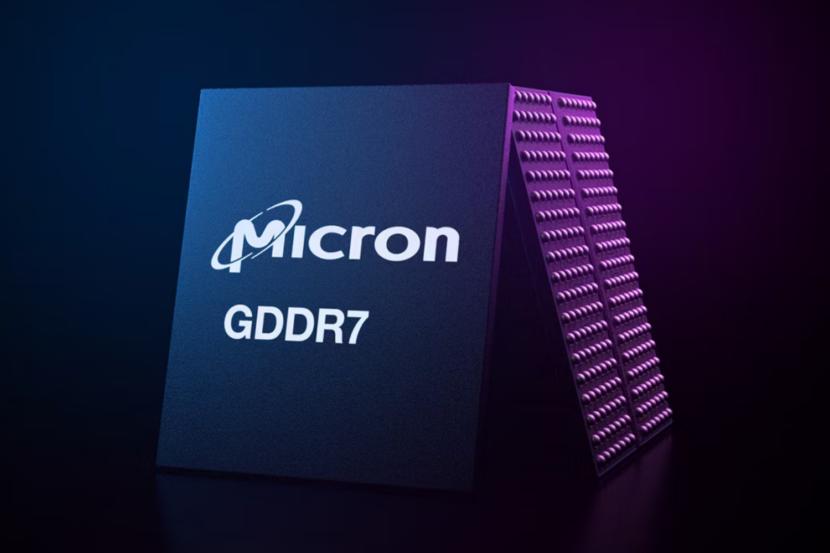
- Strong Performance: Micron Technology reported a fiscal Q3 earnings per share (EPS) of $25.11 and revenue of $41.5 billion, significantly surpassing Bloomberg analyst expectations of $20.39 EPS and $35.1 billion in revenue, highlighting the company's robust position in the memory chip market.
- Optimistic Outlook: The company anticipates Q4 revenue between $49 billion and $51 billion, exceeding analyst consensus estimates of $43.2 billion, indicating strong profitability and adaptability to ongoing market demand.
- Positive Stock Reaction: Following the earnings report, Micron's stock price surged above $1,000 per share, raising speculation about a potential stock split, which could attract more investors and further boost the stock price.
- Psychological Impact of Stock Splits: While historical data shows that companies that split their stock have an average total return of 25.4% in the following year, Micron's stock has already risen over 260% this year, suggesting that the impact of a stock split may not be as pronounced, prompting management to carefully consider the decision.
See More
Micron's Strong Earnings Boost AI Market Confidence
- Micron's Strong Performance: Micron (MU) delivered a robust earnings report and guidance last week, indicating that AI spending remains on track, which boosted related stocks and strengthened the case for further upside in the S&P 500 index.
- Significant Valuation Gap: Despite Micron's substantial earnings growth, its stock trades at around 10 times forward earnings, roughly half that of the S&P 500, reflecting investor concerns about the sustainability of the AI boom.
- Market Sentiment on Edge: Semiconductor stocks reversed course on Friday following price increases by Apple (AAPL) and Microsoft (MSFT) due to rising memory costs, with the market remaining vigilant for any catalysts that could trigger a downturn.
- Shifts in Investor Preference: Even though AI productivity and ROI remain unclear, investors continue to favor stocks related to AI bottlenecks and infrastructure build-out, believing that CEOs should not shy away from technology spending to avoid missing potential gains.
See More

Rising Financing Costs Strain U.S. Stock Market Rally


- Rising Financing Costs: The exposure of primary dealers to equity repos has surpassed $220 billion due to inflows into leveraged products and hedge fund risks, driving financing costs to record highs, which may impact market liquidity.
- Market Sentiment and Demand: Despite rising financing costs, assets in U.S.-domiciled leveraged exchange-traded products have doubled in recent months to around $200 billion, indicating investor confidence in the market, but this may force leveraged investors to pull back.
- Concentration Risk: Morgan Stanley highlights that the stock market rally is heavily concentrated in the technology sector, particularly semiconductor firms like Nvidia and Broadcom, suggesting an increasing dependence on leverage that could lead to future market volatility.
- Fragility of Consumption Support: As asset prices rise, their role as a critical support for U.S. consumption becomes evident, but if the stock market stagnates, this support may weaken, affecting economic growth prospects.
See More

U.S. Economy and Stock Market Diverge


- Strong Economic Data: Despite declines in the Nasdaq and S&P 500 in June, U.S. economic indicators remain robust, with continued job growth and strong consumer spending suggesting resilience that could positively impact future growth estimates.
- Rising Rates Impact Markets: As real interest rates rise, investors find themselves at a crossroads; while expectations for Fed rate hikes increase, many analysts doubt actual tightening will occur, potentially leading to declines in gold and bitcoin prices.
- Debt Surge Changes Sentiment: Major tech firms have issued $60 billion in bonds over the past year, and while spending on AI infrastructure increases, concerns about future capital expenditure cuts are rising, which could negatively affect overall economic growth.
- Uncertain Capex Outlook: Although major tech companies plan to invest over $700 billion in capital projects in the coming years, worries about potential cuts in capital expenditures could impact the economy, especially given the significant share of tech spending in GDP.
See More

Samsung and SK Hynix to Invest $590 Billion in Chip Complex
- Investment Announcement: Samsung Electronics, SK Hynix, and the South Korean government revealed plans to invest approximately $590 billion in a new chip complex, which includes four chipmaking plants aimed at doubling the country's DRAM production capacity within five years, indicating strong confidence in the semiconductor sector.
- Market Reaction: Following the official announcement, shares of Samsung and SK Hynix rebounded from earlier losses, with the Kospi index closing down only 0.2% after recovering from a 3.4% drop, reflecting investor optimism about future growth prospects.
- AI Infrastructure Boost: As demand for high-bandwidth memory (HBM) chips surges due to aggressive spending by cloud companies and tech firms, Samsung and SK Hynix have emerged as key beneficiaries of the AI boom, further solidifying their leadership positions in the global market.
- Regulatory Scrutiny: Despite the booming business, the immense size and influence of Samsung and SK Hynix in the South Korean market have raised regulatory concerns, prompting authorities to pause trading on the Kospi twice last week to stabilize market sentiment, highlighting the sensitivity of investors to stock price fluctuations.
See More
Micron's Stock Surge Driven by Profit Growth Potential
- Profit Growth Potential: Micron's stock has surged over 1,200% in the past 18 months, with the latest quarterly revenue quadrupling year-over-year from $9.3 billion to $41.5 billion, indicating strong profitability and market demand.
- AI Infrastructure Investment: Heavy investments in AI infrastructure by global companies are driving demand for advanced memory, enabling Micron and its peers to achieve significant revenue and profit growth, further solidifying its market position.
- Challenges in Maintaining High Margins: Despite current high profits, Micron must focus on the sustainability of its long-term profit margins, especially given the cyclical nature of the memory industry, where overexpansion can lead to pricing and profit pressures.
- Future Growth Outlook: If Micron can continue to benefit from AI spending and expand its higher-margin memory product offerings, there remains potential for stock price appreciation, making it crucial for investors to monitor the company's long-term profitability.
See More
Micron Technology Reports Strong Q3 Earnings, Stock Split Speculation Rises
- Strong Performance: Micron Technology reported a fiscal Q3 earnings per share (EPS) of $25.11 and revenue of $41.5 billion, significantly surpassing Bloomberg analyst expectations of $20.39 EPS and $35.1 billion in revenue, highlighting the company's robust position in the memory chip market.
- Optimistic Outlook: The company anticipates Q4 revenue between $49 billion and $51 billion, exceeding analyst consensus estimates of $43.2 billion, indicating strong profitability and adaptability to ongoing market demand.
- Positive Stock Reaction: Following the earnings report, Micron's stock price surged above $1,000 per share, raising speculation about a potential stock split, which could attract more investors and further boost the stock price.
- Psychological Impact of Stock Splits: While historical data shows that companies that split their stock have an average total return of 25.4% in the following year, Micron's stock has already risen over 260% this year, suggesting that the impact of a stock split may not be as pronounced, prompting management to carefully consider the decision.
See More
Micron's Strong Earnings Boost AI Market Confidence
- Micron's Strong Performance: Micron (MU) delivered a robust earnings report and guidance last week, indicating that AI spending remains on track, which boosted related stocks and strengthened the case for further upside in the S&P 500 index.
- Significant Valuation Gap: Despite Micron's substantial earnings growth, its stock trades at around 10 times forward earnings, roughly half that of the S&P 500, reflecting investor concerns about the sustainability of the AI boom.
- Market Sentiment on Edge: Semiconductor stocks reversed course on Friday following price increases by Apple (AAPL) and Microsoft (MSFT) due to rising memory costs, with the market remaining vigilant for any catalysts that could trigger a downturn.
- Shifts in Investor Preference: Even though AI productivity and ROI remain unclear, investors continue to favor stocks related to AI bottlenecks and infrastructure build-out, believing that CEOs should not shy away from technology spending to avoid missing potential gains.
See More
Rising Financing Costs Strain U.S. Stock Market Rally
- Rising Financing Costs: The exposure of primary dealers to equity repos has surpassed $220 billion due to inflows into leveraged products and hedge fund risks, driving financing costs to record highs, which may impact market liquidity.
- Market Sentiment and Demand: Despite rising financing costs, assets in U.S.-domiciled leveraged exchange-traded products have doubled in recent months to around $200 billion, indicating investor confidence in the market, but this may force leveraged investors to pull back.
- Concentration Risk: Morgan Stanley highlights that the stock market rally is heavily concentrated in the technology sector, particularly semiconductor firms like Nvidia and Broadcom, suggesting an increasing dependence on leverage that could lead to future market volatility.
- Fragility of Consumption Support: As asset prices rise, their role as a critical support for U.S. consumption becomes evident, but if the stock market stagnates, this support may weaken, affecting economic growth prospects.
See More
U.S. Economy and Stock Market Diverge
- Strong Economic Data: Despite declines in the Nasdaq and S&P 500 in June, U.S. economic indicators remain robust, with continued job growth and strong consumer spending suggesting resilience that could positively impact future growth estimates.
- Rising Rates Impact Markets: As real interest rates rise, investors find themselves at a crossroads; while expectations for Fed rate hikes increase, many analysts doubt actual tightening will occur, potentially leading to declines in gold and bitcoin prices.
- Debt Surge Changes Sentiment: Major tech firms have issued $60 billion in bonds over the past year, and while spending on AI infrastructure increases, concerns about future capital expenditure cuts are rising, which could negatively affect overall economic growth.
- Uncertain Capex Outlook: Although major tech companies plan to invest over $700 billion in capital projects in the coming years, worries about potential cuts in capital expenditures could impact the economy, especially given the significant share of tech spending in GDP.
See More
Samsung and SK Hynix to Invest $590 Billion in Chip Complex
- Investment Announcement: Samsung Electronics, SK Hynix, and the South Korean government revealed plans to invest approximately $590 billion in a new chip complex, which includes four chipmaking plants aimed at doubling the country's DRAM production capacity within five years, indicating strong confidence in the semiconductor sector.
- Market Reaction: Following the official announcement, shares of Samsung and SK Hynix rebounded from earlier losses, with the Kospi index closing down only 0.2% after recovering from a 3.4% drop, reflecting investor optimism about future growth prospects.
- AI Infrastructure Boost: As demand for high-bandwidth memory (HBM) chips surges due to aggressive spending by cloud companies and tech firms, Samsung and SK Hynix have emerged as key beneficiaries of the AI boom, further solidifying their leadership positions in the global market.
- Regulatory Scrutiny: Despite the booming business, the immense size and influence of Samsung and SK Hynix in the South Korean market have raised regulatory concerns, prompting authorities to pause trading on the Kospi twice last week to stabilize market sentiment, highlighting the sensitivity of investors to stock price fluctuations.
See More
Micron's Stock Surge Driven by Profit Growth Potential
- Profit Growth Potential: Micron's stock has surged over 1,200% in the past 18 months, with the latest quarterly revenue quadrupling year-over-year from $9.3 billion to $41.5 billion, indicating strong profitability and market demand.
- AI Infrastructure Investment: Heavy investments in AI infrastructure by global companies are driving demand for advanced memory, enabling Micron and its peers to achieve significant revenue and profit growth, further solidifying its market position.
- Challenges in Maintaining High Margins: Despite current high profits, Micron must focus on the sustainability of its long-term profit margins, especially given the cyclical nature of the memory industry, where overexpansion can lead to pricing and profit pressures.
- Future Growth Outlook: If Micron can continue to benefit from AI spending and expand its higher-margin memory product offerings, there remains potential for stock price appreciation, making it crucial for investors to monitor the company's long-term profitability.
See More