RTX Awarded $206.23M Contract
Written by Emily J. Thompson, Senior Investment Analyst
Updated: Apr 28 2026
0mins
RTX was awarded a $206.23M cost-plus-incentive-fee contract. This contract provides for the design, engineering, integration, testing, and verification/validation of M-Code Global Positioning System capabilities into the AN/USN-31 Joint Precision Approach and Landing System, as well as for the procurement of four engineering development models for the Navy. Work is expected to be completed in April 2030. FY26 research, development, test and evaluation funds in the amount of $11.5M will be obligated at the time of award, none of which will expire at the end of the current fiscal year. The contract was not competed. Naval Air Systems Command is the contracting activity.
Trade with 70% Backtested Accuracy
Stop guessing "Should I Buy RTX?" and start using high-conviction signals backed by rigorous historical data.
Sign up today to access powerful investing tools and make smarter, data-driven decisions.
Analyst Views on RTX
Wall Street analysts forecast RTX stock price to rise
14 Analyst Rating
9 Buy
5 Hold
0 Sell
Moderate Buy
Current: 174.410

Low
168.00
Averages
195.77
High
215.00
Current: 174.410
Low
168.00
Averages
195.77
High
215.00
About RTX
RTX Corporation is an aerospace and defense company, which provides advanced systems and services for commercial, military, and government customers worldwide. The Company operates through three segments: Collins Aerospace, Pratt & Whitney, and Raytheon. Collins Aerospace segment provides technologically advanced aerospace and defense products and aftermarket service solutions for civil and military aircraft manufacturers, commercial airlines, and regional, business and general aviation, as well as for defense and commercial space operations. The Pratt & Whitney segment supplies aircraft engines for commercial, military, business jet, and general aviation customers. The Raytheon segment provides defensive and offensive threat detection, tracking and mitigation capabilities for the United States and foreign government and commercial customers. The Raytheon designs, develops, and provides advanced capabilities in integrated air and missile defense, smart weapons, missiles and others.
About the author

Emily J. Thompson
Emily J. Thompson, a Chartered Financial Analyst (CFA) with 12 years in investment research, graduated with honors from the Wharton School. Specializing in industrial and technology stocks, she provides in-depth analysis for Intellectia’s earnings and market brief reports.

Collins Aerospace Expands Poland Facility to Boost Production Capacity

- Capacity Expansion: Collins Aerospace has invested $69 million in its newly expanded 22,000 square meter facility in Tajęcina, Poland, which is expected to increase landing gear system production capacity by nearly 25% to meet the demands of both commercial and defense aircraft programs, thereby solidifying its market position.
- Job Creation: The expansion is projected to create approximately 190 new jobs locally, enhancing the vitality of the local labor market and demonstrating Collins' long-term commitment to the Polish economy, thus contributing to the growth of the aerospace industry.
- Technological Innovation: Collins' advanced landing gear systems are designed to improve performance and reduce maintenance requirements, and this expansion will accelerate its ability to deliver high-performance products globally, meeting customer demands for efficient and safe aviation solutions.
- Regional Investment Strategy: Poland represents RTX's largest employee base and investment footprint outside the U.S., with over 9,400 employees, and this expansion will further strengthen its engineering, manufacturing, and R&D capabilities in Poland, supporting ongoing growth in both commercial and military programs.
See More
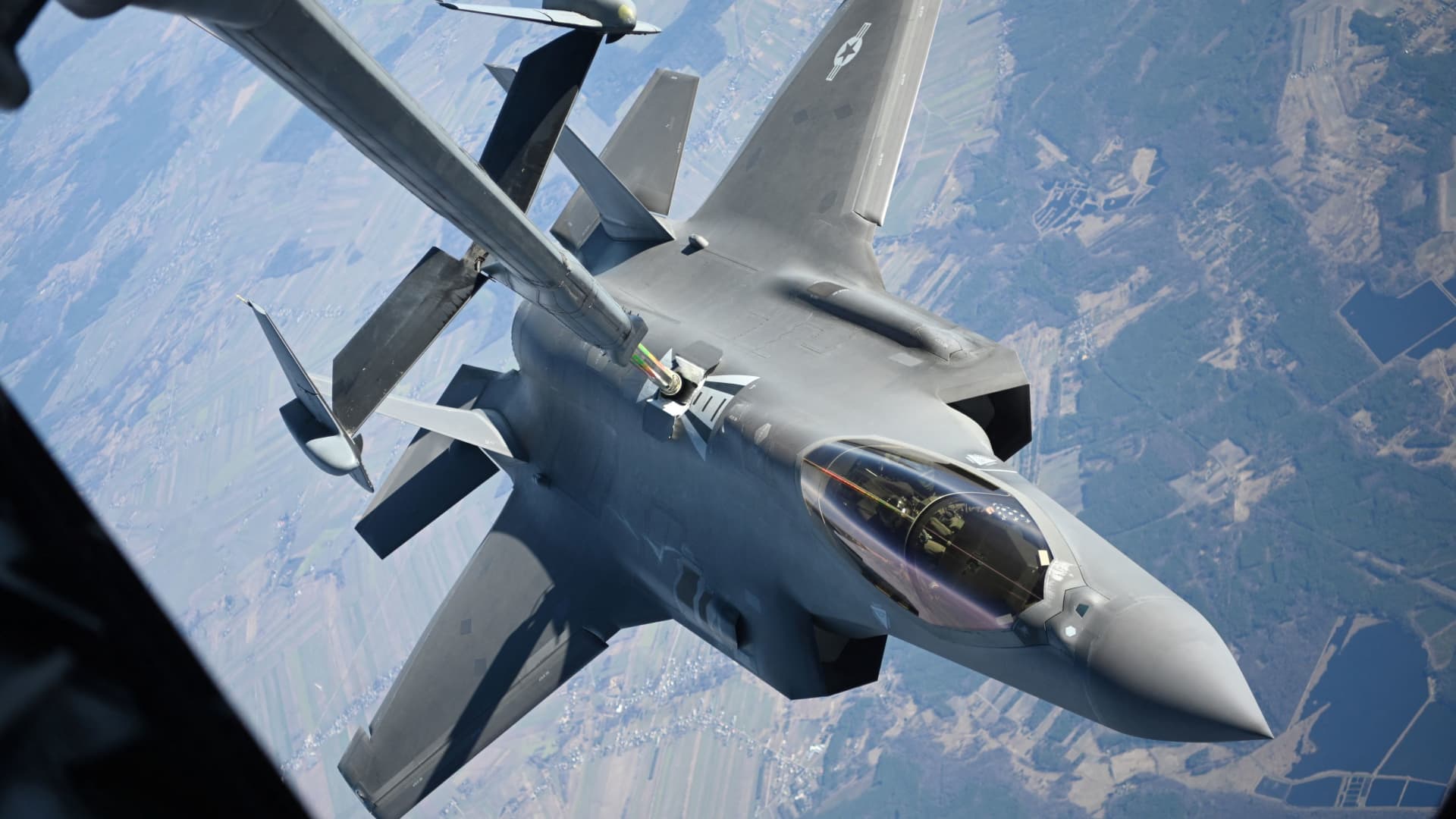
U.S. Considers Expanding Nuclear Weapons Deployment to More NATO Countries


- Nuclear Deployment Expansion: The U.S. is considering expanding its nuclear weapons deployment to more European NATO member states, currently limited to six countries, which could enhance the market outlook for defense companies involved in this sector.
- Interest from Eastern Europe: Countries like Poland and certain Baltic nations may express interest in hosting nuclear-capable bombers, especially following President Trump's pledge to increase troop presence, thereby strengthening their defense capabilities and strategic position within NATO.
- Increased Defense Spending: As Europe seeks to reduce reliance on the U.S. and boost its defense spending, there is expected to be a surge in demand for dual-capable aircraft like the F-35, which will significantly benefit companies such as BAE Systems, Lockheed Martin, and Rolls-Royce.
- Market Opportunities and Jobs: Analysts indicate that an increase in nuclear weapons deployment will necessitate more dual-capable aircraft, potentially creating numerous new jobs and generating substantial revenue growth for manufacturers, thereby solidifying their positions in the global supply chain.
See More

RTX Expands Manufacturing Facility in Poland
- Investment Expansion: RTX invested $69 million to expand its manufacturing facility in Tajęcina, Poland, adding approximately 22,000 square meters of production space, which is expected to increase landing gear production capacity by nearly 25% and create about 190 new jobs, demonstrating the company's strong response to aerospace demand.
- Strategic Significance: This expansion not only enhances RTX's production capacity for commercial and military aircraft programs but also reflects the company's long-term commitment to Poland, further solidifying the country's position as a significant aerospace manufacturing hub in Europe.
- Market Demand Response: As commercial aviation rebounds and military spending rises, RTX's expansion aims to address production bottlenecks faced by aircraft manufacturers and defense contractors in recent years, thereby supporting future revenue growth and program execution.
- Human Resource Investment: The vice president of Collins Aerospace stated that this expansion represents a long-term investment in the local workforce and the future of the aerospace ecosystem in Poland, highlighting RTX's focus on enhancing local employment and technical capabilities.
See More
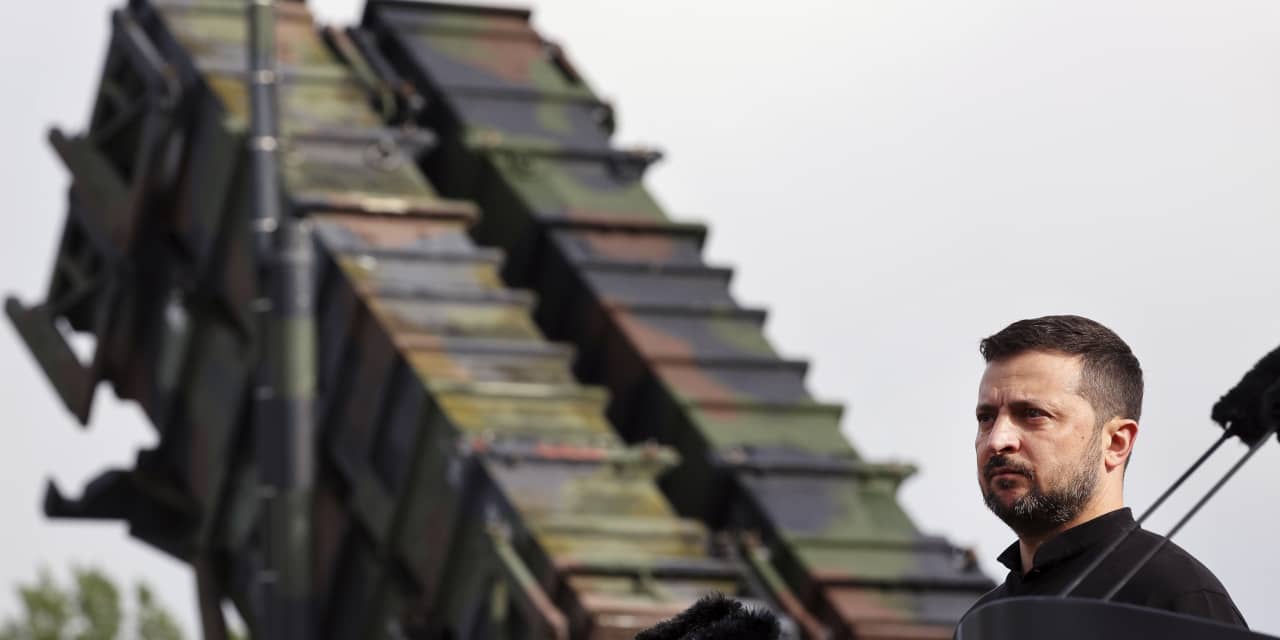
Collins Aerospace Expands Polish Facility to Boost Production Capacity by 25%
- Capacity Enhancement: Collins Aerospace's newly expanded 22,000 square meter manufacturing facility in Tajęcina, Poland, with a $69 million investment, is set to increase landing gear system production capacity by nearly 25% to meet the demands of commercial and defense aircraft programs, thereby enhancing the company's competitiveness in the global market.
- Job Creation: The expansion is expected to create approximately 190 new jobs locally, indicating Collins' long-term investment in the local workforce and further solidifying its position within the Polish aerospace ecosystem.
- Technological Innovation: Collins' advanced landing gear systems are designed to improve performance and reduce maintenance requirements, and this expansion will accelerate production capacity, ensuring timely delivery of high-performance landing gear systems that customers rely on.
- Strategic Regional Positioning: Poland represents RTX's largest employee base and investment footprint outside the U.S., and Collins' expansion complements Pratt & Whitney's recent $100 million investment in Rzeszów, further strengthening RTX's market position and production capabilities in Poland.
See More

Iran War Costs Could Reach $50 Billion

- Cost Estimation: The Pentagon's initial estimate for replacing munitions in the Iran war stands at $25 billion, but damage to U.S. bases could double this figure to $50 billion, imposing a significant burden on taxpayers.
- Defense Contractors Involvement: Major defense contractors like Boeing, RTX, and Lockheed Martin will be engaged for years to replace missiles and munitions expended during the conflict, positively impacting their future revenue streams.
- Base Damage Impact: U.S. bases in the Persian Gulf sustained damage from Iranian retaliatory strikes, which could add an additional $15 billion to $25 billion to the overall cost, further exacerbating the economic burden of the war.
- Investment Opportunity Exploration: While mainstream defense stocks like RTX and Lockheed will lead the rebuilding efforts, lesser-known companies such as KBR, Aecom, and Eaton may present potential investment opportunities due to recent Pentagon contracts.
See More
US and Iran Reach Tentative Ceasefire Agreement Amid Ongoing Negotiations
- Ceasefire Agreement: The United States and Iran reached a 'tentative deal' on Friday to extend their ceasefire, despite sporadic drone and missile exchanges last week, indicating a fragile balance in the ongoing conflict.
- Cost Analysis: The Pentagon's estimated war cost stands at $25 billion, but the actual financial burden on U.S. taxpayers could be double that figure, highlighting significant economic pressure, particularly in terms of replacing expended munitions.
- Ordnance Replacement Demand: The need to replace 1,000 Tomahawk cruise missiles, 1,100 JASSM-ER stealth cruise missiles, and 1,200 to 1,300 Patriot interceptors will keep defense contractors like Boeing, Lockheed Martin, and RTX busy for years to come.
- Investment Opportunities: As reconstruction needs rise post-war, investors should consider companies like KBR, AECOM, and Eaton, which have secured Pentagon contracts worth hundreds of millions in the past month, potentially representing undervalued stock opportunities.
See More
Collins Aerospace Expands Poland Facility to Boost Production Capacity
- Capacity Expansion: Collins Aerospace has invested $69 million in its newly expanded 22,000 square meter facility in Tajęcina, Poland, which is expected to increase landing gear system production capacity by nearly 25% to meet the demands of both commercial and defense aircraft programs, thereby solidifying its market position.
- Job Creation: The expansion is projected to create approximately 190 new jobs locally, enhancing the vitality of the local labor market and demonstrating Collins' long-term commitment to the Polish economy, thus contributing to the growth of the aerospace industry.
- Technological Innovation: Collins' advanced landing gear systems are designed to improve performance and reduce maintenance requirements, and this expansion will accelerate its ability to deliver high-performance products globally, meeting customer demands for efficient and safe aviation solutions.
- Regional Investment Strategy: Poland represents RTX's largest employee base and investment footprint outside the U.S., with over 9,400 employees, and this expansion will further strengthen its engineering, manufacturing, and R&D capabilities in Poland, supporting ongoing growth in both commercial and military programs.
See More
U.S. Considers Expanding Nuclear Weapons Deployment to More NATO Countries
- Nuclear Deployment Expansion: The U.S. is considering expanding its nuclear weapons deployment to more European NATO member states, currently limited to six countries, which could enhance the market outlook for defense companies involved in this sector.
- Interest from Eastern Europe: Countries like Poland and certain Baltic nations may express interest in hosting nuclear-capable bombers, especially following President Trump's pledge to increase troop presence, thereby strengthening their defense capabilities and strategic position within NATO.
- Increased Defense Spending: As Europe seeks to reduce reliance on the U.S. and boost its defense spending, there is expected to be a surge in demand for dual-capable aircraft like the F-35, which will significantly benefit companies such as BAE Systems, Lockheed Martin, and Rolls-Royce.
- Market Opportunities and Jobs: Analysts indicate that an increase in nuclear weapons deployment will necessitate more dual-capable aircraft, potentially creating numerous new jobs and generating substantial revenue growth for manufacturers, thereby solidifying their positions in the global supply chain.
See More
RTX Expands Manufacturing Facility in Poland
- Investment Expansion: RTX invested $69 million to expand its manufacturing facility in Tajęcina, Poland, adding approximately 22,000 square meters of production space, which is expected to increase landing gear production capacity by nearly 25% and create about 190 new jobs, demonstrating the company's strong response to aerospace demand.
- Strategic Significance: This expansion not only enhances RTX's production capacity for commercial and military aircraft programs but also reflects the company's long-term commitment to Poland, further solidifying the country's position as a significant aerospace manufacturing hub in Europe.
- Market Demand Response: As commercial aviation rebounds and military spending rises, RTX's expansion aims to address production bottlenecks faced by aircraft manufacturers and defense contractors in recent years, thereby supporting future revenue growth and program execution.
- Human Resource Investment: The vice president of Collins Aerospace stated that this expansion represents a long-term investment in the local workforce and the future of the aerospace ecosystem in Poland, highlighting RTX's focus on enhancing local employment and technical capabilities.
See More
Collins Aerospace Expands Polish Facility to Boost Production Capacity by 25%
- Capacity Enhancement: Collins Aerospace's newly expanded 22,000 square meter manufacturing facility in Tajęcina, Poland, with a $69 million investment, is set to increase landing gear system production capacity by nearly 25% to meet the demands of commercial and defense aircraft programs, thereby enhancing the company's competitiveness in the global market.
- Job Creation: The expansion is expected to create approximately 190 new jobs locally, indicating Collins' long-term investment in the local workforce and further solidifying its position within the Polish aerospace ecosystem.
- Technological Innovation: Collins' advanced landing gear systems are designed to improve performance and reduce maintenance requirements, and this expansion will accelerate production capacity, ensuring timely delivery of high-performance landing gear systems that customers rely on.
- Strategic Regional Positioning: Poland represents RTX's largest employee base and investment footprint outside the U.S., and Collins' expansion complements Pratt & Whitney's recent $100 million investment in Rzeszów, further strengthening RTX's market position and production capabilities in Poland.
See More
Iran War Costs Could Reach $50 Billion
- Cost Estimation: The Pentagon's initial estimate for replacing munitions in the Iran war stands at $25 billion, but damage to U.S. bases could double this figure to $50 billion, imposing a significant burden on taxpayers.
- Defense Contractors Involvement: Major defense contractors like Boeing, RTX, and Lockheed Martin will be engaged for years to replace missiles and munitions expended during the conflict, positively impacting their future revenue streams.
- Base Damage Impact: U.S. bases in the Persian Gulf sustained damage from Iranian retaliatory strikes, which could add an additional $15 billion to $25 billion to the overall cost, further exacerbating the economic burden of the war.
- Investment Opportunity Exploration: While mainstream defense stocks like RTX and Lockheed will lead the rebuilding efforts, lesser-known companies such as KBR, Aecom, and Eaton may present potential investment opportunities due to recent Pentagon contracts.
See More
US and Iran Reach Tentative Ceasefire Agreement Amid Ongoing Negotiations
- Ceasefire Agreement: The United States and Iran reached a 'tentative deal' on Friday to extend their ceasefire, despite sporadic drone and missile exchanges last week, indicating a fragile balance in the ongoing conflict.
- Cost Analysis: The Pentagon's estimated war cost stands at $25 billion, but the actual financial burden on U.S. taxpayers could be double that figure, highlighting significant economic pressure, particularly in terms of replacing expended munitions.
- Ordnance Replacement Demand: The need to replace 1,000 Tomahawk cruise missiles, 1,100 JASSM-ER stealth cruise missiles, and 1,200 to 1,300 Patriot interceptors will keep defense contractors like Boeing, Lockheed Martin, and RTX busy for years to come.
- Investment Opportunities: As reconstruction needs rise post-war, investors should consider companies like KBR, AECOM, and Eaton, which have secured Pentagon contracts worth hundreds of millions in the past month, potentially representing undervalued stock opportunities.
See More