Rocket Lab Neutron Tank Rupture Affects 2026 Launch Schedule
Written by Emily J. Thompson, Senior Investment Analyst
Updated: Jan 22 2026
0mins
Source: stocktwits
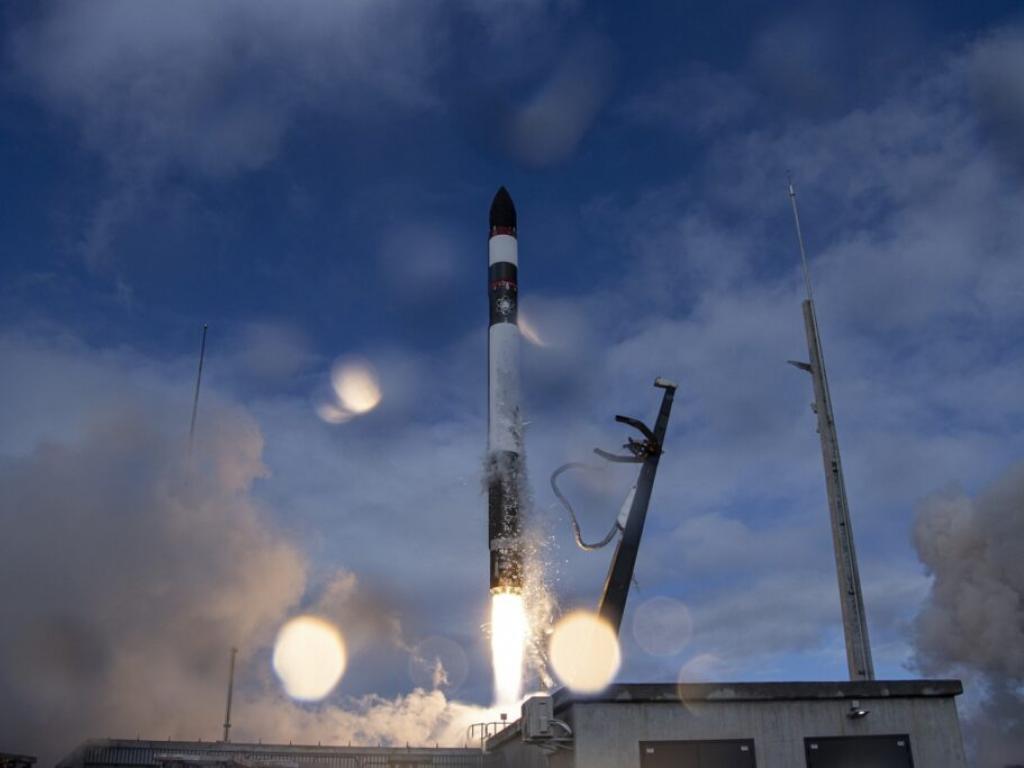
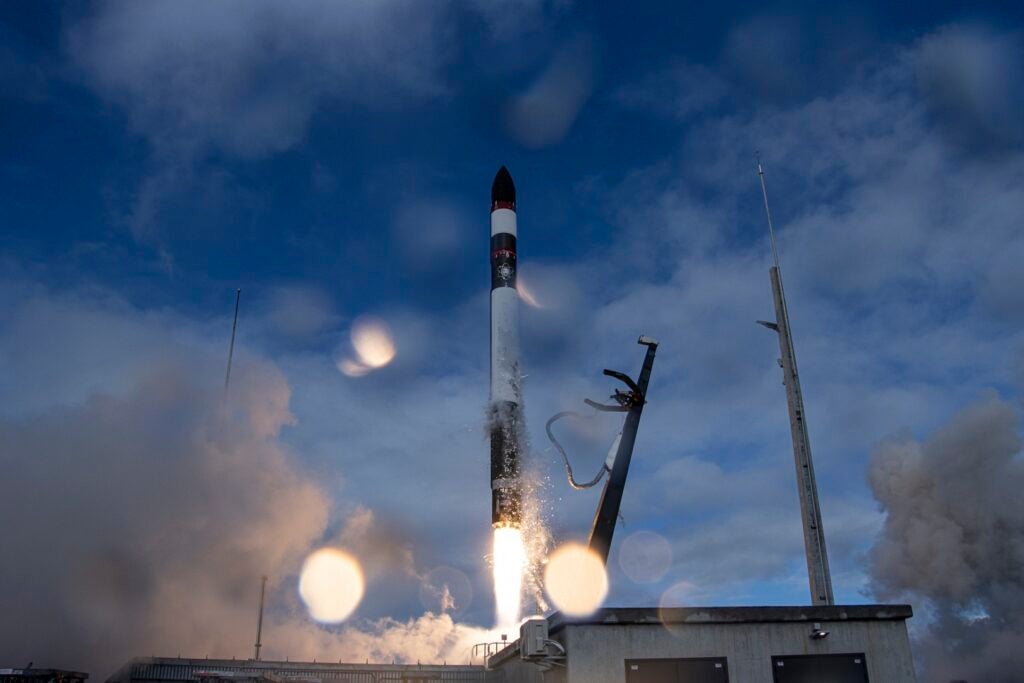
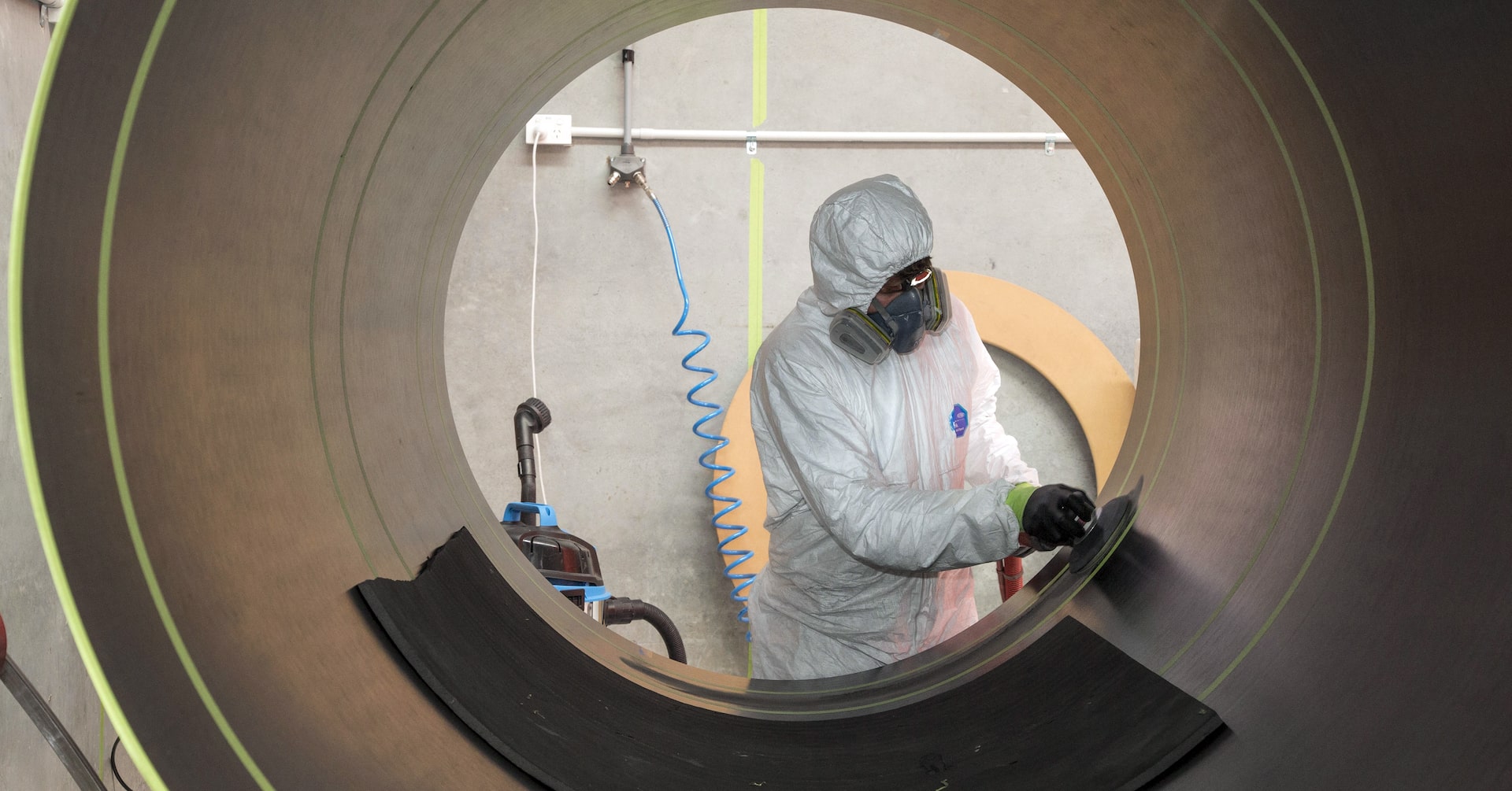
- Testing Issues: Rocket Lab's qualification testing of the Neutron Stage 1 tank resulted in a rupture during a hydrostatic pressure trial, which, while part of the qualification process, failed to alleviate investor concerns regarding launch delays.
- Launch Schedule Delay: The company now expects to debut Neutron in 2026, a significant postponement from the initial plan for a late 2022 launch, indicating potential uncertainties in the development process that could affect future market performance.
- Stock Price Volatility: Following the latest qualification results that raised investor concerns, Rocket Lab's shares fell over 4% in after-market trading on Wednesday, potentially marking a third consecutive day of losses, despite a 26% increase in stock price this year.
- Increased Cash Consumption: Rocket Lab indicated that cash consumption will remain elevated due to Neutron development, subsequent production investments, and infrastructure expansion, which may have long-term implications for the company's financial health.
Trade with 70% Backtested Accuracy
Stop guessing "Should I Buy RKLB?" and start using high-conviction signals backed by rigorous historical data.
Sign up today to access powerful investing tools and make smarter, data-driven decisions.
Analyst Views on RKLB
Wall Street analysts forecast RKLB stock price to fall
11 Analyst Rating
7 Buy
4 Hold
0 Sell
Moderate Buy
Current: 119.950

Low
63.00
Averages
86.89
High
120.00
Current: 119.950
Low
63.00
Averages
86.89
High
120.00
About RKLB
Rocket Lab Corporation is an end-to-end space company. The Company designs and manufactures small and medium-class rockets, spacecraft and spacecraft components, and related software and services to support the space economy. The Company delivers reliable launch services, satellite manufacture, spacecraft design services, spacecraft components, spacecraft manufacturing, and other spacecraft and on-orbit management solutions that make it easier to access space. Its Launch Services segment provides launch and launch-related services to customers on a dedicated mission or ride-share basis. Its Space Systems segment comprises the design and manufacture of spacecraft components and spacecraft program management services, space data applications, and mission operations. Its space systems solutions are the building blocks for spacecraft, which include composite structures, reaction wheels, star trackers, solar solutions, radios, separation systems, and command and control spacecraft software.
About the author

Emily J. Thompson
Emily J. Thompson, a Chartered Financial Analyst (CFA) with 12 years in investment research, graduated with honors from the Wharton School. Specializing in industrial and technology stocks, she provides in-depth analysis for Intellectia’s earnings and market brief reports.
SpaceX IPO Set to Become Largest in History


- Valuation Bubble Risk: SpaceX is set to go public on June 12 with a target valuation of $2 trillion, which is 107 times last year's sales, raising concerns about a potential valuation bubble despite a 33% revenue growth in 2025, which could impact investor confidence.
- Deteriorating Financials: In Q1 2026, SpaceX reported a net loss of $4.3 billion on $4.7 billion in revenue, primarily due to a $6.4 billion operating loss from its AI division xAI, indicating severe challenges to its profitability that may affect its IPO performance.
- Strong Market Demand: Despite financial risks, SpaceX's IPO is already two times oversubscribed, reflecting strong market interest in its future growth; however, investors should carefully assess the potential for high volatility.
- Comparison with Rocket Lab: In contrast to SpaceX, Rocket Lab has a market cap of $64 billion and a P/E ratio of 62, but its simpler business model and expected positive EBITDA by 2027 may make it a more attractive long-term investment option.
See More
SpaceX IPO Overvalued, Rocket Lab Shows Greater Potential
- SpaceX IPO Valuation: SpaceX is set to go public on June 12 with a target valuation of $2 trillion, equating to 107 times last year's sales, indicating a bubble risk despite a 33% revenue growth in 2025.
- Deteriorating Financials: In Q1 2026, SpaceX reported a net loss of $4.3 billion on $4.7 billion in revenue, primarily due to a $6.4 billion operating loss from its AI division, severely impacting overall profitability.
- Rocket Lab Growth Potential: Rocket Lab's revenue rose 38% to $602 million in 2025, with net losses widening to $198 million; however, its simpler business model is expected to achieve positive EBITDA in 2027 and GAAP profitability by 2028.
- Market Competition Analysis: With a market cap of $64 billion, Rocket Lab trades at 62 times last year's sales, which, while not cheap, is reasonable compared to SpaceX's 100 times valuation, and its stock has surged nearly 60% this year, indicating strong market prospects.
See More
SpaceX IPO Could Be One of History's Biggest Events

- IPO Potential: SpaceX plans to file its S-1 with the SEC on May 20, 2026, targeting a valuation between $1.75 trillion and $2 trillion, which could make it one of the largest market events in history; however, this limited public float of about 5% poses significant risks alongside potential rewards.
- Starlink Revenue Surge: In 2025, SpaceX is projected to generate $18 billion in revenue, with its Starlink satellite internet business contributing $11.4 billion, accounting for 61% of total revenue, highlighting its strong market performance and profitability, especially with Starlink's paid subscriptions reaching 10.3 million in Q1 2026, doubling from the previous year.
- Diverse Investment Options: Retail investors can gain indirect exposure to SpaceX through funds like XOVR and DXYZ, with XOVR holding approximately $292 million in SpaceX shares and nearing $1.5 billion in total assets, but investors should be aware of liquidity risks and valuation lag issues.
- Rocket Lab Opportunity: Rocket Lab signed its largest launch contract in history, targeting five Neutron and three Electron launches between 2026 and 2029, surpassing its previous record of $190 million, with a total backlog now exceeding $2.2 billion, showcasing its competitive edge and growth potential in the aerospace market.
See More
SpaceX Files for IPO, Reveals $18 Billion Revenue in 2025
- Revenue Highlights: SpaceX reported $18 billion in revenue for 2025, with its Starlink satellite internet business contributing $11.4 billion, accounting for 61% of total revenue, showcasing strong market performance and growth potential.
- User Growth: As of Q1 2026, Starlink had 10.3 million paid subscriptions, doubling from the previous year, indicating rapid expansion and a solid user base in the global internet access market.
- Profitability: Starlink is the only profitable division for SpaceX, generating $4.42 billion in income, further solidifying the company's financial health in a competitive tech landscape.
- IPO Outlook: The IPO is expected to float about 5% of the company at a valuation between $1.75 trillion and $2 trillion, reflecting enormous investment demand and market interest despite the risks of sentiment fluctuations.
See More
Rocket Lab Stock Plummets 25.1% Amid Market Turmoil
- Significant Price Drop: Rocket Lab's stock plummeted 25.1% over the past week, coinciding with a 2.6% decline in the S&P 500 and a 4.7% drop in the Nasdaq Composite, indicating heightened market concerns regarding space tech stocks.
- Market Reaction Pressure: Investors repositioned their portfolios following the Blue Origin rocket explosion and expressed caution ahead of SpaceX's upcoming IPO, which has put pressure on Rocket Lab's valuation and reflects declining confidence in the space industry.
- Employment Data Impact: The Bureau of Labor Statistics reported an unexpected addition of 172,000 nonfarm payroll jobs in May, significantly exceeding the forecast of 80,000, leading investors to worry that the Federal Reserve may raise interest rates, negatively impacting valuations for Rocket Lab and other growth stocks.
- Year-to-Date Performance: Despite the substantial sell-off this week, Rocket Lab's stock is still up approximately 58% year-to-date, suggesting that long-term investors remain optimistic about the company's prospects despite short-term pressures.
See More
Rocket Lab Stock Plummets Amid Market Turmoil

- Significant Stock Decline: Rocket Lab's share price plummeted by 25.1% over the past week, contrasting sharply with the S&P 500's 2.6% drop and the Nasdaq Composite's 4.7% decline, indicating heightened investor concerns about the company's valuation.
- Market Sentiment Deterioration: The explosion of Blue Origin's New Glenn rocket at Cape Canaveral has severely impacted investor confidence in space tech stocks, leading to substantial sell-offs in Rocket Lab's shares and reflecting a broader pessimism in the space industry.
- IPO Outlook Impact: With SpaceX set to go public on June 12, the excitement surrounding its IPO, coupled with a reduced valuation range from approximately $2 trillion to $1.77 trillion, has further suppressed the stock performance of Rocket Lab and other space tech companies.
- Economic Data Pressure: The Bureau of Labor Statistics reported an unexpected addition of 172,000 nonfarm payroll jobs in May, significantly above the forecast of 80,000, raising investor fears that the Federal Reserve may raise interest rates, which could negatively affect the valuation of Rocket Lab and other growth stocks.
See More
SpaceX IPO Set to Become Largest in History
- Valuation Bubble Risk: SpaceX is set to go public on June 12 with a target valuation of $2 trillion, which is 107 times last year's sales, raising concerns about a potential valuation bubble despite a 33% revenue growth in 2025, which could impact investor confidence.
- Deteriorating Financials: In Q1 2026, SpaceX reported a net loss of $4.3 billion on $4.7 billion in revenue, primarily due to a $6.4 billion operating loss from its AI division xAI, indicating severe challenges to its profitability that may affect its IPO performance.
- Strong Market Demand: Despite financial risks, SpaceX's IPO is already two times oversubscribed, reflecting strong market interest in its future growth; however, investors should carefully assess the potential for high volatility.
- Comparison with Rocket Lab: In contrast to SpaceX, Rocket Lab has a market cap of $64 billion and a P/E ratio of 62, but its simpler business model and expected positive EBITDA by 2027 may make it a more attractive long-term investment option.
See More
SpaceX IPO Overvalued, Rocket Lab Shows Greater Potential
- SpaceX IPO Valuation: SpaceX is set to go public on June 12 with a target valuation of $2 trillion, equating to 107 times last year's sales, indicating a bubble risk despite a 33% revenue growth in 2025.
- Deteriorating Financials: In Q1 2026, SpaceX reported a net loss of $4.3 billion on $4.7 billion in revenue, primarily due to a $6.4 billion operating loss from its AI division, severely impacting overall profitability.
- Rocket Lab Growth Potential: Rocket Lab's revenue rose 38% to $602 million in 2025, with net losses widening to $198 million; however, its simpler business model is expected to achieve positive EBITDA in 2027 and GAAP profitability by 2028.
- Market Competition Analysis: With a market cap of $64 billion, Rocket Lab trades at 62 times last year's sales, which, while not cheap, is reasonable compared to SpaceX's 100 times valuation, and its stock has surged nearly 60% this year, indicating strong market prospects.
See More
SpaceX IPO Could Be One of History's Biggest Events
- IPO Potential: SpaceX plans to file its S-1 with the SEC on May 20, 2026, targeting a valuation between $1.75 trillion and $2 trillion, which could make it one of the largest market events in history; however, this limited public float of about 5% poses significant risks alongside potential rewards.
- Starlink Revenue Surge: In 2025, SpaceX is projected to generate $18 billion in revenue, with its Starlink satellite internet business contributing $11.4 billion, accounting for 61% of total revenue, highlighting its strong market performance and profitability, especially with Starlink's paid subscriptions reaching 10.3 million in Q1 2026, doubling from the previous year.
- Diverse Investment Options: Retail investors can gain indirect exposure to SpaceX through funds like XOVR and DXYZ, with XOVR holding approximately $292 million in SpaceX shares and nearing $1.5 billion in total assets, but investors should be aware of liquidity risks and valuation lag issues.
- Rocket Lab Opportunity: Rocket Lab signed its largest launch contract in history, targeting five Neutron and three Electron launches between 2026 and 2029, surpassing its previous record of $190 million, with a total backlog now exceeding $2.2 billion, showcasing its competitive edge and growth potential in the aerospace market.
See More
SpaceX Files for IPO, Reveals $18 Billion Revenue in 2025
- Revenue Highlights: SpaceX reported $18 billion in revenue for 2025, with its Starlink satellite internet business contributing $11.4 billion, accounting for 61% of total revenue, showcasing strong market performance and growth potential.
- User Growth: As of Q1 2026, Starlink had 10.3 million paid subscriptions, doubling from the previous year, indicating rapid expansion and a solid user base in the global internet access market.
- Profitability: Starlink is the only profitable division for SpaceX, generating $4.42 billion in income, further solidifying the company's financial health in a competitive tech landscape.
- IPO Outlook: The IPO is expected to float about 5% of the company at a valuation between $1.75 trillion and $2 trillion, reflecting enormous investment demand and market interest despite the risks of sentiment fluctuations.
See More
Rocket Lab Stock Plummets 25.1% Amid Market Turmoil
- Significant Price Drop: Rocket Lab's stock plummeted 25.1% over the past week, coinciding with a 2.6% decline in the S&P 500 and a 4.7% drop in the Nasdaq Composite, indicating heightened market concerns regarding space tech stocks.
- Market Reaction Pressure: Investors repositioned their portfolios following the Blue Origin rocket explosion and expressed caution ahead of SpaceX's upcoming IPO, which has put pressure on Rocket Lab's valuation and reflects declining confidence in the space industry.
- Employment Data Impact: The Bureau of Labor Statistics reported an unexpected addition of 172,000 nonfarm payroll jobs in May, significantly exceeding the forecast of 80,000, leading investors to worry that the Federal Reserve may raise interest rates, negatively impacting valuations for Rocket Lab and other growth stocks.
- Year-to-Date Performance: Despite the substantial sell-off this week, Rocket Lab's stock is still up approximately 58% year-to-date, suggesting that long-term investors remain optimistic about the company's prospects despite short-term pressures.
See More
Rocket Lab Stock Plummets Amid Market Turmoil
- Significant Stock Decline: Rocket Lab's share price plummeted by 25.1% over the past week, contrasting sharply with the S&P 500's 2.6% drop and the Nasdaq Composite's 4.7% decline, indicating heightened investor concerns about the company's valuation.
- Market Sentiment Deterioration: The explosion of Blue Origin's New Glenn rocket at Cape Canaveral has severely impacted investor confidence in space tech stocks, leading to substantial sell-offs in Rocket Lab's shares and reflecting a broader pessimism in the space industry.
- IPO Outlook Impact: With SpaceX set to go public on June 12, the excitement surrounding its IPO, coupled with a reduced valuation range from approximately $2 trillion to $1.77 trillion, has further suppressed the stock performance of Rocket Lab and other space tech companies.
- Economic Data Pressure: The Bureau of Labor Statistics reported an unexpected addition of 172,000 nonfarm payroll jobs in May, significantly above the forecast of 80,000, raising investor fears that the Federal Reserve may raise interest rates, which could negatively affect the valuation of Rocket Lab and other growth stocks.
See More