Rivian Launches R2 Truck Amid Profitability Concerns
Written by Emily J. Thompson, Senior Investment Analyst
Updated: 9 hours ago
0mins
Source: NASDAQ.COM
- Market Demand Challenge: Rivian has just begun selling its mass-market R2 electric truck, and despite its award-winning high-end models, the company needs to increase volume to achieve sustainable profitability, with a year-to-date stock decline of 22% reflecting Wall Street's concerns.
- Profitability Risks: Although Rivian has made progress in production and sells each truck for more than it costs to build, it is still operating at a loss, indicating that its business model is not yet mature and future profitability remains uncertain.
- Changing Competitive Landscape: Following a similar path to Tesla's success, Rivian is launching a mass-market electric vehicle, but now every major automaker is producing EVs, significantly raising the competitive bar, making the market acceptance of the R2 critical.
- Investor Caution: As the sales performance of the R2 has yet to materialize, analysts suggest that investors remain on the sidelines until clearer market feedback is available, with Rivian's future growth hinging on the R2's market response, presenting high risks.
Trade with 70% Backtested Accuracy
Stop guessing "Should I Buy RIVN?" and start using high-conviction signals backed by rigorous historical data.
Sign up today to access powerful investing tools and make smarter, data-driven decisions.
Analyst Views on RIVN
Wall Street analysts forecast RIVN stock price to rise
18 Analyst Rating
8 Buy
7 Hold
3 Sell
Moderate Buy
Current: 15.100

Low
10.00
Averages
17.78
High
25.00
Current: 15.100
Low
10.00
Averages
17.78
High
25.00
About RIVN
Rivian Automotive, Inc. is an automotive technology company, which is engaged in developing and manufacturing category-defining electric vehicles (EVs) as well as vertically integrated technologies and services. The Company's R1 platform consists of two vehicles: the R1T, a two-row five-passenger pickup truck, and the R1S, a three-row seven-passenger sport utility vehicle (SUV). In the commercial market, the Company offers a Rivian Commercial Vehicle (RCV) platform. The vehicle on this platform is the Electric Delivery Van (EDV), designed and engineered by Rivian in collaboration with Amazon. The Company also offers FleetOS, its proprietary, end-to-end centralized fleet management subscription platform. It also offers a variety of services, including vehicle repair and maintenance, financing, insurance, joint venture, software subscriptions, and vehicle accessories, among others. Its other services include vehicle electrical architecture and software development services, and more.
About the author

Emily J. Thompson
Emily J. Thompson, a Chartered Financial Analyst (CFA) with 12 years in investment research, graduated with honors from the Wharton School. Specializing in industrial and technology stocks, she provides in-depth analysis for Intellectia’s earnings and market brief reports.

Rivian's R2 Launch Faces Significant Challenges

- Market Concerns: Rivian's stock has declined 22% year-to-date, indicating Wall Street's worries about its future profitability, particularly with the increasing competition in the EV market and cautious sentiment surrounding the R2 launch.
- New Model Launch: Rivian is set to launch the R2, aimed at the mass market, to spread costs over a larger volume; however, the acceptance of this model remains uncertain, which could impact the company's long-term profitability.
- Profitability Challenges: Although Rivian has achieved gross profit by selling trucks above production costs, it is still operating at a loss, highlighting that its business model is not yet sustainable, with future profitability hinging on the R2's market performance.
- Investor Strategy Shift: Given that the success of the R2 will directly affect Rivian's stock price, investors are advised to remain on the sidelines until clearer signals emerge, especially for those with lower risk tolerance.
See More
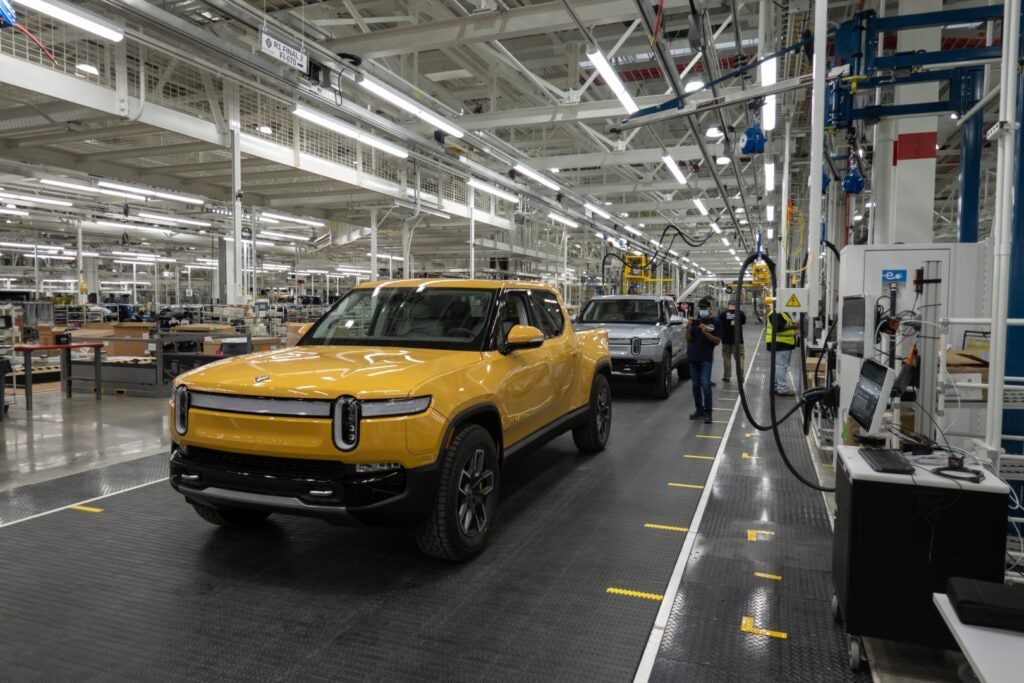
Rivian Launches R2 Truck Amid Profitability Concerns
- Market Demand Challenge: Rivian has just begun selling its mass-market R2 electric truck, and despite its award-winning high-end models, the company needs to increase volume to achieve sustainable profitability, with a year-to-date stock decline of 22% reflecting Wall Street's concerns.
- Profitability Risks: Although Rivian has made progress in production and sells each truck for more than it costs to build, it is still operating at a loss, indicating that its business model is not yet mature and future profitability remains uncertain.
- Changing Competitive Landscape: Following a similar path to Tesla's success, Rivian is launching a mass-market electric vehicle, but now every major automaker is producing EVs, significantly raising the competitive bar, making the market acceptance of the R2 critical.
- Investor Caution: As the sales performance of the R2 has yet to materialize, analysts suggest that investors remain on the sidelines until clearer market feedback is available, with Rivian's future growth hinging on the R2's market response, presenting high risks.
See More

SpaceX Stock Gains 37% in First Week but Faces Risks Ahead


- Strong Initial Performance: SpaceX stock surged 37% in its first week, meaning a $25,000 investment at IPO would now be worth over $28,600, reflecting optimistic market sentiment about its future potential.
- Significant Short-Term Volatility: Despite the strong debut, the stock faced a 16% sell-off on June 22, highlighting concerns over its high valuation and profitability, prompting investors to approach with caution amid short-term fluctuations.
- Future Growth Potential: SpaceX plans to acquire AI coding company Cursor for $60 billion, which has seen its annual sales skyrocket from $100 million to $4 billion, potentially providing a robust growth engine, especially at the intersection of AI and space.
- High-Risk Investment: With a staggering price-to-sales ratio of 125 and ongoing net losses, if SpaceX's future performance falls short of expectations, investors could face significant losses, suggesting that those with low risk tolerance should carefully consider their investment decisions.
See More
Analysis of SpaceX Stock Fluctuations Post-IPO
- IPO First Day Performance: SpaceX went public on June 12, closing its first day with a 19.2% gain, peaking at $225.64, indicating strong market demand and investor enthusiasm; however, the subsequent decline in stock price reflects concerns about its long-term performance.
- Market Reaction Analysis: Following its peak, SpaceX's stock price has dropped over 25%, suggesting that market expectations for its future growth may be overly optimistic, particularly given the typical post-IPO selling pressure and the impending expiration of lock-up periods.
- Historical Data Comparison: Research from the University of Florida indicates that IPO stocks underperform the market index by an average of 21% over three years, and as a company with over $500 million in annual revenue, SpaceX may face similar trends despite its strong initial performance.
- Future Outlook: With the second-quarter earnings report approaching, market attention on SpaceX will intensify, and investors should be wary of insider selling potentially leading to further declines, especially given its current market cap exceeding $2 trillion, limiting future upside potential.
See More

Analysis of SpaceX's Post-IPO Stock Volatility

- IPO First Day Performance: SpaceX went public on June 12, closing with a 19.2% gain from its offering price, peaking at $225.64, indicating strong market demand; however, the stock subsequently fell over 10.7% within days, reflecting concerns about its long-term performance.
- Market Performance Trend: Research from the University of Florida indicates that IPO stocks typically decline by an average of 21% over three years, and as a company with over $500 million in annual revenue, SpaceX is expected to face significant downward pressure in the coming months, especially as insiders begin to sell shares.
- Insider Selling Pressure: As lock-up periods expire, insiders will have the opportunity to sell their shares, which could further depress the stock price, particularly following the upcoming second-quarter earnings report, potentially impacting market confidence in its future performance.
- Market Expectations and Valuation: With a market cap exceeding $2 trillion and a price-to-sales ratio over 100, SpaceX's future growth is highly priced in, and analysts generally believe the stock could fall below its IPO price, with a greater likelihood of continued declines in the coming weeks.
See More

SpaceX to Aggressively Invest in AI Market Post-IPO

- Massive Market Opportunity: Following its IPO, SpaceX plans to invest in a market valued at $28.5 trillion, with over 90% focused on artificial intelligence, indicating a strategic pivot that could reshape industry dynamics.
- Robust Funding Sources: The company has raised $86.7 billion through its IPO and may pursue a $20 billion bond sale, providing substantial financial backing for its expansion in AI, which is expected to accelerate technology development and market penetration.
- Synergy with xAI: After merging with Elon Musk's xAI, SpaceX will prioritize scaling its data center infrastructure to enhance computing power, driving advancements in autonomous driving systems that will directly impact Tesla's future business model and support its global robotaxi service.
- Potential Impact on Rivian: As the robotaxi market rapidly evolves, Rivian, as an EV manufacturer, stands to benefit from SpaceX's investments, particularly through its partnership with Uber, positioning Rivian as a key supplier and further solidifying its market presence.
See More
Rivian's R2 Launch Faces Significant Challenges
- Market Concerns: Rivian's stock has declined 22% year-to-date, indicating Wall Street's worries about its future profitability, particularly with the increasing competition in the EV market and cautious sentiment surrounding the R2 launch.
- New Model Launch: Rivian is set to launch the R2, aimed at the mass market, to spread costs over a larger volume; however, the acceptance of this model remains uncertain, which could impact the company's long-term profitability.
- Profitability Challenges: Although Rivian has achieved gross profit by selling trucks above production costs, it is still operating at a loss, highlighting that its business model is not yet sustainable, with future profitability hinging on the R2's market performance.
- Investor Strategy Shift: Given that the success of the R2 will directly affect Rivian's stock price, investors are advised to remain on the sidelines until clearer signals emerge, especially for those with lower risk tolerance.
See More
Rivian Launches R2 Truck Amid Profitability Concerns
- Market Demand Challenge: Rivian has just begun selling its mass-market R2 electric truck, and despite its award-winning high-end models, the company needs to increase volume to achieve sustainable profitability, with a year-to-date stock decline of 22% reflecting Wall Street's concerns.
- Profitability Risks: Although Rivian has made progress in production and sells each truck for more than it costs to build, it is still operating at a loss, indicating that its business model is not yet mature and future profitability remains uncertain.
- Changing Competitive Landscape: Following a similar path to Tesla's success, Rivian is launching a mass-market electric vehicle, but now every major automaker is producing EVs, significantly raising the competitive bar, making the market acceptance of the R2 critical.
- Investor Caution: As the sales performance of the R2 has yet to materialize, analysts suggest that investors remain on the sidelines until clearer market feedback is available, with Rivian's future growth hinging on the R2's market response, presenting high risks.
See More
SpaceX Stock Gains 37% in First Week but Faces Risks Ahead
- Strong Initial Performance: SpaceX stock surged 37% in its first week, meaning a $25,000 investment at IPO would now be worth over $28,600, reflecting optimistic market sentiment about its future potential.
- Significant Short-Term Volatility: Despite the strong debut, the stock faced a 16% sell-off on June 22, highlighting concerns over its high valuation and profitability, prompting investors to approach with caution amid short-term fluctuations.
- Future Growth Potential: SpaceX plans to acquire AI coding company Cursor for $60 billion, which has seen its annual sales skyrocket from $100 million to $4 billion, potentially providing a robust growth engine, especially at the intersection of AI and space.
- High-Risk Investment: With a staggering price-to-sales ratio of 125 and ongoing net losses, if SpaceX's future performance falls short of expectations, investors could face significant losses, suggesting that those with low risk tolerance should carefully consider their investment decisions.
See More
Analysis of SpaceX Stock Fluctuations Post-IPO
- IPO First Day Performance: SpaceX went public on June 12, closing its first day with a 19.2% gain, peaking at $225.64, indicating strong market demand and investor enthusiasm; however, the subsequent decline in stock price reflects concerns about its long-term performance.
- Market Reaction Analysis: Following its peak, SpaceX's stock price has dropped over 25%, suggesting that market expectations for its future growth may be overly optimistic, particularly given the typical post-IPO selling pressure and the impending expiration of lock-up periods.
- Historical Data Comparison: Research from the University of Florida indicates that IPO stocks underperform the market index by an average of 21% over three years, and as a company with over $500 million in annual revenue, SpaceX may face similar trends despite its strong initial performance.
- Future Outlook: With the second-quarter earnings report approaching, market attention on SpaceX will intensify, and investors should be wary of insider selling potentially leading to further declines, especially given its current market cap exceeding $2 trillion, limiting future upside potential.
See More
Analysis of SpaceX's Post-IPO Stock Volatility
- IPO First Day Performance: SpaceX went public on June 12, closing with a 19.2% gain from its offering price, peaking at $225.64, indicating strong market demand; however, the stock subsequently fell over 10.7% within days, reflecting concerns about its long-term performance.
- Market Performance Trend: Research from the University of Florida indicates that IPO stocks typically decline by an average of 21% over three years, and as a company with over $500 million in annual revenue, SpaceX is expected to face significant downward pressure in the coming months, especially as insiders begin to sell shares.
- Insider Selling Pressure: As lock-up periods expire, insiders will have the opportunity to sell their shares, which could further depress the stock price, particularly following the upcoming second-quarter earnings report, potentially impacting market confidence in its future performance.
- Market Expectations and Valuation: With a market cap exceeding $2 trillion and a price-to-sales ratio over 100, SpaceX's future growth is highly priced in, and analysts generally believe the stock could fall below its IPO price, with a greater likelihood of continued declines in the coming weeks.
See More
SpaceX to Aggressively Invest in AI Market Post-IPO
- Massive Market Opportunity: Following its IPO, SpaceX plans to invest in a market valued at $28.5 trillion, with over 90% focused on artificial intelligence, indicating a strategic pivot that could reshape industry dynamics.
- Robust Funding Sources: The company has raised $86.7 billion through its IPO and may pursue a $20 billion bond sale, providing substantial financial backing for its expansion in AI, which is expected to accelerate technology development and market penetration.
- Synergy with xAI: After merging with Elon Musk's xAI, SpaceX will prioritize scaling its data center infrastructure to enhance computing power, driving advancements in autonomous driving systems that will directly impact Tesla's future business model and support its global robotaxi service.
- Potential Impact on Rivian: As the robotaxi market rapidly evolves, Rivian, as an EV manufacturer, stands to benefit from SpaceX's investments, particularly through its partnership with Uber, positioning Rivian as a key supplier and further solidifying its market presence.
See More