Rio Tinto Launches $1.5B Aluminium Smelter Expansion in Quebec
Rio Tinto announced it has successfully started commissioning its $1.5B AP60 smelter expansion at Complexe Arvida in Quebec. "The start-up, which began in March, is expected to be completed by the end of 2026 with all 96 new pots operating. This will increase the plant's production capacity by approximately 160,000 metric tonnes of primary aluminium annually for a total of 220,000 metric tonnes produced with the AP60 technology. The AP60 expansion, together with the planned aluminium recycling centre at Arvida, will more than offset the loss of production associated with the closure of the older Arvida potrooms, which is expected to be completed in June. The expansion will directly support approximately 100 permanent high-quality jobs locally and help consolidate positions across the supply chain. During its peak construction period, more than 1,500 jobs were created and the project generated more than $1 billion in economic benefits for the province of Quebec through spending with contractors and suppliers. Representing the next chapter of Rio Tinto's century-long history in Quebec, it strengthens its ability to supply customers in North America with low-carbon, high-quality aluminium for transportation, construction, electrical applications and consumer goods," the company stated.
Trade with 70% Backtested Accuracy
Analyst Views on RIO

About RIO
About the author


Rio Tinto Resumes Copper Exports from Oyu Tolgoi Mine

- Export Resumption: Rio Tinto has restarted copper concentrate exports from its Oyu Tolgoi mine in Mongolia after a brief protest, ensuring stable supply to the Chinese market and demonstrating the company's flexibility and responsiveness in managing critical resources.
- Unclear Protest Reasons: While the protest caused a disruption in shipments, the specific reasons remain unclear, highlighting the mine's sensitivity in Mongolia and potentially affecting future operational stability and government relations.
- Strategic Importance: Oyu Tolgoi is one of the world's largest copper mines and is crucial to Rio's copper growth strategy, with rising demand for copper driven by electrification and the global energy transition, making any disruptions significant for the company's performance.
- Shareholder Interests: Rio holds a 66% stake in the mine, with the Mongolian government owning the remainder, and the government's push for a larger share of revenue could impact future profit distribution and investment decisions, necessitating close monitoring by investors.
Rio Tinto Resumes Copper Exports from Oyu Tolgoi Mine
- Export Resumption: Rio Tinto announced the resumption of copper concentrate exports from its Oyu Tolgoi mine in Mongolia after a one-day protest blocked key roads, demonstrating the company's flexibility in crisis management.
- Unclear Protest Reasons: Protesters obstructed trucks from transporting copper to the Chinese border, and while the reasons remain unclear, the mine has been controversial in Mongolia, where the government seeks a larger revenue share, potentially impacting future operations.
- Market Reaction: Copper futures on the London Metal Exchange fell over 1% due to concerns about potential rate hikes from the Federal Reserve, indicating the global market's sensitivity to interest rate changes that could affect import costs for copper.
- Supply Chain Risks: Rio Tinto expressed concerns that prolonged disruptions could threaten its ability to supply copper concentrate to China, highlighting the project's significance in the global copper supply chain.
Protesters Block Copper Exports from Rio Tinto's Oyu Tolgoi Mine
- Protest Impact: Protesters have blocked a key road from Rio Tinto's Oyu Tolgoi copper mine in Mongolia, halting copper concentrate shipments to China, which could disrupt supply chains and impact the economies of both nations.
- Revenue Sharing Dispute: The protest group is demanding a larger share of mining revenues for Mongolians, and if their demands are not met, it could lead to larger-scale protests, affecting the investment climate in the mining sector.
- Contractual Risk: Rio Tinto has warned that the protests could result in a failure to fulfill contractual obligations, potentially causing significant disruptions to Mongolia's state budget and tarnishing the international reputation of Mongolia and its mining sector.
- Mining Significance: Oyu Tolgoi is one of the world's most significant copper projects, with Rio Tinto holding a 66% stake; if the protests continue, it may hinder the mine's goal of becoming the world's fourth-largest operating copper mine.
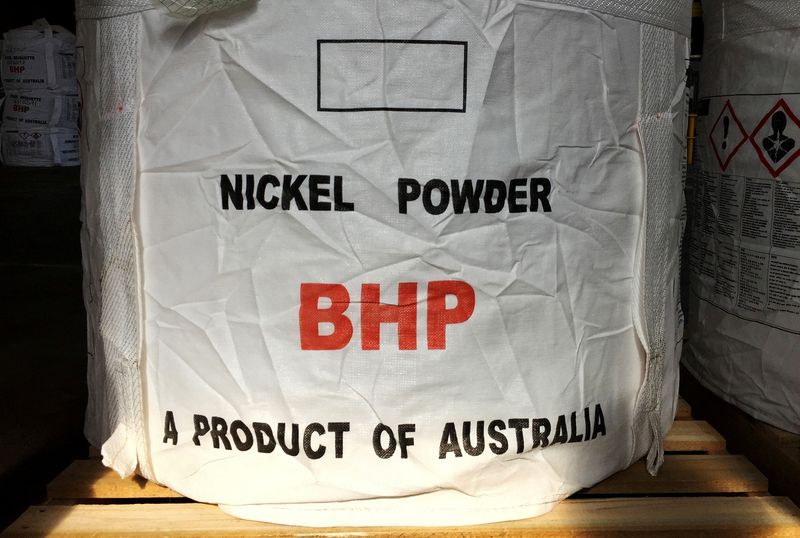
Iron Ore Futures Fall Below $100 for First Time Since March

- Supply Overhang: Iron ore futures on the Singapore Exchange fell 2.3% to $98.90 per ton, marking the first drop below $100 since March, indicating growing concerns over supply excess, particularly as steel production in China continues to decline.
- Weak Economic Data: China's fixed asset investment and consumer spending fell to their lowest levels since the pandemic in May, reflecting a sluggish economic recovery that has led to reduced demand expectations for iron ore, exacerbating market pessimism.
- New Mine Production Impact: The gradual ramp-up of production at the Simandou mine in Guinea is increasing global iron ore supplies, leading to more cautious price expectations in the market, especially amid weak demand conditions.
- Declining Oil Prices Effect: Recent declines in crude oil prices, driven by the potential reopening of the Strait of Hormuz, have lowered freight rates, adding further pressure on iron ore prices and negatively impacting market sentiment.
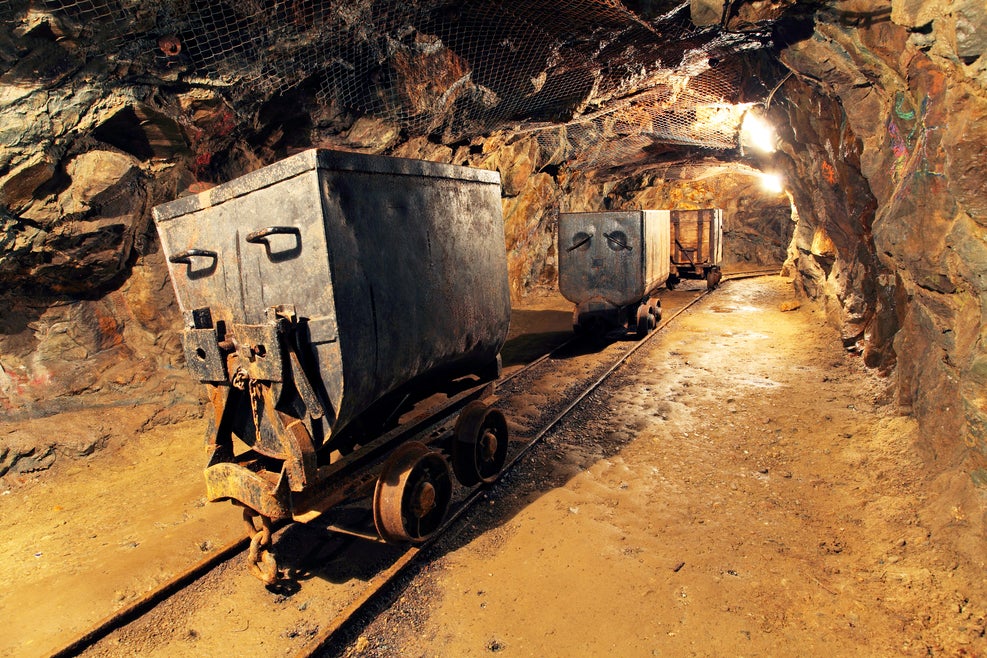
India Emerges as Global Steel Growth Engine
- Surge in Steel Demand: BHP and Rio Tinto have indicated that rising steel demand in India and Southeast Asia will offset stagnation in China, with India's production target set at 500 million tons by 2047, tripling last year's 165 million tons, highlighting India's significance in the global steel market.
- Increased Import Dependency: Achieving this target will require vast additional quantities of iron ore and metallurgical coal, the latter of which India almost entirely imports, creating substantial market opportunities for global iron ore suppliers, particularly for major producers like BHP and Rio Tinto.
- Optimistic Market Outlook: BHP's sales and marketing officer stated that metallurgical coal demand in India is expected to double by 2050, indicating the company's advantageous position in supporting the expansion of India's steel industry and further solidifying its market presence.
- Global Supply Chain Pressure: Rio Tinto's chief commercial officer noted that the global market will require approximately 950 million tons of new iron ore capacity to meet new demand and counter the depletion of existing mines, with analysts consistently underestimating the strength of the iron ore market, indicating significant future market potential.
Analysis of LIT Stock's 52-Week Highs and Lows

- Price Fluctuation Analysis: LIT's 52-week low is $36.11 per share and the high is $91.98, with the last trade at $83.98, indicating that the stock is fluctuating near its high point, which may influence investor buying decisions.
- Technical Analysis Tool: Comparing the current stock price to the 200-day moving average can provide valuable insights for investors, helping to assess market trends and potential buying opportunities.
- ETF Trading Mechanism: Exchange-traded funds (ETFs) trade like stocks, where investors are buying and selling 'units' that can be created or destroyed based on investor demand, impacting market liquidity.
- Liquidity Monitoring: Weekly monitoring of changes in shares outstanding helps identify ETFs experiencing significant inflows or outflows, where inflows necessitate purchasing underlying assets, while outflows may lead to selling those assets.
Rio Tinto Resumes Copper Exports from Oyu Tolgoi Mine
- Export Resumption: Rio Tinto has restarted copper concentrate exports from its Oyu Tolgoi mine in Mongolia after a brief protest, ensuring stable supply to the Chinese market and demonstrating the company's flexibility and responsiveness in managing critical resources.
- Unclear Protest Reasons: While the protest caused a disruption in shipments, the specific reasons remain unclear, highlighting the mine's sensitivity in Mongolia and potentially affecting future operational stability and government relations.
- Strategic Importance: Oyu Tolgoi is one of the world's largest copper mines and is crucial to Rio's copper growth strategy, with rising demand for copper driven by electrification and the global energy transition, making any disruptions significant for the company's performance.
- Shareholder Interests: Rio holds a 66% stake in the mine, with the Mongolian government owning the remainder, and the government's push for a larger share of revenue could impact future profit distribution and investment decisions, necessitating close monitoring by investors.
Rio Tinto Resumes Copper Exports from Oyu Tolgoi Mine
- Export Resumption: Rio Tinto announced the resumption of copper concentrate exports from its Oyu Tolgoi mine in Mongolia after a one-day protest blocked key roads, demonstrating the company's flexibility in crisis management.
- Unclear Protest Reasons: Protesters obstructed trucks from transporting copper to the Chinese border, and while the reasons remain unclear, the mine has been controversial in Mongolia, where the government seeks a larger revenue share, potentially impacting future operations.
- Market Reaction: Copper futures on the London Metal Exchange fell over 1% due to concerns about potential rate hikes from the Federal Reserve, indicating the global market's sensitivity to interest rate changes that could affect import costs for copper.
- Supply Chain Risks: Rio Tinto expressed concerns that prolonged disruptions could threaten its ability to supply copper concentrate to China, highlighting the project's significance in the global copper supply chain.
Protesters Block Copper Exports from Rio Tinto's Oyu Tolgoi Mine
- Protest Impact: Protesters have blocked a key road from Rio Tinto's Oyu Tolgoi copper mine in Mongolia, halting copper concentrate shipments to China, which could disrupt supply chains and impact the economies of both nations.
- Revenue Sharing Dispute: The protest group is demanding a larger share of mining revenues for Mongolians, and if their demands are not met, it could lead to larger-scale protests, affecting the investment climate in the mining sector.
- Contractual Risk: Rio Tinto has warned that the protests could result in a failure to fulfill contractual obligations, potentially causing significant disruptions to Mongolia's state budget and tarnishing the international reputation of Mongolia and its mining sector.
- Mining Significance: Oyu Tolgoi is one of the world's most significant copper projects, with Rio Tinto holding a 66% stake; if the protests continue, it may hinder the mine's goal of becoming the world's fourth-largest operating copper mine.
Iron Ore Futures Fall Below $100 for First Time Since March
- Supply Overhang: Iron ore futures on the Singapore Exchange fell 2.3% to $98.90 per ton, marking the first drop below $100 since March, indicating growing concerns over supply excess, particularly as steel production in China continues to decline.
- Weak Economic Data: China's fixed asset investment and consumer spending fell to their lowest levels since the pandemic in May, reflecting a sluggish economic recovery that has led to reduced demand expectations for iron ore, exacerbating market pessimism.
- New Mine Production Impact: The gradual ramp-up of production at the Simandou mine in Guinea is increasing global iron ore supplies, leading to more cautious price expectations in the market, especially amid weak demand conditions.
- Declining Oil Prices Effect: Recent declines in crude oil prices, driven by the potential reopening of the Strait of Hormuz, have lowered freight rates, adding further pressure on iron ore prices and negatively impacting market sentiment.
India Emerges as Global Steel Growth Engine
- Surge in Steel Demand: BHP and Rio Tinto have indicated that rising steel demand in India and Southeast Asia will offset stagnation in China, with India's production target set at 500 million tons by 2047, tripling last year's 165 million tons, highlighting India's significance in the global steel market.
- Increased Import Dependency: Achieving this target will require vast additional quantities of iron ore and metallurgical coal, the latter of which India almost entirely imports, creating substantial market opportunities for global iron ore suppliers, particularly for major producers like BHP and Rio Tinto.
- Optimistic Market Outlook: BHP's sales and marketing officer stated that metallurgical coal demand in India is expected to double by 2050, indicating the company's advantageous position in supporting the expansion of India's steel industry and further solidifying its market presence.
- Global Supply Chain Pressure: Rio Tinto's chief commercial officer noted that the global market will require approximately 950 million tons of new iron ore capacity to meet new demand and counter the depletion of existing mines, with analysts consistently underestimating the strength of the iron ore market, indicating significant future market potential.
Analysis of LIT Stock's 52-Week Highs and Lows
- Price Fluctuation Analysis: LIT's 52-week low is $36.11 per share and the high is $91.98, with the last trade at $83.98, indicating that the stock is fluctuating near its high point, which may influence investor buying decisions.
- Technical Analysis Tool: Comparing the current stock price to the 200-day moving average can provide valuable insights for investors, helping to assess market trends and potential buying opportunities.
- ETF Trading Mechanism: Exchange-traded funds (ETFs) trade like stocks, where investors are buying and selling 'units' that can be created or destroyed based on investor demand, impacting market liquidity.
- Liquidity Monitoring: Weekly monitoring of changes in shares outstanding helps identify ETFs experiencing significant inflows or outflows, where inflows necessitate purchasing underlying assets, while outflows may lead to selling those assets.