Raytheon Invests $100 Million to Expand Facility
Written by Emily J. Thompson, Senior Investment Analyst
Updated: 1 hour ago
0mins
Source: Newsfilter
- Job Creation: Raytheon is investing $100 million in its Portsmouth, R.I. facility, which is expected to create 150 high-tech jobs, thereby boosting the local economy and enhancing the talent pool in advanced technologies.
- Capacity Enhancement: The expansion will accelerate testing of the Lower Tier Air and Missile Defense Sensor (LTAMDS) and increase production capacity for the Patriot® GEM-T subcomponents to meet growing global demand, ensuring timely delivery to the U.S. Army and international partners.
- Technological Advancement: The LTAMDS radar is designed to counter advanced threats, including hypersonic weapons, and has recently completed its ninth successful flight test, showcasing its multi-array tracking and interception capabilities, further solidifying Raytheon's technological leadership in air defense.
- Long-term Strategic Investment: This investment aligns with Raytheon's $53 million expansion project in Andover, Massachusetts, demonstrating the company's ongoing commitment to the air defense sector and aiming to meet future market demands through technological innovation and capacity expansion.
Trade with 70% Backtested Accuracy
Stop guessing "Should I Buy RTX?" and start using high-conviction signals backed by rigorous historical data.
Sign up today to access powerful investing tools and make smarter, data-driven decisions.
Analyst Views on RTX
Wall Street analysts forecast RTX stock price to rise
14 Analyst Rating
9 Buy
5 Hold
0 Sell
Moderate Buy
Current: 180.990

Low
168.00
Averages
195.77
High
215.00
Current: 180.990
Low
168.00
Averages
195.77
High
215.00
About RTX
RTX Corporation is an aerospace and defense company, which provides advanced systems and services for commercial, military, and government customers worldwide. The Company operates through three segments: Collins Aerospace, Pratt & Whitney, and Raytheon. Collins Aerospace segment provides technologically advanced aerospace and defense products and aftermarket service solutions for civil and military aircraft manufacturers, commercial airlines, and regional, business and general aviation, as well as for defense and commercial space operations. The Pratt & Whitney segment supplies aircraft engines for commercial, military, business jet, and general aviation customers. The Raytheon segment provides defensive and offensive threat detection, tracking and mitigation capabilities for the United States and foreign government and commercial customers. The Raytheon designs, develops, and provides advanced capabilities in integrated air and missile defense, smart weapons, missiles and others.
About the author

Emily J. Thompson
Emily J. Thompson, a Chartered Financial Analyst (CFA) with 12 years in investment research, graduated with honors from the Wharton School. Specializing in industrial and technology stocks, she provides in-depth analysis for Intellectia’s earnings and market brief reports.
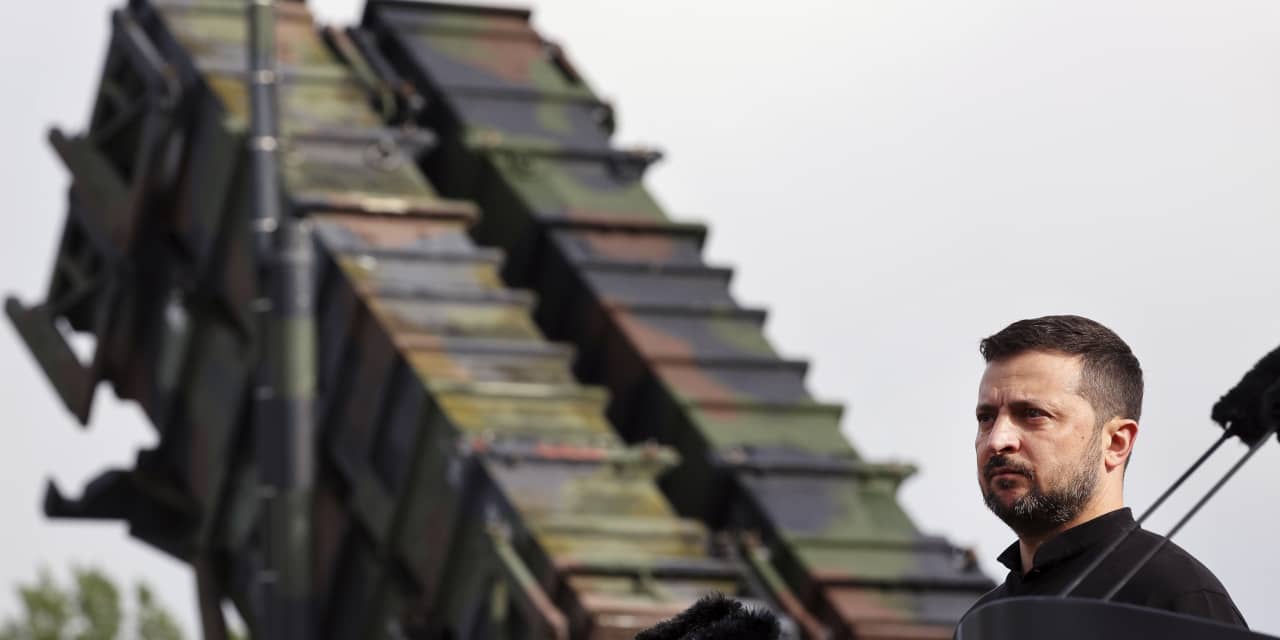
Raytheon Invests $100 Million to Expand Facility

- Job Creation: Raytheon is investing $100 million in its Portsmouth, R.I. facility, which is expected to create 150 high-tech jobs, thereby boosting the local economy and enhancing the talent pool in advanced technologies.
- Capacity Enhancement: The expansion will accelerate testing of the Lower Tier Air and Missile Defense Sensor (LTAMDS) and increase production capacity for the Patriot® GEM-T subcomponents to meet growing global demand, ensuring timely delivery to the U.S. Army and international partners.
- Technological Advancement: The LTAMDS radar is designed to counter advanced threats, including hypersonic weapons, and has recently completed its ninth successful flight test, showcasing its multi-array tracking and interception capabilities, further solidifying Raytheon's technological leadership in air defense.
- Long-term Strategic Investment: This investment aligns with Raytheon's $53 million expansion project in Andover, Massachusetts, demonstrating the company's ongoing commitment to the air defense sector and aiming to meet future market demands through technological innovation and capacity expansion.
See More

Raytheon Invests $100 Million to Expand Facility
- High-Tech Job Creation: Raytheon is investing $100 million in Portsmouth, Rhode Island, which is expected to create 150 high-tech jobs, thereby boosting the local economy and enhancing the talent pool in advanced technologies.
- Production Capacity Enhancement: The expansion will accelerate testing of the Lower Tier Air and Missile Defense Sensor (LTAMDS) and increase production capacity for Patriot missile system subcomponents to meet growing global demand, ensuring timely delivery to the U.S. Army and international partners.
- Technological Innovation Progress: The LTAMDS radar system is designed to counter advanced threats, including hypersonic weapons, and recently completed its ninth successful flight test, showcasing its multi-array tracking and interception capabilities, further solidifying Raytheon's technological leadership in air defense.
- Long-Term Strategic Positioning: This investment follows the company's earlier announcement of a $53 million expansion of its Andover radar production facility eight months ago, demonstrating Raytheon's ongoing commitment to the defense sector and its proactive positioning for future market demands.
See More

Raytheon Invests $100 Million to Expand Rhode Island Facility
- Capacity Expansion: Raytheon announced a $100 million investment to expand its Rhode Island facility, increasing production capacity for missile defense systems and accelerating testing of a next-generation radar program, which is expected to significantly enhance its competitiveness in the growing global missile defense market.
- Key Project Support: The investment will support expanded testing of the U.S. Army's Lower Tier Air and Missile Defense Sensor (LTAMDS) while increasing production of components for the Patriot Advanced Capability-2 Guidance Enhanced Missile-Tactical (GEM-T), addressing the rising order backlog.
- Testing Progress: The LTAMDS radar program recently completed its ninth flight test, successfully using multiple radar arrays to track and support the interception of a target simulating an airborne threat, demonstrating the technology's effectiveness against advanced threats.
- Historical Operations: RTX and its predecessor companies have operated in Rhode Island for over sixty years, currently employing more than 850 people in the state, and the expansion project will further solidify its market position in the defense sector.
See More
ITA Airways Considers Legal Action Against RTX Over Engine Issues
- Potential Legal Action: ITA Airways is set to decide within the next six to eight weeks whether to pursue legal action against RTX's Pratt & Whitney unit due to ongoing engine failures that have grounded nearly 20% of its 80-aircraft fleet, significantly impacting operational capacity.
- Financial Loss Assessment: CEO Joerg Eberhart stated that ITA is currently quantifying its damages, estimated at approximately €150 million, reflecting the substantial financial impact caused by the engine issues.
- Manufacturing Defect Issues: The widespread manufacturing defect involving contaminated powder metal in Pratt & Whitney's fuel-efficient Geared Turbofan engines has led to hundreds of Airbus A320neo jets being out of service globally, exacerbating delays in mandatory inspections and repairs.
- Settlement Negotiation Progress: While ITA Airways is in ongoing settlement discussions with Pratt & Whitney, Eberhart noted that the manufacturer's current remediation offers are insufficient to cover the airline's losses, indicating a significant divergence in their negotiations.
See More
Air New Zealand Faces Challenges from High Fuel Prices


- Fuel Price Impact: Air New Zealand's CEO Nikhil Ravishankar stated that the airline has only offset 25% to 40% of the increased fuel costs through hedging and fare hikes, with expectations of $150 per barrel fuel prices in the 2027 financial year, indicating significant pressure on cost management.
- Fare Adjustment Strategy: The airline has already implemented two fare increases and may consider further tactical hikes in resilient demand markets; however, Ravishankar warned that continuous price increases could soften demand and reduce flight operations, reflecting the market's sensitivity to pricing.
- Liquidity Management: Ravishankar emphasized that Air New Zealand does not plan to seek additional liquidity from markets, arguing that the combination of the company's balance sheet and unencumbered aircraft assets allows it to withstand elevated fuel prices, demonstrating confidence in financial management.
- Fleet Recovery Progress: Air New Zealand is recovering from engine issues and aircraft delivery delays that once grounded up to 20% of its fleet, now reduced to less than 5%, with most aircraft expected to return to service in the next two to three months, indicating significant progress in operational recovery.
See More
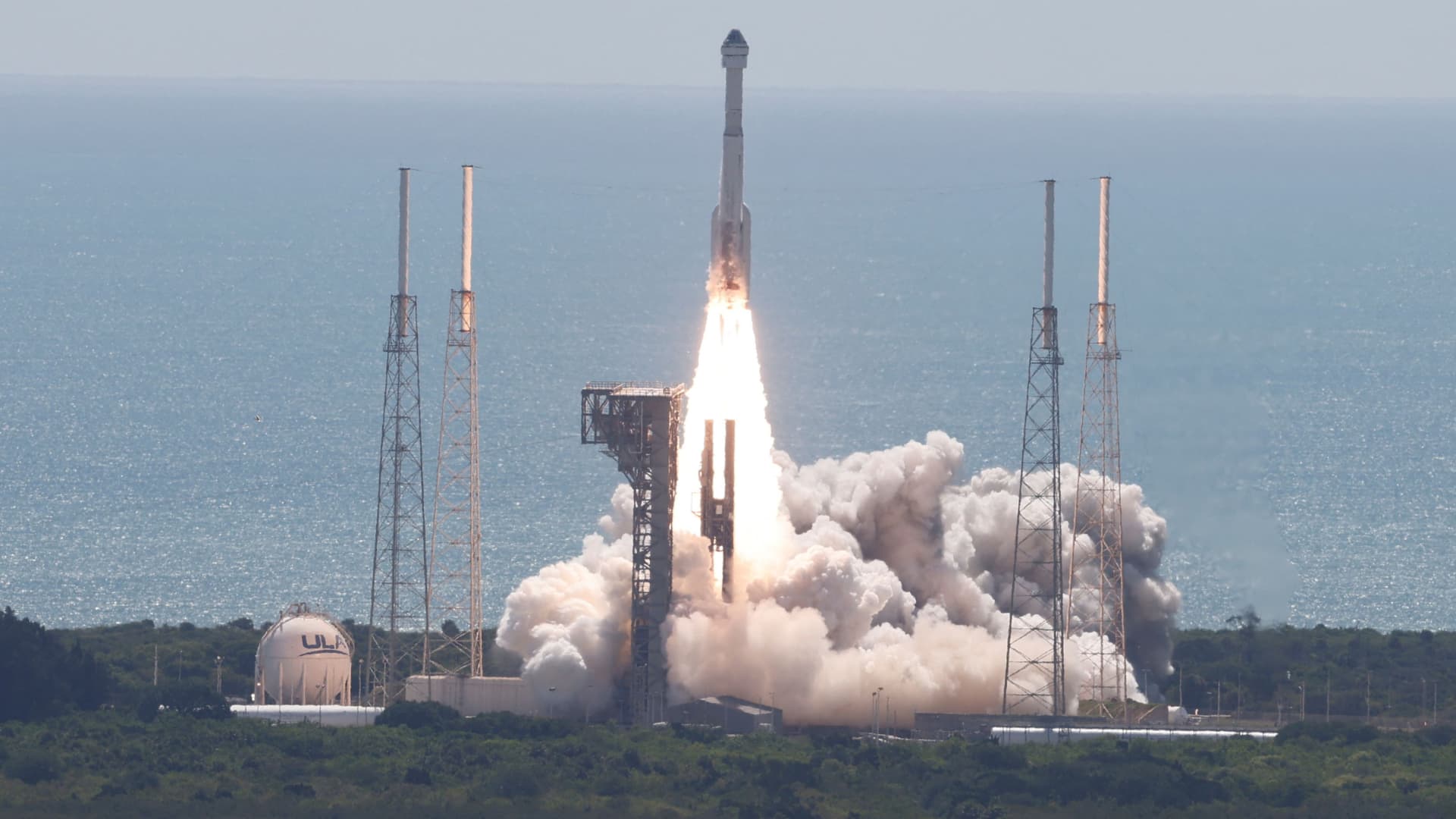
US Representative Urges Taiwan to Boost Drone Investment


- Defense Spending Optimization: Raymond Greene, the director of the American Institute in Taiwan, emphasized that Taiwan needs to 'spend smarter' on defense, particularly in drones and unmanned systems, to enhance deterrence against China, reflecting a deep understanding of modern warfare dynamics.
- Legislative Approval Challenges: Taiwan's government is seeking legislative approval for a defense spending package that was cut by the opposition, with only about two-thirds of the requested $40 billion supported, highlighting the political environment's impact on defense budgets.
- Continued US Support: Washington has reiterated its backing for Taiwan's plans to increase defense spending and improve military readiness, emphasizing that the US remains Taiwan's most important arms supplier despite the lack of formal diplomatic relations, underlining the economic significance of cross-strait stability.
- Regional Security Linkage: Deputy Mainland Affairs Council Minister Shen Yu-chung stated that Taiwan's security is closely tied to the interests of the broader Indo-Pacific region and democratic partners worldwide, stressing the importance of deterrence through strength to resist any attempts to alter the status quo.
See More
Raytheon Invests $100 Million to Expand Facility
- Job Creation: Raytheon is investing $100 million in its Portsmouth, R.I. facility, which is expected to create 150 high-tech jobs, thereby boosting the local economy and enhancing the talent pool in advanced technologies.
- Capacity Enhancement: The expansion will accelerate testing of the Lower Tier Air and Missile Defense Sensor (LTAMDS) and increase production capacity for the Patriot® GEM-T subcomponents to meet growing global demand, ensuring timely delivery to the U.S. Army and international partners.
- Technological Advancement: The LTAMDS radar is designed to counter advanced threats, including hypersonic weapons, and has recently completed its ninth successful flight test, showcasing its multi-array tracking and interception capabilities, further solidifying Raytheon's technological leadership in air defense.
- Long-term Strategic Investment: This investment aligns with Raytheon's $53 million expansion project in Andover, Massachusetts, demonstrating the company's ongoing commitment to the air defense sector and aiming to meet future market demands through technological innovation and capacity expansion.
See More
Raytheon Invests $100 Million to Expand Facility
- High-Tech Job Creation: Raytheon is investing $100 million in Portsmouth, Rhode Island, which is expected to create 150 high-tech jobs, thereby boosting the local economy and enhancing the talent pool in advanced technologies.
- Production Capacity Enhancement: The expansion will accelerate testing of the Lower Tier Air and Missile Defense Sensor (LTAMDS) and increase production capacity for Patriot missile system subcomponents to meet growing global demand, ensuring timely delivery to the U.S. Army and international partners.
- Technological Innovation Progress: The LTAMDS radar system is designed to counter advanced threats, including hypersonic weapons, and recently completed its ninth successful flight test, showcasing its multi-array tracking and interception capabilities, further solidifying Raytheon's technological leadership in air defense.
- Long-Term Strategic Positioning: This investment follows the company's earlier announcement of a $53 million expansion of its Andover radar production facility eight months ago, demonstrating Raytheon's ongoing commitment to the defense sector and its proactive positioning for future market demands.
See More
Raytheon Invests $100 Million to Expand Rhode Island Facility
- Capacity Expansion: Raytheon announced a $100 million investment to expand its Rhode Island facility, increasing production capacity for missile defense systems and accelerating testing of a next-generation radar program, which is expected to significantly enhance its competitiveness in the growing global missile defense market.
- Key Project Support: The investment will support expanded testing of the U.S. Army's Lower Tier Air and Missile Defense Sensor (LTAMDS) while increasing production of components for the Patriot Advanced Capability-2 Guidance Enhanced Missile-Tactical (GEM-T), addressing the rising order backlog.
- Testing Progress: The LTAMDS radar program recently completed its ninth flight test, successfully using multiple radar arrays to track and support the interception of a target simulating an airborne threat, demonstrating the technology's effectiveness against advanced threats.
- Historical Operations: RTX and its predecessor companies have operated in Rhode Island for over sixty years, currently employing more than 850 people in the state, and the expansion project will further solidify its market position in the defense sector.
See More
ITA Airways Considers Legal Action Against RTX Over Engine Issues
- Potential Legal Action: ITA Airways is set to decide within the next six to eight weeks whether to pursue legal action against RTX's Pratt & Whitney unit due to ongoing engine failures that have grounded nearly 20% of its 80-aircraft fleet, significantly impacting operational capacity.
- Financial Loss Assessment: CEO Joerg Eberhart stated that ITA is currently quantifying its damages, estimated at approximately €150 million, reflecting the substantial financial impact caused by the engine issues.
- Manufacturing Defect Issues: The widespread manufacturing defect involving contaminated powder metal in Pratt & Whitney's fuel-efficient Geared Turbofan engines has led to hundreds of Airbus A320neo jets being out of service globally, exacerbating delays in mandatory inspections and repairs.
- Settlement Negotiation Progress: While ITA Airways is in ongoing settlement discussions with Pratt & Whitney, Eberhart noted that the manufacturer's current remediation offers are insufficient to cover the airline's losses, indicating a significant divergence in their negotiations.
See More
Air New Zealand Faces Challenges from High Fuel Prices
- Fuel Price Impact: Air New Zealand's CEO Nikhil Ravishankar stated that the airline has only offset 25% to 40% of the increased fuel costs through hedging and fare hikes, with expectations of $150 per barrel fuel prices in the 2027 financial year, indicating significant pressure on cost management.
- Fare Adjustment Strategy: The airline has already implemented two fare increases and may consider further tactical hikes in resilient demand markets; however, Ravishankar warned that continuous price increases could soften demand and reduce flight operations, reflecting the market's sensitivity to pricing.
- Liquidity Management: Ravishankar emphasized that Air New Zealand does not plan to seek additional liquidity from markets, arguing that the combination of the company's balance sheet and unencumbered aircraft assets allows it to withstand elevated fuel prices, demonstrating confidence in financial management.
- Fleet Recovery Progress: Air New Zealand is recovering from engine issues and aircraft delivery delays that once grounded up to 20% of its fleet, now reduced to less than 5%, with most aircraft expected to return to service in the next two to three months, indicating significant progress in operational recovery.
See More
US Representative Urges Taiwan to Boost Drone Investment
- Defense Spending Optimization: Raymond Greene, the director of the American Institute in Taiwan, emphasized that Taiwan needs to 'spend smarter' on defense, particularly in drones and unmanned systems, to enhance deterrence against China, reflecting a deep understanding of modern warfare dynamics.
- Legislative Approval Challenges: Taiwan's government is seeking legislative approval for a defense spending package that was cut by the opposition, with only about two-thirds of the requested $40 billion supported, highlighting the political environment's impact on defense budgets.
- Continued US Support: Washington has reiterated its backing for Taiwan's plans to increase defense spending and improve military readiness, emphasizing that the US remains Taiwan's most important arms supplier despite the lack of formal diplomatic relations, underlining the economic significance of cross-strait stability.
- Regional Security Linkage: Deputy Mainland Affairs Council Minister Shen Yu-chung stated that Taiwan's security is closely tied to the interests of the broader Indo-Pacific region and democratic partners worldwide, stressing the importance of deterrence through strength to resist any attempts to alter the status quo.
See More