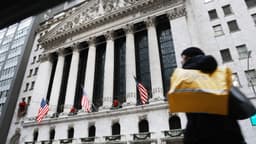
TD Cowen Maintains Buy on PepsiCo, Lowers Price Target to $190
Written by Emily J. Thompson, Senior Investment Analyst
Updated: Jul 03 2024
0mins
Should l Buy PEP?
Source: Benzinga
Trade with 70% Backtested Accuracy
Stop guessing "Should I Buy PEP?" and start using high-conviction signals backed by rigorous historical data.
Sign up today to access powerful investing tools and make smarter, data-driven decisions.
Analyst Views on PEP
Wall Street analysts forecast PEP stock price to fall over the next 12 months. According to Wall Street analysts, the average 1-year price target for PEP is 161.90 USD with a low forecast of 144.00 USD and a high forecast of 172.00 USD. However, analyst price targets are subjective and often lag stock prices, so investors should focus on the objective reasons behind analyst rating changes, which better reflect the company's fundamentals.
12 Analyst Rating
6 Buy
6 Hold
0 Sell
Moderate Buy
Current: 162.850

Low
144.00
Averages
161.90
High
172.00
Current: 162.850
Low
144.00
Averages
161.90
High
172.00
About PEP
PepsiCo, Inc. is a global beverage and convenient food company. The Company’s segments include PepsiCo Foods North America (PFNA), PepsiCo Beverages North America (PBNA), International Beverages Franchise (IB Franchise), Europe, Middle East and Africa (EMEA), Latin America Foods (LatAm Foods), and Asia Pacific Foods. PFNA segment includes all of its convenient food businesses in the United States and Canada. PBNA segment includes all of its beverage businesses in the United States and Canada. IB Franchise segment includes its international franchise beverage businesses, as well as its SodaStream business. EMEA segment includes its convenient food businesses and beverage businesses with Company-owned bottlers in Europe, the Middle East and Africa. LatAm Foods segment includes all of its convenient food businesses in Latin America. Asia Pacific Foods segment consists of its convenient food businesses in Asia Pacific, including China, Australia and New Zealand, as well as India.
About the author

Emily J. Thompson
Emily J. Thompson, a Chartered Financial Analyst (CFA) with 12 years in investment research, graduated with honors from the Wharton School. Specializing in industrial and technology stocks, she provides in-depth analysis for Intellectia’s earnings and market brief reports.

PEPSICO STOCK RISES 1.1% FOLLOWING STRONG Q4 RESULTS

- Earnings Performance: PepsiCo shares increased by 1.1% following the release of their Q4 results.
- Results Overview: The company's Q4 results exceeded market expectations, contributing to the rise in share value.
See More
PepsiCo Reports 5.6% Revenue Growth in Q4
- Revenue and Earnings Growth: PepsiCo's Q4 net revenue rose 5.6% year-on-year to $29.3 billion, while adjusted EPS climbed 11% to $2.26, both exceeding analyst expectations, indicating strong financial performance and market demand.
- Shareholder Return Plan: The company announced an increase in its annual dividend to $5.92 per share and unveiled a $10 billion stock buyback program expected to be completed by February 28, 2030, further enhancing shareholder returns and market confidence.
- Future Growth Outlook: PepsiCo anticipates organic revenue growth between 2% and 4% and core constant currency EPS growth of 4% to 6% in 2026, reflecting the company's optimistic outlook and sustained profitability.
- Pricing Strategy Adjustment: To address rising household costs, PepsiCo will roll out retail price cuts of up to 15% on popular snack brands in the U.S., aiming to enhance consumer purchasing power and strengthen brand loyalty.
See More

Wall Street Volatility Highlights Importance of Portfolio Diversification

- Tech Stock Decline: Tech stocks have been severely impacted by recent volatility, with AMD's share price plummeting 17% as investor confidence in the enterprise software sector wanes, highlighting the risks of over-reliance on tech investments.
- Strong Performance of Blue-Chip Stocks: In stark contrast to tech stocks, the Dow Jones Industrial Average rose by 260 points, or 0.5%, indicating that old-economy companies are demonstrating greater resilience during market turmoil, attracting investors seeking stability.
- Winners Across Industries: Companies like Campbell, PepsiCo, Smuckers, and Kraft Heinz have seen their stock prices rise despite the threat of GLP-1, reflecting ongoing consumer demand and confidence in the food sector amidst market fluctuations.
- Recovery in Banks and Industrials: Recent gains in bank stocks and industrials such as Honeywell, Dover, and Emerson Electric suggest that investors believe these firms will benefit from efficiency improvements brought by artificial intelligence, enhancing their investment appeal.
See More
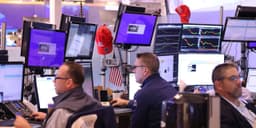
Investors Should Focus on Diversification


- Tech Stock Pullback: Tech stocks have faced significant declines recently, with AMD dropping 17% as investor confidence wanes in the enterprise software sector, highlighting the risks of over-reliance on tech investments.
- Strong Performance in Traditional Sectors: In contrast, the blue-chip Dow Jones Industrial Average rose by 260 points, or 0.5%, indicating that traditional sectors like banking and industrials are attracting investor interest in the current market environment.
- Investment Value in Healthcare: Companies like Johnson & Johnson, Merck, and Amgen have performed well, and despite their stock price increases this year, they are still considered valuable investments relative to the broader market, showcasing the stability and appeal of the healthcare sector.
- Recovery of Banks and Industrials: With growing investor confidence in AI's efficiency improvements, banks and industrial stocks such as Honeywell and Dover have also seen gains recently, reflecting optimistic expectations for these companies' future profitability.
See More
PepsiCo Declares 5% Increase in Quarterly Dividend
- Quarterly Dividend Increase: PepsiCo's Board of Directors declared a quarterly dividend of $1.4225 per share, reflecting a 5% increase compared to the same period last year, indicating strong performance in profitability and shareholder returns.
- Annual Dividend Growth: 2026 marks PepsiCo's 54th consecutive year of increasing its annual dividend, raising it from $5.42 to $5.69, demonstrating the company's confidence in future cash flows and commitment to shareholders.
- Payment Schedule: The dividend is set to be paid on March 31, 2026, with a record date of March 6, 2026, ensuring timely returns for shareholders and further enhancing investor confidence.
- Global Market Performance: PepsiCo generated nearly $94 billion in net revenue in 2025, driven by its diverse portfolio of beverages and convenient foods, showcasing the company's strong competitive position and ongoing growth potential in the global market.
See More

Disney Appoints New CEO Amid Market Fluctuations


- Disney CEO Transition: Disney announced that Josh D'Amaro will succeed Bob Iger as CEO on March 18, 2024, after nearly 30 years at the company, with his recent leadership of the experiences division achieving over $10 billion in quarterly revenue for the first time, highlighting his strategic importance for the company's future.
- Stock Price Impact: Despite D'Amaro's appointment, Disney's stock has fallen over 40% in the past five years, while the S&P 500 has risen more than 80%, reflecting market concerns about Disney's future prospects amid ongoing challenges.
- Chipotle Traffic Decline: Chipotle reported a more than 5% drop in shares after experiencing declining traffic for the fourth consecutive quarter, with same-store sales down 1.7% in 2025, marking its first annual decline since 2016, and flat sales expected in 2026, indicating significant market challenges ahead.
- Novo Nordisk Downgrade: Novo Nordisk expects a drop in sales and profit growth this year, leading to a more than 14% plunge in its U.S.-listed shares on Tuesday, primarily due to a price-cutting deal with the Trump administration and loss of exclusivity for its popular drugs, indicating substantial pressure on the company.
See More
PEPSICO STOCK RISES 1.1% FOLLOWING STRONG Q4 RESULTS
- Earnings Performance: PepsiCo shares increased by 1.1% following the release of their Q4 results.
- Results Overview: The company's Q4 results exceeded market expectations, contributing to the rise in share value.
See More
PepsiCo Reports 5.6% Revenue Growth in Q4
- Revenue and Earnings Growth: PepsiCo's Q4 net revenue rose 5.6% year-on-year to $29.3 billion, while adjusted EPS climbed 11% to $2.26, both exceeding analyst expectations, indicating strong financial performance and market demand.
- Shareholder Return Plan: The company announced an increase in its annual dividend to $5.92 per share and unveiled a $10 billion stock buyback program expected to be completed by February 28, 2030, further enhancing shareholder returns and market confidence.
- Future Growth Outlook: PepsiCo anticipates organic revenue growth between 2% and 4% and core constant currency EPS growth of 4% to 6% in 2026, reflecting the company's optimistic outlook and sustained profitability.
- Pricing Strategy Adjustment: To address rising household costs, PepsiCo will roll out retail price cuts of up to 15% on popular snack brands in the U.S., aiming to enhance consumer purchasing power and strengthen brand loyalty.
See More
Wall Street Volatility Highlights Importance of Portfolio Diversification
- Tech Stock Decline: Tech stocks have been severely impacted by recent volatility, with AMD's share price plummeting 17% as investor confidence in the enterprise software sector wanes, highlighting the risks of over-reliance on tech investments.
- Strong Performance of Blue-Chip Stocks: In stark contrast to tech stocks, the Dow Jones Industrial Average rose by 260 points, or 0.5%, indicating that old-economy companies are demonstrating greater resilience during market turmoil, attracting investors seeking stability.
- Winners Across Industries: Companies like Campbell, PepsiCo, Smuckers, and Kraft Heinz have seen their stock prices rise despite the threat of GLP-1, reflecting ongoing consumer demand and confidence in the food sector amidst market fluctuations.
- Recovery in Banks and Industrials: Recent gains in bank stocks and industrials such as Honeywell, Dover, and Emerson Electric suggest that investors believe these firms will benefit from efficiency improvements brought by artificial intelligence, enhancing their investment appeal.
See More
Investors Should Focus on Diversification
- Tech Stock Pullback: Tech stocks have faced significant declines recently, with AMD dropping 17% as investor confidence wanes in the enterprise software sector, highlighting the risks of over-reliance on tech investments.
- Strong Performance in Traditional Sectors: In contrast, the blue-chip Dow Jones Industrial Average rose by 260 points, or 0.5%, indicating that traditional sectors like banking and industrials are attracting investor interest in the current market environment.
- Investment Value in Healthcare: Companies like Johnson & Johnson, Merck, and Amgen have performed well, and despite their stock price increases this year, they are still considered valuable investments relative to the broader market, showcasing the stability and appeal of the healthcare sector.
- Recovery of Banks and Industrials: With growing investor confidence in AI's efficiency improvements, banks and industrial stocks such as Honeywell and Dover have also seen gains recently, reflecting optimistic expectations for these companies' future profitability.
See More
PepsiCo Declares 5% Increase in Quarterly Dividend
- Quarterly Dividend Increase: PepsiCo's Board of Directors declared a quarterly dividend of $1.4225 per share, reflecting a 5% increase compared to the same period last year, indicating strong performance in profitability and shareholder returns.
- Annual Dividend Growth: 2026 marks PepsiCo's 54th consecutive year of increasing its annual dividend, raising it from $5.42 to $5.69, demonstrating the company's confidence in future cash flows and commitment to shareholders.
- Payment Schedule: The dividend is set to be paid on March 31, 2026, with a record date of March 6, 2026, ensuring timely returns for shareholders and further enhancing investor confidence.
- Global Market Performance: PepsiCo generated nearly $94 billion in net revenue in 2025, driven by its diverse portfolio of beverages and convenient foods, showcasing the company's strong competitive position and ongoing growth potential in the global market.
See More
Disney Appoints New CEO Amid Market Fluctuations
- Disney CEO Transition: Disney announced that Josh D'Amaro will succeed Bob Iger as CEO on March 18, 2024, after nearly 30 years at the company, with his recent leadership of the experiences division achieving over $10 billion in quarterly revenue for the first time, highlighting his strategic importance for the company's future.
- Stock Price Impact: Despite D'Amaro's appointment, Disney's stock has fallen over 40% in the past five years, while the S&P 500 has risen more than 80%, reflecting market concerns about Disney's future prospects amid ongoing challenges.
- Chipotle Traffic Decline: Chipotle reported a more than 5% drop in shares after experiencing declining traffic for the fourth consecutive quarter, with same-store sales down 1.7% in 2025, marking its first annual decline since 2016, and flat sales expected in 2026, indicating significant market challenges ahead.
- Novo Nordisk Downgrade: Novo Nordisk expects a drop in sales and profit growth this year, leading to a more than 14% plunge in its U.S.-listed shares on Tuesday, primarily due to a price-cutting deal with the Trump administration and loss of exclusivity for its popular drugs, indicating substantial pressure on the company.
See More