Polestar Vehicle Data Integrated into MyGeotab for Fleet Operators
Written by Emily J. Thompson, Senior Investment Analyst
Updated: May 05 2026
0mins
Source: PRnewswire
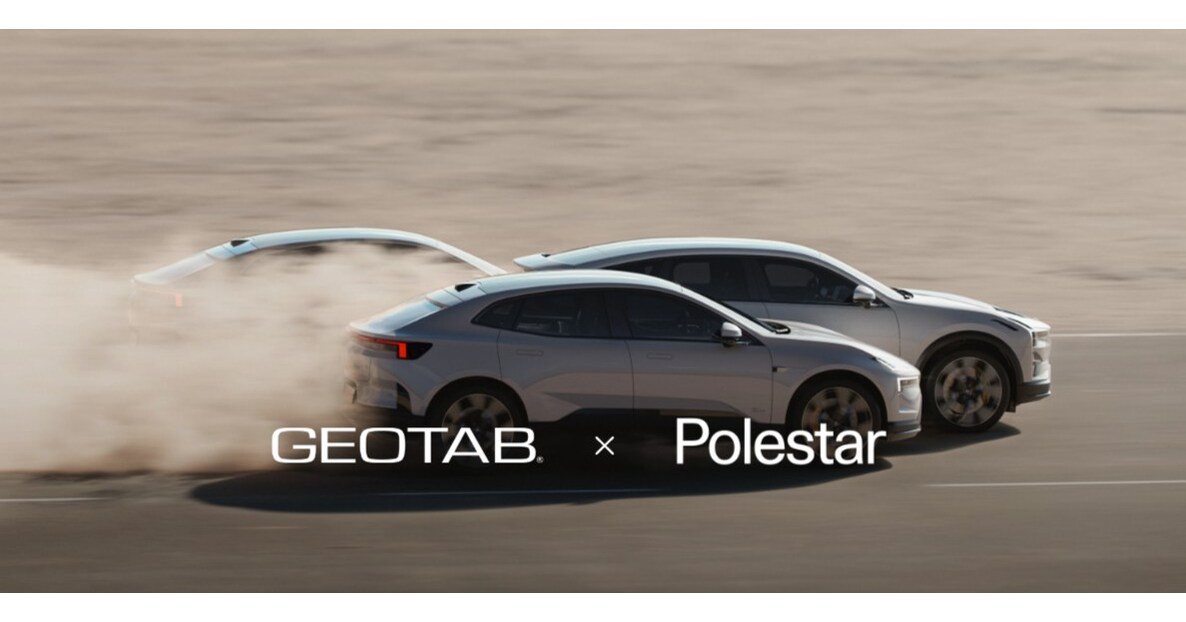
- No Hardware Integration: Geotab has announced the integration of Polestar vehicle data directly into the MyGeotab platform, allowing fleet operators globally to access data without additional hardware, thereby reducing operational costs and simplifying management processes.
- Real-Time Data Access: Through Polestar Fleet Telematics, fleet managers gain near-real-time access to EV battery status, location, tire information, and more, enabling more efficient decision-making in maintenance and charging planning, thus enhancing operational efficiency.
- Support for Mixed Fleets: The OEM-embedded telematics eliminates the need for aftermarket devices, making management of mixed-manufacturer fleets more efficient and compliant with GDPR requirements in Europe, thereby enhancing regulatory compliance.
- Global Availability: This integration is now fully available across North America, Europe, and Asia Pacific, supporting all Polestar models, with fleet managers able to activate the service via the Geotab Marketplace or by contacting their Geotab representative, further promoting the adoption of electric vehicles.
Trade with 70% Backtested Accuracy
Stop guessing "Should I Buy PSNY?" and start using high-conviction signals backed by rigorous historical data.
Sign up today to access powerful investing tools and make smarter, data-driven decisions.
Analyst Views on PSNY
About PSNY
POLESTAR AUTOMOTIVE HOLDING UK PLC (Polestar) is a Swedish-based electric vehicle manufacturer. Company's portfolio includes Polestar 1, Polestar 2, Polestar 3, Polestar 4 and Polestar 5. Polestar products are currently available on markets across Europe, North America, China and Asia Pacific. Polestar cars are currently manufactured in two facilities in China. Polestar produces electric cars to reduce gas emmisions and develop new technologies to further minimize the carbon footprint.
About the author

Emily J. Thompson
Emily J. Thompson, a Chartered Financial Analyst (CFA) with 12 years in investment research, graduated with honors from the Wharton School. Specializing in industrial and technology stocks, she provides in-depth analysis for Intellectia’s earnings and market brief reports.

Polestar Announces 2026 Annual General Meeting in London

- AGM Announcement: Polestar has scheduled its Annual General Meeting for June 26, 2026, in London, where shareholders will vote on the re-appointment of all directors and the appointment of PricewaterhouseCoopers as auditors, ensuring transparency and compliance in corporate governance.
- Electric Vehicle Lineup: Currently, Polestar offers four electric vehicle models across 28 global markets, including Polestar 2, 3, 4, and 5, with plans to introduce a new variant of Polestar 4 in late 2026, enhancing its product lineup to meet market demands.
- Sustainability Commitment: Polestar aims to halve greenhouse gas emissions per vehicle sold by 2030 and achieve climate neutrality across its value chain by 2040, demonstrating a strong commitment to environmental sustainability.
- Diversified Manufacturing Footprint: With plans for Polestar 7 production in Europe, Polestar is diversifying its manufacturing footprint to enhance production efficiency and meet the growing market demand for electric vehicles.
See More
Lotus CEO Expresses Skepticism on Solid-State Battery Commercialization

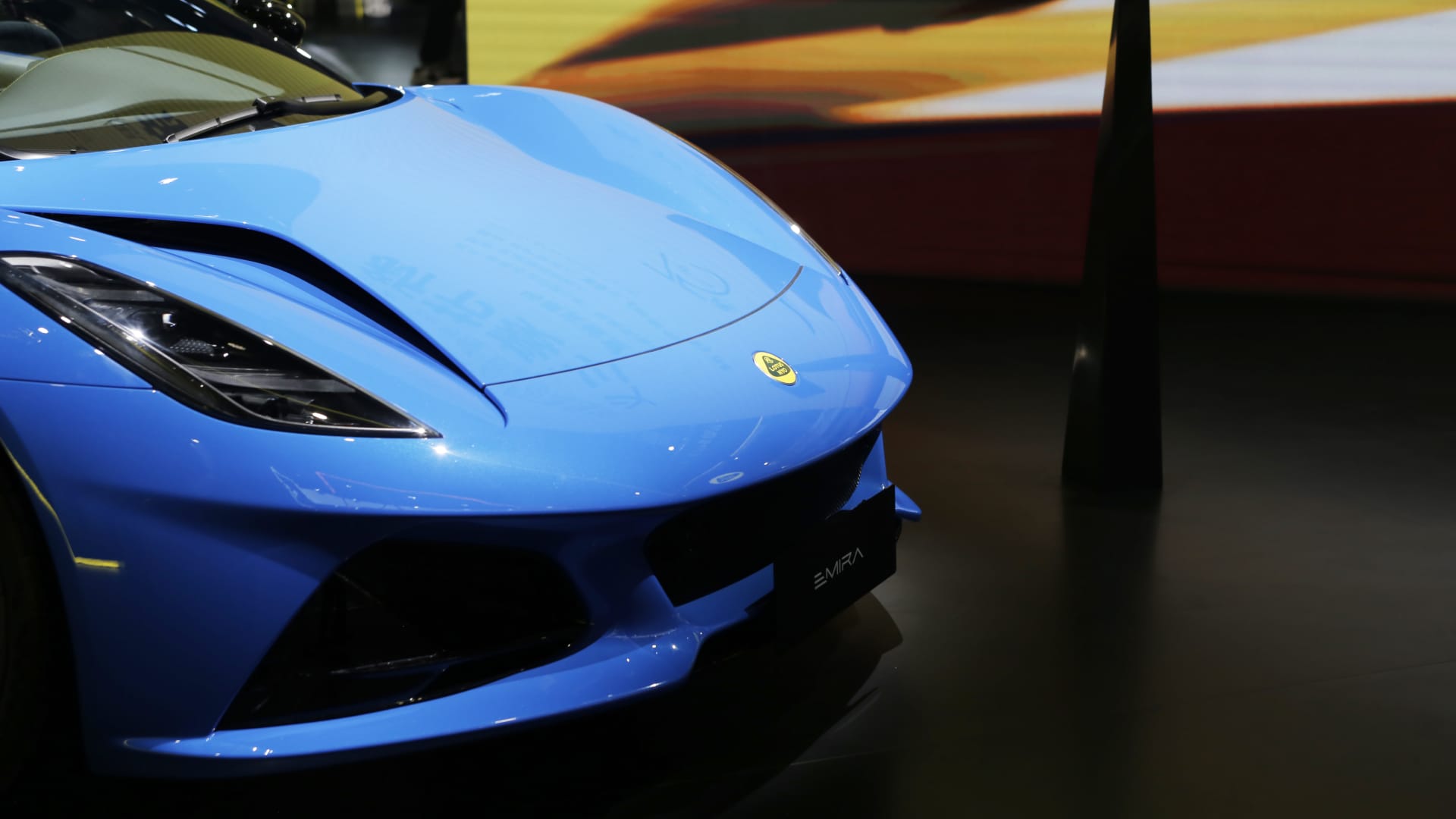
- Uncertain Future for Solid-State Batteries: Lotus CEO Qingfeng Feng expressed at the FT Future of the Car summit that the commercialization of solid-state batteries may take 3 to 10 years, as the technology is not yet mature enough for mass production despite being touted as the 'holy grail' for EVs.
- Geely's Leadership in R&D: Feng highlighted that Geely is leading the development of solid-state battery technologies by establishing a dedicated R&D center, actively tracking and developing related technologies, which underscores its strategic positioning in the EV sector.
- Ongoing Technical Challenges: While solid-state batteries offer advantages in safety and charging speed, issues such as high production costs and battery swelling remain unresolved, hindering their market adoption and application.
- Shift Towards Semi-Solid Batteries: Some automakers are favoring the development of semi-solid-state batteries, which combine solid and liquid electrolytes, potentially offering a better balance of performance and cost, reflecting the industry's cautious stance towards solid-state battery technology.
See More
Lotus CEO: Solid-State Battery Commercialization Still Years Away
- Cautious Outlook on Solid-State Batteries: Lotus CEO Qingfeng Feng told CNBC that it may take another three to ten years for solid-state batteries to be commercialized, despite being hailed as the 'holy grail' of sustainable driving, as many unanswered questions remain.
- Industry Leader Dynamics: Feng highlighted that Geely is leading in solid-state battery R&D, having established a dedicated research center to actively track and develop related technologies, indicating a strategic focus in the EV sector.
- Insufficient Technology Maturity: Feng emphasized that the solid-state battery technology is not yet mature enough for mass production, as the conflict between discharge rates and battery life remains unresolved, even though safety issues have been addressed.
- Intensifying Market Competition: As the hype around solid-state batteries fades, automakers are considering alternatives, and with Lotus being controlled by Geely, it faces competitive pressure from other automotive giants, necessitating accelerated technological innovation to maintain market position.
See More

Polestar Q1 2026 Earnings Report Analysis
- Volume Growth: Polestar achieved a 7% increase in vehicle sales in Q1 2026, reaching over 13,100 cars, marking a record first quarter despite pricing pressures and tariff impacts, indicating strong performance in key European markets.
- Financial Loss: The company reported a net loss of $383 million, significantly up from $166 million a year earlier, primarily influenced by foreign exchange fluctuations and declining carbon credit sales, reflecting ongoing challenges in profitability.
- Cash Position: As of March 2026, Polestar's cash reserves stood at approximately $676 million, a decrease driven by higher adjusted EBITDA losses and financing repayments, highlighting pressure on cash flow management.
- Sales Points Expansion: Polestar plans to increase its global sales points from 150 to approximately 250 by the end of 2026, which is expected to help improve average selling price (ASP) and enhance customer engagement, supporting future growth strategies.
See More
Polestar Reports Wider Q1 Loss of $383 Million Amid Pricing Pressure
- Widening Loss: Polestar reported a net loss of $383 million in Q1, significantly up from $166 million a year ago, indicating the company's struggles under pricing pressures and U.S. tariffs that have compressed margins.
- Stagnant Revenue: Despite a 7% increase in sales volume during the January-March period, revenue remained flat at $633 million, primarily due to a lower share of higher-priced Polestar 3 models and an increase in Polestar 4 sales, impacting overall revenue performance.
- Rising Cost Pressures: The company faced increased expenses in sales commissions, one-off personnel costs, and marketing, leading to higher costs in Q1; the CEO indicated a need to accelerate adjustments to the business model to improve manufacturing efficiencies, reflecting a strategic response to challenging market conditions.
- Cash Flow Position: Polestar's cash reserves stood at $676 million at the end of Q1, down from $1.16 billion in the previous quarter, highlighting funding pressures during expansion, although the company secured loans and equity funding from Geely and banks to support its operations.
See More
Polestar Integrates Vehicle Data with Geotab
- Seamless Data Access: Geotab announces integration with Polestar, allowing commercial fleets to access Polestar vehicle data directly through MyGeotab without additional hardware, enhancing data accessibility and efficiency.
- Real-Time Data Monitoring: With Polestar Fleet Telematics, fleet managers can access near real-time data on electric vehicle battery status, location, and maintenance alerts, enabling proactive maintenance planning and reducing failure risks.
- Compliance and Efficiency Gains: The OEM-integrated telematics eliminates the need for additional devices, reducing logistical complexity and supporting European fleets in complying with GDPR and other regulations, thus enhancing operational compliance.
- Global Market Coverage: This integration is now fully available in North America, Europe, and the Asia-Pacific region, supporting all Polestar models, further strengthening Geotab's competitive position in the global fleet management market.
See More
Polestar Announces 2026 Annual General Meeting in London
- AGM Announcement: Polestar has scheduled its Annual General Meeting for June 26, 2026, in London, where shareholders will vote on the re-appointment of all directors and the appointment of PricewaterhouseCoopers as auditors, ensuring transparency and compliance in corporate governance.
- Electric Vehicle Lineup: Currently, Polestar offers four electric vehicle models across 28 global markets, including Polestar 2, 3, 4, and 5, with plans to introduce a new variant of Polestar 4 in late 2026, enhancing its product lineup to meet market demands.
- Sustainability Commitment: Polestar aims to halve greenhouse gas emissions per vehicle sold by 2030 and achieve climate neutrality across its value chain by 2040, demonstrating a strong commitment to environmental sustainability.
- Diversified Manufacturing Footprint: With plans for Polestar 7 production in Europe, Polestar is diversifying its manufacturing footprint to enhance production efficiency and meet the growing market demand for electric vehicles.
See More
Lotus CEO Expresses Skepticism on Solid-State Battery Commercialization
- Uncertain Future for Solid-State Batteries: Lotus CEO Qingfeng Feng expressed at the FT Future of the Car summit that the commercialization of solid-state batteries may take 3 to 10 years, as the technology is not yet mature enough for mass production despite being touted as the 'holy grail' for EVs.
- Geely's Leadership in R&D: Feng highlighted that Geely is leading the development of solid-state battery technologies by establishing a dedicated R&D center, actively tracking and developing related technologies, which underscores its strategic positioning in the EV sector.
- Ongoing Technical Challenges: While solid-state batteries offer advantages in safety and charging speed, issues such as high production costs and battery swelling remain unresolved, hindering their market adoption and application.
- Shift Towards Semi-Solid Batteries: Some automakers are favoring the development of semi-solid-state batteries, which combine solid and liquid electrolytes, potentially offering a better balance of performance and cost, reflecting the industry's cautious stance towards solid-state battery technology.
See More
Lotus CEO: Solid-State Battery Commercialization Still Years Away
- Cautious Outlook on Solid-State Batteries: Lotus CEO Qingfeng Feng told CNBC that it may take another three to ten years for solid-state batteries to be commercialized, despite being hailed as the 'holy grail' of sustainable driving, as many unanswered questions remain.
- Industry Leader Dynamics: Feng highlighted that Geely is leading in solid-state battery R&D, having established a dedicated research center to actively track and develop related technologies, indicating a strategic focus in the EV sector.
- Insufficient Technology Maturity: Feng emphasized that the solid-state battery technology is not yet mature enough for mass production, as the conflict between discharge rates and battery life remains unresolved, even though safety issues have been addressed.
- Intensifying Market Competition: As the hype around solid-state batteries fades, automakers are considering alternatives, and with Lotus being controlled by Geely, it faces competitive pressure from other automotive giants, necessitating accelerated technological innovation to maintain market position.
See More
Polestar Q1 2026 Earnings Report Analysis
- Volume Growth: Polestar achieved a 7% increase in vehicle sales in Q1 2026, reaching over 13,100 cars, marking a record first quarter despite pricing pressures and tariff impacts, indicating strong performance in key European markets.
- Financial Loss: The company reported a net loss of $383 million, significantly up from $166 million a year earlier, primarily influenced by foreign exchange fluctuations and declining carbon credit sales, reflecting ongoing challenges in profitability.
- Cash Position: As of March 2026, Polestar's cash reserves stood at approximately $676 million, a decrease driven by higher adjusted EBITDA losses and financing repayments, highlighting pressure on cash flow management.
- Sales Points Expansion: Polestar plans to increase its global sales points from 150 to approximately 250 by the end of 2026, which is expected to help improve average selling price (ASP) and enhance customer engagement, supporting future growth strategies.
See More
Polestar Reports Wider Q1 Loss of $383 Million Amid Pricing Pressure
- Widening Loss: Polestar reported a net loss of $383 million in Q1, significantly up from $166 million a year ago, indicating the company's struggles under pricing pressures and U.S. tariffs that have compressed margins.
- Stagnant Revenue: Despite a 7% increase in sales volume during the January-March period, revenue remained flat at $633 million, primarily due to a lower share of higher-priced Polestar 3 models and an increase in Polestar 4 sales, impacting overall revenue performance.
- Rising Cost Pressures: The company faced increased expenses in sales commissions, one-off personnel costs, and marketing, leading to higher costs in Q1; the CEO indicated a need to accelerate adjustments to the business model to improve manufacturing efficiencies, reflecting a strategic response to challenging market conditions.
- Cash Flow Position: Polestar's cash reserves stood at $676 million at the end of Q1, down from $1.16 billion in the previous quarter, highlighting funding pressures during expansion, although the company secured loans and equity funding from Geely and banks to support its operations.
See More
Polestar Integrates Vehicle Data with Geotab
- Seamless Data Access: Geotab announces integration with Polestar, allowing commercial fleets to access Polestar vehicle data directly through MyGeotab without additional hardware, enhancing data accessibility and efficiency.
- Real-Time Data Monitoring: With Polestar Fleet Telematics, fleet managers can access near real-time data on electric vehicle battery status, location, and maintenance alerts, enabling proactive maintenance planning and reducing failure risks.
- Compliance and Efficiency Gains: The OEM-integrated telematics eliminates the need for additional devices, reducing logistical complexity and supporting European fleets in complying with GDPR and other regulations, thus enhancing operational compliance.
- Global Market Coverage: This integration is now fully available in North America, Europe, and the Asia-Pacific region, supporting all Polestar models, further strengthening Geotab's competitive position in the global fleet management market.
See More