Pfizer Reports 22% Operational Growth in Q1 Amid Patent Challenges
Written by Emily J. Thompson, Senior Investment Analyst
Updated: May 11 2026
0mins
Source: NASDAQ.COM
- Revenue Growth Overview: Pfizer's Q1 revenue saw a modest 2% year-over-year increase, yet the operational growth of 22% from newly launched and acquired products indicates potential in its product pipeline, despite ongoing revenue challenges.
- Patent Risk for Key Drugs: The company's leading drugs, Eliquis and Ibrance, generated a combined $3.2 billion last quarter but are facing imminent patent cliffs, which could further pressure future revenues and impact overall business performance.
- Acquisition Strategy Impact: The acquisition of Seagen for $43 billion has yielded promising results, with Padcev, a cancer treatment, achieving a 39% sales increase to $591 million in Q1, thereby strengthening Pfizer's oncology portfolio and enhancing its market position.
- Investor Sentiment Concerns: Despite Pfizer's low valuation, trading at a forward P/E ratio of just nine, investor interest remains tepid due to uncertainties surrounding future performance, reflected in a mere 4% stock price increase this year, indicating cautious market sentiment regarding its recovery prospects.
Trade with 70% Backtested Accuracy
Stop guessing "Should I Buy PFE?" and start using high-conviction signals backed by rigorous historical data.
Sign up today to access powerful investing tools and make smarter, data-driven decisions.
Analyst Views on PFE
Wall Street analysts forecast PFE stock price to rise
16 Analyst Rating
5 Buy
11 Hold
0 Sell
Moderate Buy
Current: 24.290

Low
24.00
Averages
28.56
High
35.00
Current: 24.290
Low
24.00
Averages
28.56
High
35.00
About PFE
Pfizer Inc. is a research-based, global biopharmaceutical company. The Company is engaged in the discovery, development, manufacture, marketing, sale and distribution of biopharmaceutical products worldwide. Its Biopharma segment includes the Pfizer U.S. Commercial Division, and the Pfizer International Commercial Division. Its product categories include oncology, primary care and specialty care. Its oncology products include Ibrance, Xtandi, Padcev, Adcetris, Inlyta, Lorbrena, Bosulif, Tukysa, Braftovi, Mektovi, Orgovyx, Elrexfio, Tivdak and Talzenna. Its primary care products include Eliquis, Nurtec ODT/Vydura, Zavzpret, the Prevnar family, Comirnaty, Abrysvo, FSME/IMMUN-TicoVac, Nimenrix, Trumenba, and Paxlovid. Its specialty care products include Xeljanz, Enbrel (outside the United States and Canada), Inflectra, Abrilada, Cibinqo, Litfulo, Eucrisa, Velsipity, the Vyndaqel family, Genotropin, and others. Its PF-08653944 is an ultra-long-acting fully biased GLP-1 receptor agonist.
About the author

Emily J. Thompson
Emily J. Thompson, a Chartered Financial Analyst (CFA) with 12 years in investment research, graduated with honors from the Wharton School. Specializing in industrial and technology stocks, she provides in-depth analysis for Intellectia’s earnings and market brief reports.

Pfizer's High Dividend Yield Amid Patent Concerns

- Dividend Yield Advantage: Pfizer boasts a forward-looking dividend yield of 7.1%, one of the highest among blue-chip stocks, attracting income-focused investors despite its stock underperformance.
- Patent Expiration Risks: Several of Pfizer's key drugs, including Eliquis and Ibrance, are set to lose patent protection in the coming years, posing a threat to approximately one-third of the company's revenue and necessitating a strategic rebuild.
- Acquisition Strategy: Since 2022, Pfizer has acquired companies like Arena Pharmaceuticals and Biohaven Pharmaceuticals, aiming to launch at least eight new drugs, although meaningful impacts from these investments are not expected until after 2028.
- Cash Flow Supports Dividends: While the acquisitions have been costly, Pfizer's strategy is expected to provide reliable cash flow to support ongoing dividend payments, even as analysts have not included it in their current top stock picks.
See More
Defensive Dividend Stock Investment Opportunities Amid Market Concerns

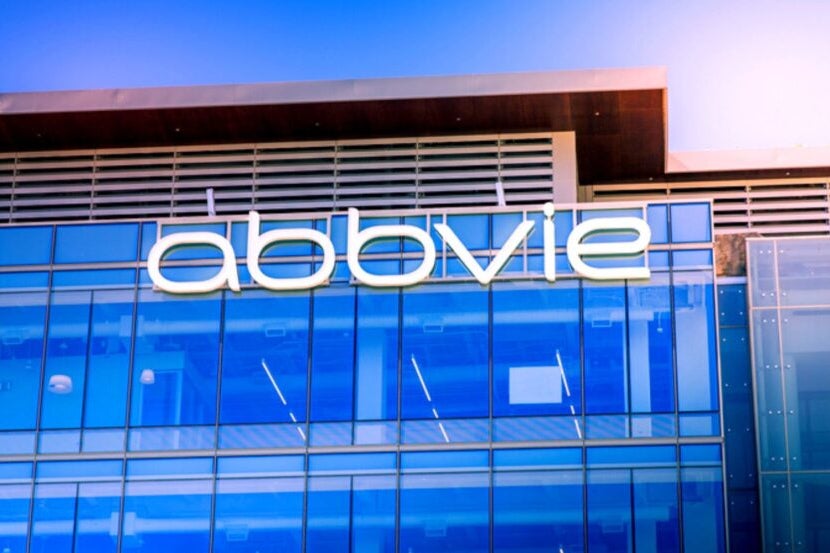
- AbbVie's Growth Potential: After losing the patent for Humira in 2023, AbbVie expects to generate over $31 billion in sales by 2027 from newer drugs like Skyrizi and Rinvoq, demonstrating strong growth potential in the biopharmaceutical sector, while its dividend payout ratio remains at a low 59%, providing stable returns for investors.
- Johnson & Johnson's Strength: Johnson & Johnson has raised its dividend for 64 consecutive years, currently offering a 2.1% yield, with its Innovative Medicine segment driving future growth; analysts project adjusted EPS to rise by 7% and 10% in 2026 and 2027, respectively, showcasing resilience amid market fluctuations.
- Pfizer's Risks and Opportunities: Pfizer's stock soared during the pandemic due to COVID-19 vaccine sales but has since declined; despite facing patent cliffs and competitive pressures, it has secured patent extensions for Vyndamax, which may support future growth and recovery.
- Market Environment and Investment Strategy: With the S&P 500 trading at historically high P/E ratios, investors are advised to consider defensive dividend stocks, which may decline during market downturns but offer steady income and potential capital appreciation for patient investors.
See More

Three High-Yield Stocks to Buy Now

- Enterprise Products Partners' Edge: Enterprise Products Partners (NYSE: EPD) boasts a forward distribution yield of 6.1% and has increased its dividend for 27 consecutive years, demonstrating strong performance and stability in the pipeline industry, which is expected to continue attracting income investors.
- Pfizer's Robust Product Line: Pfizer (NYSE: PFE) offers an attractive dividend yield of around 7.2% and has paid dividends for 350 consecutive quarters; despite facing a patent cliff, its pipeline includes 96 programs, with 36 in critical stages, indicating significant future growth potential.
- Verizon's Financial Improvement: Verizon (NYSE: VZ) attracts investors with a forward dividend yield of 6.2% and has increased its dividend for 19 consecutive years, with Q1 free cash flow reaching $3.8 billion, up 4% year-over-year, reflecting improved financial health and reduced customer churn.
- Future Growth Opportunities: Verizon's acquisition of Frontier Communications has expanded its fiber-optic network, and its proactive preparations for 6G networks are expected to provide strong momentum for future stock price growth, further solidifying its competitive position in the broadband services market.
See More

Top High Dividend Stocks to Buy Now
- Enterprise Products Partners: With a forward distribution yield of 6.1% and a history of 27 consecutive years of dividend increases, Enterprise Products Partners demonstrates a strong position in the U.S. natural gas and liquids transportation market, likely continuing to attract investor interest.
- Pfizer: Pfizer offers an attractive dividend yield of approximately 7.2% and has paid dividends for 350 consecutive quarters; despite facing a patent cliff, multiple projects in its pipeline, particularly an obesity drug expected to launch in 2028, could yield significant returns in the future.
- Verizon Communications: Verizon boasts a forward dividend yield of 6.2% and has increased its dividend for 19 consecutive years; despite recent challenges, its free cash flow grew by 4% in Q1 2023, with expectations of reaching $21.5 billion in 2026, indicating strong financial recovery potential.
- Market Competitive Edge: All three companies exhibit robust competitive advantages in their respective sectors, with Enterprise leveraging its extensive pipeline network and capital projects, Pfizer capitalizing on its diverse product lineup and R&D pipeline, and Verizon positioning itself in broadband services and future 6G networks, providing stable income sources for investors.
See More

Wall Street Focuses on Labor Market and Oil Price Fluctuations


- Labor Market Data Release: This week, key labor market data will be released, including the JOLTS report on Tuesday and the nonfarm payroll report on Thursday, with expectations of 87,500 new jobs and an unchanged unemployment rate of 4.3%, which will directly impact market confidence in economic recovery.
- Oil Price Volatility: Amid tensions in the Strait of Hormuz, WTI crude prices have fallen below $70 per barrel for the first time, while Brent crude has dropped 22% in June, potentially easing the Federal Reserve's rate hike pressures and influencing investor decisions.
- Nike Earnings Report: Nike is set to release its earnings on Tuesday, with analysts expecting earnings of $0.13 per share and revenue of $10.86 billion, as the market eagerly anticipates insights on sales trends in China and future guidance, which will determine its stock price trajectory.
- Honeywell Spin-off Completed: Honeywell Aerospace begins trading independently, allowing shareholders to receive one share of Honeywell Aerospace for every two shares of Honeywell they own, with RBC Capital initiating coverage with a buy rating and a price target of $300, indicating a potential 36% upside.
See More
Pfizer Faces Setbacks in Drug Development and Leadership
- Clinical Trial Failure: Pfizer's oncology candidate sigvotatug vedotin failed to demonstrate statistically significant overall survival improvement in a phase 3 trial for non-small cell lung cancer, indicating a substantial setback in a market that could have generated billions in revenue for the company.
- Leadership Departure Impact: The resignation of CFO Dave Denton, effective August 15, raises concerns among investors, particularly given Pfizer's recent struggles, which may exacerbate market apprehension regarding the company's stability and future direction.
- Patent Expiry Risks: Pfizer's best-selling anticoagulant, Eliquis, is set to lose patent exclusivity by the end of the decade, posing a significant revenue risk as the company seeks to regain growth momentum amid ongoing challenges.
- Future Potential Products: Despite these setbacks, Pfizer's bladder cancer drug Padcev generated $591 million in sales in Q1, a 39% year-over-year increase, highlighting growth potential in its new product lines that could support the company's recovery efforts moving forward.
See More
Pfizer's High Dividend Yield Amid Patent Concerns
- Dividend Yield Advantage: Pfizer boasts a forward-looking dividend yield of 7.1%, one of the highest among blue-chip stocks, attracting income-focused investors despite its stock underperformance.
- Patent Expiration Risks: Several of Pfizer's key drugs, including Eliquis and Ibrance, are set to lose patent protection in the coming years, posing a threat to approximately one-third of the company's revenue and necessitating a strategic rebuild.
- Acquisition Strategy: Since 2022, Pfizer has acquired companies like Arena Pharmaceuticals and Biohaven Pharmaceuticals, aiming to launch at least eight new drugs, although meaningful impacts from these investments are not expected until after 2028.
- Cash Flow Supports Dividends: While the acquisitions have been costly, Pfizer's strategy is expected to provide reliable cash flow to support ongoing dividend payments, even as analysts have not included it in their current top stock picks.
See More
Defensive Dividend Stock Investment Opportunities Amid Market Concerns
- AbbVie's Growth Potential: After losing the patent for Humira in 2023, AbbVie expects to generate over $31 billion in sales by 2027 from newer drugs like Skyrizi and Rinvoq, demonstrating strong growth potential in the biopharmaceutical sector, while its dividend payout ratio remains at a low 59%, providing stable returns for investors.
- Johnson & Johnson's Strength: Johnson & Johnson has raised its dividend for 64 consecutive years, currently offering a 2.1% yield, with its Innovative Medicine segment driving future growth; analysts project adjusted EPS to rise by 7% and 10% in 2026 and 2027, respectively, showcasing resilience amid market fluctuations.
- Pfizer's Risks and Opportunities: Pfizer's stock soared during the pandemic due to COVID-19 vaccine sales but has since declined; despite facing patent cliffs and competitive pressures, it has secured patent extensions for Vyndamax, which may support future growth and recovery.
- Market Environment and Investment Strategy: With the S&P 500 trading at historically high P/E ratios, investors are advised to consider defensive dividend stocks, which may decline during market downturns but offer steady income and potential capital appreciation for patient investors.
See More
Three High-Yield Stocks to Buy Now
- Enterprise Products Partners' Edge: Enterprise Products Partners (NYSE: EPD) boasts a forward distribution yield of 6.1% and has increased its dividend for 27 consecutive years, demonstrating strong performance and stability in the pipeline industry, which is expected to continue attracting income investors.
- Pfizer's Robust Product Line: Pfizer (NYSE: PFE) offers an attractive dividend yield of around 7.2% and has paid dividends for 350 consecutive quarters; despite facing a patent cliff, its pipeline includes 96 programs, with 36 in critical stages, indicating significant future growth potential.
- Verizon's Financial Improvement: Verizon (NYSE: VZ) attracts investors with a forward dividend yield of 6.2% and has increased its dividend for 19 consecutive years, with Q1 free cash flow reaching $3.8 billion, up 4% year-over-year, reflecting improved financial health and reduced customer churn.
- Future Growth Opportunities: Verizon's acquisition of Frontier Communications has expanded its fiber-optic network, and its proactive preparations for 6G networks are expected to provide strong momentum for future stock price growth, further solidifying its competitive position in the broadband services market.
See More
Top High Dividend Stocks to Buy Now
- Enterprise Products Partners: With a forward distribution yield of 6.1% and a history of 27 consecutive years of dividend increases, Enterprise Products Partners demonstrates a strong position in the U.S. natural gas and liquids transportation market, likely continuing to attract investor interest.
- Pfizer: Pfizer offers an attractive dividend yield of approximately 7.2% and has paid dividends for 350 consecutive quarters; despite facing a patent cliff, multiple projects in its pipeline, particularly an obesity drug expected to launch in 2028, could yield significant returns in the future.
- Verizon Communications: Verizon boasts a forward dividend yield of 6.2% and has increased its dividend for 19 consecutive years; despite recent challenges, its free cash flow grew by 4% in Q1 2023, with expectations of reaching $21.5 billion in 2026, indicating strong financial recovery potential.
- Market Competitive Edge: All three companies exhibit robust competitive advantages in their respective sectors, with Enterprise leveraging its extensive pipeline network and capital projects, Pfizer capitalizing on its diverse product lineup and R&D pipeline, and Verizon positioning itself in broadband services and future 6G networks, providing stable income sources for investors.
See More
Wall Street Focuses on Labor Market and Oil Price Fluctuations
- Labor Market Data Release: This week, key labor market data will be released, including the JOLTS report on Tuesday and the nonfarm payroll report on Thursday, with expectations of 87,500 new jobs and an unchanged unemployment rate of 4.3%, which will directly impact market confidence in economic recovery.
- Oil Price Volatility: Amid tensions in the Strait of Hormuz, WTI crude prices have fallen below $70 per barrel for the first time, while Brent crude has dropped 22% in June, potentially easing the Federal Reserve's rate hike pressures and influencing investor decisions.
- Nike Earnings Report: Nike is set to release its earnings on Tuesday, with analysts expecting earnings of $0.13 per share and revenue of $10.86 billion, as the market eagerly anticipates insights on sales trends in China and future guidance, which will determine its stock price trajectory.
- Honeywell Spin-off Completed: Honeywell Aerospace begins trading independently, allowing shareholders to receive one share of Honeywell Aerospace for every two shares of Honeywell they own, with RBC Capital initiating coverage with a buy rating and a price target of $300, indicating a potential 36% upside.
See More
Pfizer Faces Setbacks in Drug Development and Leadership
- Clinical Trial Failure: Pfizer's oncology candidate sigvotatug vedotin failed to demonstrate statistically significant overall survival improvement in a phase 3 trial for non-small cell lung cancer, indicating a substantial setback in a market that could have generated billions in revenue for the company.
- Leadership Departure Impact: The resignation of CFO Dave Denton, effective August 15, raises concerns among investors, particularly given Pfizer's recent struggles, which may exacerbate market apprehension regarding the company's stability and future direction.
- Patent Expiry Risks: Pfizer's best-selling anticoagulant, Eliquis, is set to lose patent exclusivity by the end of the decade, posing a significant revenue risk as the company seeks to regain growth momentum amid ongoing challenges.
- Future Potential Products: Despite these setbacks, Pfizer's bladder cancer drug Padcev generated $591 million in sales in Q1, a 39% year-over-year increase, highlighting growth potential in its new product lines that could support the company's recovery efforts moving forward.
See More