Anglo American Exits Coal With $3.8B Sale To Peabody Energy
Written by Emily J. Thompson, Senior Investment Analyst
Updated: Nov 25 2024
0mins
Should l Buy BTU?
Source: investopedia.com
Anglo American's Sale: Anglo American is selling its steelmaking coal assets to Peabody Energy for up to $3.8 billion as part of a business restructuring after rejecting takeover bids from BHP.
Market Reaction and Future Plans: The sale boosted Anglo American's stock by nearly 2%, while Peabody's shares fell 7%. The deal is expected to close in Q3 2025, with Anglo American continuing plans to restructure other units.
Trade with 70% Backtested Accuracy
Stop guessing "Should I Buy BTU?" and start using high-conviction signals backed by rigorous historical data.
Sign up today to access powerful investing tools and make smarter, data-driven decisions.
Analyst Views on BTU
Wall Street analysts forecast BTU stock price to rise
3 Analyst Rating
2 Buy
1 Hold
0 Sell
Moderate Buy
Current: 23.820

Low
29.00
Averages
31.67
High
34.00
Current: 23.820
Low
29.00
Averages
31.67
High
34.00
About BTU
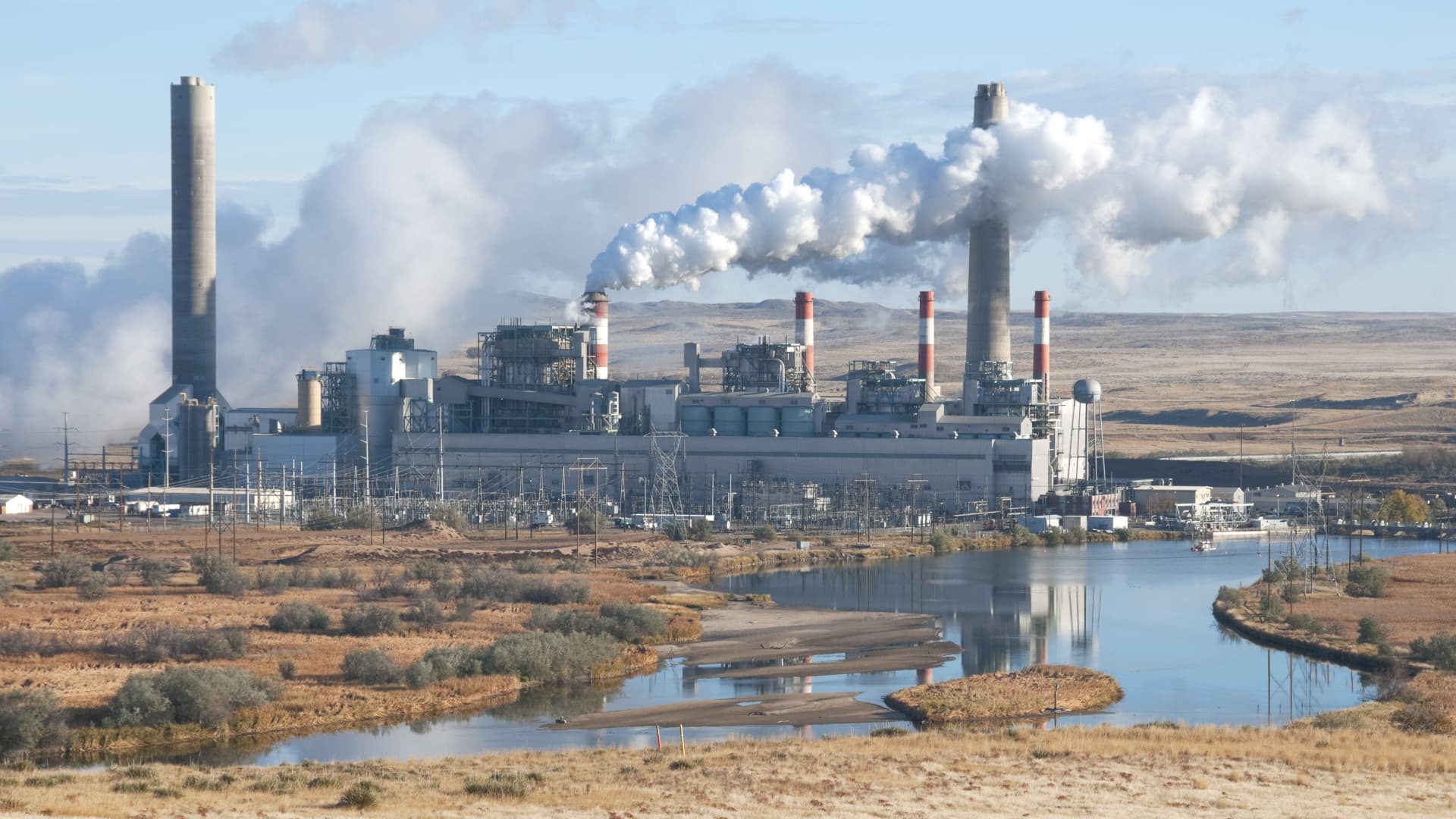
Peabody Energy Corporation is a coal producer, providing essential products for the production of reliable energy and steel. The Company owns interests in coal mining operations located in the United States and Australia, including interests in Middlemount Coal Pty Ltd. The Company engages in the direct and brokered trading of coal and freight-related contracts. Its segments include Seaborne Thermal, Seaborne Metallurgical, Powder River Basin, Other U.S. Thermal, and Corporate and Other. The Seaborne Thermal operations consist of mines in New South Wales, Australia. The mines in that segment utilize both surface and underground extraction processes to mine low-sulfur, high Btu thermal coal. The Seaborne Metallurgical operations consist of mines in Queensland, Australia, one in New South Wales, Australia and one in Alabama, the United States. The Company owns the southern portion of the Wards Well tenement.
About the author

Emily J. Thompson
Emily J. Thompson, a Chartered Financial Analyst (CFA) with 12 years in investment research, graduated with honors from the Wharton School. Specializing in industrial and technology stocks, she provides in-depth analysis for Intellectia’s earnings and market brief reports.
The Potential and Challenges of Coal's Revival

- Surging Market Demand: Babcock & Wilcox (B & W) currently holds a $2.7 billion backlog, with $2.4 billion stemming from its partnership with Applied Digital, indicating a robust growth in power demand driven by the data center boom, which may lead to a revival of coal.
- Significant Stock Performance: B & W's stock has surged 244% over the past year, rising from below $1 to $21, reflecting optimistic market expectations for its future growth potential, despite facing controversies related to Applied Digital.
- Policy Support for Coal: President Trump and the Energy Secretary are actively working to prevent the closure of coal plants, viewing coal as a vital national security resource, which could provide new business opportunities for companies like B & W, despite ongoing environmental concerns.
- Changing Competitive Landscape: B & W possesses unique capabilities in building natural gas power plants, and with GE Vernova currently at capacity, B & W's expansion potential may position it favorably in the future energy market, particularly in the combined use of coal and natural gas.
See More
Peabody Energy Faces Securities Violation Investigation

- Investigation Launched: The Schall Law Firm has initiated an investigation into Peabody Energy for potential violations of securities laws, focusing on whether the company made false or misleading statements that could mislead investors.
- Production Targets Impacted: Peabody disclosed in its Q1 2026 earnings report that the Centurion mine's progress was delayed, making its 2026 production targets unattainable, which could result in significant losses for shareholders.
- Investor Rights Protection: The firm encourages affected shareholders to participate in the investigation and offers free consultations, highlighting its commitment to protecting investor rights and potentially prompting more legal actions from shareholders.
- Litigation Risk: This investigation could expose Peabody to the risk of class-action lawsuits, and if violations are confirmed, it may have long-term negative implications for the company's reputation and financial health.
See More

Peabody Energy's 2026 Production Target Faces Challenges
- Production Target Downgrade: Peabody Energy has set a production target of 3.5 million tons for its Centurion mine in 2026, but internal startup delays and surging diesel costs pose significant challenges to achieving this goal, making it unlikely to be met on the original timeline.
- Significant Financial Losses: In Q1 2026, Peabody reported a net loss of $32.4 million, highlighting a stark contrast to previous profit expectations and indicating major failures in cost control and production planning.
- Management Information Asymmetry: Prior to the Q1 2026 earnings report, CEO Grech claimed that the Centurion mine was progressing well, failing to disclose the rising diesel cost risks, which led to investor misjudgment regarding the company's outlook.
- Legal Rights Reminder: Shareholders who suffered losses from investing in Peabody Energy are encouraged to contact Levi & Korsinsky law firm, as they may have rights to participate in a legal investigation concerning the company's misleading statements, thereby protecting their interests.
See More

Peabody Energy Lowers 2026 Production Target Amid Rising Costs
- Production Target Downgrade: Peabody Energy has revised its 2026 production target for the Centurion mine to 3.5 million tons, yet internal startup delays and surging diesel costs pose significant challenges to achieving this goal.
- Significant Financial Losses: In Q1 2026, Peabody reported a net loss of $32.4 million and a decline in adjusted EBITDA, highlighting major failures in cost control and production planning.
- Management Information Asymmetry: During the Q4 2025 earnings call, CEO Grech claimed the Centurion mine was “well ahead of schedule,” but failed to disclose rising diesel costs and production timeline risks, leading investors to misjudge the company's outlook.
- Legal Rights Reminder: Affected investors are encouraged to contact Levi & Korsinsky law firm to discuss their legal rights, indicating that the company may face an investigation for potentially misleading statements, which could impact shareholder confidence.
See More

Peabody Energy Misses Profit Estimates Significantly
- Earnings Miss: Peabody Energy reported a net loss of nearly $26 million ($0.26 per share) in its latest quarter, contrasting sharply with a profit of $38 million in the same period last year, leading to a nearly 6% drop in stock price as investors expressed disappointment in the company's profitability.
- Slight Revenue Increase: The company's first-quarter revenue rose to just over $973 million, surpassing the $937 million recorded in 2025, yet it fell short of analysts' expectations for a net profit of $0.22 per share, indicating ongoing pressure on profitability.
- Rising Costs Impact: While Peabody benefited from higher sales volumes and prices across several product categories, including seaborne metallurgical coal, significant cost increases have pressured net income, highlighting the challenges the company faces in the current market environment.
- Cautious Future Outlook: Peabody anticipates selling 19 million tons of low-sodium Powder River Basin coal in the second quarter, although it did not provide financial estimates; however, the long-term outlook for the coal industry remains bleak, suggesting investors should exercise caution regarding the company and its sector.
See More
Peabody Energy Q1 2026 Earnings Call Insights
- Sales Outlook Downgrade: CEO Jim Grech announced a reduction in Centurion's full-year sales outlook from 3.5 million tons to 2.5 million tons, primarily due to temporary mechanical issues and slower cutting speeds expected to impact short-term revenue performance.
- Financial Performance: CFO Mark Spurbeck reported a net loss of $32.4 million or $0.27 per diluted share for the quarter, despite strong performance from the seaborne thermal platform, with adjusted EBITDA at $82.5 million, demonstrating the company's resilience amid challenges.
- Liquidity Position: Peabody ended the quarter with nearly $500 million in cash and total liquidity exceeding $850 million, providing flexibility to navigate near-term challenges, support shareholder return programs, and continue investing in long-term value creation.
- Market Expansion Plans: The company is conducting initial test shipments for West Coast thermal coal exports, with the first cargo shipped via Union Pacific to Mexico's Port of Guaymas, expected to create new market opportunities for Asian customers and enhance the company's competitive position.
See More
The Potential and Challenges of Coal's Revival
- Surging Market Demand: Babcock & Wilcox (B & W) currently holds a $2.7 billion backlog, with $2.4 billion stemming from its partnership with Applied Digital, indicating a robust growth in power demand driven by the data center boom, which may lead to a revival of coal.
- Significant Stock Performance: B & W's stock has surged 244% over the past year, rising from below $1 to $21, reflecting optimistic market expectations for its future growth potential, despite facing controversies related to Applied Digital.
- Policy Support for Coal: President Trump and the Energy Secretary are actively working to prevent the closure of coal plants, viewing coal as a vital national security resource, which could provide new business opportunities for companies like B & W, despite ongoing environmental concerns.
- Changing Competitive Landscape: B & W possesses unique capabilities in building natural gas power plants, and with GE Vernova currently at capacity, B & W's expansion potential may position it favorably in the future energy market, particularly in the combined use of coal and natural gas.
See More
Peabody Energy Faces Securities Violation Investigation
- Investigation Launched: The Schall Law Firm has initiated an investigation into Peabody Energy for potential violations of securities laws, focusing on whether the company made false or misleading statements that could mislead investors.
- Production Targets Impacted: Peabody disclosed in its Q1 2026 earnings report that the Centurion mine's progress was delayed, making its 2026 production targets unattainable, which could result in significant losses for shareholders.
- Investor Rights Protection: The firm encourages affected shareholders to participate in the investigation and offers free consultations, highlighting its commitment to protecting investor rights and potentially prompting more legal actions from shareholders.
- Litigation Risk: This investigation could expose Peabody to the risk of class-action lawsuits, and if violations are confirmed, it may have long-term negative implications for the company's reputation and financial health.
See More
Peabody Energy's 2026 Production Target Faces Challenges
- Production Target Downgrade: Peabody Energy has set a production target of 3.5 million tons for its Centurion mine in 2026, but internal startup delays and surging diesel costs pose significant challenges to achieving this goal, making it unlikely to be met on the original timeline.
- Significant Financial Losses: In Q1 2026, Peabody reported a net loss of $32.4 million, highlighting a stark contrast to previous profit expectations and indicating major failures in cost control and production planning.
- Management Information Asymmetry: Prior to the Q1 2026 earnings report, CEO Grech claimed that the Centurion mine was progressing well, failing to disclose the rising diesel cost risks, which led to investor misjudgment regarding the company's outlook.
- Legal Rights Reminder: Shareholders who suffered losses from investing in Peabody Energy are encouraged to contact Levi & Korsinsky law firm, as they may have rights to participate in a legal investigation concerning the company's misleading statements, thereby protecting their interests.
See More
Peabody Energy Lowers 2026 Production Target Amid Rising Costs
- Production Target Downgrade: Peabody Energy has revised its 2026 production target for the Centurion mine to 3.5 million tons, yet internal startup delays and surging diesel costs pose significant challenges to achieving this goal.
- Significant Financial Losses: In Q1 2026, Peabody reported a net loss of $32.4 million and a decline in adjusted EBITDA, highlighting major failures in cost control and production planning.
- Management Information Asymmetry: During the Q4 2025 earnings call, CEO Grech claimed the Centurion mine was “well ahead of schedule,” but failed to disclose rising diesel costs and production timeline risks, leading investors to misjudge the company's outlook.
- Legal Rights Reminder: Affected investors are encouraged to contact Levi & Korsinsky law firm to discuss their legal rights, indicating that the company may face an investigation for potentially misleading statements, which could impact shareholder confidence.
See More
Peabody Energy Misses Profit Estimates Significantly
- Earnings Miss: Peabody Energy reported a net loss of nearly $26 million ($0.26 per share) in its latest quarter, contrasting sharply with a profit of $38 million in the same period last year, leading to a nearly 6% drop in stock price as investors expressed disappointment in the company's profitability.
- Slight Revenue Increase: The company's first-quarter revenue rose to just over $973 million, surpassing the $937 million recorded in 2025, yet it fell short of analysts' expectations for a net profit of $0.22 per share, indicating ongoing pressure on profitability.
- Rising Costs Impact: While Peabody benefited from higher sales volumes and prices across several product categories, including seaborne metallurgical coal, significant cost increases have pressured net income, highlighting the challenges the company faces in the current market environment.
- Cautious Future Outlook: Peabody anticipates selling 19 million tons of low-sodium Powder River Basin coal in the second quarter, although it did not provide financial estimates; however, the long-term outlook for the coal industry remains bleak, suggesting investors should exercise caution regarding the company and its sector.
See More
Peabody Energy Q1 2026 Earnings Call Insights
- Sales Outlook Downgrade: CEO Jim Grech announced a reduction in Centurion's full-year sales outlook from 3.5 million tons to 2.5 million tons, primarily due to temporary mechanical issues and slower cutting speeds expected to impact short-term revenue performance.
- Financial Performance: CFO Mark Spurbeck reported a net loss of $32.4 million or $0.27 per diluted share for the quarter, despite strong performance from the seaborne thermal platform, with adjusted EBITDA at $82.5 million, demonstrating the company's resilience amid challenges.
- Liquidity Position: Peabody ended the quarter with nearly $500 million in cash and total liquidity exceeding $850 million, providing flexibility to navigate near-term challenges, support shareholder return programs, and continue investing in long-term value creation.
- Market Expansion Plans: The company is conducting initial test shipments for West Coast thermal coal exports, with the first cargo shipped via Union Pacific to Mexico's Port of Guaymas, expected to create new market opportunities for Asian customers and enhance the company's competitive position.
See More