NVIDIA Launches New Software Toolkit to Advance AI Engineer Development
Written by Emily J. Thompson, Senior Investment Analyst
Updated: 1 day ago
0mins
Source: Newsfilter
- Toolkit Launch: NVIDIA's newly released Agent Toolkit software, featuring NemoClaw blueprints and Nemotron models, provides open-source foundations for enterprises to develop autonomous AI engineers, significantly enhancing engineering efficiency by compressing project timelines from weeks to hours.
- Long-Running AI Models: The newly unveiled Nemotron 3 Ultra model, with 550 billion parameters, delivers frontier-level intelligence, boasting a 5x increase in inference speed and a 30% reduction in costs for complex tasks, thereby enhancing competitive advantage in the market.
- Industry Collaboration: Leading companies such as Cadence, Dassault Systèmes, and Siemens are among the first to implement NVIDIA's technology to build autonomous AI engineers, leveraging NemoClaw and OpenShell to automate design and verification processes, driving digital transformation in their sectors.
- Enhanced Security: NVIDIA's partnership with Microsoft to launch the OpenShell secure runtime ensures that autonomous AI agents operate safely within Windows environments, enhancing privacy and policy controls, which further fosters trust and application of AI in enterprises.
Trade with 70% Backtested Accuracy
Stop guessing "Should I Buy NVDA?" and start using high-conviction signals backed by rigorous historical data.
Sign up today to access powerful investing tools and make smarter, data-driven decisions.
Analyst Views on NVDA
Wall Street analysts forecast NVDA stock price to rise
41 Analyst Rating
39 Buy
1 Hold
1 Sell
Strong Buy
Current: 224.360

Low
200.00
Averages
264.97
High
352.00
Current: 224.360
Low
200.00
Averages
264.97
High
352.00
About NVDA
NVIDIA Corporation is an artificial intelligence (AI) infrastructure company. The Company is engaged in accelerated computing to help solve the challenging computational problems. Its segments include Compute & Networking and Graphics. The Compute & Networking segment includes its Data Center accelerated computing and networking platforms and AI solutions and software, and automotive platforms and autonomous and electric vehicle solutions, including software. The Graphics segment includes GeForce GPUs for gaming and personal computers (PCs), and Quadro/NVIDIA RTX GPUs for enterprise workstation graphics. Its technology stack includes the foundational NVIDIA CUDA development platform that runs on all NVIDIA GPUs, as well as hundreds of domain-specific software libraries, frameworks, algorithms, software development kits (SDKs), and application programming interfaces (APIs). Its platforms address four markets, which include Data Center, Gaming, Professional Visualization, and Automotive.
About the author

Emily J. Thompson
Emily J. Thompson, a Chartered Financial Analyst (CFA) with 12 years in investment research, graduated with honors from the Wharton School. Specializing in industrial and technology stocks, she provides in-depth analysis for Intellectia’s earnings and market brief reports.
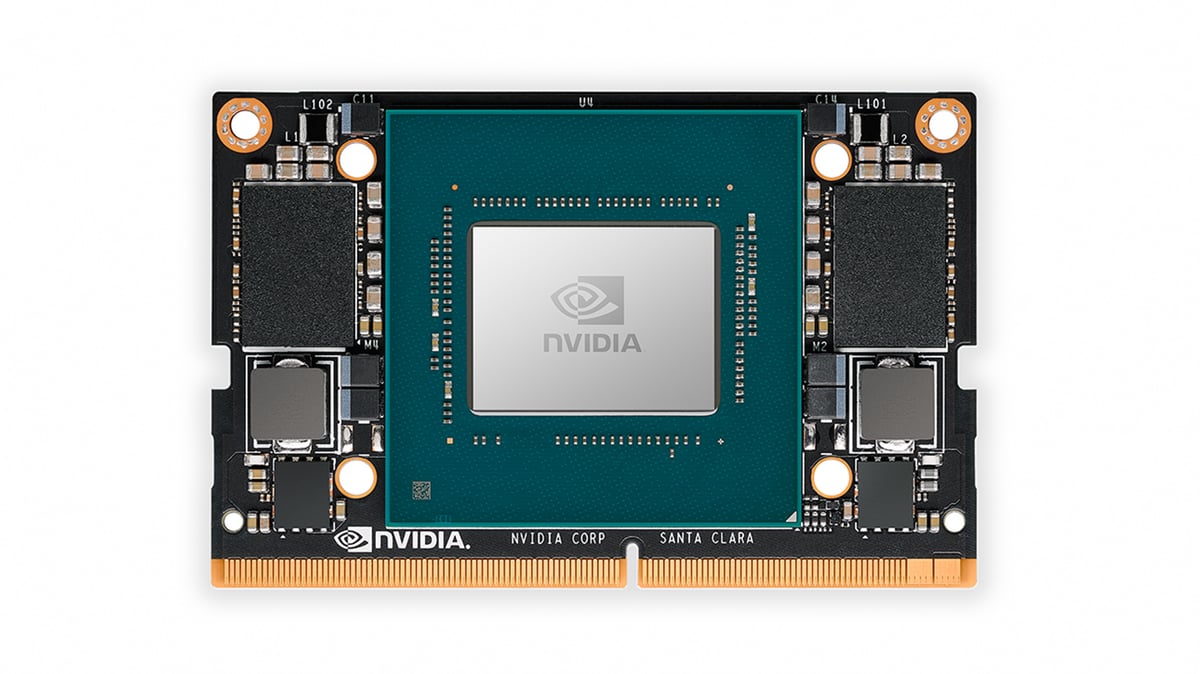
Nvidia Surpasses $5 Trillion Market Valuation

- Massive Market Opportunity: Nvidia's CFO Collette Kress highlighted a $4 trillion market opportunity, with hyperscaler annual spending projected to exceed $1 trillion next year and reach $3 to $4 trillion by the decade's end, positioning Nvidia to capture a significant share.
- Significant Revenue Growth: In the first quarter of fiscal 2027, Nvidia reported a 95% year-over-year revenue increase, marking its 14th consecutive quarter of growth, with a sequential revenue boost of $13.5 billion, underscoring its robust performance in AI and data centers.
- Gross Margin Fluctuations: Nvidia's gross margin rose from 60% last year to 75% this year; however, the previous year's figures were impacted by a charge for not shipping specialized chips to China, indicating limited actual improvement, with expectations for the second quarter to maintain at 75%.
- Stock Price Expectation Pressure: Despite Nvidia's first-quarter results exceeding expectations, the stock price has stagnated, partly due to overly high market expectations for future growth, necessitating shareholders to prepare for serious market evaluations and perfection expectations.
See More

Sanders Proposes Public Ownership in AI Companies
- Public Ownership Proposal: Sanders proposed a one-time 50% tax on stock to give the public a direct stake in the largest AI companies in the U.S., aiming to ensure that the economic gains from AI benefit a broader society rather than a small group of corporate leaders, thereby promoting social equity.
- Surge in AI Investment: Major tech companies are expected to spend over $750 billion on AI infrastructure this year, and Sanders' proposal comes amid intensifying AI competition, highlighting the technology's profound impact on the economy, education, and society, which could reshape future wealth distribution.
- IPO Focus: AI companies like Anthropic, OpenAI, and SpaceX are planning public listings, with Anthropic's valuation reaching $965 billion and OpenAI targeting an IPO valuation between $852 billion and $1.1 trillion, reflecting strong market interest and bullish investor sentiment towards AI firms.
- Technological Impact and Risks: Sanders noted that AI's effects are already felt across various sectors, including economy, education, and environmental policy, while expressing concerns about the independence of advanced AI systems and potential risks, emphasizing the need for legislation to ensure technological advancements benefit society as a whole.
See More

Trump Signs Executive Order on AI Model Regulation


- Executive Order Details: President Trump signed an executive order mandating developers to grant government access to advanced AI models for up to 30 days prior to broader deployment, aiming to enhance oversight of AI technologies.
- Cybersecurity Assessment: The order directs federal officials to create a classified system to evaluate the cybersecurity capabilities of advanced AI models and identify which qualify as 'covered frontier models,' thereby improving national security.
- Market Reaction: Following the order's announcement, shares of Alphabet (GOOG, GOOGL) fell by 2.5%, Microsoft (MSFT) dropped 3.5%, while Meta (META) and Nvidia (NVDA) each gained around 1%, indicating varied market responses to the policy uncertainty.
- Impact on Developers: This policy may significantly affect AI developers' business models, particularly regarding compliance and security requirements, compelling companies to balance technological innovation with regulatory adherence.
See More
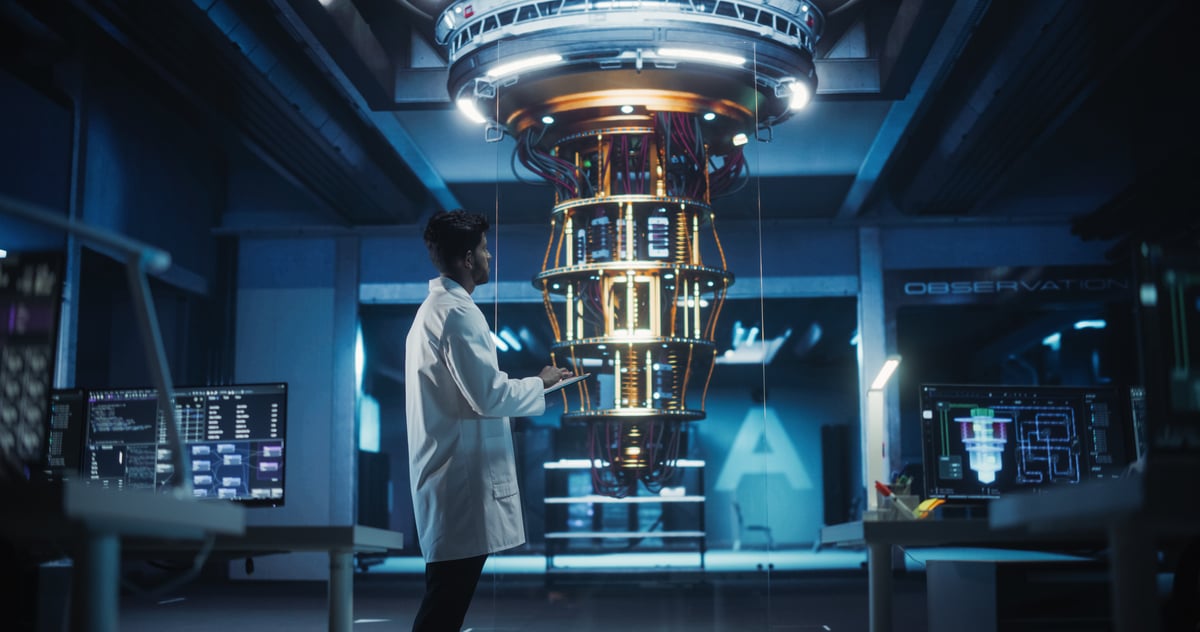
U.S. Government Invests $2 Billion in Quantum Computing


- Large Investment Scale: The U.S. Department of Commerce announced a $2 billion investment across nine quantum computing companies under the CHIPS and Science Act, granting the government minority equity stakes in each, highlighting the importance of quantum technology and its potential in AI.
- Key Companies Funded: International Business Machines (IBM) will receive $1 billion to establish a new quantum foundry subsidiary called Anderon, while GlobalFoundries is raising $375 million to build a complementary foundry, enhancing the domestic manufacturing base for quantum chips.
- Multiple Companies Benefit: Other firms like D-Wave, Rigetti, and Infleqtion each received up to $100 million to address specific engineering variables and modalities, further advancing the research and development of quantum computing.
- Investor Focus: While IBM and GlobalFoundries are publicly traded, quantum computing represents a small part of their overall business, prompting investors to be selective and consider pure-play quantum companies like D-Wave and Rigetti, or indirectly invest through Honeywell and Nvidia for quantum exposure.
See More
Jensen Huang Backs Marvell as Next Trillion-Dollar Company
- Market Endorsement: Nvidia CEO Jensen Huang publicly endorsed Marvell at the Computex trade show, calling it the 'next trillion-dollar company,' which led to a 27% surge in Marvell's stock price, increasing its market cap from $191 billion to $234 billion, reflecting strong market confidence in its future potential.
- Deepening Investment Partnership: Nvidia announced a $2 billion investment in Marvell to co-develop silicon photonics and AI-centric telecommunications infrastructure hardware, enhancing technological synergy between the two companies and providing Marvell with robust financial support to strengthen its position in the competitive semiconductor market.
- Strong Financial Performance: Marvell reported $2.418 billion in revenue for the fiscal first quarter of 2027, marking a 28% year-over-year increase and exceeding the midpoint of the company's guidance by $18 million, showcasing the sustained strength of its data center business and bolstering market optimism about its future earnings.
- Broad Industry Outlook: With global data center capacity expected to double in the next four years, Marvell's networking solutions are crucial for managing workloads and enabling AI, providing strong support for its future growth; although reaching a $1 trillion valuation requires a 327% increase, market confidence in its potential remains high.
See More
Investment Comparison Between AMD and Nvidia

- Stock Performance Comparison: AMD's stock has surged over 350% in the past year, while Nvidia's has only risen nearly 60%, indicating that despite Nvidia being the largest company by market cap, AMD has delivered significantly higher investment returns.
- Valuation Discrepancy Analysis: AMD's forward price-to-earnings ratio stands at 70, compared to Nvidia's 24, meaning AMD's stock is essentially three times more expensive than Nvidia's, which poses a significant risk for investors due to the high valuation premium.
- Growth Potential Assessment: Although AMD's stock has risen sharply, its growth has not matched its high valuation, while Nvidia continues to show stronger growth prospects, making it a potentially better investment choice moving forward.
- Future Investment Recommendation: Based on current valuations and growth outlooks, the analysis suggests that Nvidia is the more attractive stock to buy, as AMD's impressive performance may be constrained by its high valuation, limiting future investment returns.
See More
Nvidia Surpasses $5 Trillion Market Valuation
- Massive Market Opportunity: Nvidia's CFO Collette Kress highlighted a $4 trillion market opportunity, with hyperscaler annual spending projected to exceed $1 trillion next year and reach $3 to $4 trillion by the decade's end, positioning Nvidia to capture a significant share.
- Significant Revenue Growth: In the first quarter of fiscal 2027, Nvidia reported a 95% year-over-year revenue increase, marking its 14th consecutive quarter of growth, with a sequential revenue boost of $13.5 billion, underscoring its robust performance in AI and data centers.
- Gross Margin Fluctuations: Nvidia's gross margin rose from 60% last year to 75% this year; however, the previous year's figures were impacted by a charge for not shipping specialized chips to China, indicating limited actual improvement, with expectations for the second quarter to maintain at 75%.
- Stock Price Expectation Pressure: Despite Nvidia's first-quarter results exceeding expectations, the stock price has stagnated, partly due to overly high market expectations for future growth, necessitating shareholders to prepare for serious market evaluations and perfection expectations.
See More
Sanders Proposes Public Ownership in AI Companies
- Public Ownership Proposal: Sanders proposed a one-time 50% tax on stock to give the public a direct stake in the largest AI companies in the U.S., aiming to ensure that the economic gains from AI benefit a broader society rather than a small group of corporate leaders, thereby promoting social equity.
- Surge in AI Investment: Major tech companies are expected to spend over $750 billion on AI infrastructure this year, and Sanders' proposal comes amid intensifying AI competition, highlighting the technology's profound impact on the economy, education, and society, which could reshape future wealth distribution.
- IPO Focus: AI companies like Anthropic, OpenAI, and SpaceX are planning public listings, with Anthropic's valuation reaching $965 billion and OpenAI targeting an IPO valuation between $852 billion and $1.1 trillion, reflecting strong market interest and bullish investor sentiment towards AI firms.
- Technological Impact and Risks: Sanders noted that AI's effects are already felt across various sectors, including economy, education, and environmental policy, while expressing concerns about the independence of advanced AI systems and potential risks, emphasizing the need for legislation to ensure technological advancements benefit society as a whole.
See More
Trump Signs Executive Order on AI Model Regulation
- Executive Order Details: President Trump signed an executive order mandating developers to grant government access to advanced AI models for up to 30 days prior to broader deployment, aiming to enhance oversight of AI technologies.
- Cybersecurity Assessment: The order directs federal officials to create a classified system to evaluate the cybersecurity capabilities of advanced AI models and identify which qualify as 'covered frontier models,' thereby improving national security.
- Market Reaction: Following the order's announcement, shares of Alphabet (GOOG, GOOGL) fell by 2.5%, Microsoft (MSFT) dropped 3.5%, while Meta (META) and Nvidia (NVDA) each gained around 1%, indicating varied market responses to the policy uncertainty.
- Impact on Developers: This policy may significantly affect AI developers' business models, particularly regarding compliance and security requirements, compelling companies to balance technological innovation with regulatory adherence.
See More
U.S. Government Invests $2 Billion in Quantum Computing
- Large Investment Scale: The U.S. Department of Commerce announced a $2 billion investment across nine quantum computing companies under the CHIPS and Science Act, granting the government minority equity stakes in each, highlighting the importance of quantum technology and its potential in AI.
- Key Companies Funded: International Business Machines (IBM) will receive $1 billion to establish a new quantum foundry subsidiary called Anderon, while GlobalFoundries is raising $375 million to build a complementary foundry, enhancing the domestic manufacturing base for quantum chips.
- Multiple Companies Benefit: Other firms like D-Wave, Rigetti, and Infleqtion each received up to $100 million to address specific engineering variables and modalities, further advancing the research and development of quantum computing.
- Investor Focus: While IBM and GlobalFoundries are publicly traded, quantum computing represents a small part of their overall business, prompting investors to be selective and consider pure-play quantum companies like D-Wave and Rigetti, or indirectly invest through Honeywell and Nvidia for quantum exposure.
See More
Jensen Huang Backs Marvell as Next Trillion-Dollar Company
- Market Endorsement: Nvidia CEO Jensen Huang publicly endorsed Marvell at the Computex trade show, calling it the 'next trillion-dollar company,' which led to a 27% surge in Marvell's stock price, increasing its market cap from $191 billion to $234 billion, reflecting strong market confidence in its future potential.
- Deepening Investment Partnership: Nvidia announced a $2 billion investment in Marvell to co-develop silicon photonics and AI-centric telecommunications infrastructure hardware, enhancing technological synergy between the two companies and providing Marvell with robust financial support to strengthen its position in the competitive semiconductor market.
- Strong Financial Performance: Marvell reported $2.418 billion in revenue for the fiscal first quarter of 2027, marking a 28% year-over-year increase and exceeding the midpoint of the company's guidance by $18 million, showcasing the sustained strength of its data center business and bolstering market optimism about its future earnings.
- Broad Industry Outlook: With global data center capacity expected to double in the next four years, Marvell's networking solutions are crucial for managing workloads and enabling AI, providing strong support for its future growth; although reaching a $1 trillion valuation requires a 327% increase, market confidence in its potential remains high.
See More
Investment Comparison Between AMD and Nvidia
- Stock Performance Comparison: AMD's stock has surged over 350% in the past year, while Nvidia's has only risen nearly 60%, indicating that despite Nvidia being the largest company by market cap, AMD has delivered significantly higher investment returns.
- Valuation Discrepancy Analysis: AMD's forward price-to-earnings ratio stands at 70, compared to Nvidia's 24, meaning AMD's stock is essentially three times more expensive than Nvidia's, which poses a significant risk for investors due to the high valuation premium.
- Growth Potential Assessment: Although AMD's stock has risen sharply, its growth has not matched its high valuation, while Nvidia continues to show stronger growth prospects, making it a potentially better investment choice moving forward.
- Future Investment Recommendation: Based on current valuations and growth outlooks, the analysis suggests that Nvidia is the more attractive stock to buy, as AMD's impressive performance may be constrained by its high valuation, limiting future investment returns.
See More