

NVIDIA Expands into CPU Market with Vera Processor Launch
Written by Emily J. Thompson, Senior Investment Analyst
Updated: 1 hour ago
0mins

Source: NASDAQ.COM
- New Direction in CPU Market: NVIDIA's launch of the Vera CPU, designed specifically for agentic AI and next-gen AI factories, signifies its shift from a GPU-only focus to actively expanding into the CPU market to capture the rapidly growing AI infrastructure sector.
- Integrated Platform Strategy: NVIDIA's CPU strategy revolves around integrating CPUs, GPUs, networking, and software into a single platform, aiming to enhance performance and efficiency for AI workloads while reducing bottlenecks through integration with Blackwell and future Rubin AI systems.
- Surge in Data Center Revenues: NVIDIA reported a record $75.25 billion in data center revenues for Q1 FY2027, a 92% year-over-year increase, with management believing that agentic AI could drive a new wave of CPU demand, further boosting its CPU business growth.
- Competitive Landscape Analysis: While NVIDIA's CPU market expansion faces fierce competition from established players like Intel and AMD, its expanding AI ecosystem and platform-first strategy could help it carve out a meaningful position in the market over the long term.
Trade with 70% Backtested Accuracy
Stop guessing "Should I Buy INTC?" and start using high-conviction signals backed by rigorous historical data.
Sign up today to access powerful investing tools and make smarter, data-driven decisions.
Analyst Views on INTC
Wall Street analysts forecast INTC stock price to fall
29 Analyst Rating
5 Buy
19 Hold
5 Sell
Hold
Current: 116.960

Low
20.00
Averages
39.30
High
52.00
Current: 116.960
Low
20.00
Averages
39.30
High
52.00
About INTC
Intel Corporation is a global designer and manufacturer of semiconductor products. The Company's segments include Intel Products, Intel Foundry, and All Other. Its Intel Products comprise Client Computing Group (CCG) and Data Center and AI (DCAI). CCG delivers platforms and processors that power PCs and edge devices, enabling enhanced performance, connectivity and user experience for consumer and commercial markets with capabilities that also support retail, industrial robotics and AI ecosystems at the edge. DCAI delivers workload-optimized solutions based upon its x86 architecture for data centers, including CPUs, AI accelerators, NICs, IPUs and custom ASICs, enabling performance and scalability for cloud, enterprise, telecommunication and HPC environments. The Intel Foundry segment comprises technology development, manufacturing and foundry services, developing new semiconductor process technologies and advanced packaging technologies. All Other segments include Mobileye and Other.
About the author

Emily J. Thompson
Emily J. Thompson, a Chartered Financial Analyst (CFA) with 12 years in investment research, graduated with honors from the Wharton School. Specializing in industrial and technology stocks, she provides in-depth analysis for Intellectia’s earnings and market brief reports.
Elan Microelectronics Focuses on Security Market Expansion

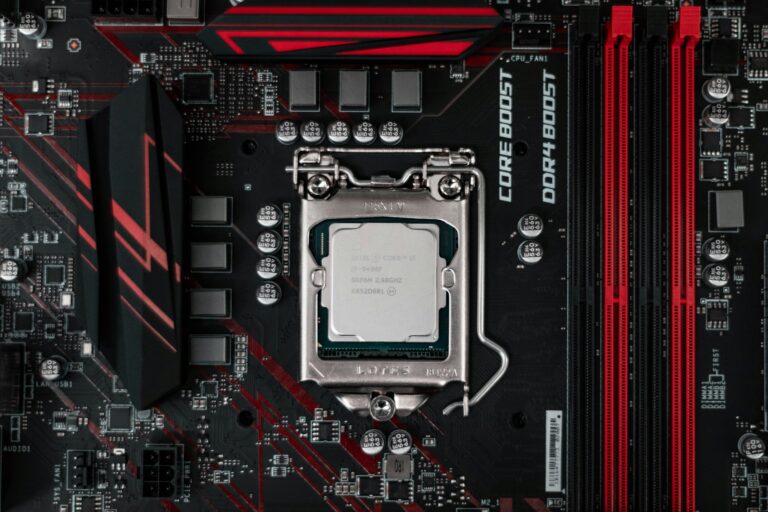
- Market Expansion Potential: Elan Microelectronics is focusing on the security market, particularly targeting small and medium businesses, indicating a potential increase in market reach that could enhance overall business growth prospects.
- Strategic Shift: The company is shifting towards more lucrative commercial markets, demonstrating keen insight into market dynamics, which may lead to higher profit margins and increased market share.
- Technological Collaboration: Integration with Intel CPUs and touchscreens indicates significant technological advancements and strong partnerships, which could enhance product competitiveness and drive innovation.
- Innovation Involvement: The mention of RTX Spark service and Surface Laptop Ultra suggests the company's engagement in cutting-edge technology, and while specific financial details are lacking, this involvement may lay the groundwork for future growth.
See More

Intel Shares Surge 6% Amid Calls for Capital Raise to Support Turnaround
- Capital Raise Recommendation: Research firm SemiAnalysis suggests that Intel should consider raising additional capital to support its turnaround and expansion efforts, particularly in light of its partnership on Terafab and the rising costs associated with increased demand for AI CPUs.
- Historical Price Peak: SemiAnalysis notes that Intel's shares have not been this expensive on a trailing 12-month basis since the dot-com bubble, indicating strong market confidence in the company's future prospects.
- Market Capitalization Potential: With a market cap of approximately $498 billion, the firm believes Intel could support a much larger follow-on offering, potentially raising $25 billion, significantly more than Cerebras' $5.55 billion.
- Government and Corporate Support: Recently, Intel has raised funds from the U.S. federal government, Japanese tech giant SoftBank, and Nvidia, demonstrating its strong appeal in the capital markets and potential for strategic partnerships.
See More
NVIDIA Expands into CPU Market with Vera Processor Launch

- New Direction in CPU Market: NVIDIA's launch of the Vera CPU, designed specifically for agentic AI and next-gen AI factories, signifies its shift from a GPU-only focus to actively expanding into the CPU market to capture the rapidly growing AI infrastructure sector.
- Integrated Platform Strategy: NVIDIA's CPU strategy revolves around integrating CPUs, GPUs, networking, and software into a single platform, aiming to enhance performance and efficiency for AI workloads while reducing bottlenecks through integration with Blackwell and future Rubin AI systems.
- Surge in Data Center Revenues: NVIDIA reported a record $75.25 billion in data center revenues for Q1 FY2027, a 92% year-over-year increase, with management believing that agentic AI could drive a new wave of CPU demand, further boosting its CPU business growth.
- Competitive Landscape Analysis: While NVIDIA's CPU market expansion faces fierce competition from established players like Intel and AMD, its expanding AI ecosystem and platform-first strategy could help it carve out a meaningful position in the market over the long term.
See More
NASDAQ 100 Pre-Market Activity Overview


- Market Performance: The NASDAQ 100 Pre-Market Indicator rose by 18.91 points to 29,465.09, indicating a positive market sentiment despite ongoing volatility.
- Active Stocks: Virgin Galactic Holdings, Inc. (SPCE) fell by $0.78 to $4.95 with a trading volume of 13,009,297 shares, currently priced at 165% of its target price, reflecting investor caution.
- Recommendation Ratings: Nokia Corporation (NOK) increased by $0.13 to $14.22 with 6,973,700 shares traded, and Zacks reports its average recommendation is in the
See More

Micron and Intel Face Downside Risks Amid AI Boom

- Micron Valuation Risk: Micron Technology's target price of $500 per share implies a 44% downside from its current price of $898, despite a 196% revenue increase to $23.8 billion; however, it lacks a durable competitive advantage and is losing market share to Samsung and SK Hynix.
- Intel Market Challenges: Intel's target price of $45 per share suggests a 60% downside from its current price of $115, and while it has growing opportunities in AI inference, it continues to lose market share due to execution missteps and manufacturing delays, with only a 7% revenue increase in Q1.
- Intensifying Industry Competition: Both Micron and Intel face fierce competition from companies like Samsung and AMD, which have significant advantages in production capacity and R&D investment, threatening their market positions.
- Uncertain Future Outlook: Although the market expects Micron's adjusted earnings to grow at a 13% annual rate through 2029, the current 40 times earnings valuation appears too expensive, while Intel's 200 times earnings valuation raises similar concerns, leading analysts to generally advise investors to avoid both stocks.
See More

Micron and Intel Face Market Challenges Amid AI Boom
- Market Share Decline: Micron reported a revenue of $23.8 billion, a 196% increase, yet it continues to lose market share in DRAM and NAND memory chips, indicating a lack of competitive strength that could impact its future market position.
- Profitability Constraints: Despite Micron's non-GAAP net income reaching $12.20 per share, a 682% increase, its mediocre profit margins and absence of an economic moat, coupled with fierce competition from Samsung and SK Hynix, may lead to declining profitability in the future.
- Intel's Challenges: Intel has lost substantial market share in data center and client CPUs, with only a 7% revenue growth in Q1, while its foundry business reported a $2.3 billion loss, highlighting its vulnerability in a competitive landscape.
- Valuation Risks: Although Wall Street anticipates Intel's adjusted earnings to grow at 77% annually through 2027, its current valuation of 200 times earnings appears excessive, leading analysts to suggest that investors should avoid the stock, which may face a 16% downside risk.
See More
Elan Microelectronics Focuses on Security Market Expansion
- Market Expansion Potential: Elan Microelectronics is focusing on the security market, particularly targeting small and medium businesses, indicating a potential increase in market reach that could enhance overall business growth prospects.
- Strategic Shift: The company is shifting towards more lucrative commercial markets, demonstrating keen insight into market dynamics, which may lead to higher profit margins and increased market share.
- Technological Collaboration: Integration with Intel CPUs and touchscreens indicates significant technological advancements and strong partnerships, which could enhance product competitiveness and drive innovation.
- Innovation Involvement: The mention of RTX Spark service and Surface Laptop Ultra suggests the company's engagement in cutting-edge technology, and while specific financial details are lacking, this involvement may lay the groundwork for future growth.
See More
Intel Shares Surge 6% Amid Calls for Capital Raise to Support Turnaround
- Capital Raise Recommendation: Research firm SemiAnalysis suggests that Intel should consider raising additional capital to support its turnaround and expansion efforts, particularly in light of its partnership on Terafab and the rising costs associated with increased demand for AI CPUs.
- Historical Price Peak: SemiAnalysis notes that Intel's shares have not been this expensive on a trailing 12-month basis since the dot-com bubble, indicating strong market confidence in the company's future prospects.
- Market Capitalization Potential: With a market cap of approximately $498 billion, the firm believes Intel could support a much larger follow-on offering, potentially raising $25 billion, significantly more than Cerebras' $5.55 billion.
- Government and Corporate Support: Recently, Intel has raised funds from the U.S. federal government, Japanese tech giant SoftBank, and Nvidia, demonstrating its strong appeal in the capital markets and potential for strategic partnerships.
See More
NVIDIA Expands into CPU Market with Vera Processor Launch
- New Direction in CPU Market: NVIDIA's launch of the Vera CPU, designed specifically for agentic AI and next-gen AI factories, signifies its shift from a GPU-only focus to actively expanding into the CPU market to capture the rapidly growing AI infrastructure sector.
- Integrated Platform Strategy: NVIDIA's CPU strategy revolves around integrating CPUs, GPUs, networking, and software into a single platform, aiming to enhance performance and efficiency for AI workloads while reducing bottlenecks through integration with Blackwell and future Rubin AI systems.
- Surge in Data Center Revenues: NVIDIA reported a record $75.25 billion in data center revenues for Q1 FY2027, a 92% year-over-year increase, with management believing that agentic AI could drive a new wave of CPU demand, further boosting its CPU business growth.
- Competitive Landscape Analysis: While NVIDIA's CPU market expansion faces fierce competition from established players like Intel and AMD, its expanding AI ecosystem and platform-first strategy could help it carve out a meaningful position in the market over the long term.
See More
NASDAQ 100 Pre-Market Activity Overview
- Market Performance: The NASDAQ 100 Pre-Market Indicator rose by 18.91 points to 29,465.09, indicating a positive market sentiment despite ongoing volatility.
- Active Stocks: Virgin Galactic Holdings, Inc. (SPCE) fell by $0.78 to $4.95 with a trading volume of 13,009,297 shares, currently priced at 165% of its target price, reflecting investor caution.
- Recommendation Ratings: Nokia Corporation (NOK) increased by $0.13 to $14.22 with 6,973,700 shares traded, and Zacks reports its average recommendation is in the
See More
Micron and Intel Face Downside Risks Amid AI Boom
- Micron Valuation Risk: Micron Technology's target price of $500 per share implies a 44% downside from its current price of $898, despite a 196% revenue increase to $23.8 billion; however, it lacks a durable competitive advantage and is losing market share to Samsung and SK Hynix.
- Intel Market Challenges: Intel's target price of $45 per share suggests a 60% downside from its current price of $115, and while it has growing opportunities in AI inference, it continues to lose market share due to execution missteps and manufacturing delays, with only a 7% revenue increase in Q1.
- Intensifying Industry Competition: Both Micron and Intel face fierce competition from companies like Samsung and AMD, which have significant advantages in production capacity and R&D investment, threatening their market positions.
- Uncertain Future Outlook: Although the market expects Micron's adjusted earnings to grow at a 13% annual rate through 2029, the current 40 times earnings valuation appears too expensive, while Intel's 200 times earnings valuation raises similar concerns, leading analysts to generally advise investors to avoid both stocks.
See More
Micron and Intel Face Market Challenges Amid AI Boom
- Market Share Decline: Micron reported a revenue of $23.8 billion, a 196% increase, yet it continues to lose market share in DRAM and NAND memory chips, indicating a lack of competitive strength that could impact its future market position.
- Profitability Constraints: Despite Micron's non-GAAP net income reaching $12.20 per share, a 682% increase, its mediocre profit margins and absence of an economic moat, coupled with fierce competition from Samsung and SK Hynix, may lead to declining profitability in the future.
- Intel's Challenges: Intel has lost substantial market share in data center and client CPUs, with only a 7% revenue growth in Q1, while its foundry business reported a $2.3 billion loss, highlighting its vulnerability in a competitive landscape.
- Valuation Risks: Although Wall Street anticipates Intel's adjusted earnings to grow at 77% annually through 2027, its current valuation of 200 times earnings appears excessive, leading analysts to suggest that investors should avoid the stock, which may face a 16% downside risk.
See More




